


Ben McKay on Learning the Power of Great Design


Ben McKay is a midweight designer at brand strategy and creative agency Neverland. He started his creative career as a poster designer and street artist then worked as an actor for 15 years.
In 2020, Ben retrained as an advertising and branding designer at Ravensbourne University. He graduated in 2023 with a first and won a D&AD New Blood Pencil and has been with Neverland ever since.
Ben sat down with LBB to look back on his introduction to design, his background in graffiti and biggest design heroes.
LBB> Tell us about your current role and design specialism(s)?
Ben> I’m currently a midweight designer at Neverland Creative. My design specialism is advertising communications.
LBB> What drew you to design in the first place and how has your design career evolved?
Ben> My introduction to design came through skateboarding and street art in the ’90s, then designing posters for bands. That led to personal branding opportunities and murals for small businesses.
I moved to London in 1999 and worked as an actor for 20 years before switching back to design and retraining in advertising and brand design at Ravensbourne University in 2020.
During my second year my designs for Kopparberg limited edition bottles were chosen, which led to an internship at Neverland. Once I graduated with a first and a D&AD New Blood Pencil in 2023, I joined Neverland as a junior designer.
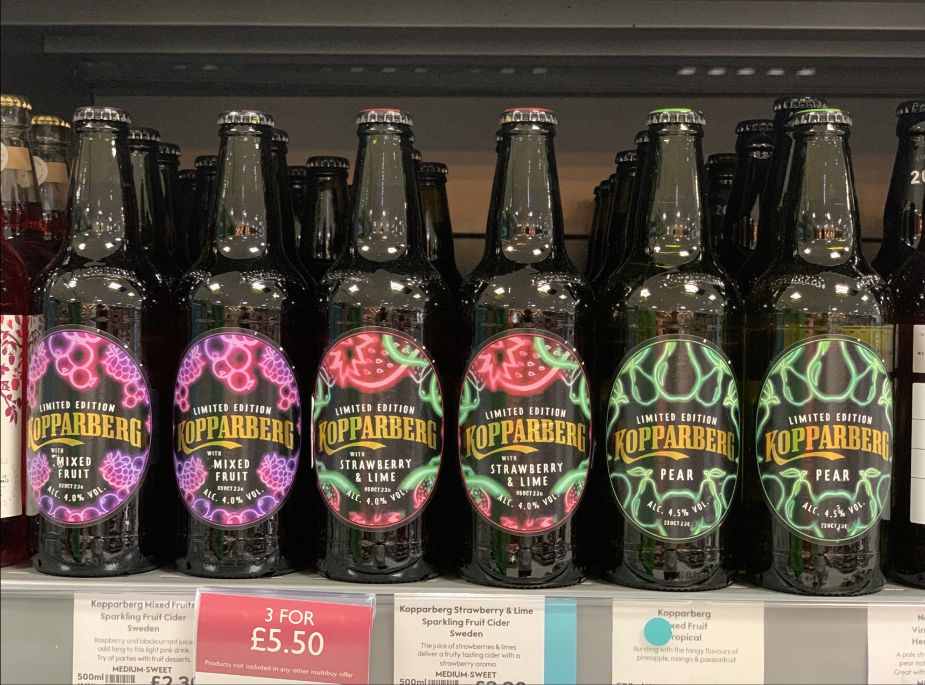
Ben’s winning Kopparberg bottle designs on sale in Waitrose, 2022
LBB> What aspects of design do you get really nerdy about personally?
Ben> I’ve got a real love for classic ’80s and ’90s retro design. I’m into work that breaks the rules of misprinted, textured, distressed typography, interesting layouts, and urban illustration.
That all stems from my background in graffiti. I was a teenager obsessed with skateboarding and the graphic world around it. Boards, T-shirts, stickers, posters, and zines. What really gets me excited is free-flowing design, grainy halftones and happy accidents.
LBB> There are so many new design tools out—what tools do you like to use and why?
Ben> As a 2D static designer, I mainly use the Adobe suite. I have just started using sketch to vector in Illustrator Beta. This tool is awesome. I also love Procreate as a drawing tool to support my designs. I always have a Sharpie on hand, and for more hand-drawn work I use Molotow paint markers. After 30 years of street art, I’ve also got over 200 cans of spray paint in the garage.
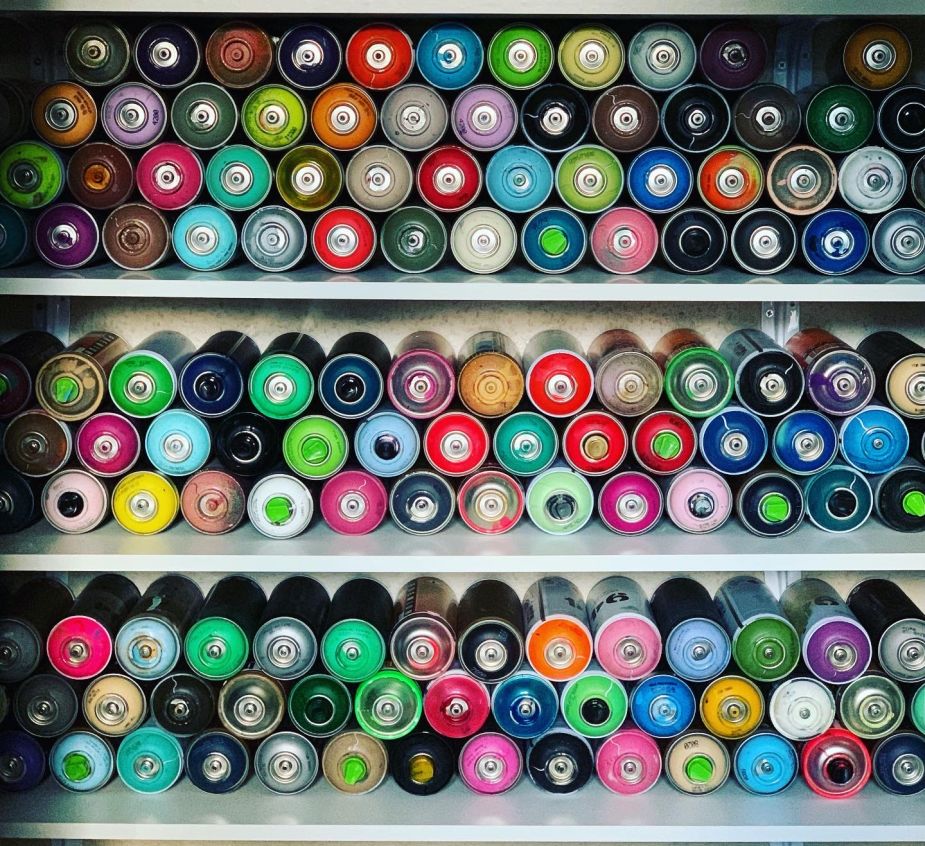
Ben’s current spray paint collection
LBB> Design Thinking – thoughts?
Ben> My relationship with design comes from the semiotics and nostalgia of hip-hop album covers, skate magazines, and posters. That analogue, pre-internet feeling leafing through Sidewalk Surfer or Hip-Hop Connection.
The two books that really introduced me to graffiti were ‘Spraycan Art’ and ‘Subway Art’ by Martha Cooper and Henry Chalfant. They were a sensory overload of illustration and freehand typography that I was desperate to replicate.
While studying advertising and brand design at Ravensbourne, I was lucky to meet some amazing visiting lecturers who spoke about the power of great design, the idea that designers can choose to design with purpose. That really stuck with me: making a difference to people’s mindsets and positive life choices through design.
At Neverland, I’ve been lucky to work on campaigns that fulfil that.
I’m also slightly obsessed with the history of out-of-home and guerrilla/special builds. It’s fascinating that this form of advertising has been around since before the Egyptians. Huge Roman posters for gladiator events, war propaganda. For good or bad, design is powerful.
LBB> Accessible design is an increasingly prominent topic—what are the challenges?
Ben> There’s a misconception that accessible design must be boring or generic. The real skill is creating work that’s simple, clean, and functional while still being beautiful. Understanding the cultural context the work lives in helps you communicate clearly without losing craft or creativity.
LBB> What design controversies or challenges do you think about most?
Ben> The obvious one is the AI elephant in the room. These tools are impossible to ignore. The real question is when I choose to use them and whether my work benefits or suffers as a result.
LBB> How do you think about the ethics of design?
Ben> It’s important that we as designers choose to represent inclusivity in our work. The UK is a melting pot of diverse cultures and diverse abilities. However, many people feel excluded by ads and not represented.
The use of AI in design is proven to be biased in the imagery it creates and can leave people feeling discriminated against or misled. Our job as designers is to ensure that we research the needs of the client and the target audience fairly.
The ultimate goal for me as a designer is to create work that helps change people’s behaviours for the good of the planet and this should be the inspiration to all graduates like it was to me.
LBB> Which projects have been the most satisfying to work on?
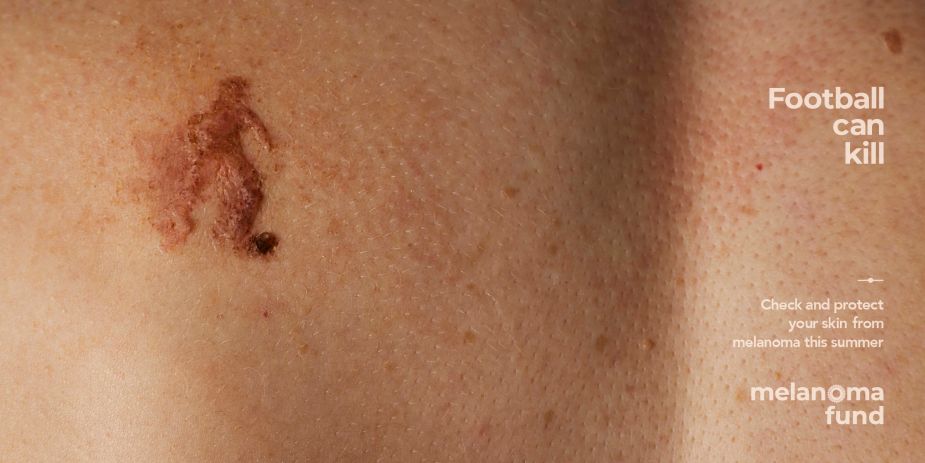
Ben> I was lucky to work on an award-winning campaign for the Melanoma Fund, which ended up saving my life. While working on it, I noticed a mole on my arm had changed. I got it checked, and it turned out to be melanoma, but that’s another story!
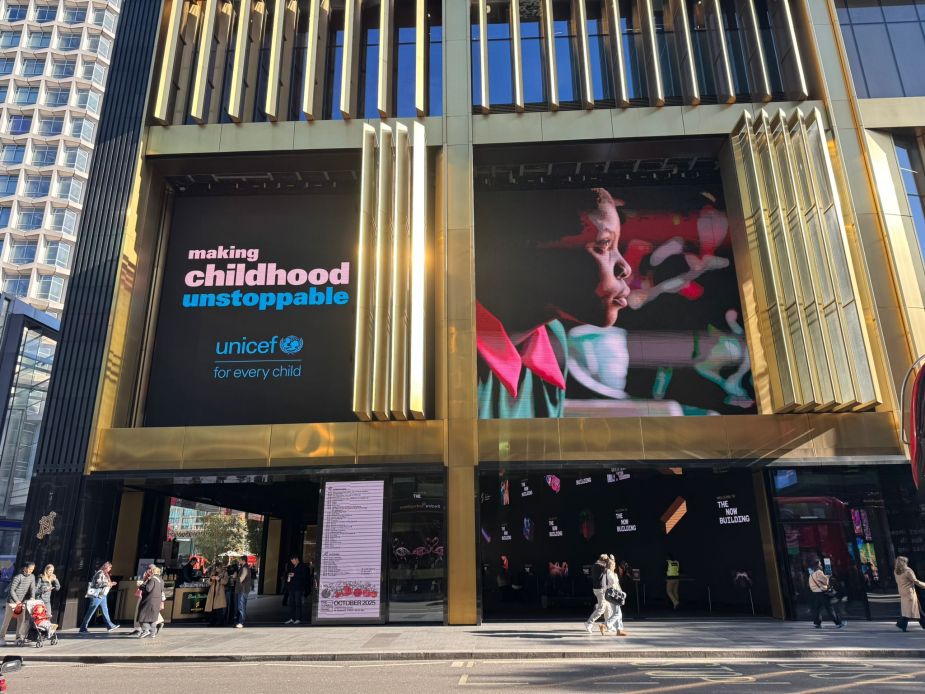
I also worked on the most recent UNICEF campaign. That was really special because of how important the message is. It was a proud moment walking down Tottenham Court Road with my kids and seeing my work across the Outernet.
LBB> What’s exciting you in design right now?
Ben> I’m looking forward to checking out the latest Nigo exhibition at the Design Museum. Paul Pâté Pateman and his impactful, conscious posters. I love work that’s disruptive and typographically sharp.
LBB> Who are your design heroes and why?
Ben> I’m a sneakerhead, so Tinker Hatfield must get a mention.
I love Shepard Fairey’s Obey work; he is a huge influence. Nigo for BAPE, his legacy shaped streetwear and influenced brands like Palace.
Saul Bass is the master, His posters and title sequences are inspirational. And Futura, he’s crossed everything from painting trains in New York to streetwear and advertising. His style gets copied a lot but never matched.
LBB> Thinking of people at the beginning of their career, what advice would you give them for navigating this constantly changing field?
Ben> When I graduated three years ago, I was told to embrace the changes, don’t get left behind.
I think you should hold on to what inspires you, what exists, what matters to you and what you love creating. Make personal connections (LinkedIn doesn’t give you that). Try to meet people in the industry face to face. Do not underestimate the value of human connection. Be different, be disruptive, be memorable. Put in the work, it will set you apart and get you noticed.


