


Moving Patient Stories Captured as McCann NZ and Supernormal Extend ‘Forbidden Pharmacy’


McCann New Zealand, dotdotdash, and Supernormal have extended the ‘Forbidden Pharmacy’ campaign with a moving film featuring patients who cannot access life-saving medicines because they are not currently funded by the New Zealand government.
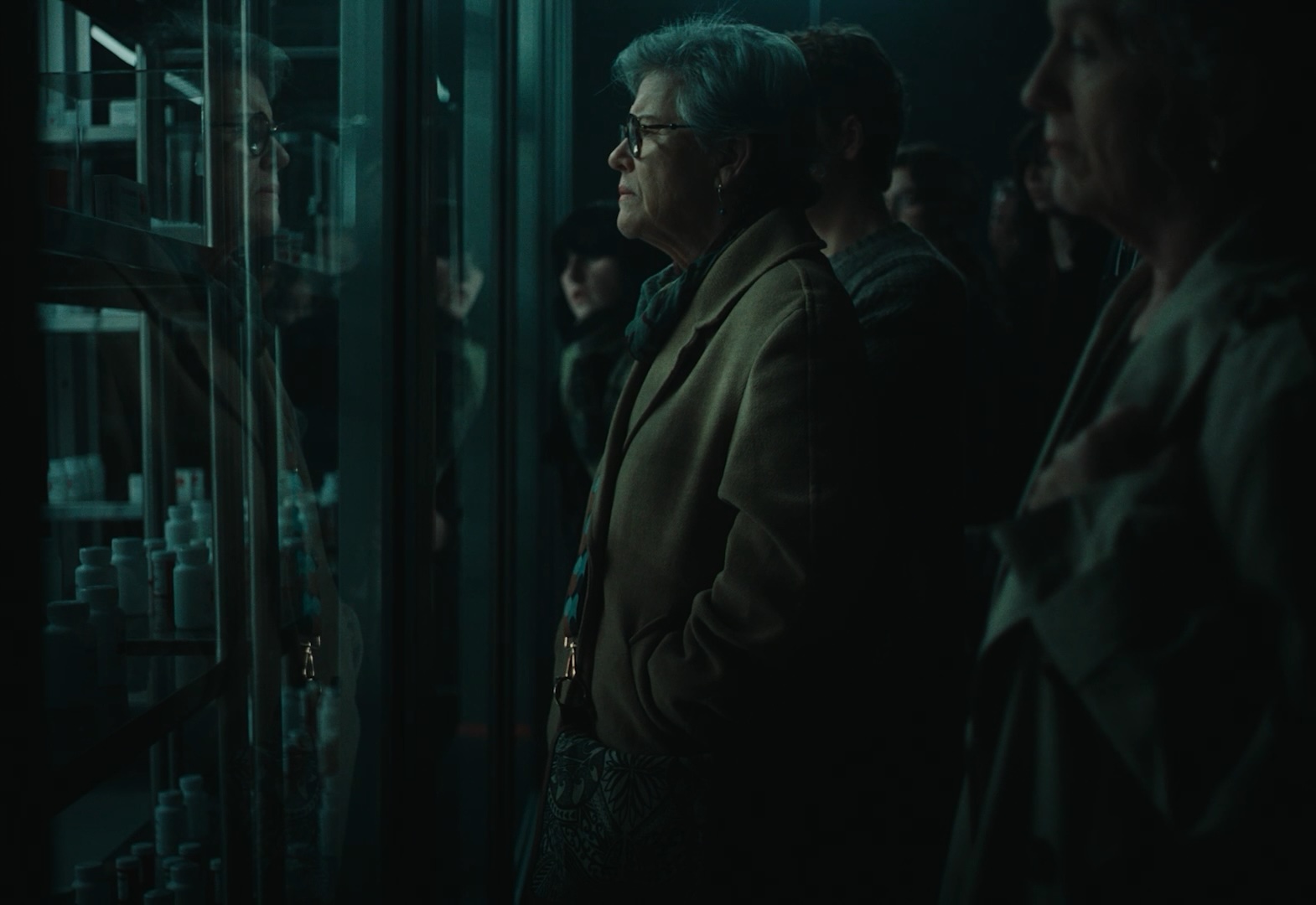
Backed by 17 patient organisations, the immersive public awareness campaign began with an activation last month, putting locked-away medicines on display to steer the country’s election debate.
A new 90 second hero film features interviews with real patients, aired during the activation.
Early iterations of the draft film involved a voice-over, but working on the project with designer Joseph Leary, it became clear to Supernormal director Reagen Butler that the “patients' statements and voices” were most important.
“We made the call really early to build these screens and the TVs, and therefore the patient interviews, into the space,” Reagen said of the way the activation formed part of the film.
“And then we went back and filmed those on the day of the activation and used that to be essentially the core story blocks of the piece. That to me is the biggest decision we made throughout, and the one I'm most proud of.”
Reagen conducted two “really intense” days of interviews with the patients featured in the campaign -- one even fell on Reagen’s birthday. He sat with the patients in a room, one-on-one, and also served as director of photography. He didn’t have a list of questions, and “instead just spoke to them and tried to learn from them about their experiences and really make sure that became the identity of the work.
“Quite a crazy experience, when you're sitting one-on-one with someone. I've done interviews for quite a long time, but never to this degree, this type of intensity, and I really just tried to make it a conversation with people.
“I knew that it would have a level of intensity and seriousness and weight to it, but I don't think any of us really understood how giving all of our participants would be.”
The relationships Reagen has developed over the years with ECDs like dotdotdash's Haydn Kerr has led to some of his best work. A campaign like ‘Forbidden Pharmacy’ relies on deep trust between the agency and production partner, he noted. In this instance, McCann eschewed the traditional production pitch process to “back” Reagen “from the start”.
“[He’s] been a massive backer of mine,” he said of Haydn, “and I've built a real trusting relationship with him over the years and that's a special relationship that I definitely cherish.”
Reagen also shot last year’s ‘Māori Roll Call’ for Motion Sickness, which recently picked up six Golds at the AWARD Awards, plus two Gold Lions at Cannes.
“Agencies seeing that [project] being awarded both domestically and internationally has afforded me some of that trust as well.
“It's exciting because from a production standpoint, both myself as the director and the production team around me, we have a really clear understanding of what you can and can't achieve inside of time or budget limitations. Being able to work to that from very early on ultimately makes the work better. And in this case, it makes it more emotionally impactful.”
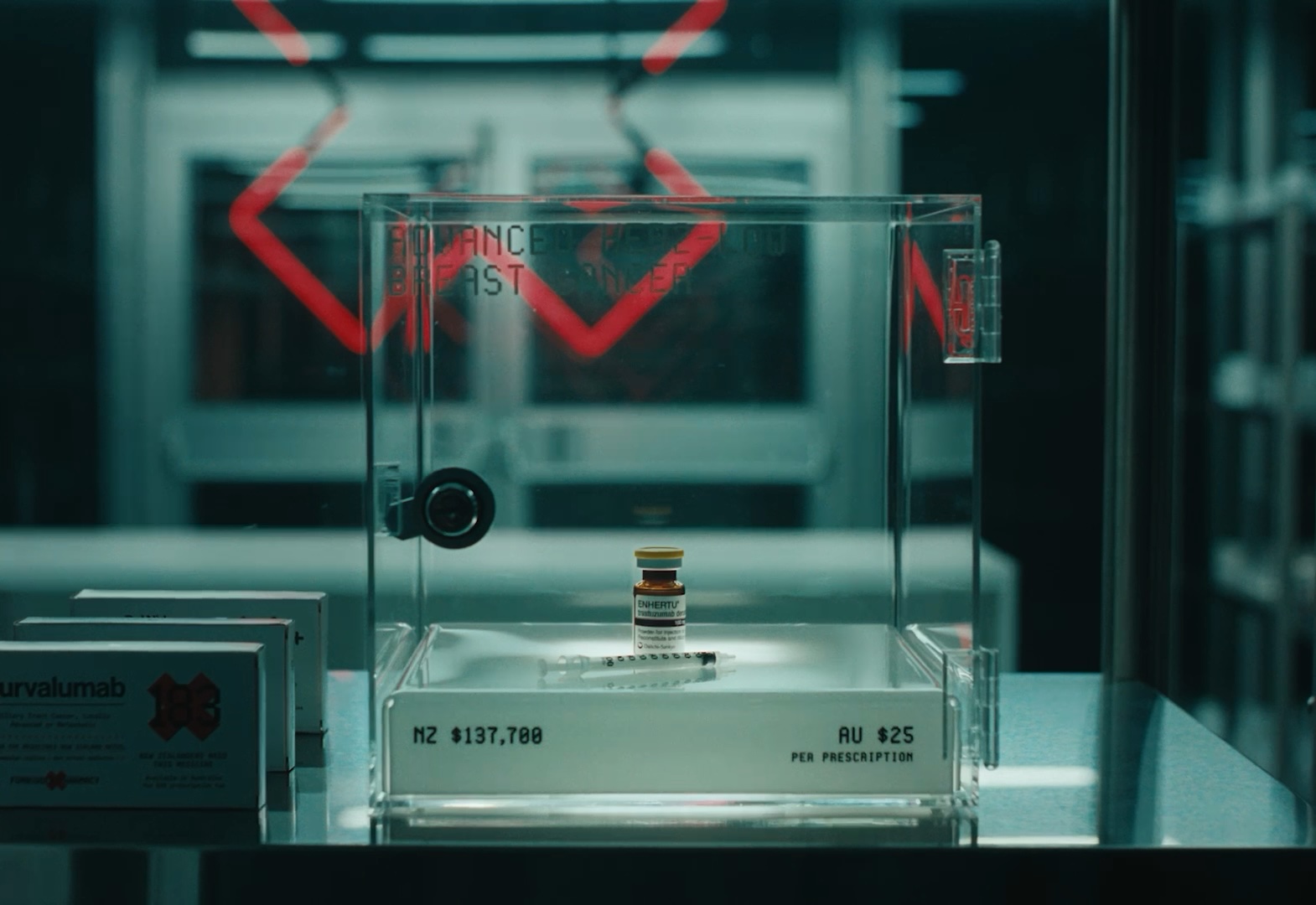
Both campaigns share a thread of reflecting real people’s experiences in a stripped back environment to ultimately deliver a public service message and effect change.
“Making this type of work is, to me right now at this point in my career, the thing I care the most about,” Reagen said.
Through the making of this film, he learned many people weren’t only advocating for themselves, but for others.
“We're left with what I hope comes through in the work: the power of each of these individuals. All of them are in really tricky situations they have very little ability to do anything about, but they had such a resolution and a power to them that inspired me to bring a certain level of care in the work.”
The original score featuring violinist Joni Fuller created the additional feeling of uneasiness that brings the film together.
“To me, there's no more painful instrument than a violin,” Reagen said. “I hope that comes through.”
As a photographer, Reagen noted the influence of sound on his visual craft.
“It's very intentional that we feel as though we're looking in on things, that things aren't perverse, that we're handheld, that there's like a little break.
“All of these decisions were intentional. Too much craft would have taken away the humanity of the work.”
Charity partners include Migraine Foundation; Epilepsy New Zealand; Rare Disorders NZ; Bowel Cancer New Zealand; Gut Cancer Foundation; Breast Cancer Foundation NZ; Breast Cancer Aotearoa Coalition; Blood Cancer NZ; Cancer Society of New Zealand; CLL Advocates / WaldosNZ; Myeloma NZ; The Cardiac and Respiratory Foundation NZ; Melanoma New Zealand; Prostate Cancer Foundation New Zealand; Neuroendocrine Cancer New Zealand; Ovarian Cancer Foundation New Zealand, and; Brain Tumour Support NZ.


