


'Fair Treatment' For Female Directors Backed By Top Male Peers


Creatives and a director from Howatson+Company and Good Oil have launched ‘The Fair Treatment’, a campaign seeking to combat unconscious bias in the treatment selection process.
The "experiment" to eliminate gender bias in commercial directing calls for agencies and brands to agree to a blind treatment process -- where identifying information like gender is removed.
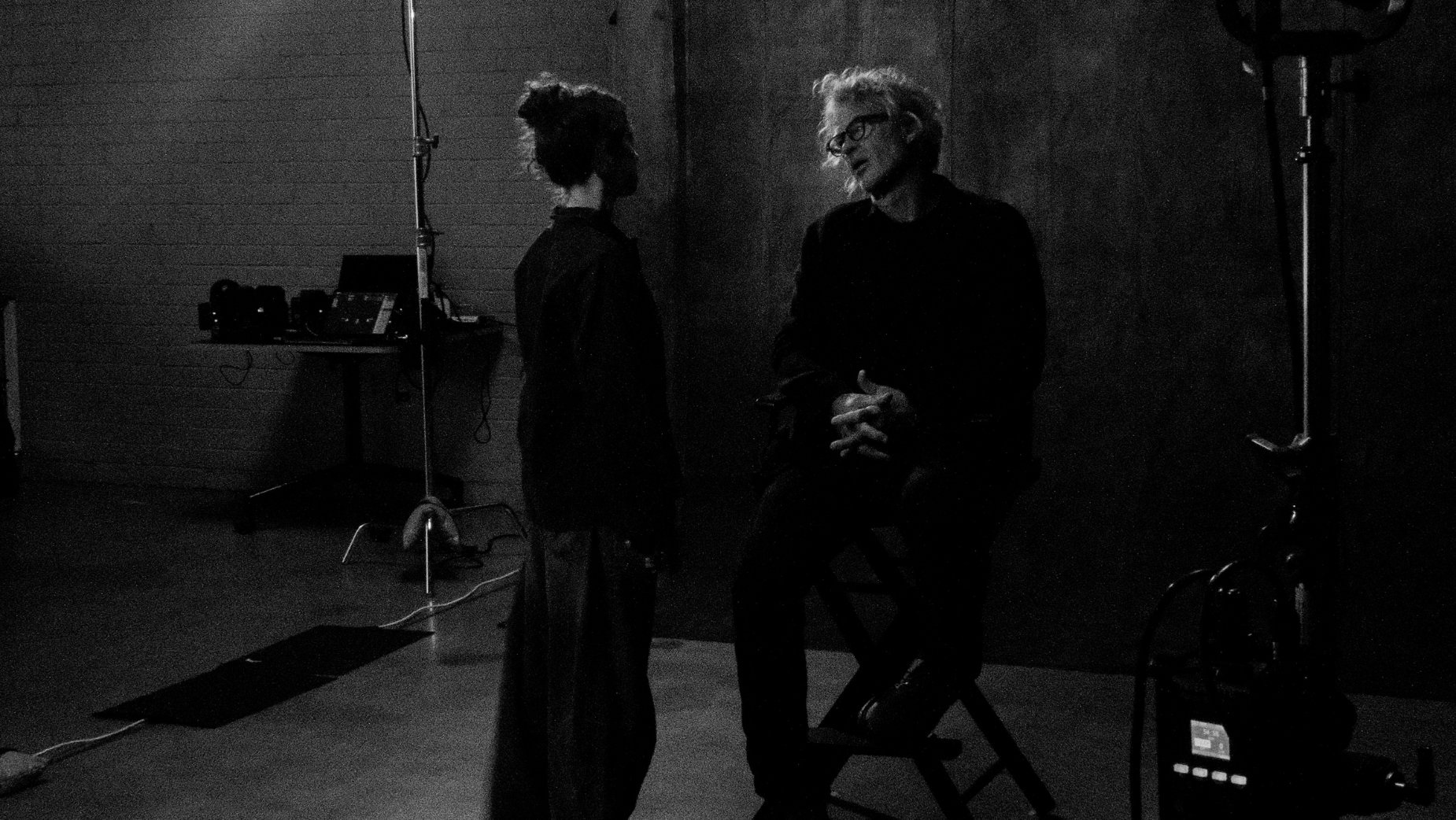
The call to action is made in a hero film featuring award-winning male directors – including Revolver’s Steve Rogers and Matt Devine, Cousin’s Ariel Martin, EXIT Films’ Stefan Hunt, and Good Oil’s Dave Wood -- reading the anonymised words of female directors interviewed by the project.
“I have been told a few times from different agency producers that they have felt sorry for me knowing that I am just there as a token female who was never going to win the job,” said one.
The spot’s director, Good Oil’s Madeleine Purdy, has worked on both sides of the brief, having spent time as a creative and director. She said it was important for the spot to be fronted by male directors.
“The male directors who lent their voices are the beneficiaries of the system as it stands,” she told LBB. “Their continued success and the calibre of their flow of work is necessarily at the expense of other voices, which our data tells us is primarily women.
“The men agreed to be a vessel for the words of the female directors not because they'd gain anything from it -- they only have work to 'lose' off the back of the success of other directors -- but because they see there is a problem and want to be a part of a solution.
“The women whose quotes they heard, learnt, and repeated are their colleagues and their friends.”
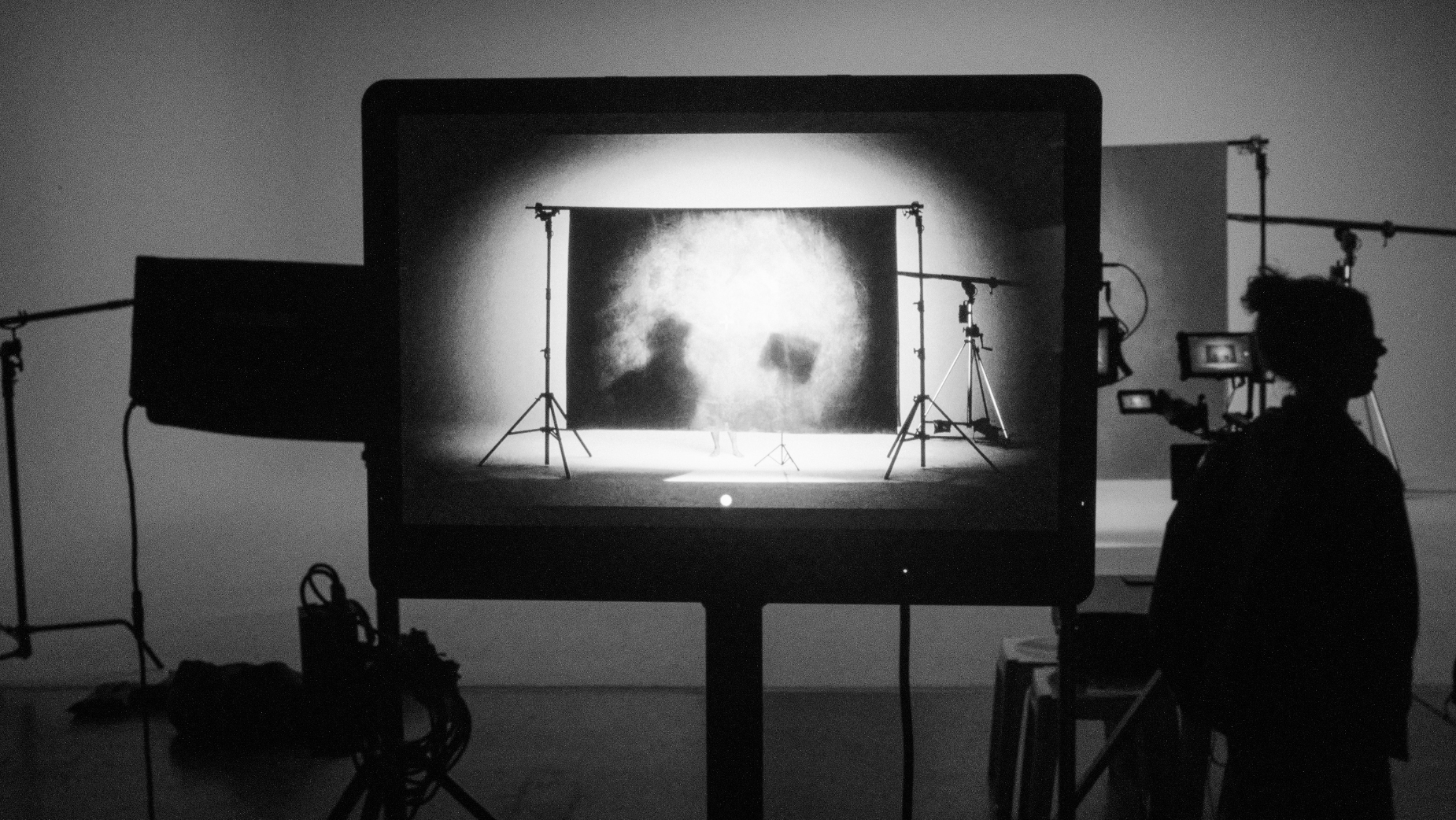
The initiative was developed in collaboration with ECDs, EPs, and prodcos across the Australian advertising industry, with all results to be tracked and made publicly available.
Usually, when an agency or brand needs a director, Madeleine explained, several are shortlisted to pitch their vision. Agencies ultimately choose a director it's comfortable with, usually based off of their reel.
But without the opportunity to work on more briefs, female directors don’t have the chance to develop their reels. Recently, Madeleine said, the situation for female directors seems to have stagnated.
“I don't think it's any secret the global political pendulum appears to have swung pretty far right,” she said.
“The data we worked hard to assess ended up backing up this anecdotal feeling.”
Howatson+Company creative director Charlotte Berry told LBB a perception exists that with more women on bids, progress has been made. “However,” she explained, “the data and interviews reveal the opposite.”
Analysis of 2,473 director credits revealed fewer than 15% of commercial work is directed by women, despite women accounting for 22% of directors on production company rosters and driving 85% of all purchasing decisions. Of the 30 “most-published” directors in Australia, only three are women.
“While there are several very notable female directors making work, female directors overall are making less work,” Charlotte added, “and it’s not from lack of skill.
“The time for campaigns focusing on the problem alone has passed. We need to invest in initiatives that offer practical solutions to bridge the gap. As global DE&I initiatives are dissolved and we are seeing a swing to the right in culture, these initiatives are more important than ever.”
Under ‘The Fair Treatment’, agencies select production companies to shortlist, as usual, with directors’ names only revealed after selection, borrowing from similar practices applied in organisations like the London Symphony Orchestra and Ernst & Young (for which blind selection has improved diversity outcomes). ‘The Fair Treatment’ aims to provide a model for other creative industries.

Howatson+Company creative director Tom Macphail led the effort to “back up” female directors’ anecdotal experiences, but soon found there was very little public information available.
While he stressed, “we’re creatives, not statisticians,” Tom told LBB, “To our knowledge, there is no public measure of gender representation among commercial directors in Australia.”
When reviewing the data, when gender couldn’t be established, or a credit was assigned to a collective or director duo, the credit was excluded from the final results. From 2019 to 2026, “14.8% of director credits went to women,” Tom said.
Charlotte, Tom’s Howatson+Company creative partner, said past initiatives like ‘Free the Bid’ have been impactful. That project launched in 2016 to guarantee women directors an equal opportunity to bid on commercial jobs, responding to data suggesting women comprised less than 7% of directors and less than 3% of creative directors.
“‘Fair Treatment’ follows this same strategy -- making a slight alteration to our pitching process by making the treatments blind when they are sent to the creatives for evaluation,” Charlotte said.
“While a lot of people want to do the right thing and drive change, there is a perception that bias doesn’t exist -- at least to a lesser extent. What’s motivated us for over 18 months are the very real experiences of female directors
“Until these experiences change, initiatives like ‘Fair Treatment’ must exist.”
Director Ariel Martin, who appears in the film, called the project incredibly important.
“I got involved in ‘Fair Treatment’ because it's not just talking about a problem -- it's a potential solution,” the Cousin co-founder said.
Revolver partner and executive producer Pip Smart added, “Anything that helps us as an industry take a look at ourselves is a great thing.
“There’s no doubt we have diversity issues, and this idea draws light on some of that in a startling way.”
Agencies, brands, and production companies can sign up, register support, or learn more at www.thefairtreatment.com and @the_fair_treatment.


