


Cinelab Film & Digital Leading Revival of 35mm Exhibition Prints’ Cinematic Glory


Shooting on film is only half the story. To get the full glory of the colour and detail that film affords, how that film is exhibited really, really matters. The premier way is, of course, likewise on film so as not to lose any of the visual texture of how the work was made. Achieving this requires two elements: the creation of film exhibition prints and cinemas’ ability to screen them. Both have been under threat for some time.
On the production side, digital became the go-to for cost-effectiveness while film exhibition in the UK suffered greatly in 2013 when the UK Film Council subsidised the cost of digital projector installations in cinemas via the Digital Screen Network. The investment equipped 240 screens in 212 cinemas across the UK with digital projection technology, leading to the decline of exhibition on film and, subsequently, the existence of film labs. It’s amid these difficult market conditions that Cinelab Film & Digital was born. Now, 12 years later, more filmmakers and audiences want to make and experience film in the original medium.
Cinelab is in a unique position to have seen and contributed to the revival of exhibitions on 35mm. It’s one of only a few facilities in the world with the capability and specialism to produce 35mm film prints for theatrical exhibition. In the last few years, the lab made exhibition prints for some of the most acclaimed features including ‘Nosferatu’, ‘Kinds Of Kindness’, ‘Civil War’, ‘The Zone of Interest’, ‘Aftersun’, ‘Asteroid City’, ‘Poor Things’, and ‘The Tragedy Of Macbeth’. Plus, it’s creating prints for the upcoming features ‘The Cut’ and ‘Bugonia’.
Adrian Bull, CEO at Cinelab Film & Digital, notes: “The resurgence of 35mm exhibition isn’t about nostalgia – it’s about quality, intention, and respect for the filmmaker’s craft. Seeing a film projected on film connects audiences to the creative process in a way no digital format can. It’s immensely rewarding for us at Cinelab to help keep that full-circle experience alive.”
Shot on Film, Screened on Film
Director Sean Ellis shot his latest feature ‘The Cut’ starring Orlando Bloom as a boxer ending his retirement to pursue a championship title while a newfound, dangerous obsession takes hold. The film was shot on a mix of 35mm and 16mm, which Cinelab scanned and processed, and also created an exhibition print for. For Sean, exhibiting films on film that were shot using the medium is “the ideal situation". In August, ‘The Cut’ was screened at the Curzon in Soho with Sean seeing his feature on film for the first time after multiple digital screenings. “I saw the movie in a whole different way,” he says. “There’s something about the frequency of 24fps, actual frames going through a projector – I don't know what it is, but it makes what you're seeing feel alive way more than digital.”
“There's always something magical about actually getting your rushes back,” says Sean, noting how “there's always an element that you didn't account for that I've never been disappointed by.” For Sean, film provides an additive quality to his work. “The way light is recorded [on film] it's a nice surprise, and it's better than I can imagine.” On ‘The Cut’, however, the surprise didn’t come in the form of visuals – it was “the quality of the sound, the actual film sounded amazing,” he adds. Of the visuals and the sound Sean says, “it just feels organic, and it feels like it has a bit of a life of its own. Like it wants to live in some respect. I think there's a coldness to the digital world. It never gets any life other than what it is.”
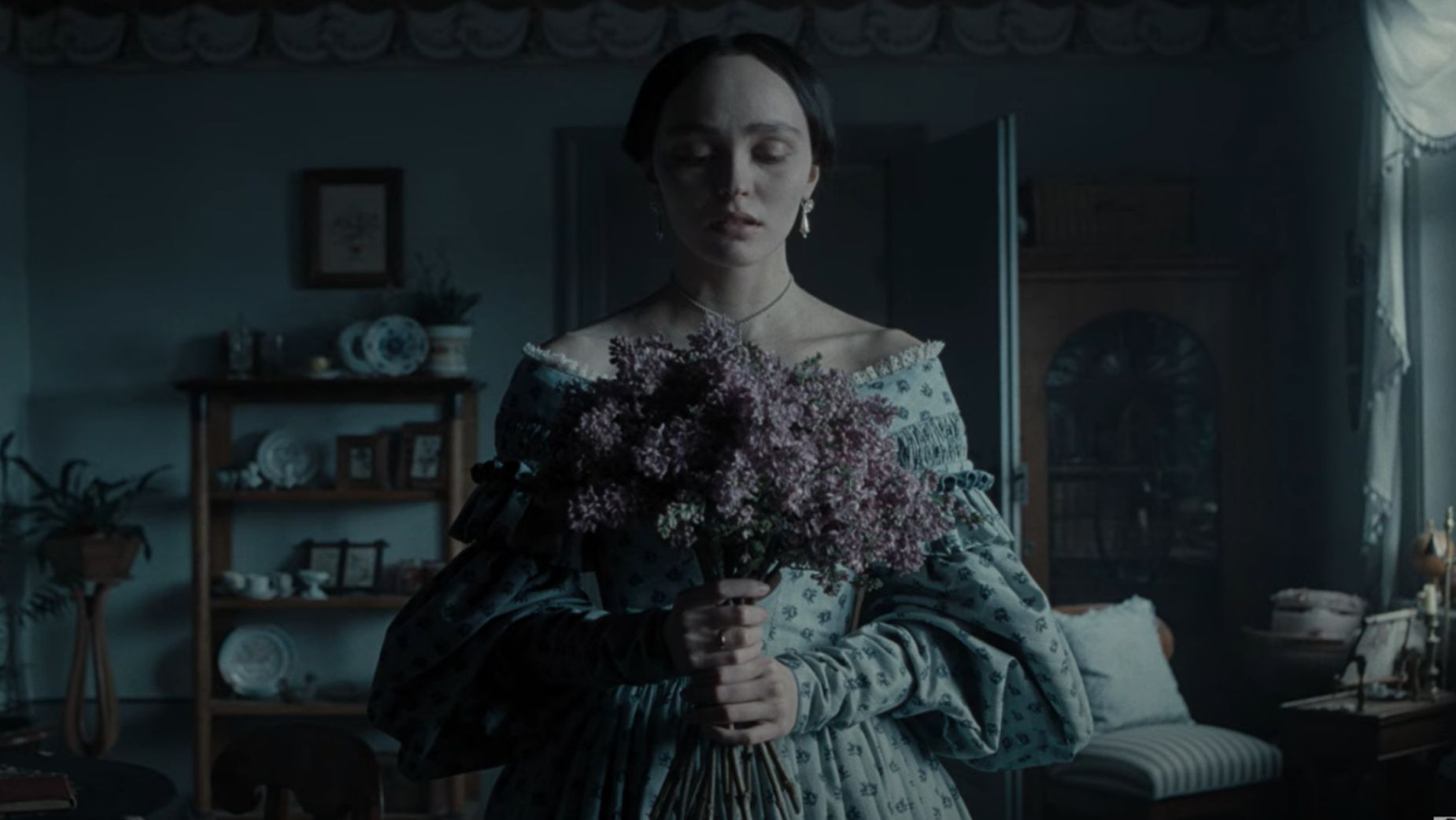
Above: still from 'Nosferatu'
Robert Eggers’ ‘Nosferatu’, released last year, owed a lot of its grainy, haunted, decaying aesthetic to the director’s deliberate choice to shoot on film. To fully experience the depth and breadth of his meticulously constructed horror-scape, Eggers encouraged audiences to seek out screenings exhibited on 35mm, telling audiences that this is his first feature to get the opportunity to be screened in that medium. There’s “a nostalgia, a warmth, and a beauty to experiencing it in 35mm that is very special and is maybe my favourite way of experiencing the movie,” he said in an interview.
Edinburgh’s the Filmhouse, one of the UK’s most storied independent cinemas reopened earlier this year – after a three-year closure – partly due to audience's resurgent appetite to see films on film. In London, The Prince Charles Cinema has long been committed to exhibiting films on 35mm and 70mm prints and is a favourite among filmmakers and cinephiles alike, including the director Paul Thomas Anderson who said that the cinema “has a place in my heart”.
Director Quentin Tarantino’s dedication to film goes far beyond using it on his own productions. The owner of two cinemas in Los Angeles – New Beverly Cinema and Vista Theatre – Tarantino only screens film prints, even for features shot digitally. Cinelab created 35mm exhibition prints for ‘The Zone of Interest’ and ‘Civil War’, which were both made to digitally specifically capture a clinical look, so that they could be screened at his cinemas in his preferred medium.
Cinelab is particularly proud to support the growing revival of film projection and aiding filmmakers and exhibitors who believe that cinema on film offers an unmatched viewing experience. With work spanning Hollywood titles to arthouse restorations, Cinelab is continuing its founding mission of supporting filmmakers, distributors, and festivals as part of a wider movement to keep real film in cinemas.


