


New York Times, Spotify, Channel 4 Prioritise Real World to Reward Fans


Advertisers flocked to support a Knicks collector’s edition of ‘The New York Times’ -- proving brands want to be associated with tangible products, and reward fans during big cultural moments.
Tusar Barik, senior vice president of marketing at New York Times Advertising, told LBB on the first day of its Cannes 2026 programming the special print edition was conceived well before the city’s NBA team won the finals series for the first time in 53 years.
“I kid you not, in less than a day, it sold out,” he said. “We didn't do a digital version of it; it was just a print version.
“We were going to do the issue no matter what, but just the high demand that came from the advertising side was pretty amazing.”
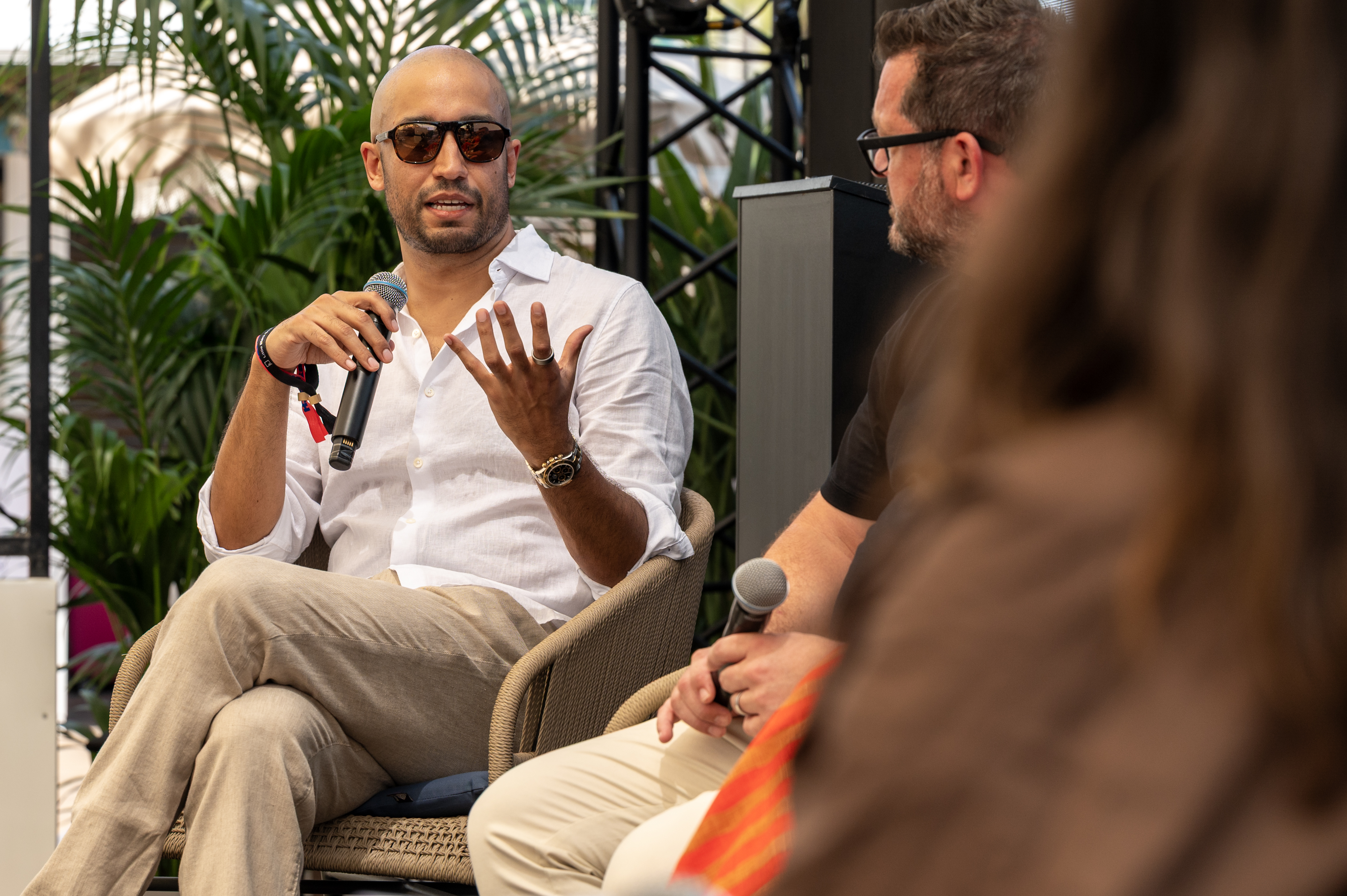
While print is in decline across the world , the recent trend towards ‘analogue’ activities and offline moments has benefitted the storied newspaper, along with the likes of out-of-home companies. JCDecaux’s UK chief commercial officer, Mark Bucknell, has observed “this real sense that people want to engage with real things, the real world.”
Yet, while the channel is growing, he used the panel to issue a call to action to UK marketers in particular: spend more on out-of-home. The medium commands just 4% of ad spend in the market, he said, but deserves 8 to 10%.
“I'd like agencies and brands to stop spending 80% of their budget online, and most of that with Meta and Google. That's what I would like. 80% of all advertising revenue in the UK is online social. Out-of-home is a 4% advertising channel.”
He continued, “Half of all the money that we generate goes back into local authorities, local communities. We put defibrillators on street furniture to save people's lives, and we are 100% verified. Now, our friends at Meta or Google, they don't do any of that.
“I think, genuinely, we should have 10% of the budget. And when you talk to people, they go, 'Oh, I love out of home. It's my favourite,' Okay, well, spend some more money on it.”
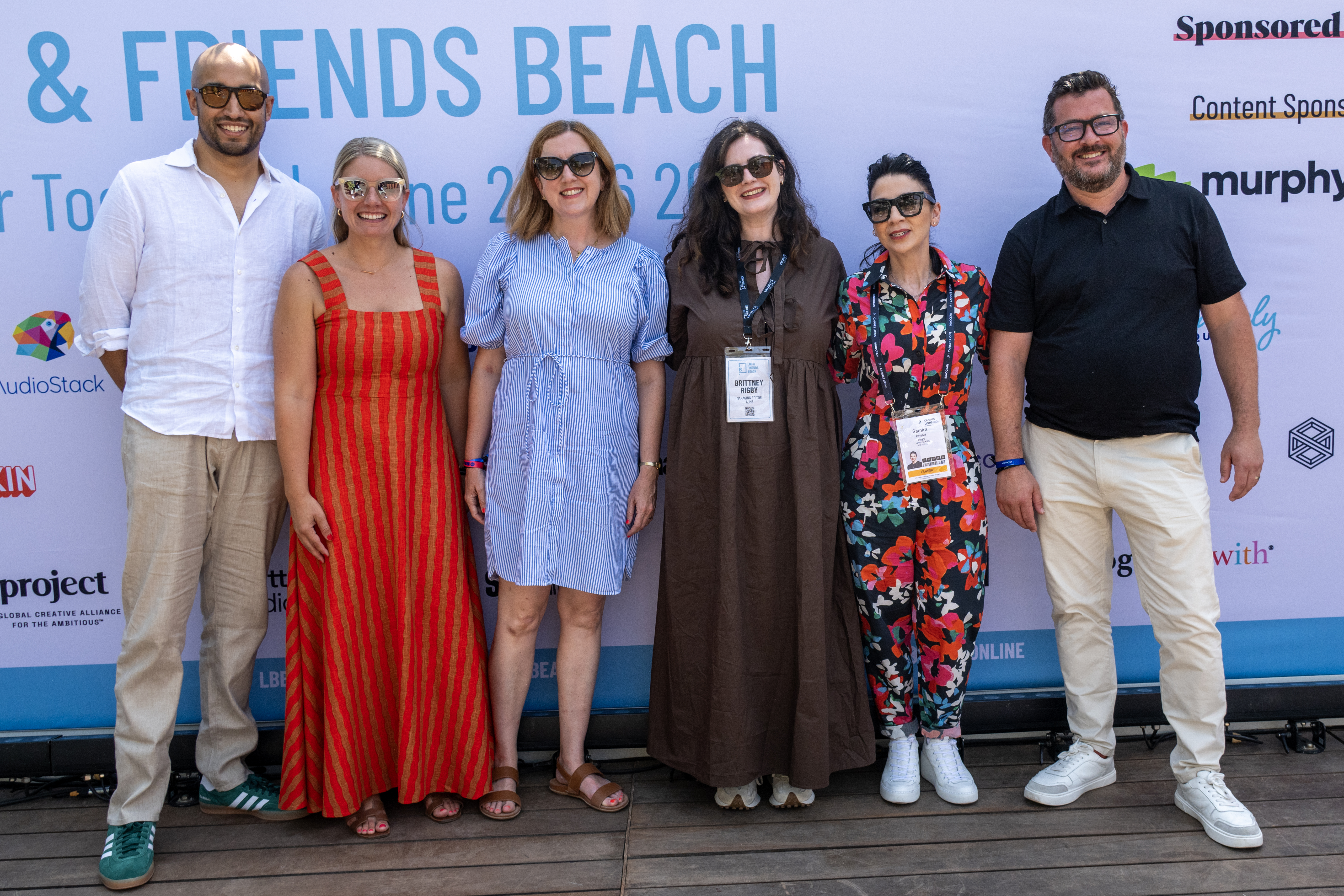
Samira Ansari, chief creative officer at Grey US, said she is “obsessed” with data and “love[s]” OOH, yet doesn’t feel she has enough visibility on its effectiveness and measurement. “The more I can understand how I can connect with my audience, then the more I'll use it.”
Media owners must fight harder to prove their value, Tusar argued, and “understand the increasing pressure that the brand is facing, the marketer is facing, to be able to prove outcomes. The agency is under increasing pressure to figure out how to operate at a scale with tight margins.”
Channel 4’s Jennifer Carey, director of media and effectiveness, added, “TV needs to become more outcome focused.” The UK public broadcaster is working with its peers to drive that agenda, while JCDecaux’s biggest spend each year is investing in effectiveness data to convince brands they should pay a premium for premium media.
Mark said mediums like OOH, TV, print, and radio are so powerful because “you can’t tell lies in public.” Ahead of the UK’s social media ban for under-16s, he noted TikTok and YouTube ran OOH campaigns to position their platforms as trustworthy.
“Where do these brands go when they've got to drive trust, when they know they have to? They go to outdoor; they go to Channel 4.”
Jennifer added Channel 4 advertisers are not only benefiting from the broadcaster’s trusted image, but also from its reach and cultural influence. “We're driving conversation, creating talkable moments,” she said. “For the brands showing up in that environment, that gives them that net benefit of being part of that conversation as well.”
Spotify, meanwhile, is connecting brands to fandoms across music, podcasts, and books. Kellie Espina, head of creative strategy across the Americas, referenced ‘The Summer I Turned Pretty’ phenomenon. The show’s success drove listeners to the official playlist, sparked podcast content, and drove an 800% surge in the audiobook’s listenership.
“Just think about that time; think about how we are creating a space for that community,” she said.
“We're working really collaboratively with the brands to make sure that we are integrating their messages and aligning these fandoms and these followers with all the creators that they're spending time with.
“We think of it as a whole multi-format experience, and I want to make sure that when we're working with brands, they're taking advantage of the whole ecosystem.”
To build its own brand, Spotify has leaned on OOH; Kellie shared an example of using a billboard to display a QR code to a road trip playlist. Mark said to Kellie, “There's a real opportunity for audio and out-of-home to collaborate, come together, [and] be a more powerful engine.”
Channel 4 also invests in the medium -- its outdoor installation calling attention to Britain’s sewage crisis, ‘The Fountain of Filth’, won a Bronze Lion on the first day of the festival.
Ultimately, engaging fans requires driving cultural conversation. Tusar noted the intense debate surrounding the Times’ recent ‘30 Greatest Living American Songwriters’ list. ‘The Athletic’, part of The New York Times’ portfolio, has worked with Google on an editorial series spotlighting fans in all 48 nations competing in the World Cup.
And while news will always remain the “sun” of the Times’ “solar system”, verticals like games are booming -- 2,000 people every minute share their Wordle result via screenshots.
All four media execs agreed tightening the gap between media owners and creative agencies is key. Samira said media and creative have tightened in recent years, while Mark added, “Without a shadow of a doubt, the best creative work happens when the collaboration is between the creative agency and the media owner.”
-
Read more of our coverage from the LBB Beach at Cannes 2026 right here.


