


Mastercard, Mars, Marriott CMOs Want Long Agency Relationships But Need Model to Evolve


A top Mastercard marketer believes the copywriter-art director model -- the structural foundation of creative departments -- must evolve to ensure clients don’t feel the need to expand their agency roster.
Asked how he feels about the changing shape of agencies, and whether they are doing enough to keep up, Rustom Dastoor, EVP of marketing and communications across the Americas said, “There are areas where they've been very quick to adapt, areas where they've seized the moment and we're very impressed with what they're doing, but I think there is still work to be done in the agency model in general.
“The copy-art model now needs to evolve to add more legs to it and more depth to it, integrating data, integrating user experience, integrating AI, intelligence systems. That's where agencies can become even more meaningful partners to brands and not open a space where we have to work with someone else to bring that thinking into our environment.”
However, Behnaz Ghahramani, president of marketing at Marriott, noted the agency model is often a response to their clients’ business models. She challenged brands to prioritise “moments of self-reflection and self-criticism -- are we doing things the way that we should or are we just doing them because that's how we've always done them?
“If we're not pushing ourselves to think differently about how we are organised, they're not going to be able to adjust on their side either.”
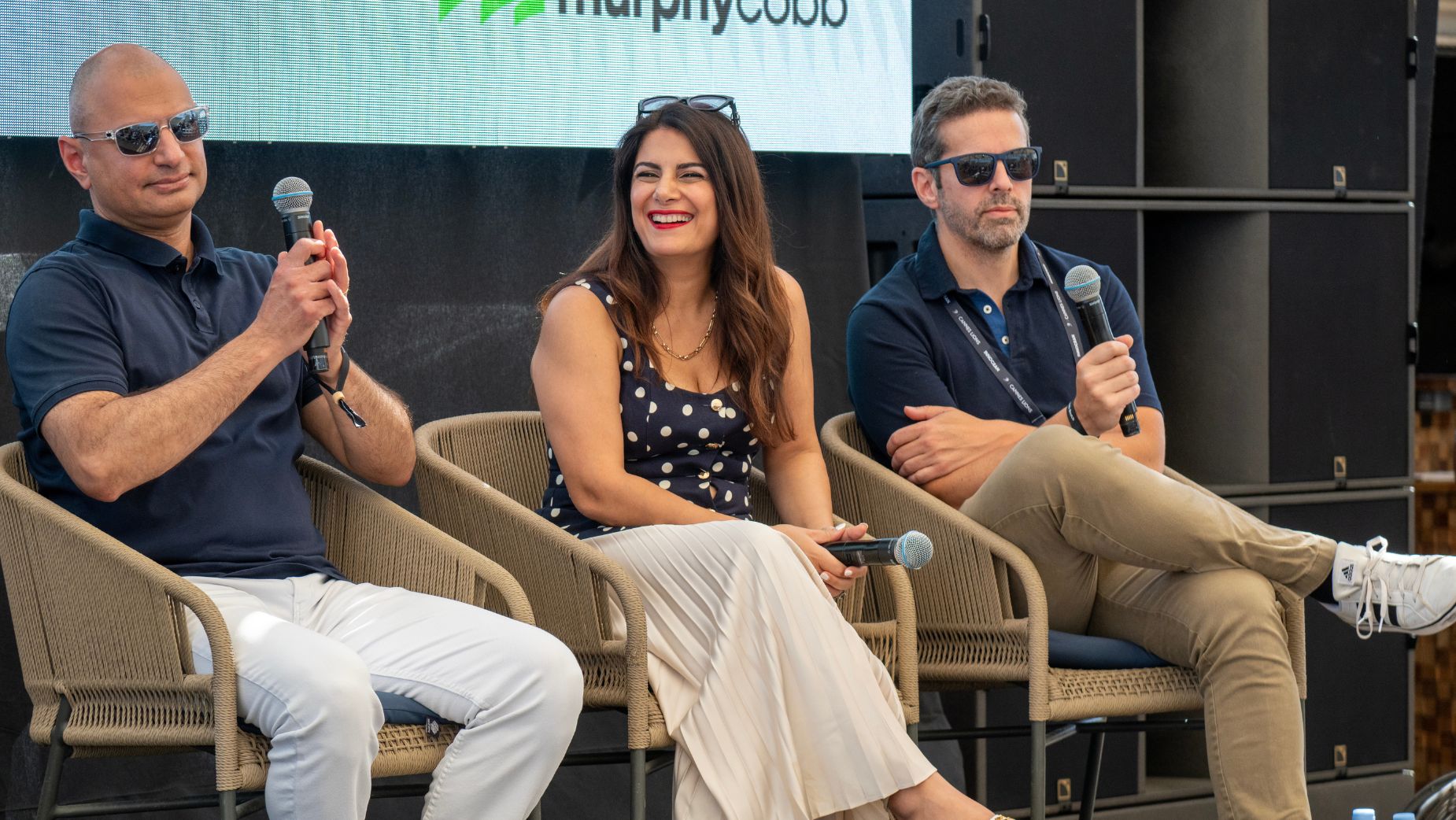
The pair of marketers were joined by Chris Rodi, global vice president of marketing across the Pedigree brand and dog portfolio at Mars Pet Nutrition, for the first session of LBB Beach’s 2026 Cannes programming, moderated by LBB CEO Matt Cooper.
Each of the three world-leading CMOs boasts lengthy relationships with their creative agency partners. Mastercard has worked with McCann Worldgroup for 30 years, BBDO has been on the Mars roster since 1995 (the brand consolidated the account with the agency 15 years ago), and Behnaz noted Marriott has a 20-year media partnership with Publicis, and has grown its creative partnership with the holdco across the course of a decade.
“Clearly, if you've got a three-decade partnership with another entity, there's something very strong there,” Rustom said of the McCann relationship. He said shared values -- “honesty, transparency, forthrightness” -- act as a “big source of comfort” and the foundation of the partnership.
“We are partners in the sense that we ride out difficult times. It's not that there haven't been difficult times in the 30 years that we've been together.
“But we found ways to ride the good and the bad times together. That is incredibly important.”
He also observed lengthy agency tenures offer particular value as marketer tenures shorten. A CMO is the “caretaker of a very valuable brand” for a “finite period of time,” he said.
“So having an agency who can share that responsibility of carrying that legacy and knowing enough about the brand that they can be the cultural carrier and they can be the creative carrier from one brand manager to the next is incredibly important.”
Mars' Chris agreed. “I like the expression that trust is the residue of promises kept. And our agencies keep delivering fantastic work that makes us want to build with them and have that partnership for decades.”
Mastercard has a mandate to “grow double-digit net revenue every quarter,” Rustom revealed. That means it’s not enough to rely on proving return on investment (ROI) to convince a chief financial officer to prioritise the marketing budget above others.
"The job of a CFO is to allocate capital where it is most efficiently returned. This is a reality and by virtue of that, we as marketers are in competition with others within the company who deserve investment. So if you're going to ask for a dollar to fund marketing, you're in competition with the HR organisation that wants to hire more people, or the real estate team that wants to expand your real estate, or the product team that wants to drive new innovation.
“It is not enough to just engender trust with the CFO. You have to demonstrate competitiveness internally for where that dollar goes. So whether that is through ROI, and in many cases, ROI is not the right metric for organisations like ours.
“How you do that is part art, part science, but it is not to be taken for granted.”
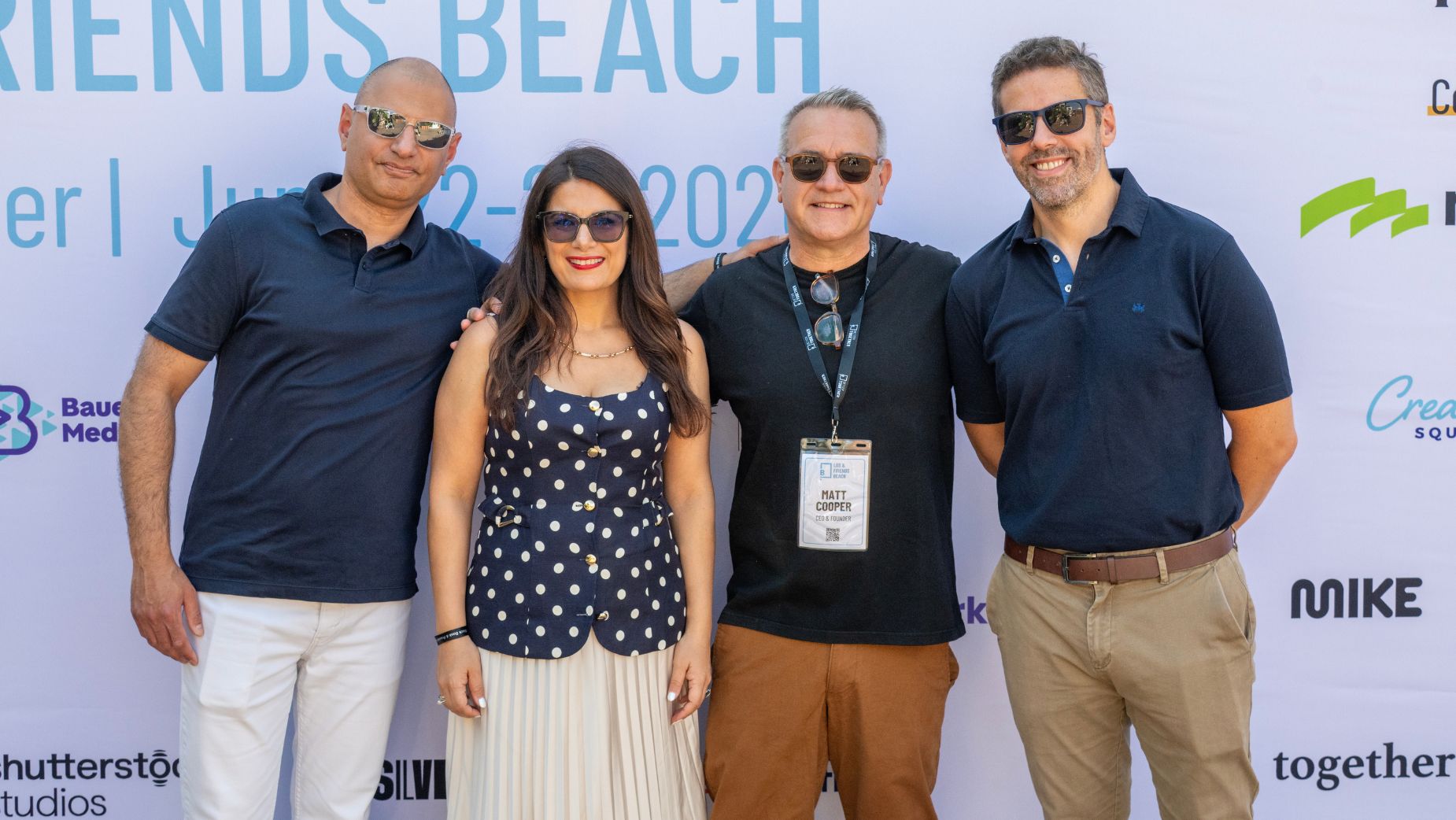
Chris added inspiring the C-suite also requires building an emotional connection -- “it’s a bit like talking to consumers, it’s a bit of head and heart.”
“We can show our CFO the MMM modelling, we can talk to them about growth audiences, we can demonstrate ROI and all those tools," he said. "But nothing quite gets them as showing them the latest campaign because ultimately we're all humans.
“If they think we've got a strong platform and we're moving them emotionally, not just rationally, we get backing.”


