


Beyond the Final Whistle: The Creative Legacy of Vancouver's 2026 World Cup


On July 7th, the final whistle was blown at BC Place, concluding Vancouver’s tenure as a FIFA World Cup 2026 host city. Topping the list of the best World Cup cities before the tournament even began, locals and visitors alike had high expectations for the event. Known for its striking vistas, idyllic beaches and diverse natural beauty, the picturesque downtown core was on full display during the global broadcasting of 13 games. From ‘The Beautiful Dome’ to the city backdrop on broadcasts, football fans got a true taste of what the West Coast metropolis has to offer.
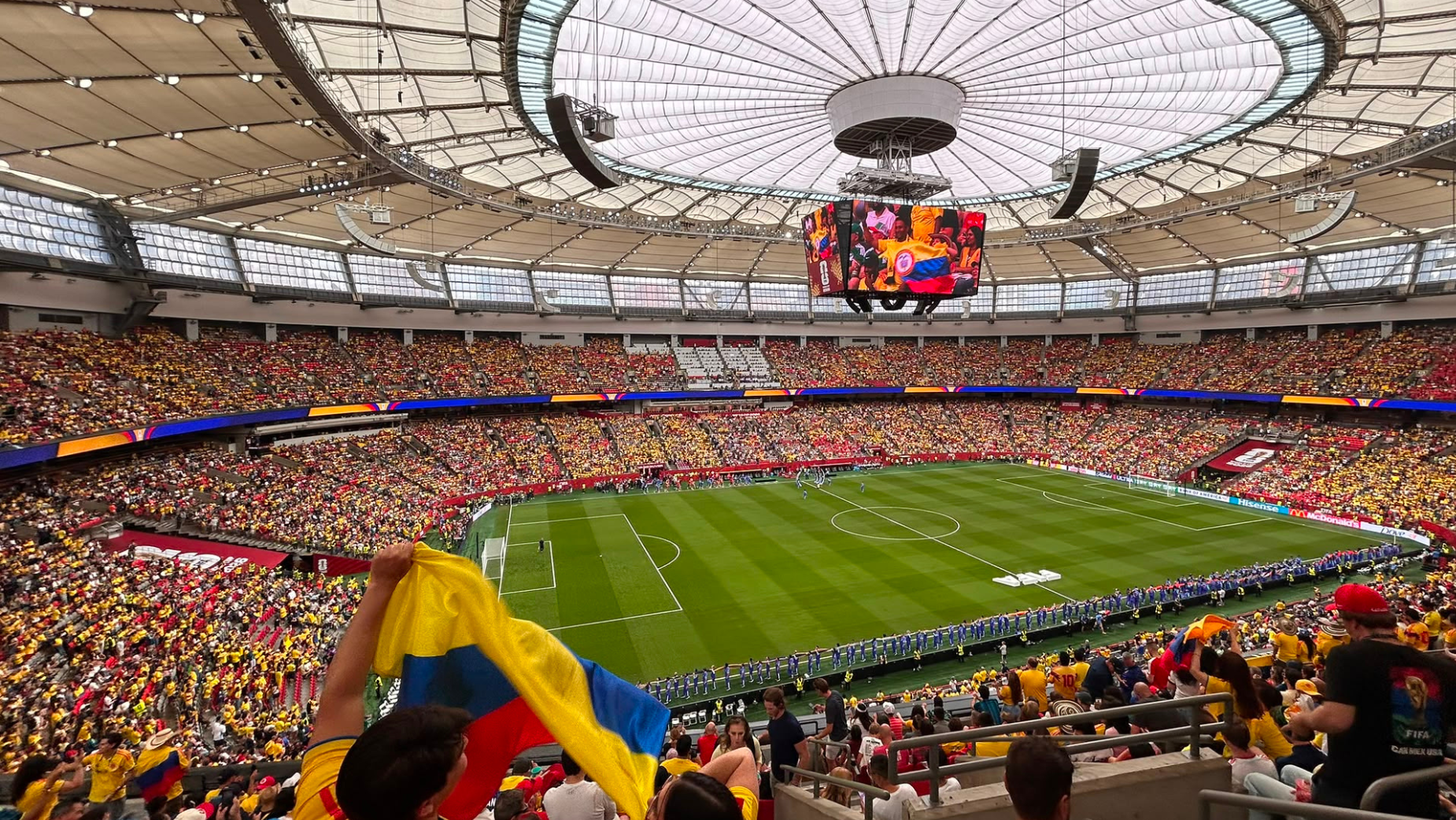
As the World Cup nears its end, the effects of Canada’s role as co-hosts have proven to be transformative. According to The New York Times, it has bolstered the entire country’s reputation as a bonafide football nation, as opposed to a mere co-host. “The tournament was omnipresent in both Toronto and Vancouver in a way it was not in every American host city,” wrote journalist Joshua Kloke. “Every matchday in Canada brought the same energy beforehand. Fans gathered by the thousands and marched through the streets. Fan festivals were routinely packed. Colombia and Portugal fans showed up en masse outside their team’s hotel in Vancouver and Toronto, respectively.”
Leading the charge for BC pride and guiding the city's tourism and global marketing efforts was Destination Vancouver. Keen to look back on the last four weeks, LBB’s April summers sits down with Stefan Hawes, the brand’s VP of marketing. Here, they reflect on the amazing unity and collective joy displayed city-wide, and discuss the hopes that the sporting event marks the beginning of something longer lasting for Vancouver.
LBB> Before the tournament, Vancouver was ranked the number one host city. What do you think ultimately set the city apart? Were there moments or reactions that confirmed the city exceeded expectations?
Stefan> From very early in the process, we set out to maximise the impact of hosting seven games here in Vancouver. And now that we are in a position to reflect, I think we achieved the goal we set out with.
All of the stadiums that hosted FIFA World Cup games did a fantastic job. For me, making a truly great fan experience requires the host city to embrace the task at hand with joy, and that’s something you could see throughout Vancouver. Wherever fans went, they felt a close connection to the game. There was a direct throughline and integration between visiting the city and the overall game-day experience.
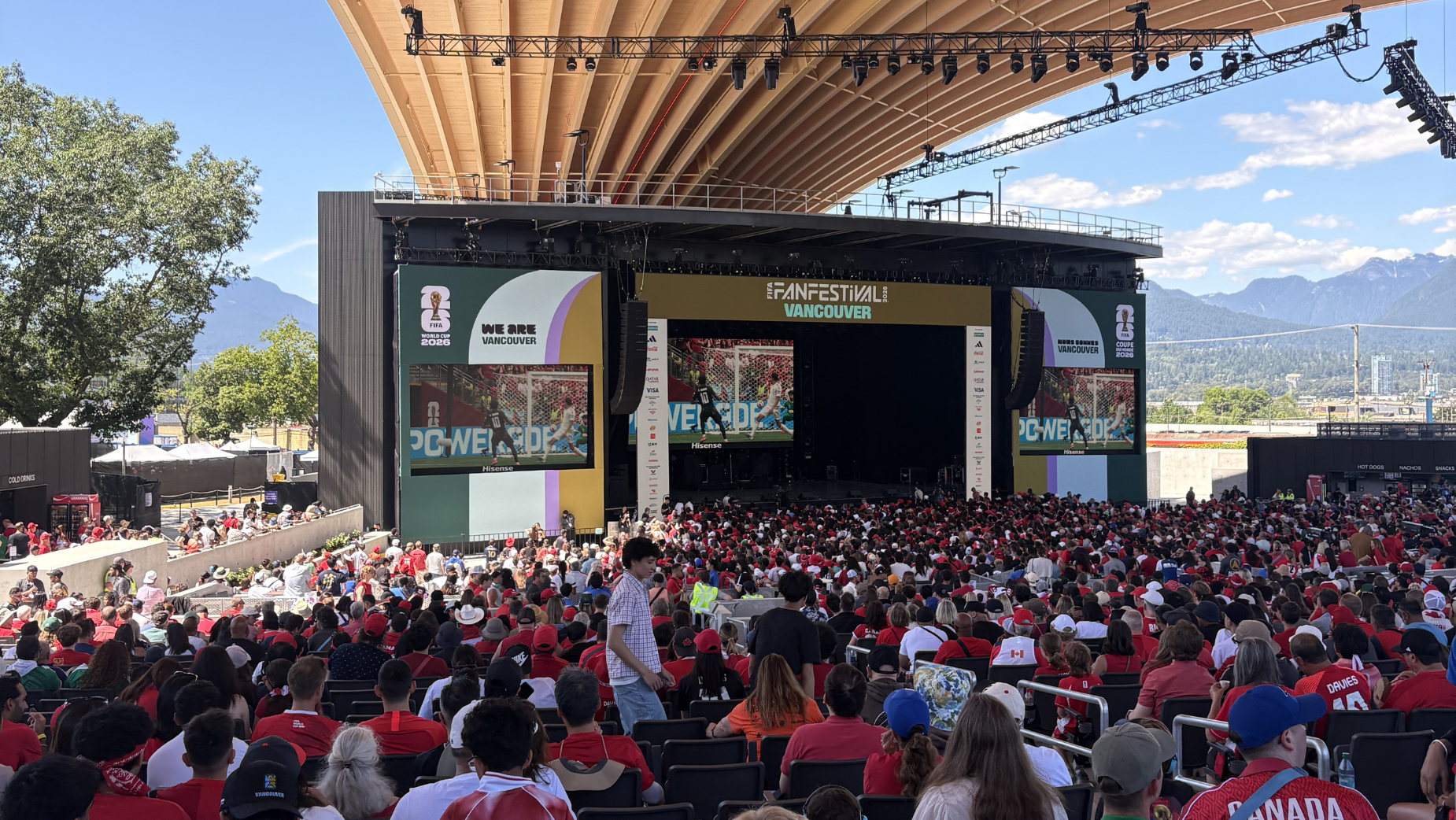
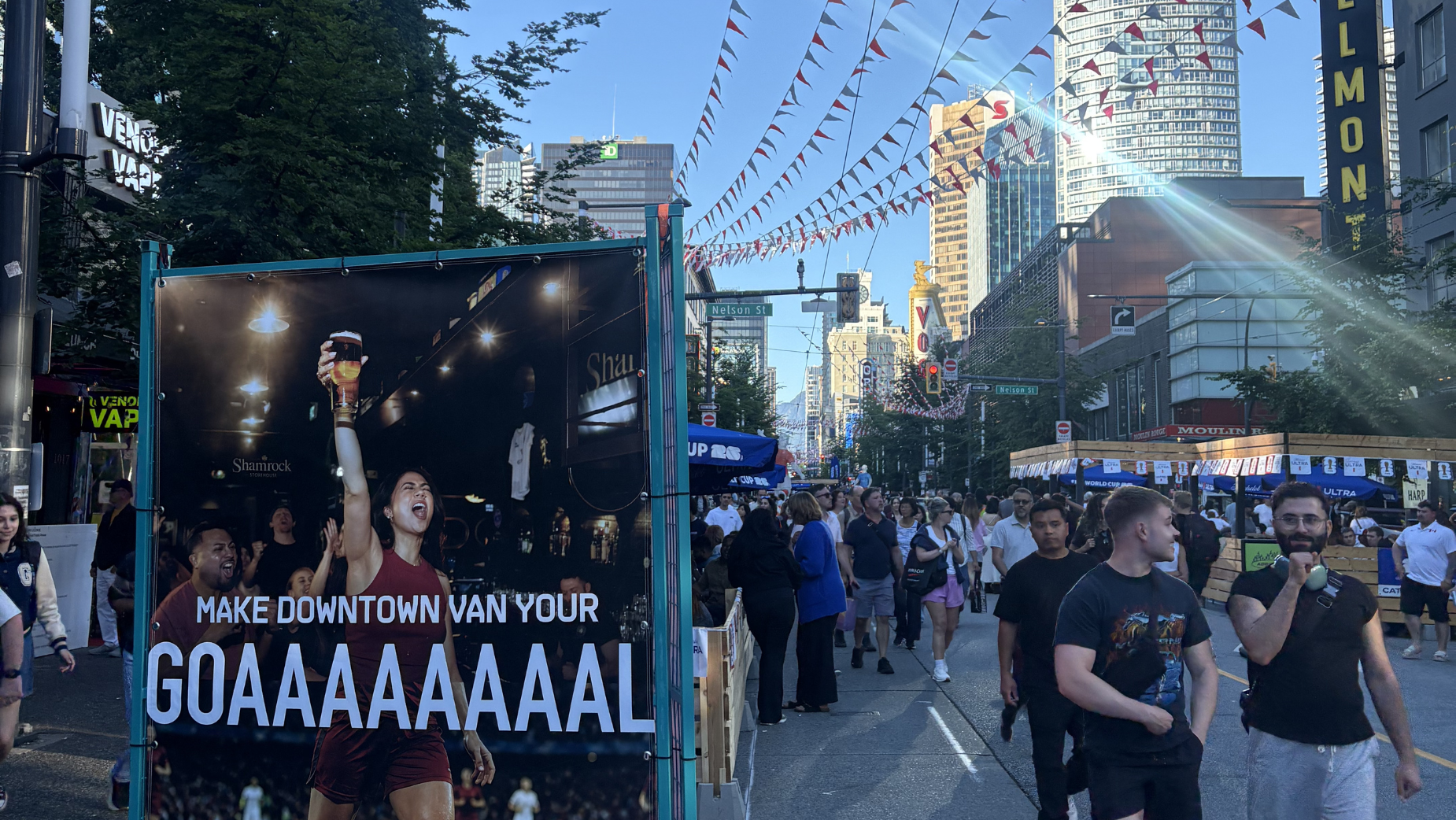
Whether it was your team’s colourful marches through the streets of the city to BC Place, or the post-game celebrations (win or lose) on Granville Street, the city really came alive and enabled a wonderful experience. And, even if your team wasn’t playing, the FIFA Fan Festival at the PNE, Canada House at the North Vancouver Shipyards – or any of the dozens of activations around town – made for an incredible experience.
LBB> Beyond visitor numbers, what are the lasting impressions you hope international fans, teams and broadcasters are taking away from Vancouver? Have there been any standout stories or feedback that really captured that?
Stefan> Vancouver has shown once more that we are the perfect host city for major events. You just have to look at our track record – we were the setting for the final three nights of The Eras Tour, we’ve hosted the Men’s and Women’s World Cups, the Olympic Winter and Paralympic Winter Games, and a World Expo.
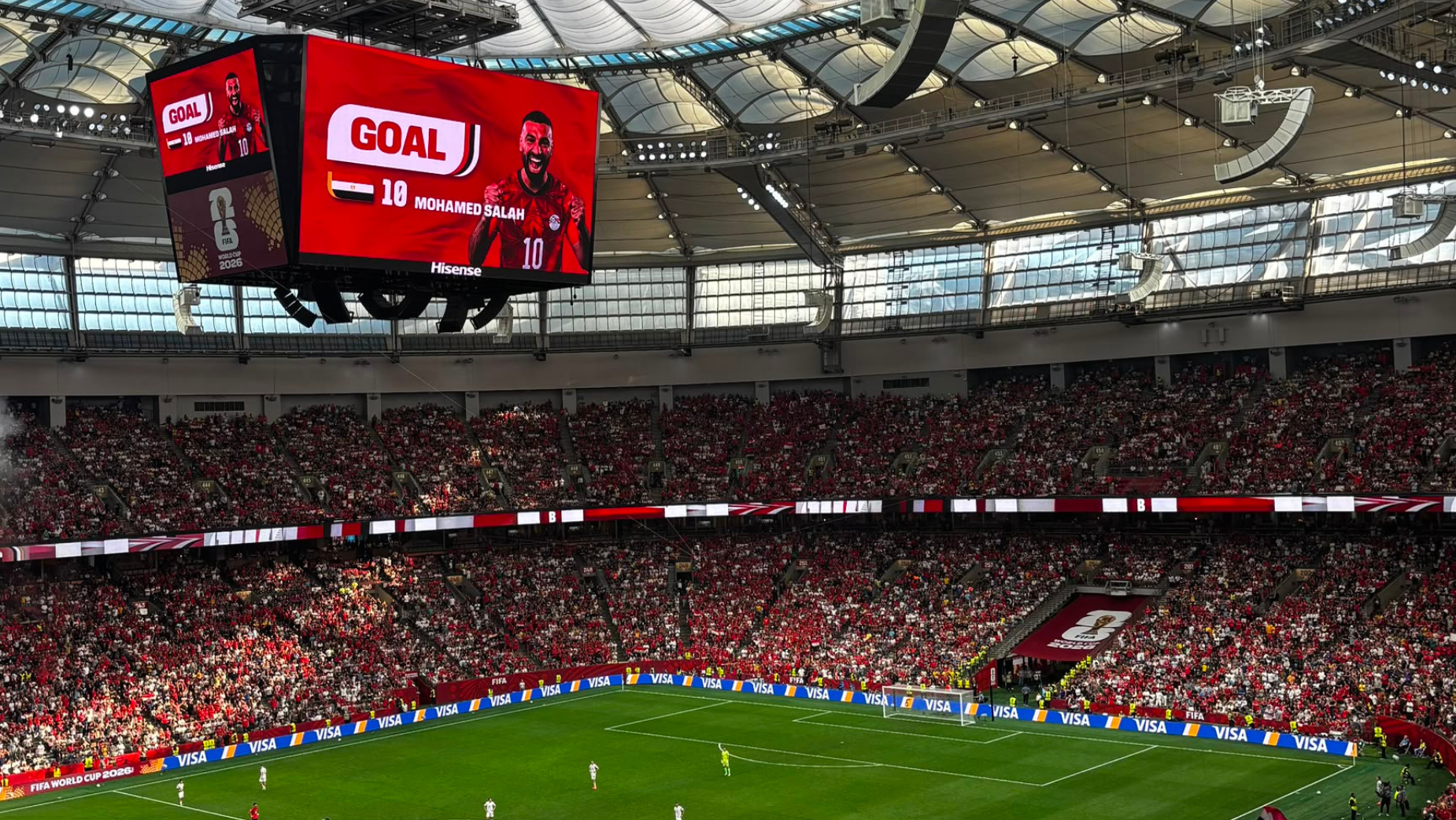
When Australian fans look back on this World Cup, they’ll always remember that opening game at BC Place where they upset the heavily favoured Turkish team. When Egypt reflects on their first-ever World Cup win, Vancouver will always be part of that story. One moment that really stands out was seeing Egyptian legend Mohamed Salah dancing on the streets of Vancouver following that famous victory. He also spoke about how he could see himself living here one day. Exposure like that for Vancouver is impossible to put a price on.
LBB> Is Destination Vancouver planning any World Cup related initiatives to commemorate this epic event?
Stefan> One of our major World Cup projects is still in progress. It’s something we refer to as ‘Hammock Goals’, and it ties into our broader ‘Recouver in Vancouver’ campaign. It’s based on the premise that the World Cup can be a stressful time for players and fans. After all, 48 teams started the tournament, and 47 will go home defeated. There’s no better place to recover from that stress than Vancouver.
As part of this initiative, we’re taking football goal nets – including ones used during actual World Cup games at BC Place – and turning them into hammocks, which we’re erecting in key locations across the city. There’s one at the FIFA Fan Festival, the Granville Island Watch Party, and we’re working to get them up in iconic locations like Kitsilano Grouse Mountain, Cypress Mountain, Kits Pool and the Second Beach Pool. It’s the football version of turning swords into ploughshares, and it fits perfectly into this city.
Once the final whistle blows on the tournament, it’s our goal to share the hammocks with the football federations of some of the amazing countries that played here in Vancouver. It’s part of our effort to keep the World Cup vibes going long after the tournament concludes.
LBB> One of the defining themes of the World Cup in Vancouver was how seamlessly the city itself became part of the spectacle. Was that visibility part of a deliberate strategy? How important was it to showcase Vancouver beyond football?
Stefan> A deliberate strategy? No. We are just lucky to be a beautiful city in a beautiful place, and the World Cup just gave us a stage to show it off to the world.
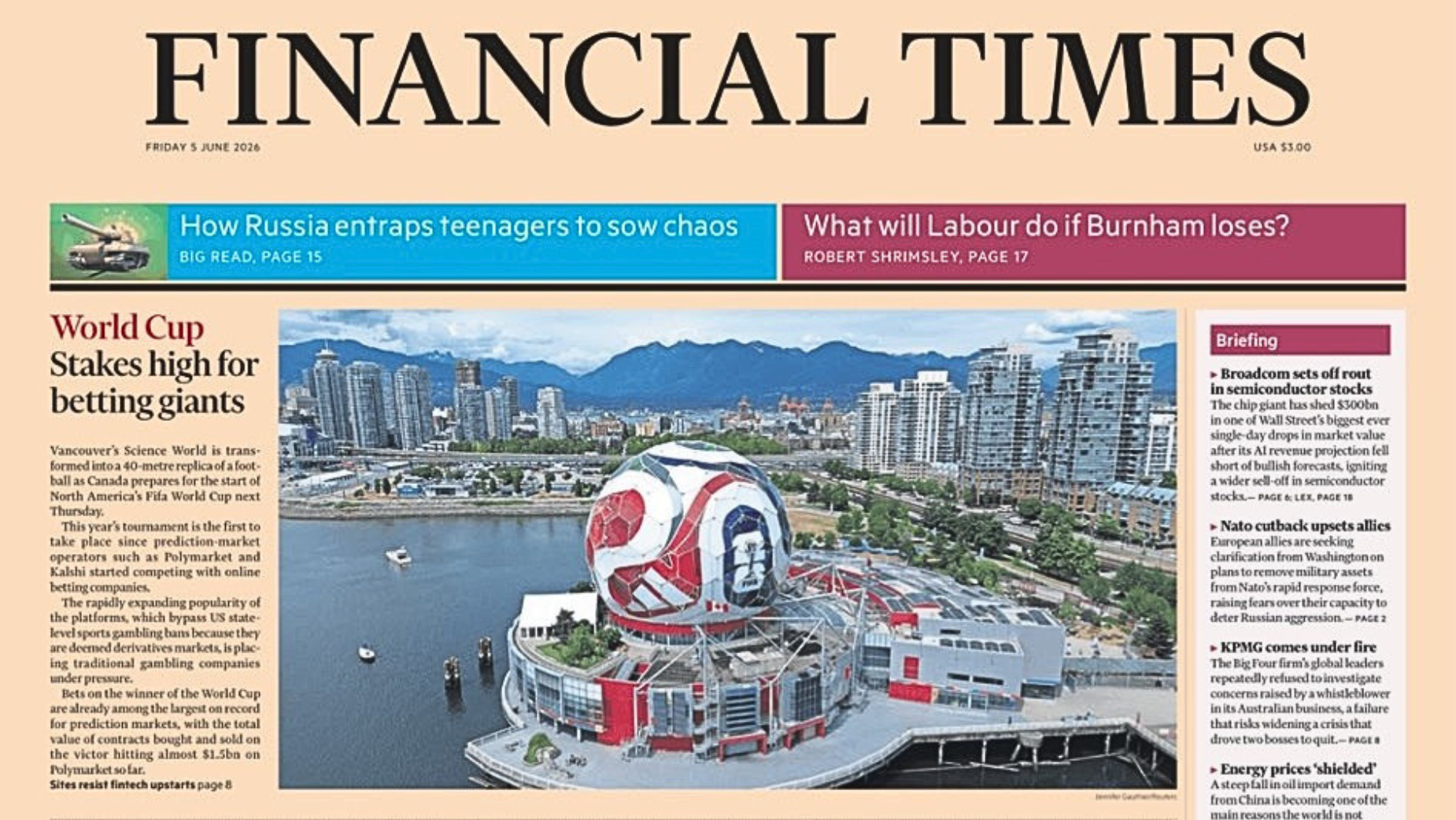
We realised two key things early on. The location of Science World, just across False Creek from BC Place, with the North Shore Mountains in the background, was an incredible opportunity. The fact it was a giant geodesic dome, that could be converted into a massive soccer ball, came up time and time again in brainstorming sessions around World Cup activations. We all firmly believed it could be one of the iconic images of the World Cup, but turning that idea into reality required a lot of work.
It was only due to the enthusiasm and support of the team of Science World, the drive and encouragement of Destination Vancouver’s CEO, Royce Chwin, and the DVan board, and the support of the Vancouver World Cup Host Committee, the Province of BC, and the Vancouver Hotel Destination Association, that it was able to happen. And we were blown away by the reaction. ‘The Beautiful Dome’ was picked up by more than 100 media outlets worldwide. FIFA featured it prominently on its social channels. We set out to create something iconic, and we are thrilled with the result.
Looking beyond ‘The Beautiful Dome’, billions of people had our city beamed into their living room across those seven magical match days, and Vancouver looked its very best. Something I found particularly enjoyable was the reaction to the TSN broadcasts from Jack Poole Plaza on our downtown waterfront. Their open-air studio had the north shore mountains and ocean as its backdrop, looking so spectacular that some people were speculating it was AI generated. It wasn’t – that’s something we’re lucky enough to see every day, and it was amazing seeing people react to it with wonder in real time.
LBB> Several players, coaches and international journalists commented on Vancouver’s atmosphere, walkability and stadium experience, while others noted how the city embraced supporters throughout the tournament. Looking back, what do you think Vancouver got right from a host-city perspective?
Stefan> Vancouver has everything you need to host major events like the World Cup – all within our downtown core. And that downtown core is a wonderful mix of business and residential, so it doesn’t empty out in the evenings and weekends. This created a unique opportunity for residents to blend with visitors, teams and officials. It wasn’t uncommon during the tournament to see players downtown.
We even heard about many of the players' families joining them here in Vancouver. New Zealand defender Tim Payne brought his family along to the Vancouver Aquarium between games, and I really enjoyed seeing photos of Switzerland’s coach, Murat Yakin, enjoying a night at The Roxy, an iconic local nightspot.
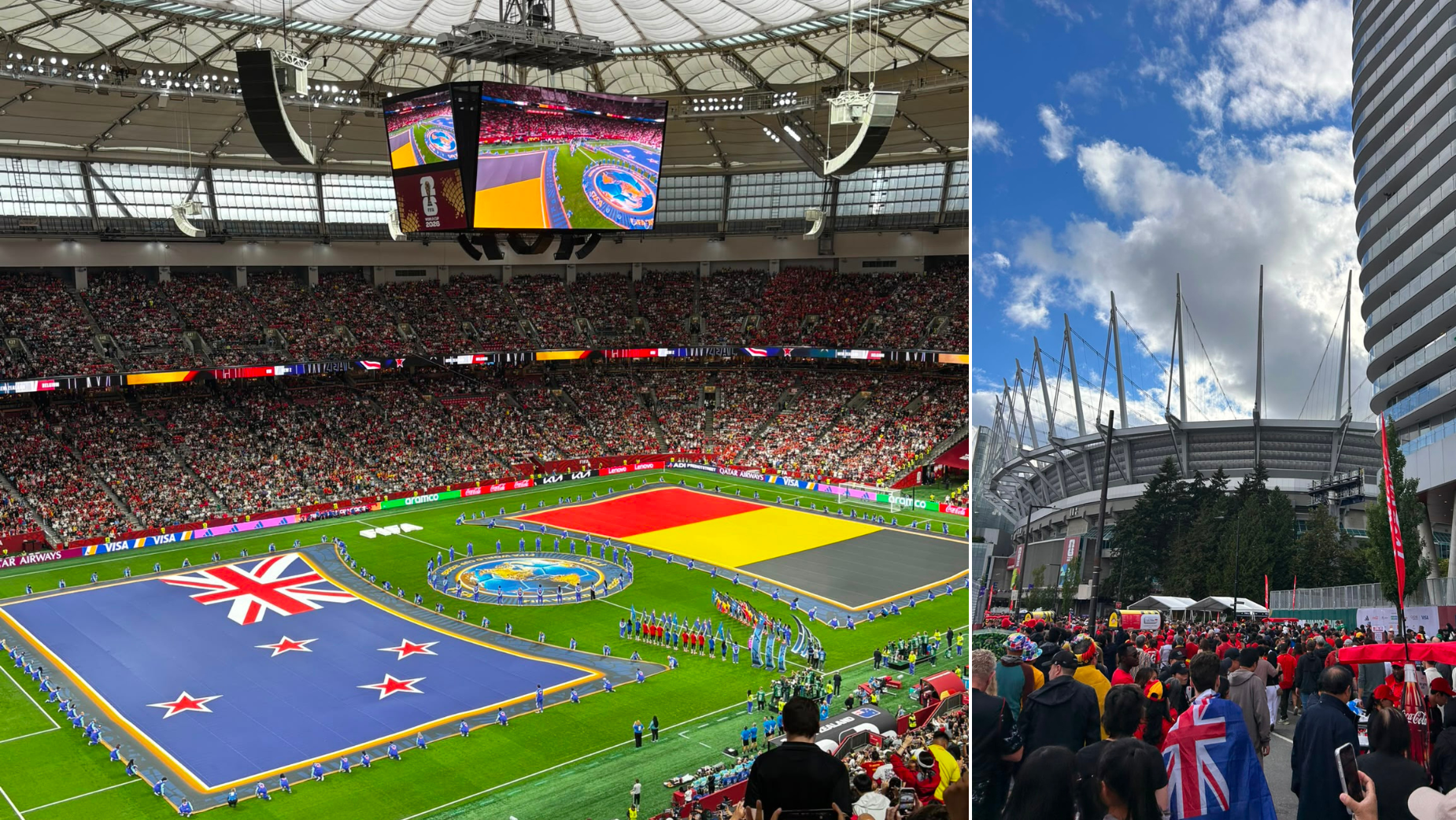
Over a couple of magical weeks, the entire city came together to embrace the World Cup. While other cities wrapped up their Fan Fests or downgraded their support, Vancouver was leaning into the opportunity. We even held a really memorable watch party on top of Grouse Mountain, allowing the mountain’s resident grizzly bears an opportunity to watch the World Cup.
Our city’s attractions got into the spirit of things too, with some incredible activations. The local aquabus company outfitted its boats with giant ‘Trionda’ soccer balls, and many businesses adopted our ‘Home Turf Toolkit’ visual guide to create fun, soccer-themed graphics that respected FIFA’s brand guidelines. At Destination Vancouver, we supported this with the development of the ultimate Vancouver World Cup calendar, where any business or association could submit its World Cup-related activity, watch party or celebration, giving visitors a single, easy-to-reference guide to finding World Cup fun. Not only did this support our businesses, it also attempted to spread the support more evenly around the city, so that the impact of the World Cup could be felt among more businesses and communities.
LBB> The World Cup has put Vancouver in front of billions of viewers so I’m curious, what happens next? How do you ensure this isn't remembered as a successful month, but as the beginning of something longer-lasting for Vancouver's visitor economy, events strategy and international reputation?
Stefan> Great question! It’s one thing to welcome the world for three weeks, but now it’s our job to make sure the world returns to spend more time here. Ultimately, cities are remembered through the lens of these big, defining moments.
In Vancouver, Expo 86 introduced us to the world. The 2010 Olympic and Paralympic Games, alongside the FIFA Women’s World Cup in 2015, cemented our place on the global stage. Now, the FIFA World Cup 2026 has introduced Vancouver to an entirely new generation of future visitors, and it’s our job to turn that inspiration into opportunity.
The World Cup gave us an unbelievable platform to connect with business event and conference leaders, as well as the travel industry and global media connections. And, most importantly, with travellers from around the world. What’s common with all of those groups is that they have loved what they have seen and experienced during the tournament.
Now, the work continues to get those conferences to book, to get those next articles written, and to encourage those leisure travellers to book their bucket list vacations here in Vancouver. We’ve always believed the real benefit of the World Cup won’t be seen this summer. It’ll manifest over the next five, six, seven years.
Another important thing to note is that the World Cup is just one aspect of an incredibly busy summer here in Vancouver. Now that we’ve hosted our final game, citywide conference travel will pick back up to peak levels. Elsewhere, we’re anticipating our busiest ever July and August for cruise ship calls.
LBB> Lastly, can you share any early figures regarding visitor numbers, hotel occupancy, economic impact, international media reach or social engagement that illustrate the scale of Vancouver’s World Cup moment?
Stefan> As a member-focused organisation, we’ve been in regular contact with our members from across the tourism spectrum to get their feedback on how the tournament went. What we have heard is that the impacts were uneven, with some seeing unprecedented demand, while others experienced a relatively quiet few weeks.
This speaks to something we have always firmly believed. While these few weeks have been amazing in the city, the real impacts of hosting the World Cup won’t be felt until the years to come. We’ve put Vancouver into billions of living rooms worldwide, and we are certain those people will see the beauty of the city and want to come here.
As for now, the economic momentum we are already seeing is hugely encouraging.
It’s still too early to draw definitive conclusions on visitor numbers and hotel performance. We’ll continue to assess those impacts over the coming months. The final whistle may have blown, but our city is just getting started.
Read more World Cup coverage on LBB here
See more from LBB's April Summers here


