


Oruga Director Nico Casavecchia Is Competing for an Oscar with ‘Border Hopper’


Nico Casavecchia, director at Oruga Cine, is in competition for an Oscar, with his short film 'Border Hopper.'
It is a short film about immigration with a strong social critique. Border Hopper was born from a real experience Nicolás lived through with his wife, Mercedes Arturo, who also co-wrote the film. It happened at the end of the pandemic: he was offered a commercial shoot in Europe, but they were in the middle of the green card process and he was unable to travel. The story tells how what began as an emergency travel request turned into a nightmare.
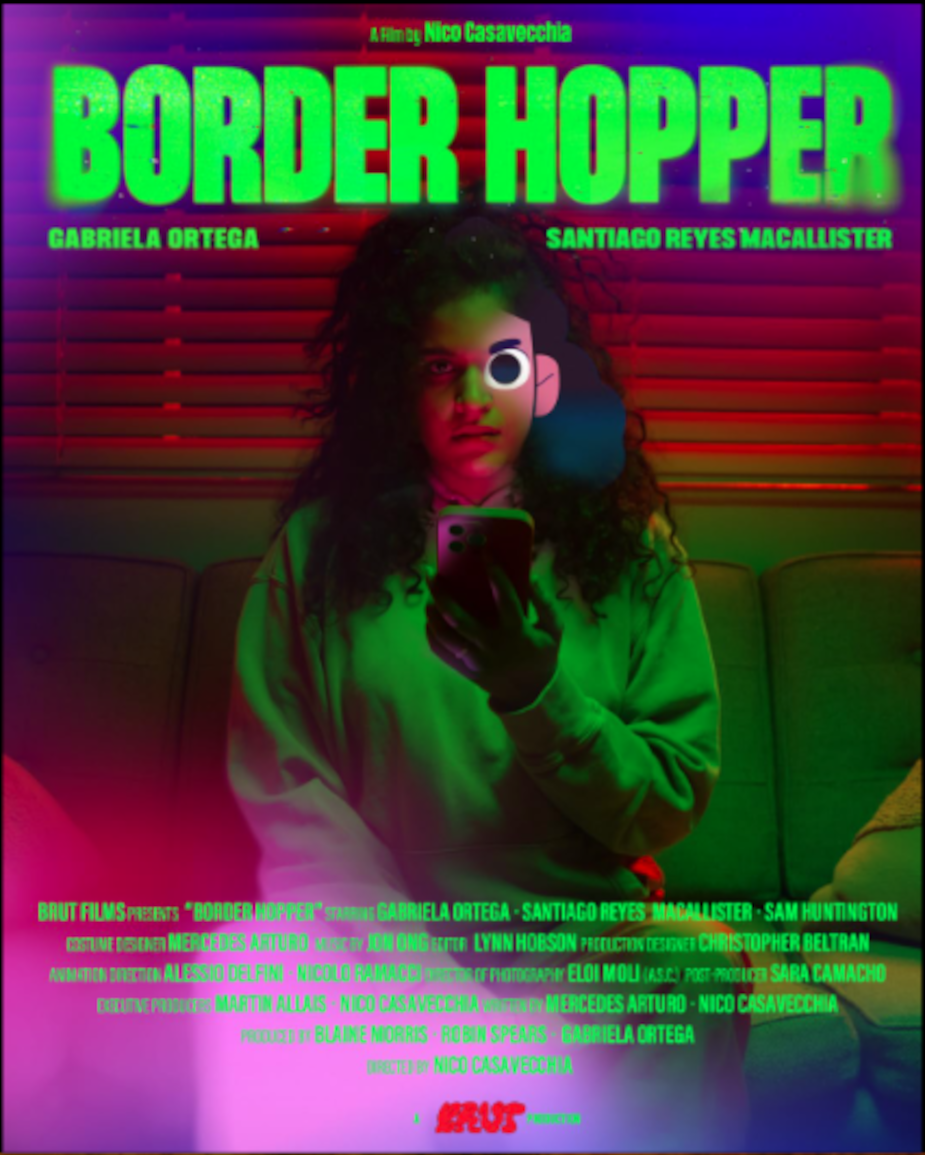
“What we went through with the US immigration system was so absurd, so full of twists and tension, that we started taking notes just to be able to process it. At one point we realised that if we told it exactly as it happened, no one would believe it. That’s when the idea of using the video game metaphor appeared, inspired by a phrase by Henry Rollins that I’ve remembered ever since I first heard it: ‘America is not a country you live in, it’s a video game you survive.’ That image shaped everything, from the script to the visual design,” said Nico.
The short film combines live action and animation. In this case, the animated worlds represent the emotional side of the journey: the stress of bureaucracy and the feeling of being trapped in a Kafkaesque labyrinth where every level you pass reveals an even worse one. Together with the animation team, they developed a visual language inspired by the addictive and psychedelic aesthetics of games like Candy Crush, which contrast with the colder, more restrained real world.
Nico stated, “The recognition Border Hopper has been receiving, including being part of the Oscar competition, genuinely moves me. It’s a project we made literally from our home, with very limited resources, and it was only possible thanks to a huge community of people who donated their time, talent, and equipment to make the film happen. Every department joined because they believed in the story and because they also had something to say about the migrant experience. That’s why I experience any achievement of the short as a way of giving something back to all of them.”
Oruga & Nico
The director assures that his relationship with Oruga was key to making the short.
“As a director, feeling so supported — even on projects that aren’t directly advertising — means a lot. It speaks to the support they give their directors and to a forward-looking vision. We’re entering a stage where content and advertising are blending, and I feel that with Oruga we’ll be able to do many things in that direction,” he said.
Border Hopper is my way of transforming a stressful and surreal experience into something that I hope connects with other people who have gone through the same thing.
“Immigration is a serious issue, but my way of talking about it comes from humour, psychedelia, and the everyday horror of dealing with systems that seem designed to break you. I’m grateful that the film has found its place and that today it’s part of this conversation,” he added.


