


How Lyft’s Abandoned Dollar Bill Challenged the Rideshare Market


For Lyft, competing in the rideshare market can be a tricky thing. A certain other brand has a very big name – one often associated with the very concept of ridesharing itself – and when up against that type of opponent, scrappy, clever creative becomes more than a nice-to-have. It becomes non-negotiable.
Earlier this year, however, the brand found its niche when an NBER study revealed that only 16.1% of consumers check both rideshare apps to seek cheaper fares, yet across millions of trips in New York City, Lyft was 14% cheaper. Recognising that it might just be a matter of convincing users to try something slightly different, the team, alongside agency Zulu Alpha Kilo, got to work, dreaming up a campaign capable of spreading the word.
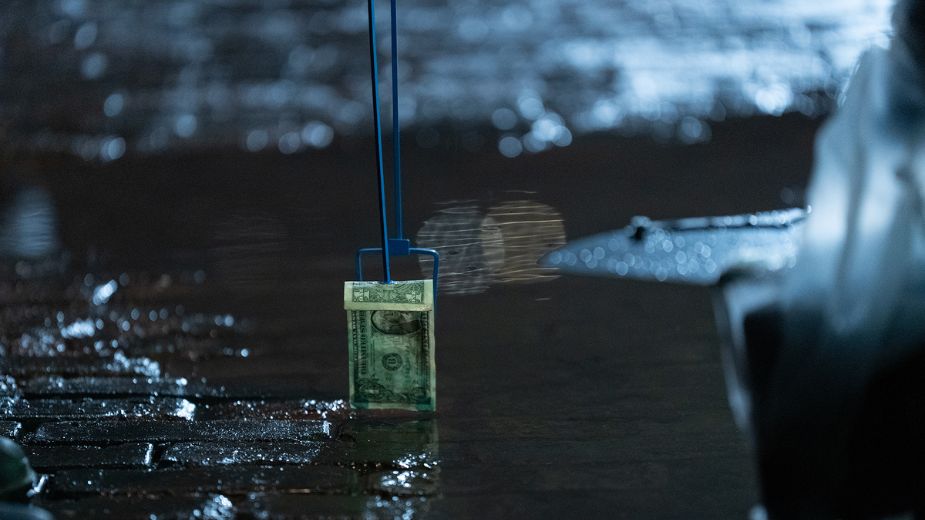
The result was an absurdly funny PSA, directed by OPC’s Jeff Low, which told the story of an abandoned dollar bill… named ‘Bill’. Brought to life via puppeteering, the beleaguered protagonist was depicted wandering through harsh city environments, all while a voiceover encouraged viewers to avoid losing their dollars to a similar fate, and to check the Lyft app the next time they book. Leaning into an excessively serious tone to enhance the humour and drama, this would mark the brand’s biggest campaign in years and internal recognition that, while brand awareness is valuable, sometimes, it must come second to inspiring actual action.
To learn more about the creative process, and how everything came together, LBB’s Jordan Won Neufeldt sat down with Jeff, as well as Zulu Alpha Kilo executive creative director Chris Colliton, and Lyft’s executive creative director, global brand, Cass Zawadowski, for a chat.
LBB> From the top, what was the brief for this campaign, and what immediate ideas came to mind?
Chris> The brief was simple: tell people that if you check Lyft, you will save money.
The challenge was finding a way to do it in a way that would stick with people. We didn’t want to get in the way of such a single-minded message, but we also realised this wasn’t the first time a brand had a ‘save money’ message either. The unlock came with the addition of a three-letter word: save the money. It immediately gave gravitas to the idea and stuck with people.
LBB> The decision to create an absurd PSA-style spot about a lost dollar bill – all to spotlight wasted money – is hilarious. Why did this feel like the right way to cut through?
Cass> There's a real stat behind this: most people never check if Lyft is cheaper before they book, and the NBER study showed that for riders in New York City taking 100 trips a year, that habit is costing them an average of $177 per year. We didn't want people to just hear a number (which will be different for every rider) – we wanted them to feel the loss. So, we gave it a face. 'Check Lyft' is a small task, but an honest one. We're not saying we're always cheaper. We're just saying, give us a look first.
Chris> Everyone has a relationship with money, but we’d never seen anything that actually made people feel something for an inanimate piece of currency. That’s what felt both fun and fresh about the idea. Our goal wasn’t just to bring Bill to life. It was to bring Bill to life in such a weirdly human way that people felt the urge to help him. Don’t just do it for yourself… Do it for Bill.
LBB> With that in mind, what was the writing process like? How did you ensure it felt like a PSA that happens to be funny, rather than a comedy spot?
Chris> The biggest thing was fully committing to the bit. This wasn’t about telling jokes or building to a punchline; it was about being as faithful to the genre as possible. The more seriously we took it, the funnier the whole thing became. This had to feel like a real crisis, as ridiculous as that sounds. It’s not everyday you say, “make it sadder”, and then immediately laugh harder.
LBB> Directing the film was OPC’s Jeff Low. How did this collaboration come to pass, and how did the two sides flesh out the creative approach?
Chris> Jeff is one of the best in the business. He immediately understood the concept and made it funnier every step of the way. It also helped that he’s done some of the best puppet work in the industry over the past few years. When we were first talking about the concept, he explained that, “with jobs like this, I usually just use Wes Anderson’s people.” And that’s exactly what he did.
Jeff> I noticed we'd be filming the ground a lot, so I pushed for variation in the surfaces and conditions – day, night, rain, wind. Beyond that, the only way for it to land funny was to play it completely straight. The alternative is the audience watching you try to land a joke… and the reward for that is sarcastic applause.
LBB> Given this, what sort of equipment did you select to film? What inspired your decisions?
Jeff> Everything was in the writing. That being said, we used anamorphic lenses, knowing the more serious it looked, the sharper the contrast would be. Lighting was by Joao Padua (DoP).
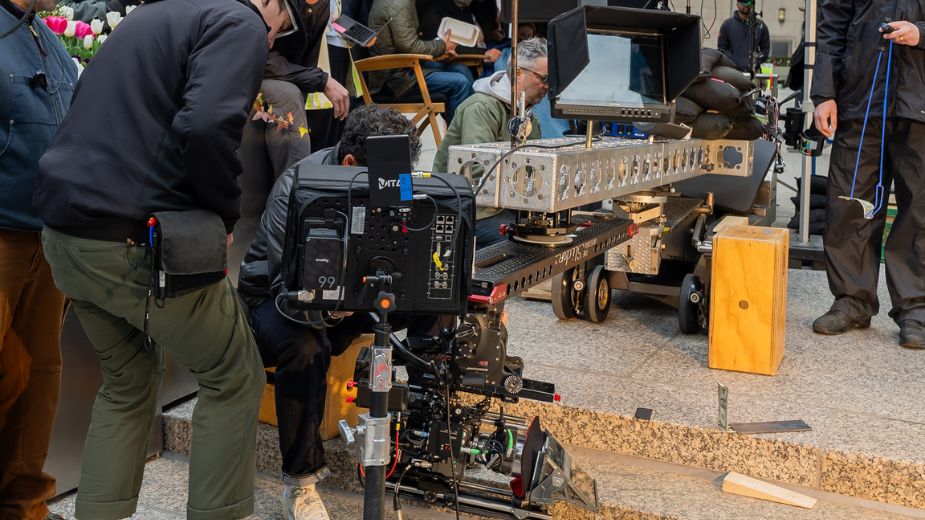
LBB> What was the shoot like? Where did you film, how long did it take, and do you have any anecdotes from on set?
Chris> We filmed for two days in Toronto, but a lot of prep went into the job in the days and weeks leading up to it. We would get ‘tests’ from the puppeteers trying different rigs and movements. There would always be a sad soundtrack playing, and each little movement tried to be as downtrodden and human as possible. It was hilarious.
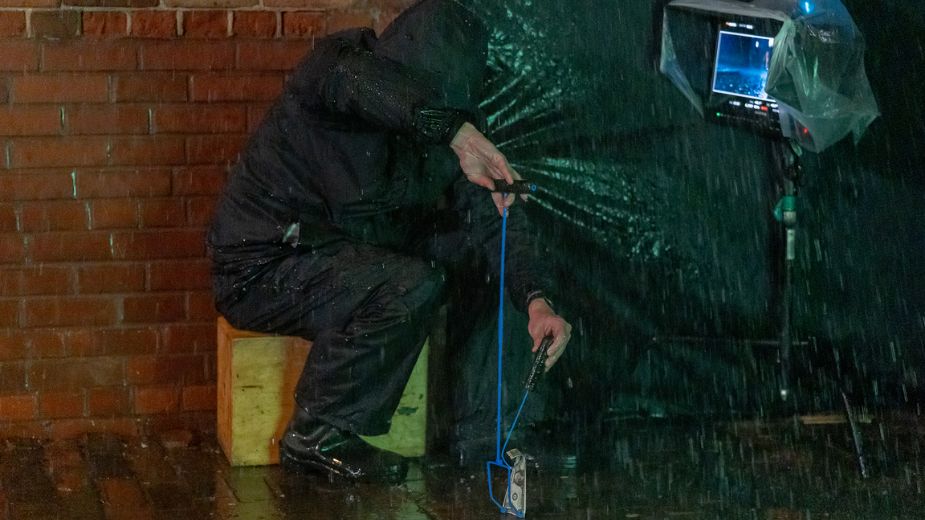
On set, there was a ‘Bill hospital’ where the rigmaster, Andy Gent, would build/repair/alter the puppets on the fly. It looked like a mini surgical bed, and any change required the puppets to go ‘under the knife’.
Jeff> All in all, there were two locations a day. I was lucky enough to have Oscar-winning Paul Austerberry (production designer) on location. On set, however, most of my job was walking over to the puppet tent to tell Andy to make the bill look sadder.
Cass> The moment our puppeteers brought Bill to life, he instantly won over the entire crew. There were so many collective 'awwws' behind the monitors as we watched this little guy look so lost. Poor Bill really went through the elements on set – surviving rain, wind, dust, debris, and almost getting stepped on. Because he felt so incredibly real to all of us, we knew we had something special for the campaign. That realness made it easy to capture some amazing behind-the-scenes footage, tracking everything we put poor Bill through… right down to how we brought him to life and even how he managed in hair and makeup.
LBB> Tell us about the puppeteering rig you used to bring Bill to life! How did it work, and what was filming around it like?
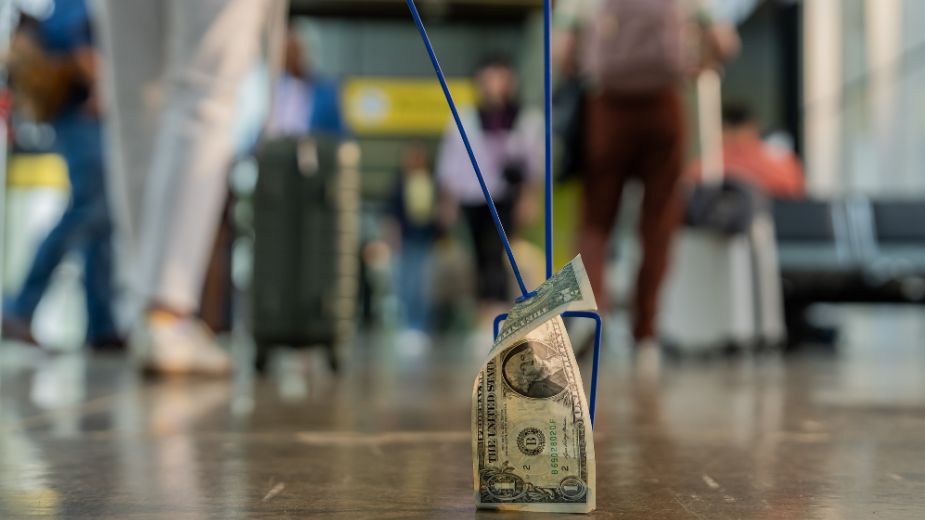
Jeff> Real dollar bill, on a rig built from wire and wood. Pure puppeteering, no CG. I hired the best: Andy building the rig, and master puppeteer Oliver John Taylor bringing Bill to life.
As for filming, I put myself in a position to treat the bills like actors, so I wouldn't have to learn any new skills.
LBB> Did you have a hand in the post process? What sort of aesthetics were you aiming for?
Jeff> Serious film trailer. A bit Spielberg, if Spielberg was from Romania.
LBB> What challenges have you faced during this project? How did you overcome them?
Cass> Weather challenges aside – like actual rain during our 'sunny' scenes, and having to manufacture rain for our 'rain' scenes – the biggest challenge was keeping stakeholders comfortable with a puppet as our star. People hear 'puppet' and immediately picture a larger-than-life, fuzzy character that borders on silly.
That wasn't our vision. We needed everyone to understand the grounded, real-world nature of how we wanted to depict money. This is why we chose to shoot with a physically crafted dollar bill. The campaign is rooted in a real insight with a real solution, and that required a real, tactile approach.
Chris> We didn’t want the PSA to ever feel cheesy. From the VO, to the music, to the way we shot it, we continued to push the sadness everywhere we could. Tone was a delicate one to manage, but kudos to both Jeff and the client for aligning early and not letting gimmicks get in the way.
From a production standpoint, we wanted to shoot (almost) everything from the knee down. It felt like a different POV than what viewers are used to. And while the end product turned out incredibly, it required a lot of unique choreography, lighting, framing and puppetry – all in very tight spaces. Credit to the entire production team for making magic happen.
Jeff> It's all prep, and I did my job there. The shoot itself should be organised and straightforward – you find the problems before they find you, as much as you can. That buys headspace to make things up on the spot. Speed and efficiency make for better edits, because I like to shoot options around key moments. Take six might nail ‘the wind’. Takes seven through 14 are just trying to beat take six.
LBB> What lessons have you learned in the making of this campaign?
Jeff> Lyft is better than Uber.
LBB> Since launch, how have people reacted to this campaign?
Cass> Bill’s 'sad journey' really struck a chord. People saw themselves in him more than we expected. But what's been most rewarding is watching it translate into real behaviour. Riders are on social media comparing their Lyft fares against other apps and posting the results. That's the whole point of the campaign: not just to make people feel something, but to actually change what they do next time they need a ride.
LBB> Finally, is there an element of the work that you’re especially proud of?
Jeff> I did the voiceover.
Chris> I’m always amazed when simple ideas are able to stay simple. There are a lot of opinions and layers that can get in the way and water down something that doesn’t need to be complicated, but that wasn’t the case here. We got buy-in early, and it felt like the entire team – client, agency, production – was always on the same page. A true triangle of sadness.
Cass> This is Lyft's biggest brand campaign in years, and what we're most proud of is how tight the work stayed across every touchpoint. Whether someone saw Bill on a massive billboard, scrolled past him on social, or caught the ad, the core insight stayed front and centre. That consistency at scale is hard to pull off.
Beyond the execution, what this campaign really represents is a genuine commitment to putting riders first – by encouraging people to make the smartest choice for them, and trusting that when they do, Lyft will speak for itself.


