


5 Oversized OOH Spectacles from Asia


Out-of-Home (OOH) advertising has been on the up as digital spaces become increasingly saturated and consumers desire more real-life experiences. In Asia, large-scale urbanisation and some of the world’s highest pedestrian traffic zones have made the region one of the leading markets in global OOH spend.
With today’s brands fighting for attention and virality, an eye-catching OOH display in a high-footfall location can make all the difference. In this effort for maximum impact, it seems many are taking it oversized – big, bold, unmissable displays and installations for earned amplification.
In this round up, agencies and brands across Asia give insight into some of their most successful oversized OOH campaigns from the last year, and share why local landmark takeovers and giant displays are on the rise.
Ogilvy Singapore: LEGO’s Jewel Changi Airport Takeover
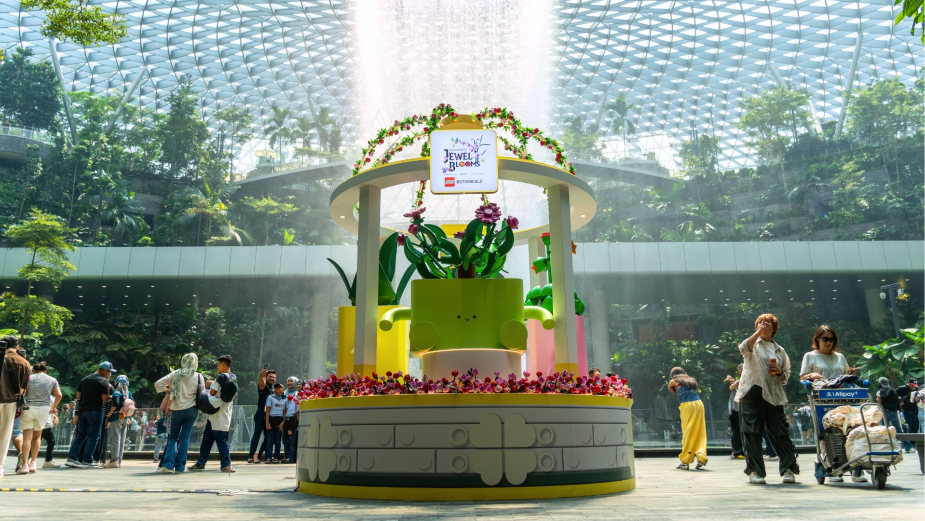
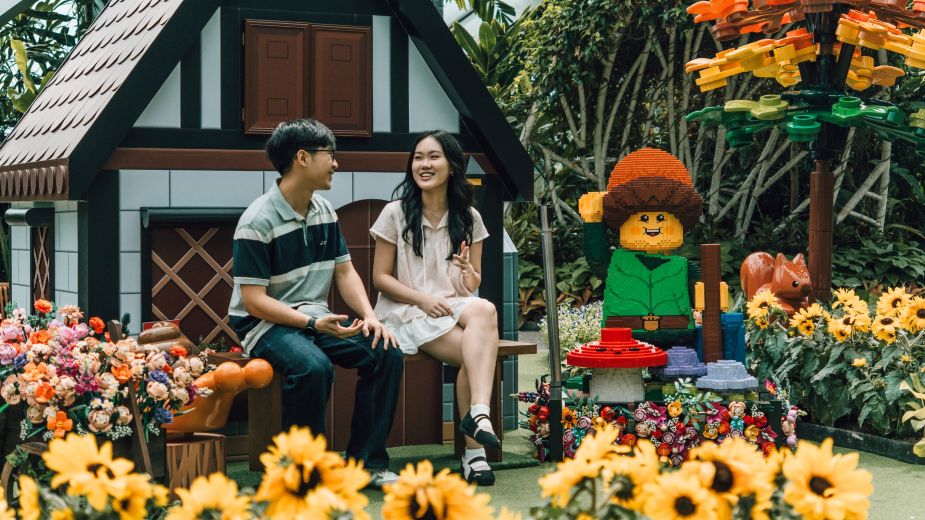
Marking the largest showcase of LEGO Botanicals ever featured in a mall in Southeast Asia, the Jewel Changi Airport takeover, running until August this year, features large-scale floral builds and garden-inspired installations crafted from approximately 800,000 LEGO bricks.
From towering floral centrepieces at Forest Valley to Canopy Park’s horticultural trail inspired by the ‘Gardens of the World’ LEGO series, visitors are encouraged to slow down and explore the LEGO wonderlands featuring exclusive retail offerings.
As part of the opening celebrations, a specially curated fashion showcase in partnership with the Singapore Fashion Council reimagined LEGO Botanicals in bespoke wearables from Joanna Lim, Sabrina Goh, Kha Ngo, Bhajinder Kaur, Clara Simanjuntak, Horas Napitupulu and Sylvia Lim.
AMV BBDO: WHISKAS Lucky Cat
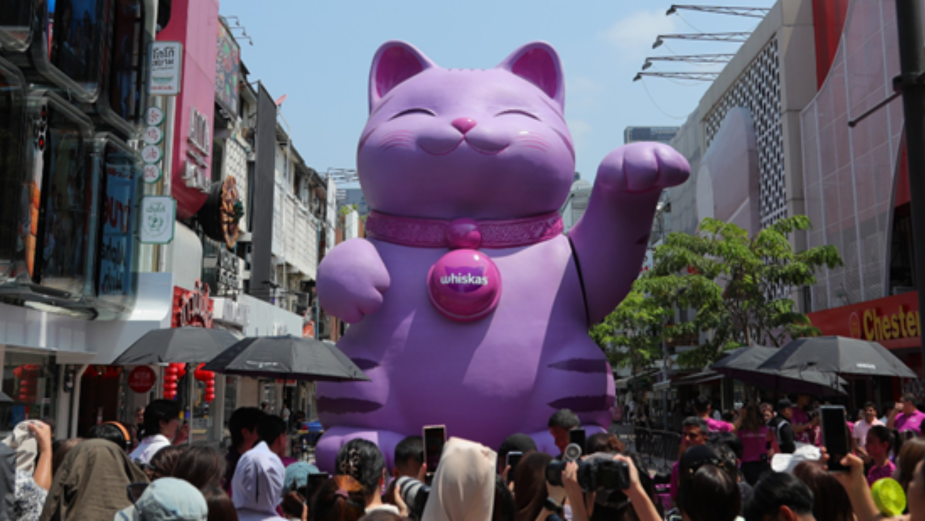
We’re definitely seeing a big rise in large-scale, landmark-style OOH. It’s mainly because OOH isn’t just about being seen anymore, it’s about creating something people actually want to share. Big cities such as Bangkok are super dense, hyper-social, and culturally plugged in, so one bold installation can travel way beyond its physical spot through social.
Ideas like the WHISKAS ‘Lucky Cat’ tap into that perfectly by turning media into an experience, something that grabs attention, gets people involved, and naturally spreads online. So it’s not just about going big for the sake of it, it’s about designing OOH as the starting point for something much bigger and social-first.
The campaign started from a simple tension: In Thailand, 55% of cats’ diets come from human food like rice and fish, not food designed for cats. On average, cats in the US and UK live for over 11 years. In Thailand, only 3% of cats are aged 11 or older. But how do you get people talking about cat nutrition? Luck is deeply embedded in Asian culture. On shop counters and windows everywhere, little lucky cats wave, a symbol of fortune and prosperity. Celebrating tradition, we chose to embrace it. The idea was simple: A WHISKAS cat is a lucky cat (because it’s getting the nutrition it needs)
To start, we built a 10-metre WHISKAS ‘Lucky Cat’ and dropped it right into central Bangkok, while thousands of mini ones showed up in shops across Thailand. It spread fast through creators, we even created a soundtrack and choreography, and ran a TikTok Shop live during the event. Not easy pulling something that big off in a busy city, but it drove massive engagement, real trial, and helped start a conversation around cat nutrition.
KFC Thailand: Colonel Rides the Elephant
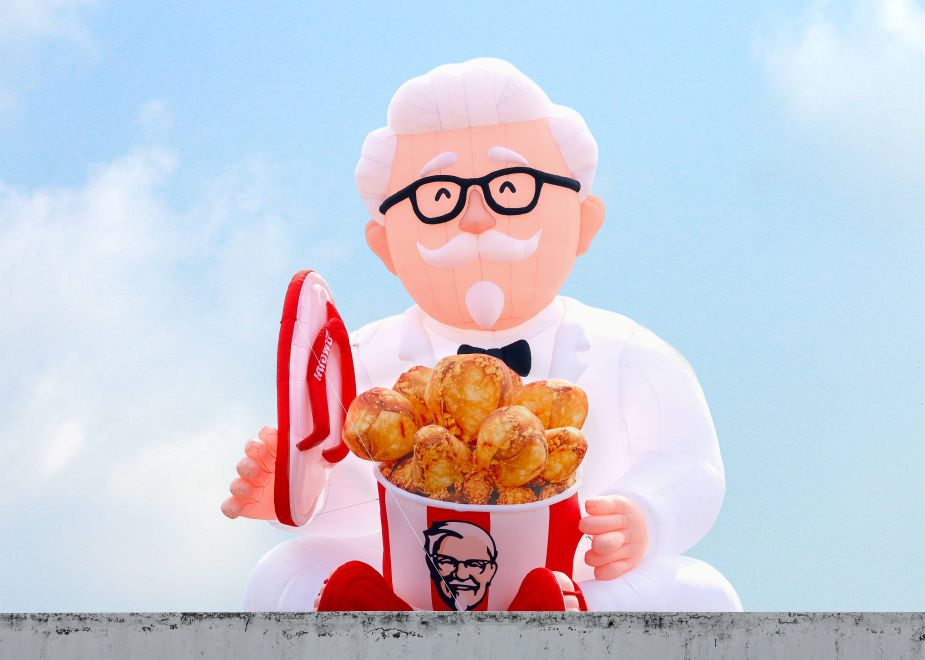
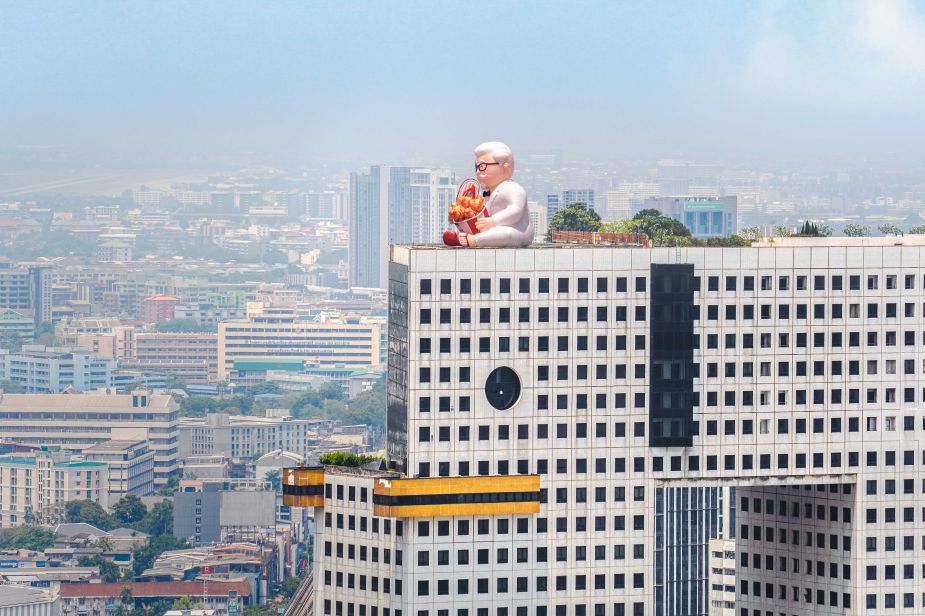
In Thailand, Songkran means soaked streets, long days on your feet and, for many, painful chafing from waterlogged shoes. So this year the idea was simple: invite people to enjoy Songkran with fun that feels as big as an elephant.
To bring that idea to life and make the campaign impossible to miss, we wanted people to literally see what ‘elephant-sized fun’ looks like in the world of KFC; it had to be larger than life. We created a giant inflatable Colonel holding the ‘Colonel Rides the Elephant’ sandals that we created. The design fuses Thai footwear brand, Nanyang’s classic Changdao sandals with KFC’s red-and-white branding, built for grip and comfort in slippery conditions.
We placed the giant Colonel on top of Elephant Building, one of Thailand’s most iconic architectural landmarks, designed in the shape of an elephant and recognised by both locals and international visitors.
A visual spectacle, the campaign sparked conversation and drove people to visit KFC, purchase chicken, and redeem the limited-edition sandals. We successfully sold 102,000 pairs of the ‘Colonel Rides the Elephant’ flip-flops alongside chicken meal sets, with all pairs selling out within just two weeks.
Innocean: BTS Comeback
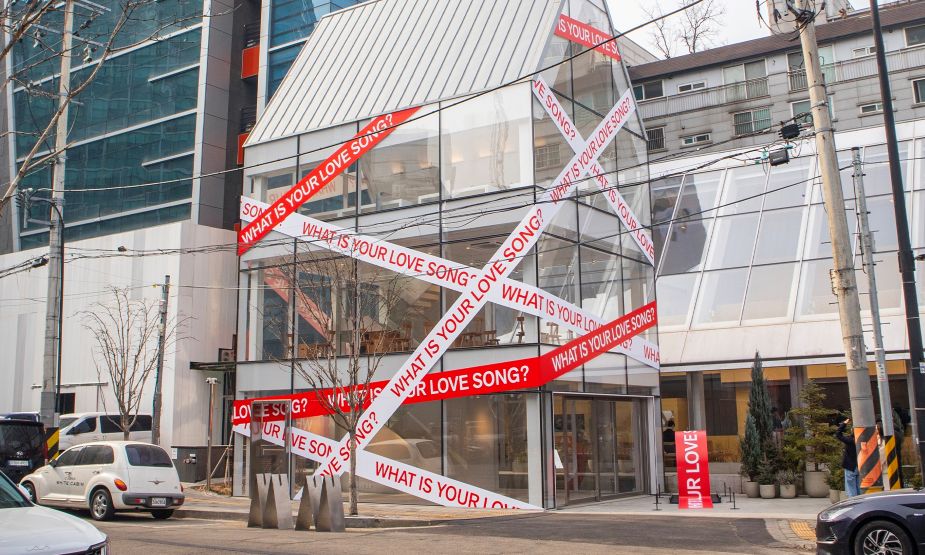
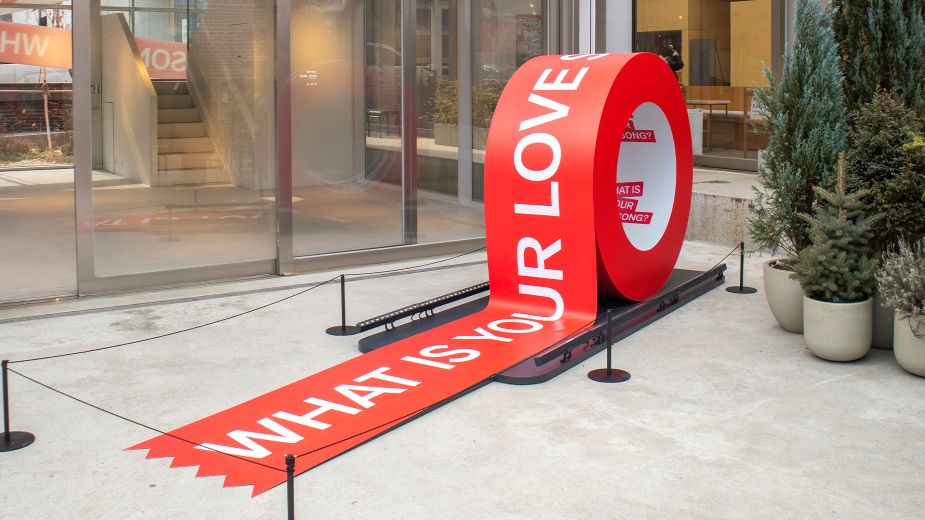
K-pop generates nearly $10 billion a year. BTS alone has driven billions in cultural and economic impact. Yet even when BTS topped the Billboard Hot 100, the headline read as a K-pop story, not a music story. The scale is global. The perception is still niche. This gap persists because the industry's playbook of teasers, countdowns, and fan codes is built to mobilise insiders, while signaling to everyone else that this moment is not for them. The system that built K-pop's power is the same system that keeps it inside its own walls.
Repeating the playbook for BTS’ return after an almost four year hiatus would have only confirmed the very limit we needed to break. We needed an event the world could walk into without a fan code. So, we removed the artist entirely. We did the one thing K-pop is not built to do: hide the name, hide the face, hide the fandom signals.
Instead, everyday spaces across Seoul (including exterior wrapping and installation at the T’annery building, and installation of a 7,500-fresh-rose wall at COEX) were transformed into large-scale question-led media inspired by the core emotion of the comeback album: “What is your love song?”
The question spread across the city for a month while concealing the artist’s name and brand identity. This was designed so the city could first feel and respond to the album’s meaning before the reveal. You didn't need to know BTS. You didn't need to know K-pop. You just needed to have felt love before.
The campaign later expanded to the United States and the United Kingdom, generating voluntary participation and buzz beyond fandom among a global public audience.
By hiding the artist’s identity and leading with the universal theme of love songs, the campaign expanded participation beyond fandom to the general public. Within three weeks of launch, more than 580,000 people responded with their own love songs. Searches for “What Is Your Love Song?” increased by 384%, while mentions rose by over 25,000. The campaign demonstrated that emotional connection, even without leading with the artist’s name, can drive strong public participation and cultural conversation.
Ogilvy India: The Tea Flute
Big and bold ideas aren't a trend – they're simply what great advertising looks like. The reason we're seeing an explosion of them is that they give consumers a chance to interact with a brand on a personal level. Ideas you can touch, feel, listen to, smell, and share are the ones that stay with people. Layer in a local landmark and you add cultural weight – making the brand truly unmissable.
‘The Tea Flute’ was conceptualised for Brooke Bond Taj Mahal Tea – a premium brand that has been associated with Indian classical music for four decades. The Grammy winner tabla Maestro, late Ustad Zakir Hussain and many contemporary artists have performed for the brand over the years. Vijayawada, India is also a marquee market – people here are ardent tea drinkers and deeply loyal to Taj Mahal Tea.
The brand wanted to engage with this audience while making them experience its legacy in a modern, immersive way. That's how ‘The Tea Flute’ – a massive tea kettle that played the flute simply by brewing tea – was born. Every time it brewed, the rising steam passed through a concealed flute and triggered mechanised fingers to release steam in a synchronised pattern, performing ‘Raag Hamsadhwani’ (Indian classical composition).
The location amplified the experience. Installed in a public park on the picturesque banks of the River Krishna, surrounded by lush greenery, it's a popular spot where families and youngsters gather in the evenings to stroll and unwind.
The biggest challenge was engineering the kettle to seamlessly play the flute through the act of brewing. We had to ensure authenticity – fine-tuning the instrument to hit every note of ‘Raag Hamsadhwani’ with precision. Beyond that, it meant maintaining a steady steam flow at 10 PSI, selecting a flute material that could withstand high temperatures, managing condensation without compromising sound quality, and scaling a functional proof of concept for public display.
Chai Bansuri mesmerised its audience. The tea bubbling inside the transparent kettle, steam escaping in rhythmic patterns, the melodious sound of the ‘Raag’ drifting alongside a flowing river – it all culminated in an unforgettable, distinctly Taj Mahal Tea experience.


