


Kraft and Vaseline Marketers: UK Under 16s Social Ban “Great Thing”, But Onus Should Lie With Platforms


The impending ban on social media for under-16s in the UK unfairly places too much responsibility on brands, according to Kraft Heinz senior strategist Billy Slater.
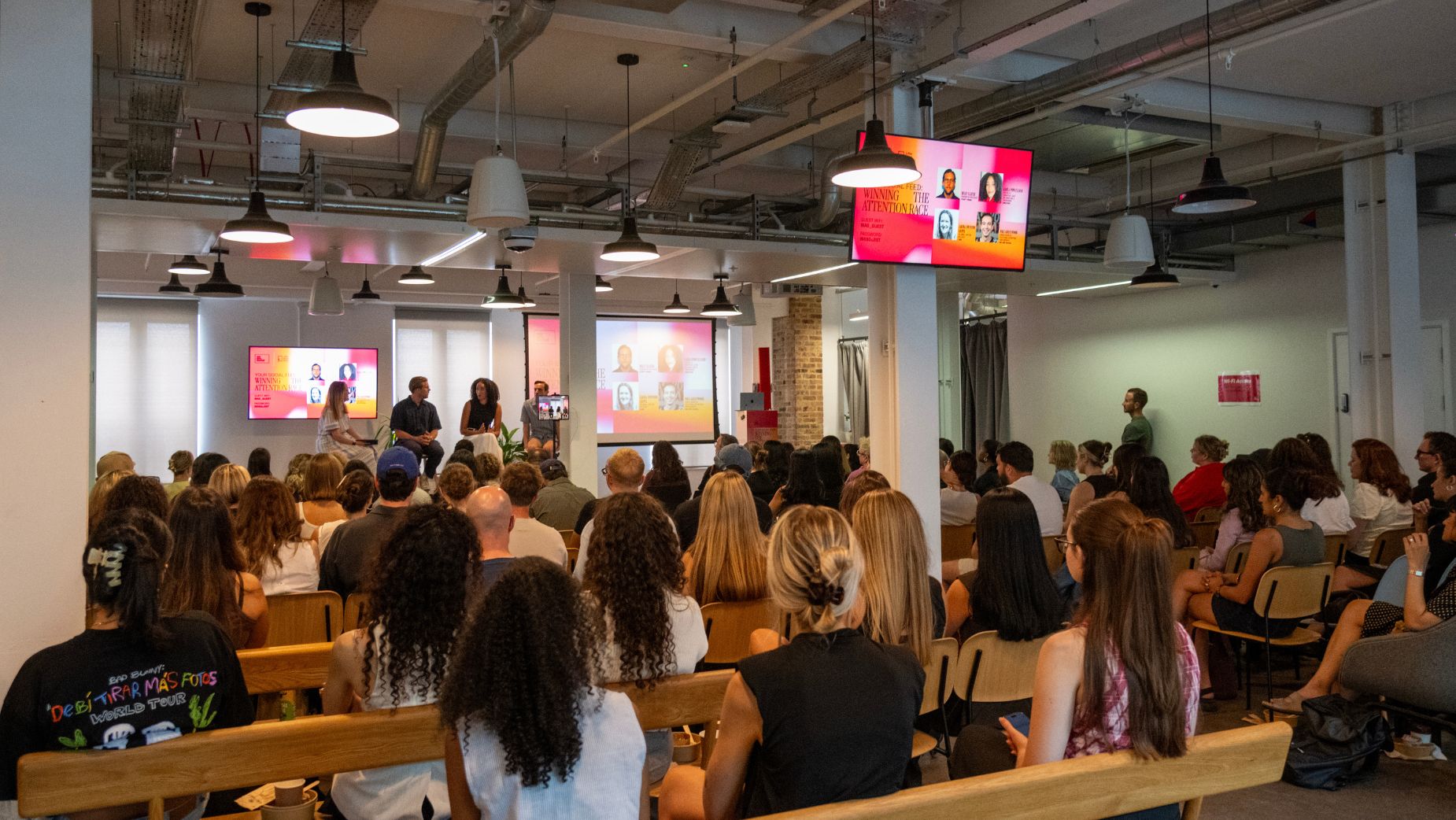
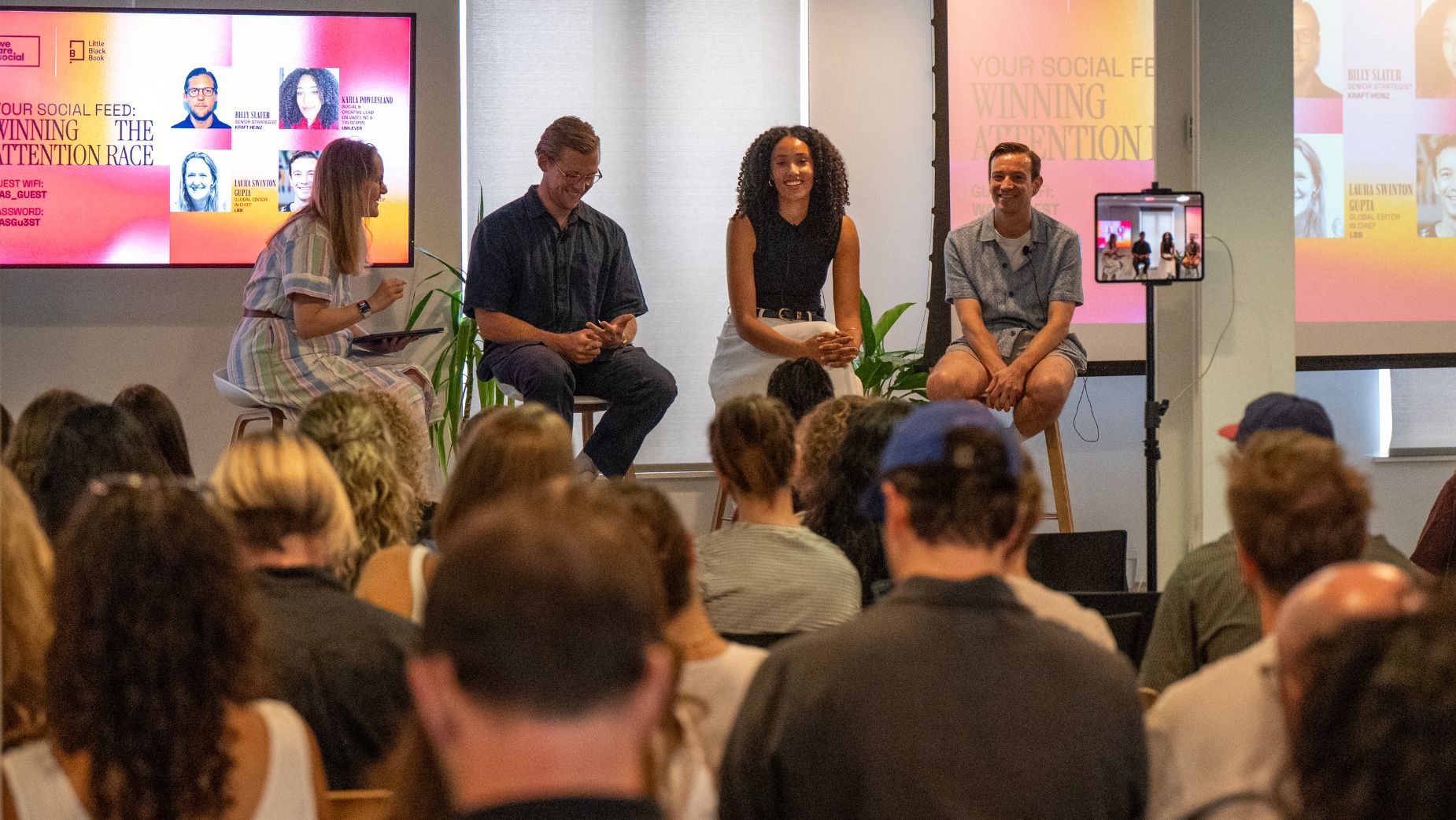
On a panel hosted at We Are Social’s London office earlier today, he said while he was broadly in favour of the legislation, “The problem with the ban is it puts the prerogative on us, not on the platforms, and the platforms are really the problem.”
The ban will have little impact on Unilever brands like Vaseline and Tresemmé, social and creative lead Karla Powlesland told LBB’s global editor-in-chief, and the panel’s moderator, Laura Swinton Gupta. Karla said the ban is “probably a great thing,” expressing concern about children influenced to buy strong skincare products and racking up a workday’s worth of screentime.
“I can't imagine what it's like to grow up with so much noise around you. I do think parameters need to be put in place. It's a difficult one because I do think it will massively impact certain brands.”
Paul Greenwood, We Are Social’s head of cultural insight and strategy across the EMEA region, agreed. “People probably do spend too long on social,” he said. But as people – not just kids – aim to spend less time online, “that makes our creativity even more important.”
Young people who have grown up online and reached “peak content” are tired by the torrent of “nonsense online,” Billy observed. There has been a surge in people minimising their screentime, restricting their access to social apps through devices like the Brick, or opting out altogether.
“People are leaving these platforms anyway, and so we need to think about how, as brands, [while] there is undeniable reach in social, how else we provide value to people,” Billy said. “I wonder if there'll be a big renaissance of out-of-home.”
The panel was titled ‘Your Social Feed: Winning the Attention Race’. Some brands have responded to user fatigue by slowing down in order to ‘win’ that race, the panellists suggested. Billy, who sits in Kraft Heinz's in-house agency, The Kitchen, called out a 10-minute Paris Hilton TikTok for Hilton, and small-batch UK fragrance brand Ffern as among his favourite examples of brands doing it well. The latter invests in social storytelling that explores the history of flowers and birds’ migratory patterns, or sees slices of clementine calmly arranged across the screen. Paul said this type of “peaceful” content creates “digital resting spots”.
Billy loves brands showing up on social in such ways because “it provides a provocation to what we're told is what we should be doing. We're told to follow formats, to optimise media, to drive efficiency. So I'm always really interested when you see pieces of content that buck the trend, yet are really successful.”
Such work is also an investment in long-term worldbuilding. “We get really obsessed with very efficient pieces of content, and we start to neglect all the ways in which we can build around that,” Billy added.
Unilever’s answer is to focus on co-creating entertainment and really listening to what communities and influencers have to say. The behemoth now allocates half of its media budget to social and creator marketing -- many of them small creators the brand can truly collaborate with, Karla said. Paul said We Are Social vets creators by assessing the three Ps: proof (previous results, audience size), play (how creative and original is the creator?), and partnership (do their values align with the brand’s?).
Each brand within the Unilever portfolio has a “really strong brand universe” built out -- incredibly detailed documents stretching across hundreds of slides to help shape decisions about when to show up and why. Vaseline’s purpose, for example, is ‘Health Beyond Hype’.
“We are trendsetters,” Karla said of that brand. “So if there's a trend we could be an early adopter to, and we can really own it, it makes sense for us. But if it's something that every other brand is doing, it doesn't feel relevant.”
The Cannes Grand Prix-winning ‘Vaseline Verified’, for example, took internet hacks for the product -- like smearing it on a camera lens to achieve a specific visual effect or helping runners avoid nipple chafing -- and tested them in a lab to ‘verify’ them.
That project harnessed the power of user-generated content; brands are increasingly turning to employee-generated content too, with staffers transformed into creators in their own right. Billy warned brands should also compensate those employees as they would traditional creators.
“The one thing I think about when it comes to this is making sure that the employees are also getting additional compensation for being the face of the brand. You would pay an external person compensation, and especially when you start to put your face out in public, we know that can come with a lot of negativity online.”
Ultimately, a brand chasing an idea only it could pull off is far smarter than jumping aboard a tired bandwagon and becoming the “dad at the disco”, Billy quipped. Social content might be timely, “but is it also timeless? Is it something that's going to build brand equity? … Where do we show up with legitimacy that actually works for the brand as opposed to just chiming in and kind of ruining the joke?”
Answering those questions requires knowing power has shifted from broadcasters to brands and now to audiences, understanding the fandoms or communities you want to reach -- as Paul observed, “fandoms on social have a very long memory” -- and having a clear strategy.
“When you have a really clear identity of who you are, you're not chasing trends,” Billy said.
“You are leading the way. You're finding your own space. When it comes to social strategy, there is a temptation to reinvent the wheel, we want to come up with new creative principles, a new tone of voice. But actually, the answers are just in the core brand playbook.”


