


How Triumph Proved Originality Has No Speed Limit with ‘True Originals’ Campaign


Triumph Motorcycles has always lived at the intersection of legacy and innovation, but its new global campaign, ‘True Originals Never Settle,’ pushes that duality further than ever before. Created by Drummond Central and directed by Nick Dean, the campaign is Triumph’s most ambitious creative undertaking to date.
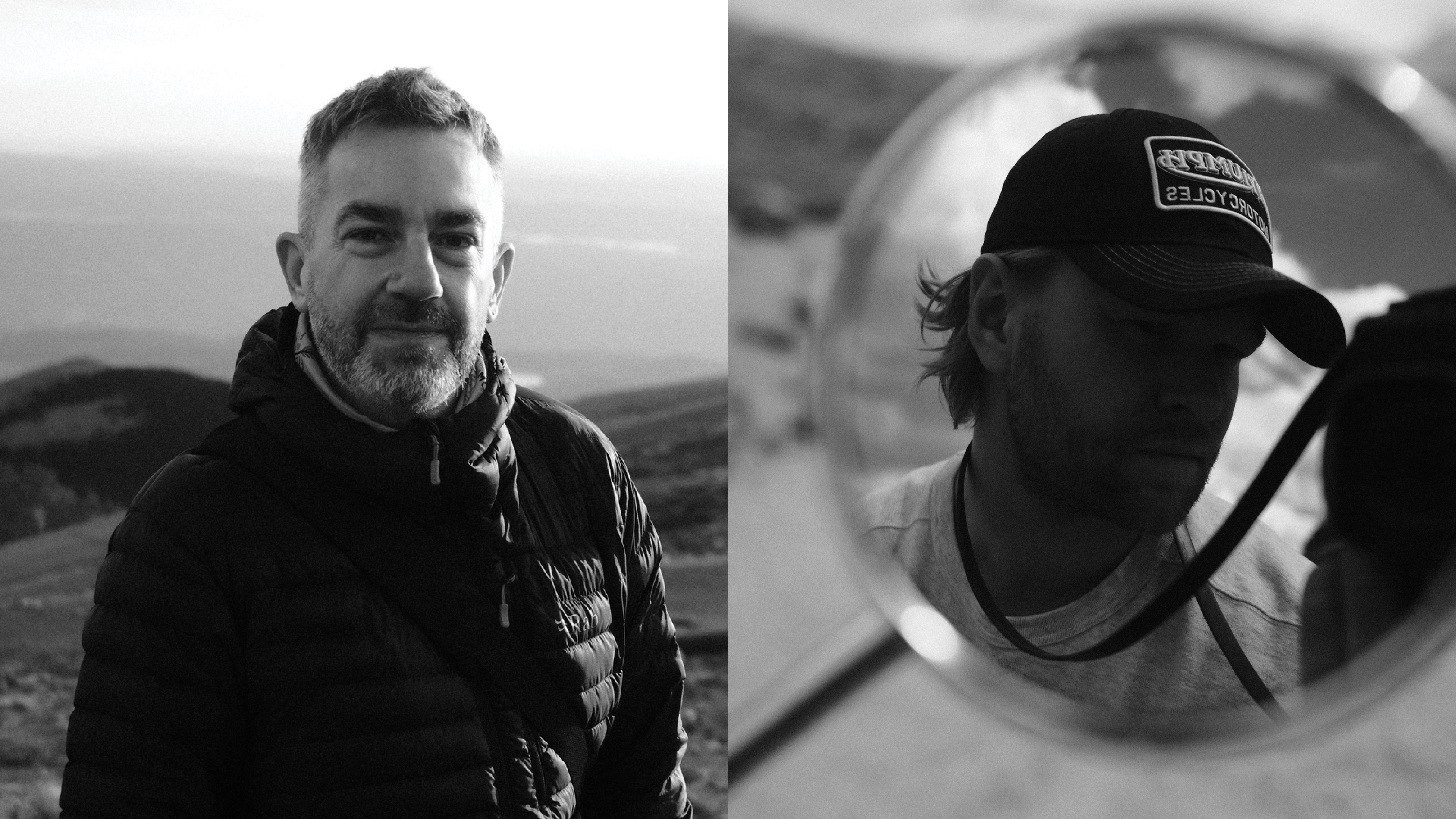
Spanning six American landscapes and featuring sixteen Modern Classic models, the 11-month production resulted in a campaign defined by movement and momentum. At its centre is a two-minute film that blends cinematic intimacy with the raw realism of open-road riding, anchoring a wider suite of global creative. To uncover how the campaign film was brought to life, Drummond Central’s creative director Kev Hughes and director Nick Dean sat down to reflect on the vision and craft that shaped every mile.
Q> Kev, Drummond Central have worked with Triumph since 2022. With this being Triumph’s most ambitious campaign yet, what was your initial reaction to the brief?
Kev> Excitement from the off. You don’t get a brief like this very often, one that’s about so much more than showing off bikes. Triumph wanted to capture a mindset. They’ve got this incredible history, but they never want to be stuck in it. So, the challenge was to make something that celebrates the past, but feels alive and forward-looking.
Q> Nick, you’ve said this project was deeply personal, with you finishing the campaign on the exact date you bought your first Triumph 12 years earlier. Can you tell us about that memory and how it shaped your connection to Drummond Central’s brief?
Nick> I still remember being at the dealership in Simi Valley, finishing the paperwork for my first Triumph. The brief resonated with me on every level. I saw the Bonneville in the lineup – the same bike I bought at 17 – and was instantly pulled back into all the moments that bike created for me. It wasn’t just transportation; it was the thing that cracked my world open. It was the door to independence and figuring out who I wanted to be.
Q> ‘True Originals Never Settle’ – it’s a big line with big meaning. What does it mean to each of you?
Kev> For me, it’s pure Triumph. Being a “True Original” isn’t about looking backwards – it’s about having that same spirit today. “Never settle” is the attitude that drives everything; the engineering, the design, the riders themselves. It’s about keeping that spark alive, staying curious, always pushing on to the next ride.
Nick> I believe being a True Original is at the core of Triumph. The word itself encapsulates the Modern Classic lineup, and Kev zeroed in on that perfectly. When I think about the icons who shaped Triumph’s legacy – Steve McQueen and so many others – they all carried this archetype of the outcast, the misunderstood, the trailblazer. They weren’t following trends or groups. They were following something inside themselves. I’ve always resonated with that. So when I hear “True Originals Never Settle,” it captures the essence of what originality actually is. The moment you anchor yourself to a single idea of who you are, you stop being original. True Originals are unafraid to become something new.
Q> Triumph’s Modern Classics have such an iconic look and history. How did you make something that still feels new, not nostalgic?
Kev> That was one of the biggest creative challenges. The temptation with a brand like Triumph is to lean too hard into the retro side – but these bikes aren’t museum pieces. So, we built everything around motion – every frame has some kind of life to it. Even if the bike’s still, something’s moving – a breeze, a gesture, a shift in light.
Nick> One of the biggest creative pillars for this piece was the pursuit of something timeless. To get there, we incorporated black-and-white stills, shooting on film and embracing visual cues that felt classic without feeling dated.
Q> The film feels alive – full of motion and energy. How intentional was that, and how did you make sure every frame carried that momentum?
Nick> When you’re putting motorcycles on screen, the priority is always to translate that visceral feeling of riding, to let the audience feel what it’s like to be on a Triumph. A huge part of that came from letting our riders simply be themselves. Their natural style and confidence brought so much authenticity to the frame. The rest came from our camera strategy – designing shots around movement that feels immersive rather than observational. I always try to put the viewer right behind the bars.
At the same time, we wanted the landscapes to be a character of their own. So we balanced those intimate, energetic moments with big, wide, sweeping shots. That was the real challenge: maintaining the visceral punch I usually achieve with hard mounts and tight rigs, while staying wide enough to let those vast environments breathe.
Q> How do you strike the right balance between something cinematic and something true to the real riders and machines?
Kev> That’s all about authenticity. So, we approached it cinematically, but never over-produced. Real roads, real light, real riders. You get those imperfections – dust, glare, motion blur – and that’s what makes it believable. It’s premium, but it’s still real life. You can smell the petrol and feel the wind.
Nick> For this project, the way to get there was by tapping back into what riding actually feels like for me. There’s the literal experience of riding, and then there’s the emotional version of it. On a motorcycle, you’re exposed to every detail: the shift in temperature when the sun breaks through the trees, the bite of cold air in a valley, the texture of the road changing beneath you. These sensory hits are what make riding feel alive. So a huge part of the visual approach was capturing both sides.
Q> 11 months in development, six US locations, sixteen bikes – that’s huge. What was the biggest challenge on set?
Kev> Logistically, it was wild – weather, light, shipping bikes across states. But the biggest creative challenge was keeping that sense of emotional consistency across it all. Every bike and every location had its own personality, but they all had to feel part of one flowing story. That took real discipline and a brilliant team on the ground.
Nick> The challenge on a shoot like this is coordinating multiple units simultaneously. We had 16 bikes in rotation, constantly cycling them based on which model needed to appear at which location and for what purpose. Shot lists weren’t being checked off in a linear way – one moment we’re sending a hard-mounted bike out, the next we’re in the arm car, and at the same time the drone team is in the air capturing something completely different.
Q> What do you think makes Triumph such an exciting brand to work on creatively?
Kev> It’s the soul, really. Triumph has a heritage that most brands would kill for, but they never rest on it. There’s always this forward motion – that sense of “what’s next.” Creatively, that’s such a gift. You can lean into the emotion, the craftsmanship, the beauty of the bikes – but also tell stories about people who refuse to stand still.
Nick> They’re fearless about taking risks and making bold creative leaps, and they’re also some of the most down-to-earth, kind, and genuinely fun people to be around. Triumph as a brand – and as a symbol – stands for being original, being true, and embracing freedom. Every time we get on set together, it feels like seeing family.
For Kev Hughes and Nick Dean, ‘True Originals Never Settle’ is more a declaration of intent than a campaign line, one that's echoed in every flicker of light on chrome and every mile chased across the desert. Drummond Central, Nick and Triumph have created a film that feels alive, not archived, and one that treats evolution as a responsibility rather than an aesthetic. Kev and Nick understand that originality is not something you inherit, but something you keep choosing. In their hands, Triumph’s story is not a nostalgia piece. It is a living, moving force, built for those who carve their own path and never once consider slowing down.


