


How to Go From Shelf Space to Soul Space


When it comes to today’s CPG market, getting products onto the shelf – be it in physical stores or on digital marketplaces – is just the beginning. And even when that product makes its way into the baskets of consumers, there is still work to be done.
Eric Rojas, founder of New York-based agency Six+One, has helped launch many new brands in the CPG space and says that the most successful companies don’t just sell units, but they earn a place in the lives of customers through worldbuilding, design and long-term identity.
“When I first started working in CPG, the fight was for distribution and shelf space,” says Eric. “Today, that battle has moved to attention and loyalty. Every brand is competing not just with others in their category, but with the entire internet for a consumer's next three seconds. Digital and retail are now intertwined battlefronts. What happens on TikTok can drive what moves at Target. The space has gotten faster, louder, and more fragmented, but that’s also what makes it so exciting. The brands that win are the ones that move with both speed and soul.”
It’s this ‘soul’ that has captured Eric’s focus and strategic drive of late. “Shelf space gets you seen. Soul space will get you remembered,” he explains. “It’s that deeper emotional and cultural resonance a brand builds over time. It’s the reason someone grabs your product when 15 others are on sale. A brand like YETI does this perfectly; they sell coolers. But what they’ve really built is lifestyle, a sense of belonging. That’s soul space: when your brand identity becomes part of someone's personal identity.”
So how can brands achieve soul space, especially in an era of AI creativity and increasing cost-of-living pressures? LBB’s Ben Conway caught up with Eric to find out.
LBB> One of your recommendations is for brands to narrow and deepen their focuses, allowing them to achieve a greater ‘velocity’ in one direction. How do you help clients find their focus? Is it a challenge to get brand marketers to reduce their breadth?
Eric> Velocity isn’t just speed; it’s speed with direction. We help brands find their focus by identifying the moment they were made for. Maybe it’s a time of day, a mindset, a cultural tension. 5-hour energy owned 2:30 pm, Liquid I.V. owned recovery rituals. That kind of focus creates clarity and compounding growth. The challenge for marketers is letting go of the need to be everywhere and instead showing up powerfully somewhere. It takes less money and time to go deeper in one direction rather than wider.
LBB> Helping a brand find its voice has lots of nuance and unique challenges for each individual brand. How do you go about developing a personality and narratives that will connect with audiences long-term?
Eric> We start by listening. Sounds crazy, right? Not just data, but to people, their language, habits and frustrations. Then we translate that into a voice that feels human and distinct. Every brand has a product story, but very few have a point of view. The goal is to turn features into feelings. Our process is part research, part storytelling, and rebellion against category cliches.
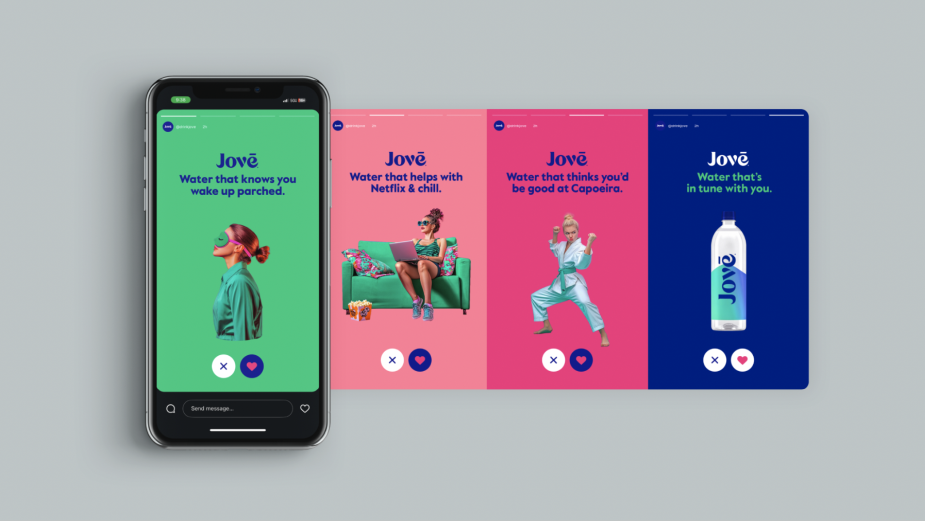
Above: Six+One's work for Jovē
LBB> You also advocate for brands showing up in communities beyond the shelf – sponsoring events, doing pop-ups, etc. Is there a key to doing this authentically?
Eric> Authenticity comes from serving a community rather than sponsoring one. The brands that win show up where people already are and add value before asking for anything back. You never want to take someone out of what they are doing, but rather enhance it. If a brand's presence feels off and rejected, it’s usually because they entered the experience to take rather than contribute.
LBB> With a worsening cost-of-living crisis, is there an added challenge for CPG brands to compete without lowering prices and relying on discounts and other promotional offers? How can brands balance a commitment to their own purpose and worldbuilding with an increasing demand for affordability?
Eric> People may trade down in price, but they rarely trade down in meaning. When a brand has a soul, it can weather economic dips because consumers see it as part of who they are. The key is to create perceived value, not just lower prices. Be generous in creativity, in storytelling, and in what you stand for. That’s what earns during hard times.
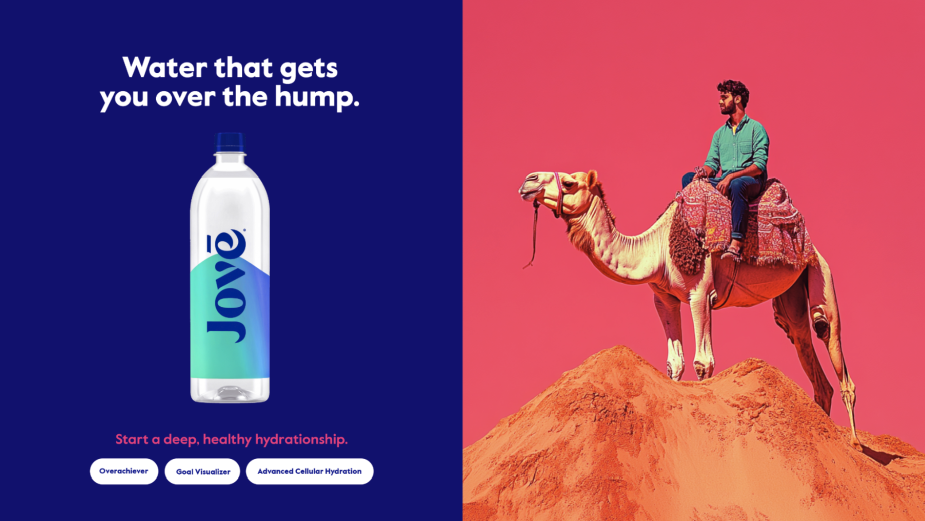
Above: Six+One's work for Jovē
LBB> You say brand loyalty comes from building a strong identity across messaging, packaging, on the shelf and off. But we often do see even the strongest brands undergo rebrands and identity shifts over time. How do you identify when a brand needs a change? And how do you make the change without losing loyalty?
Eric> When the story no longer fits the moment, it’s time to evolve. But change doesn’t mean erasing what people love. It means translating it for today. We look for friction, where the brand feels out of sync with culture, relevance, or its audience's aspirations. The best rebrands feel inevitable. Not forced. It’s less of a redesign and more of a realignment with purpose.
LBB> Creativity can be a multiplier for brands, with recent studies from WARC and others showing how craft and creativity provide exponential benefits. But we’re seeing these conversations arise parallel to ones about marketing in an AI-powered world – geared towards greater efficiency, output and targeting. Having worked with lots of start-ups, who may be particularly drawn to the lower costs of AI-enabled creative, what do you think about the continued importance of craft and human creativity in creating ‘soul space’?
Eric> AI can scale content, but it can't scale conviction. It’s great for speed, but soul comes from people. We use AI as a tool to amplify creative thinking, not replace it. The truth is, audiences can tell the difference between something that’s generated and something that is felt. Craft is the multiplier that gives your brand humanity.
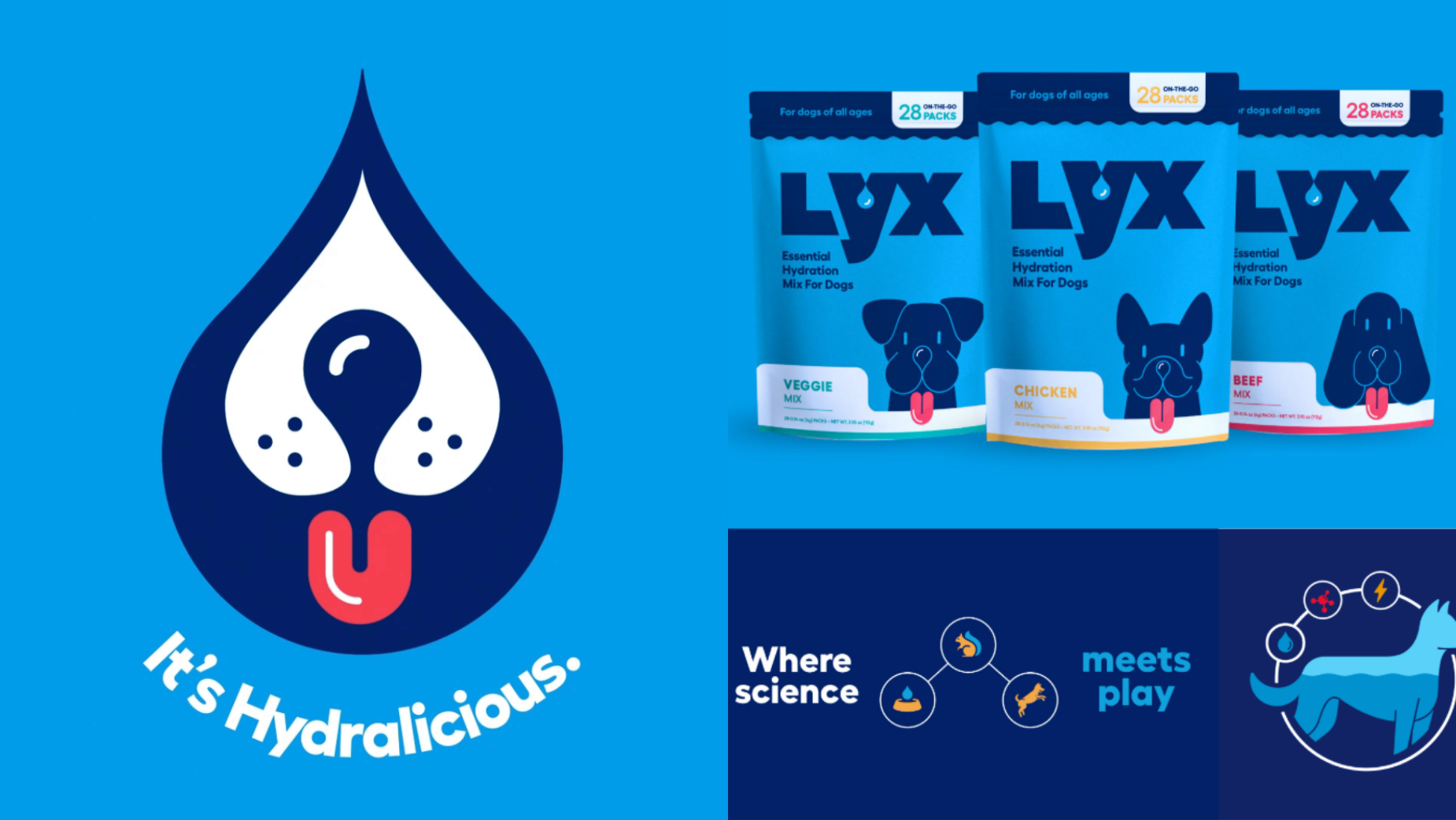
Above: Six+One's work for LYX
LBB> All this being said, ‘shelf space’ remains as important as ‘soul space’ – how should the two interact? Have people lost sight of the power of in-store?
Eric> Shelf space is your handshake. Soul space is your conversation. You still need the right placement, packaging and visibility. But if that first moment isn’t backed by emotion and meaning, it's forgettable.
The shelf is often the first time your customer physically interacts with your brand. It’s your in-store billboard, the moment they reach out, touch the packaging, flip it over, and decide whether they believe you. That moment matters. What you say on the back of the pack, how it feels in their hand, how it lives next to competitors, all of it shapes the perception of your brand’s soul.
The best brands blur the lines between the physical and emotional. What you see on the shelf should feel like what you experience online and in culture – consistent, human and intentional.
LBB> Which projects from Six+One best highlight this marriage of shelf space and soul space?
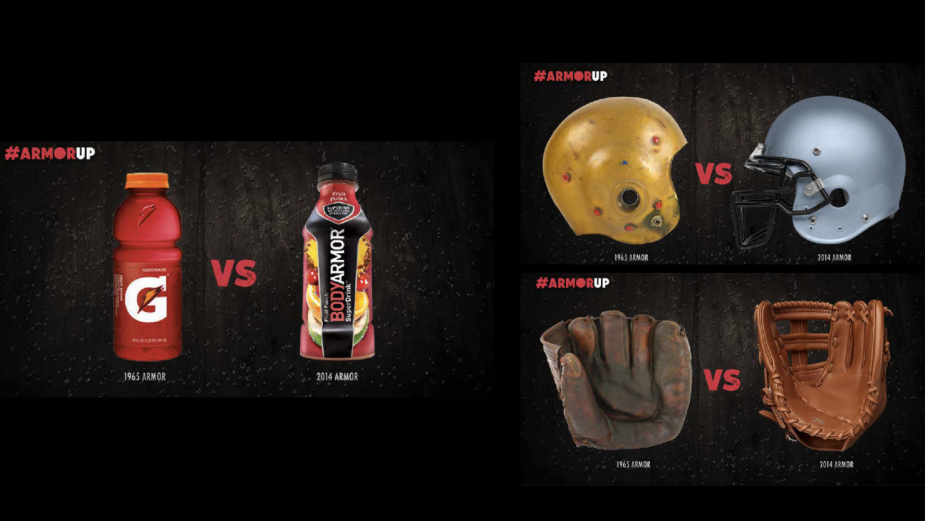
Eric> We’ve seen it across brands like Bodyarmor, which didn’t just compete with Gatorade, it redefined the sports drink as clean performance fuel. It told customers to retire their old sports drink, which hadn’t changed its formula in 50 years.
Or Jovē Water, which we positioned not just as hydration, but as the water that gets you, literally down to the cellular level. It invited people to start a deep, healthy hydrationship that doesn’t leave you thirsty for more.
And then there’s LYX, our new hydration brand for dogs, which takes the science of hydration and the playfulness of dogs and turns it into an essential daily ritual for owners who care about their pets being fully hydrated.
Each of these brands does more than win attention, they shift perception. That’s the goal. Campaigns come and go, but redefining a product or category lasts. Whether it’s a category, a product, or a community, we aim to make people see it differently than they did before.


