


How Brands Can Navigate Junk Food Ad Rules And Keep Their Special Sauce


The UK’s HFSS (High Fat, Salt and Sugar) ad restrictions are reshaping how brands show up in the world. With restrictions on where and how HFSS products can be promoted, brands may understandably worry about visibility, growth and losing their cultural edge.
To help brands stay visible (and sensible), Harry Foyle from TSA’s influencer team and Andrew McComb from Built For Growth Digital share their top strategies. Their joint mission, through their connection at Worldwide Partners, is to help brands stay top of mind, build equity and earn loyalty, without crossing the line.
Five Ways to Rethink Influencer and Social Activity
1. Build Genuine, Organic Relationships
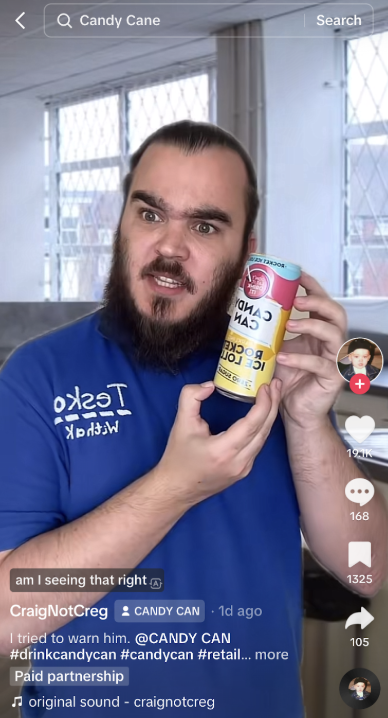
Rather than thinking of influencers as paid media slots, Harry encourages brands to build real relationships with creators.
“If you want influencers to show up for you, you need to show up for them,” he says. “Keep them stocked with your products, keep the conversation warm and stay on their radar when there isn’t a brief at play. That front-of-mind presence drives natural referrals and presence over time.”
Influencers who already like your brand are more likely to talk about it authentically in their own unpaid content. Those genuinely unsolicited mentions aren’t classed as advertising, which means they don’t fall under HFSS restrictions, but they’ll only happen when trust and affinity are already there.
2. Elevate Your Gifting
“Product drops can be lazy,” adds Harry. “If you want influencers to post, give them something they genuinely want to talk about. Make it purposeful, creative and worth sharing – like a mini brief in a box.”
Generic product samples rarely inspire influencers to create compelling content. Instead, Harry advises brands to curate thoughtful and bespoke content-ready packages that feel exciting. Think about what would genuinely delight the recipient and spark their creativity. Tailor the drop to their interests, build an interactive element or provide prompts to bring the brand to life, beyond the product alone. Just because an influencer receives a gift, they are under no obligation to post about it, meaning that even HFSS products can be included if brands aren’t paying for the promotion and any content created is at the influencer’s discretion.
3. Invest in Experiences and Environments
Experiences can powerfully generate organic, earned content – and crucially, they don’t trigger HFSS rules as long as there’s no paid promotion being explicitly advertised. Rather than pushing specific items, it’s an opportunity for brands to design memorable brand moments that influencers genuinely want to share. These could be immersive press trips, on-site visits, pop-up activations or tasting evenings that celebrate the culture and values behind the brand.
“If they can’t be paid to promote the pizza, them show the vibe and energy of the location you’re selling them in,” says Harry. “Create an experience they want to talk about, and they will.”
4. Rethink the Creative
Rather than using campaigns to push products, brands can spotlight their culture, values or services within their advertising by showing up more creatively. John Lewis is an excellent example. The retailer’s beloved campaigns are known for their emotional storytelling and relatable aesthetic, not product promotion. It’s worth being clear on what the brand stands for.
5. Be Bold, Not Fearful
Bravery pays off. As many brands retreat into ecommerce and performance-led content, collaborating with influencers is an opportunity to do the opposite. Trust them with bigger, braver ideas to gain customer trust and loyalty. Think beyond short-term conversions and use creators to create lasting affinity, not just immediate clicks.
Five Ways to Stay Ahead with Paid Digital Marketing
1. Shift Spend to Healthier Products
Redirect paid budgets to non-HFSS product lines. This can help brands incrementally reach new audiences beyond their core base, tapping into health-conscious search terms and showing up in wellness-led contexts, where the brand is relevant and regulation-safe.
2. Lead the Conversation
Paid digital campaigns can be powerful for thought leadership and educating a brand’s community. “Nutrition content, wellness insights, even sustainability work — it all builds brand reputation,” says Andrew. “Not only does it position you positively, but it also keeps you well clear of HFSS breaches.” By using paid to share knowledge and purpose-driven work, brands can strengthen perception without ever mentioning a restricted product.
3. Focus on the Brand, Not the Product
“Think long-term halo, not short-term sales,” says Andrew. “If people love your brand, they’ll find their way to your full-fat cola if and when they want it.”
Instead of pushing a single SKU, use paid to amplify emotional storytelling, values and mission, building brand love and lifting the whole portfolio indirectly. Under HFSS rules, you can’t target children, but that doesn’t mean you can’t influence household purchasing. While kids may be receptive to fun messaging, it’s parents who usually make the buying decisions. Brands can centre campaigns around family occasions, healthier twists on classic treats and the emotional role that brands play in everyday life. These will resonate more with parents seeking balance, reassuring them that your brand still has an important place in their homes.
4. Use Paid to Build Owned Channels
Use paid spend to grow the brand’s owned ecosystem, rather than chase short-term conversions. “Grow your mailing list, loyalty programme, or social group,” says Andrew. “Once people are in your owned ecosystem, you can talk to them freely, as the regulations only apply to paid ads.”
This kind of audience gives brands more control and direct access. Instead of being constrained by HFSS restrictions in public spaces, communicate directly with people who’ve opted in to share product news, offers and content without the same compliance hurdles. Developing this community of subscribers, fans and advocates who not only buy repeatedly, but also champion the brand within their own network helps nurture enduring brand love, encourages advocacy and sustains momentum.
5. Talk to Adults Through Family Moments
“Health benefits don’t have to cut through with teens, but they will resonate with the people doing the shopping,” says Andrew.
Rather than highlighting the nutritional value of a product, focus on the culture, togetherness and emotion. Campaigns that celebrate family occasions, shared treats and moments of connection resonate with adults who want to make balanced choices for their households.
HFSS regulations may limit what brands can say, but they don’t have to limit their cultural presence. By connecting influencer and paid strategies and shifting focus from individual products to brand experience, culture and values, brands can stay visible and relevant.


