


M+C Saatchi and Severn Trent Save Water Thanks to Gorpcore and Festival Style


Saving the environment and getting through to generation zalpha (those between gen z and alpha) are arguably two of the biggest challenges facing marketing teams and brands in 2026. The 13 to 19-year-old demographic are certainly one of the more environmentally conscious, but striking the right tone between informative and condescending is where campaigns can go astray.
M+C Saatchi UK’s work for Severn Trent,‘Wild Brushing’, aims to address the problem of over-consumption of water during teeth brushing. The concept at its core is simple enough - it requires far less water than you might imagine to brush your teeth - but both the brand and the agency wanted to veer away from traditional sustainability messaging and create a product that would affect genuine behavioural change.
Hannah Thomson, M+C Saatchi senior strategist, tells LBB, “Our research showed that younger people were already morally concerned about the environment, but felt disconnected from how their day-to-day actions contributed to the bigger picture. Just telling them to ‘save water’ wasn’t helping bridge that gap.”
With this insight in mind, the Wild Brushing Kits were born. Presented in a gorpcore-inspired metal tin and designed to be shared, each kit contains a sustainable toothbrush alongside three small vials of water, demonstrating that just 20ml is all that is required for perfectly clean teeth.
“By physically demonstrating it, we create an ‘aha’ moment that encourages them to think about their water use more broadly”, Hannah explains. “Our ambition was bigger than getting teens to turn off the tap whilst brushing. We wanted to build greater water mindfulness overall. Research showed this approach was far more effective at building that broader awareness than traditional awareness messaging.
“In short, we didn’t believe conventional sustainability messaging would deliver the cut-through needed to engage the audience. And, if you can’t earn attention, you can’t change behaviour.”
One of the greatest strategic learnings was how to engage younger consumers. As Hannah states, “[Teens] are much more likely to engage with ideas that feel culturally relevant, peer-led and participatory.”
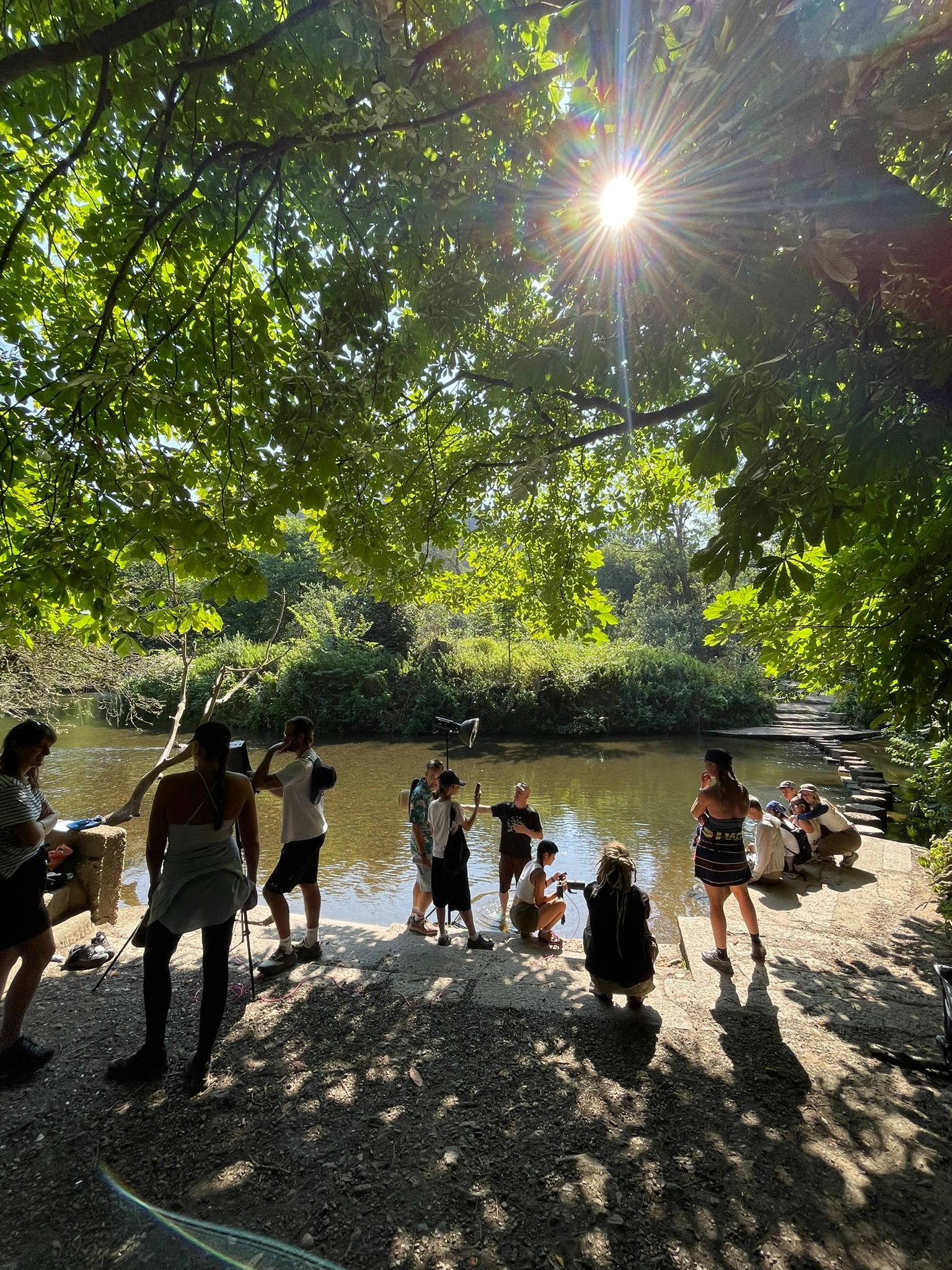
This is where youth and festival culture came in. As well as the sleek metal tin design, the kits were marketed as a fashion rather than a health product: they were launched at Y Not Festival in Derbyshire as a limited edition drop, and influencer partnerships helped to promote them on Instagram and TikTok.
Hannah adds, “We knew that if we wanted to genuinely engage this audience, the idea needed to feel like part of their world rather than another message aimed at them.
“I think we avoided any risk of being preachy because the campaign is so demonstrative rather than instructive. For a generation that is so highly attuned to being marketed to, that felt like a more effective approach. ‘Wild Brushing’ meets them where they already are, using the platforms, environments and cultural cues they engage with every day.”
The gorpcore utilitarian aesthetic is also perfectly positioned as the style that both appeals to gen zalpha (and their social media feeds) and completely embodies the ‘Wild Brushing’ message of environmentalism meets practicality. Tom Lander, senior creative at M+C Saatchi, states, “To this audience these objects of desire aren’t just beautiful, but functional too. Zips, weatherproofing, changeable parts and compartments. TikTok being the bleeding edge of fashion and lifestyle trends, has now made a new, younger group of people fall in love not just with touching grass, but also the fashion associated with it; gorpcore.
“This opened up a rich world for us, where tonnes of different passion points that our audience are into – music, fashion, outdoors, camping, and festivals – play. Tapping into the codes of gorpcore fashion campaigns and influencers helps this work feel far from a water company, and more like something you’d naturally find on your For You Page.”
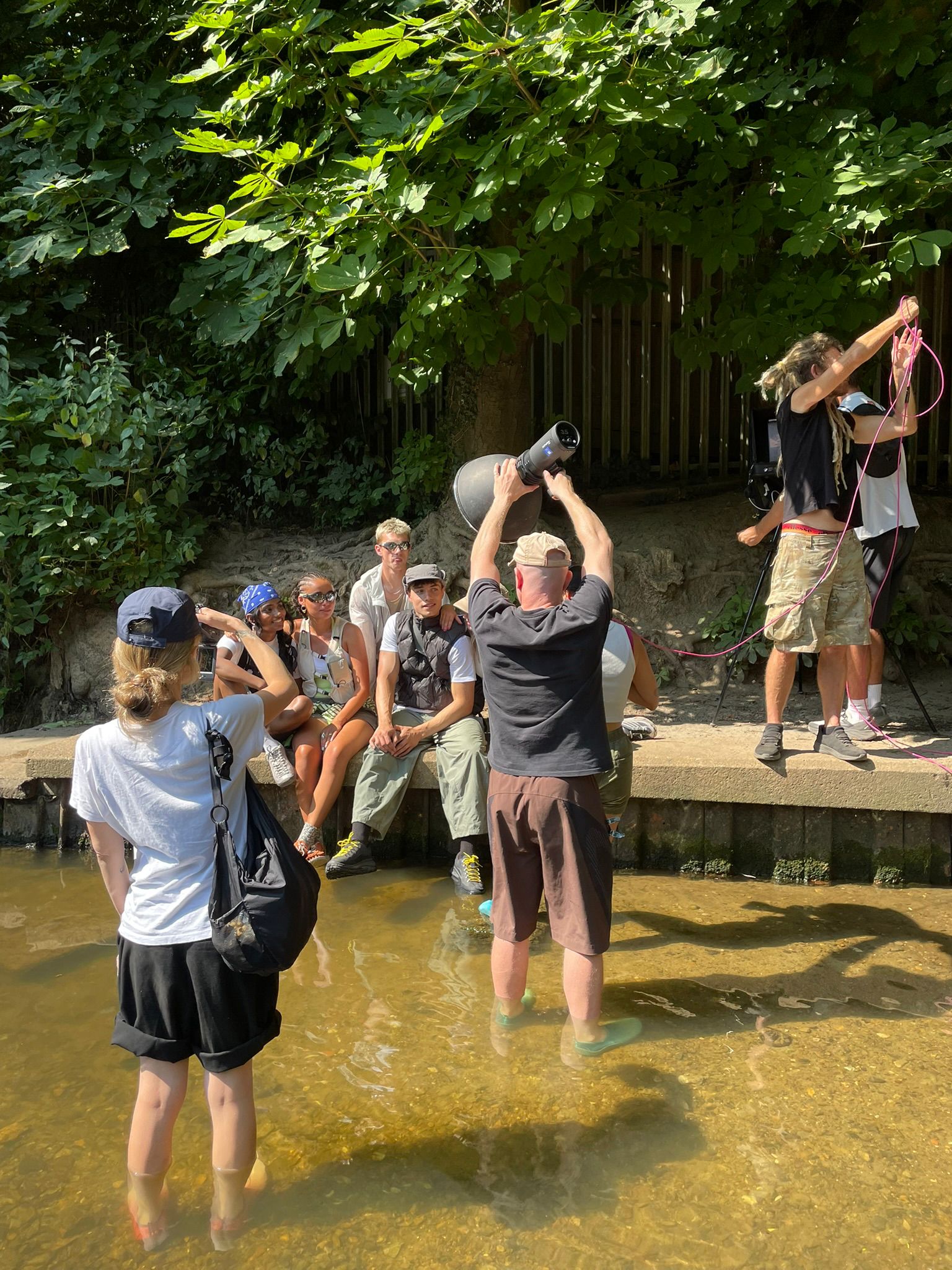
The decision to style the ‘Wild Brushing’ product launch like a fashion campaign, with fashion photographer Annie Feng shooting understated yet slick images in a festival-esque set up, was also very deliberate.
M+C Saatchi senior creative Billie Gurr concludes, “We wanted to make something that felt like it belonged in their world. Fashion gave us a way in. The visual language of gorpcore is already all over their feeds, so we borrowed those codes to make water saving feel less like a lecture and more like culture. It could sit next to a fashion campaign, a festival drop or an outdoor brand and not look out of place. Basically, we wanted people to think ‘that looks cool’ before they realised it was from a water company. Which felt like a much better way to get them to stop scrolling.”


