


AI is Doing For Film What The Sampler Did For Music


In the 90s, music transformed. From minimal techno blips and bits to abstract soundscapes and banging electronic music. From a bedroom. A beat pulsing through a borrowed PC.
It was the end of the massive studio and middlemen as the gatekeeper. The rise of the sequencer and sampler. Akai. Atari. Cubase.
Producers, mainly kids, started making entire albums in single rooms. No label. No budget. No permission.
Aphex Twin, The Prodigy, Squarepusher, Goldie, Underworld, Nine Inch Nails and Boards of Canada to name a few. They didn’t wait to be let in. They just created, experimented and played with process and the limitations of the tech created the style which turned out to be limitless.
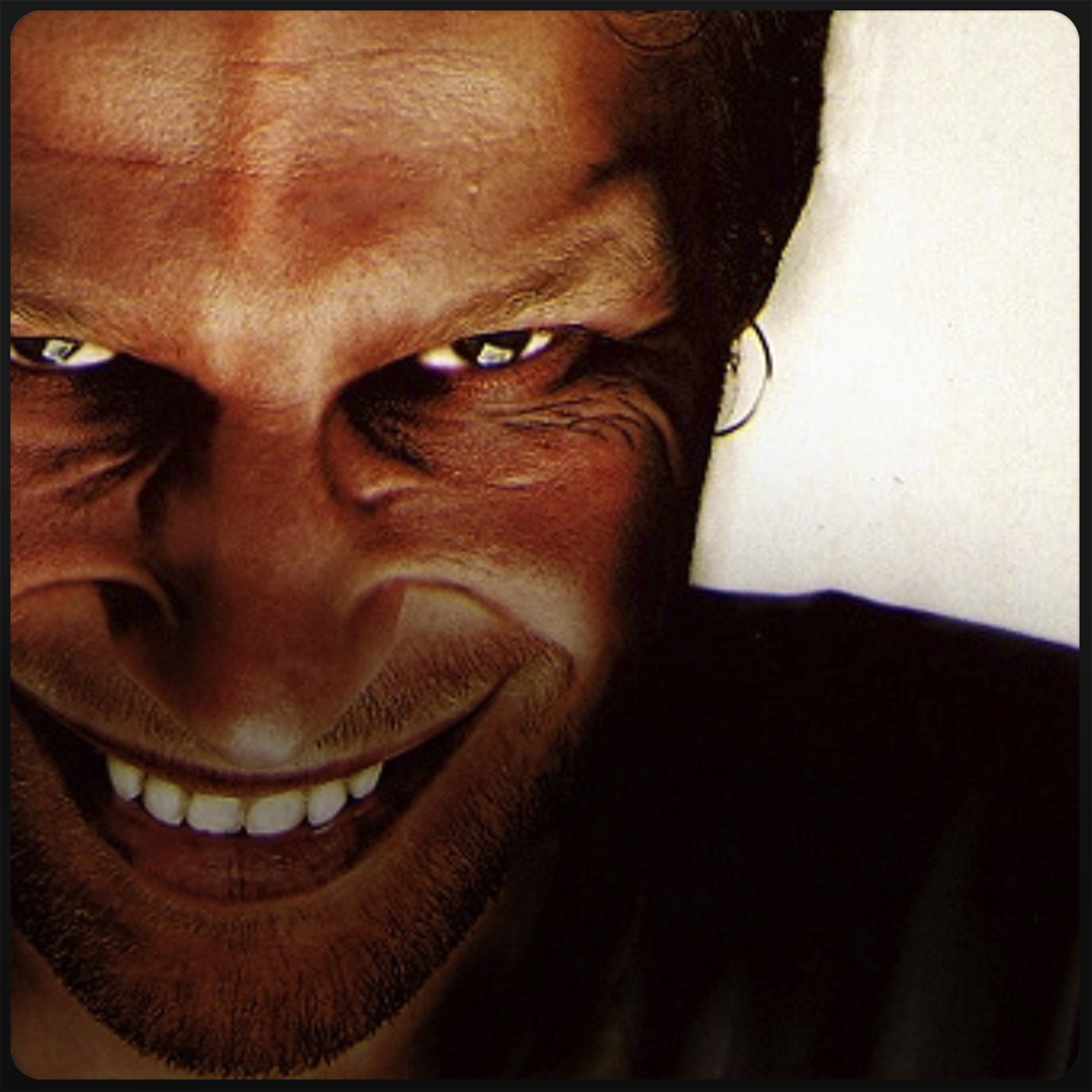
The tools gave them agency. And that changed everything. Creating in flow-state at 2am while the world was asleep defined culture and created new genres.
Now, decades later, film is catching up. The revolution has a new face and that is gen AI. It’s happening again, on laptops. No f*cks given, no middlemen, no big budget studios. It’s happening at 2am, in bedrooms again.
Filmmakers using prompts instead of scripts. Building scenes and characters with gen AI and Photoshop, sets in Luma. Directing with Leonardo AI and Weavy, animating scenes in Veo. No crew. No permits. No VFX pipeline or blockers to stop the creative flow.
There is a new language forming. One image at a time.
New genres are surfacing before we can even name them. A quantum leap a week, it’s hard to keep up. We are in that phase like the early stages of the radio on the TV, it takes time before it figures itself out, before we realise the power of this new creative medium and what we can do with it.
Storytelling, remixed by prompts and perspective, unique points of view. Anyone with access to these tools will change culture.
People like Dave Clark, PJ Accetturo and The Dor Brothers. They aren’t discarding tradition. They’re morphing it into something else. AI tools. Human taste. Hybrid craft.
It’s cinema made by people who learned editing before driving. Who designed in InDesign before Figma. Who see the tools not as shortcuts, but as a new instrument, a new creative outlet.

The old world will push back. It always does. AI slop using AI isn’t creative. But the next wave won’t wait. Just like the last one didn’t.
In May 1982, the Central London branch of the Musicians’ Union passed a motion to ban the use of synthesisers, drum machines, and any electronic devices "capable of recreating the sounds of conventional musical instruments."
The catalyst for this was actually a Barry Manilow UK tour. Manilow had replaced a traditional big-band orchestra with a group of synthesiser players. The union saw this as an existential threat to the livelihoods of 'real' musicians, specifically violinists, trumpet players, and percussionists.
Did drum machines stop drummers? Nope. They coexist and the feeling of creating organically with other humans can never be replaced by a drum pad. Human connection will prevail, as it always does. When creativity speeds up or gets boring, people tend to sway back toward human connection.
So here we are. Every creative revolution starts the same way: new tools, no permission, dim lights in the bedroom at 2am.


