


The World's Best Advertising Looks Like Giant Barcodes, Sunburnt Cars, and Tiny Coffee Machines


In an age where every brand is chasing algorithms, optimising for clicks and feeding content into the AI machine, I spent three days in the south of France doing something almost radical: looking at posters.
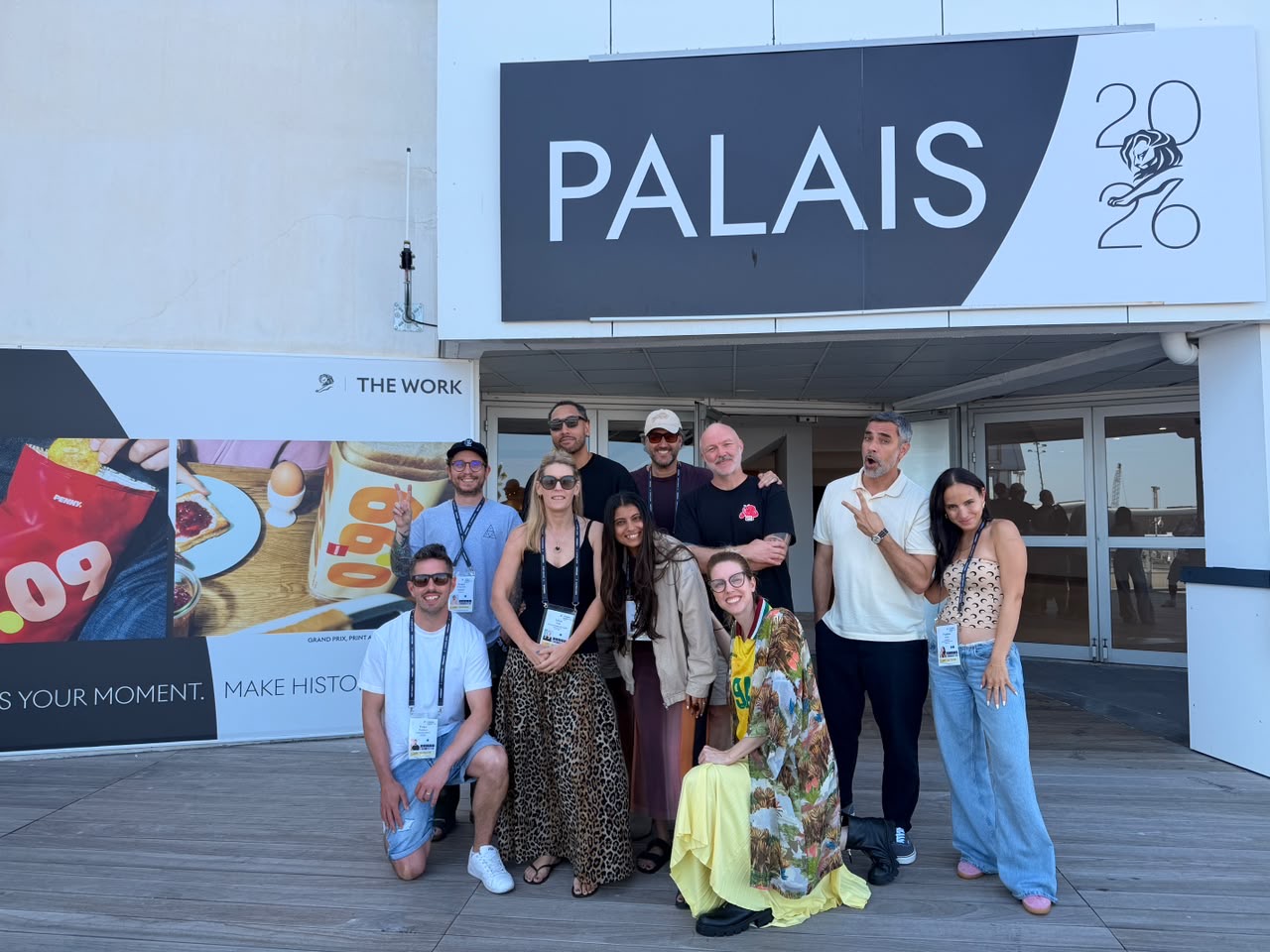
Not just any posters. The 1,300 best pieces of outdoor advertising on the planet, submitted to the Cannes Lions International Festival of Creativity -- the global benchmark for creative excellence. I was there as a juror for the Outdoor Lions, one of 10 people responsible for deciding what the world's best looks like this year.
It was, in the best possible way, a lot.
Why Outdoor? Why Now?
Before I get into what we saw, it's worth asking why outdoor advertising matters at all in 2026. We have programmatic targeting. We have personalisation at scale. We have AI that can generate a thousand variations of an ad overnight and tell you which one performed best by morning.
And yet.
Outdoor is the only medium that cannot be skipped, muted, blocked, or scrolled past. It exists in the physical world, where people still live most of their lives. It doesn't need a login. It doesn't require consent to be seen. It shows up whether you're having a good day or a bad one, whether you're in the market or not. In a fragmented media landscape where attention is the scarcest resource on earth, outdoor advertising has become -- quietly, stubbornly -- one of the most powerful tools a brand has.
And the best practitioners of it know something that the algorithm-chasers don't: you can't optimise your way to being remembered. You have to earn it.
Into the Jury Room
On the walk to our jury room, Aaron Starkman -- founder of Rethink, one of Canada's most awarded independent agencies, and our jury president, set the tone with two questions that became our mantra for the next three days: "What do you notice? What makes you feel something?"
Not "what performed well." Not "what drove conversion." What makes you feel something.
That's the brief. It sounds simple. It is brutally hard.
Outdoor gives you a few words, one image, and approximately two seconds to grab a stranger on the way somewhere else, land your message, and leave a mark before they're back to scrolling. It's the creative equivalent of shouting something witty across a busy road and hoping it lands. The best outdoor advertising in the world makes it look effortless. It rarely is.
The Numbers
1,300 entries came in this year. Each juror pre-judged roughly 350 from home before we got into a room together and started the very civilised process of passionately defending our favourites while politely dismantling everyone else's.
We arrived with a longlist of 217. Day one carved that to 130 -- the official Outdoor shortlist for this year. The process was four things simultaneously: brutal, emotional, inspiring, and surprisingly fast. If something didn't give you a laugh, a punch to the gut, or a genuine pang of creative jealousy, it was gone. And somewhere out there, a creative team who'd poured weeks into that entry would never know how close it got. That part doesn't get easier.
What Separated The Best From The Rest
Once we had our shortlist, two clear trends defined the work at the top. The first was what I'd call reaction-in-the-moment work: brands and their agency partners who spotted something happening in culture -- or something happening to them -- and moved fast enough to own it. The best examples felt completely native to the moment. Not a brand awkwardly inserting itself into a conversation, but a brand that was already there.
For marketers, the lesson is uncomfortable but important: speed and bravery are now a competitive advantage. The brands winning here aren't just making great work -- they're making great decisions, fast.
The second trend was work that could only have come from that specific brand. Ideas built on years of commitment to a platform, a purpose, or a consistent point of view — so deeply embedded that no competitor could credibly replicate them. The jury kept saying some version of, "Of course it's for them. It couldn't be anyone else."
For marketers thinking about brand building, this is the long game. The brands winning Gold at Cannes aren't the ones who reinvented themselves last quarter. They're the ones who showed up consistently, built genuine equity, and then had the courage to do something with it.
The Work That Made It
The Grand Prix went to Field Barcode for Mercado Livre, Brazil's largest e-commerce platform.Its agency, GUT São Paulo, turned the Pacaembu football stadium pitch into a 104-metre-wide scannable barcode, letting fans discover and interact with the brand in real time, in the real world. The moment you hear it, you wonder why nobody thought of it sooner. When a room full of people with strong opinions goes quiet, you know you've found it.
The Gold Lions told their own story.
The Last Coke in the Desert: When I first saw this at home, I thought: beautiful photography, but what am I missing? Then in the room, our South American jury members introduced us to a phrase popular across Latin America: "You think you're so special? You're the last Coke in the desert," meaning someone who overestimates their own importance. Suddenly, the whole room leaned forward.Coca-Cola had taken a cultural saying that already featured their product and reframed it as a tribute to the real heroes: the vendors serving Coke in genuinely remote and difficult places. Warm, surprising, and completely unmistakably Coke. A Pepsi version of this doesn't exist. That's the point.
McDonald's Camera Roll: A poster campaign built around three universal experiences: a wedding, a bowling night, a gig. Each executed as the slightly blurry, chaotic, beautiful mess of photos that ends up in your camera roll, right before the Macca's run.
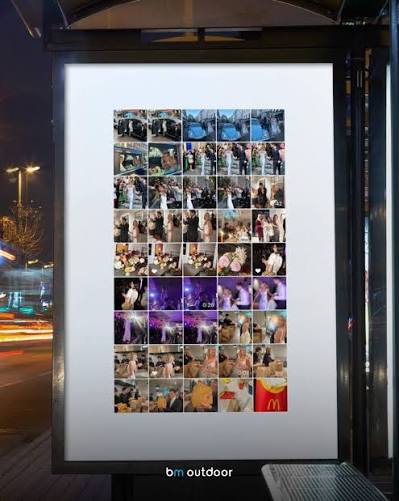
If this were for any other burger chain, we'd have called it immediately. But for McDonald's? Every single person in that jury room had a story. The more we shared them, the more the room fell in love with it. The Lion was won in that moment, not on the screen. Business lesson: when your brand genuinely lives in the cultural fabric of people's lives, all you have to do is hold a mirror up.
De'Longhi's Tiny Coffee Shops: De'Longhi, the market leader in home coffee machines, decided its real competition wasn't other machine brands, it was your local café. So they built miniature, hand-crafted coffee shops around each machine and took them out into the street. The photography was stunning.
So we asked if they could bring one into the jury room. Watch a room full of cynical advertising professionals get on their knees, making involuntary baby-animal noises at a tiny espresso machine, and you'll understand immediately why this worked. If it did that to us, it had no trouble doing it to strangers on the street.
The Sunburnt Car: This one needed context for our international jury members, so I stepped in. The Australian sun is not a vibe. It is a genuine threat. And many Australians spend more time in their cars than people in most major cities, making an unshaded vehicle somewhere between an oven and a health hazard.
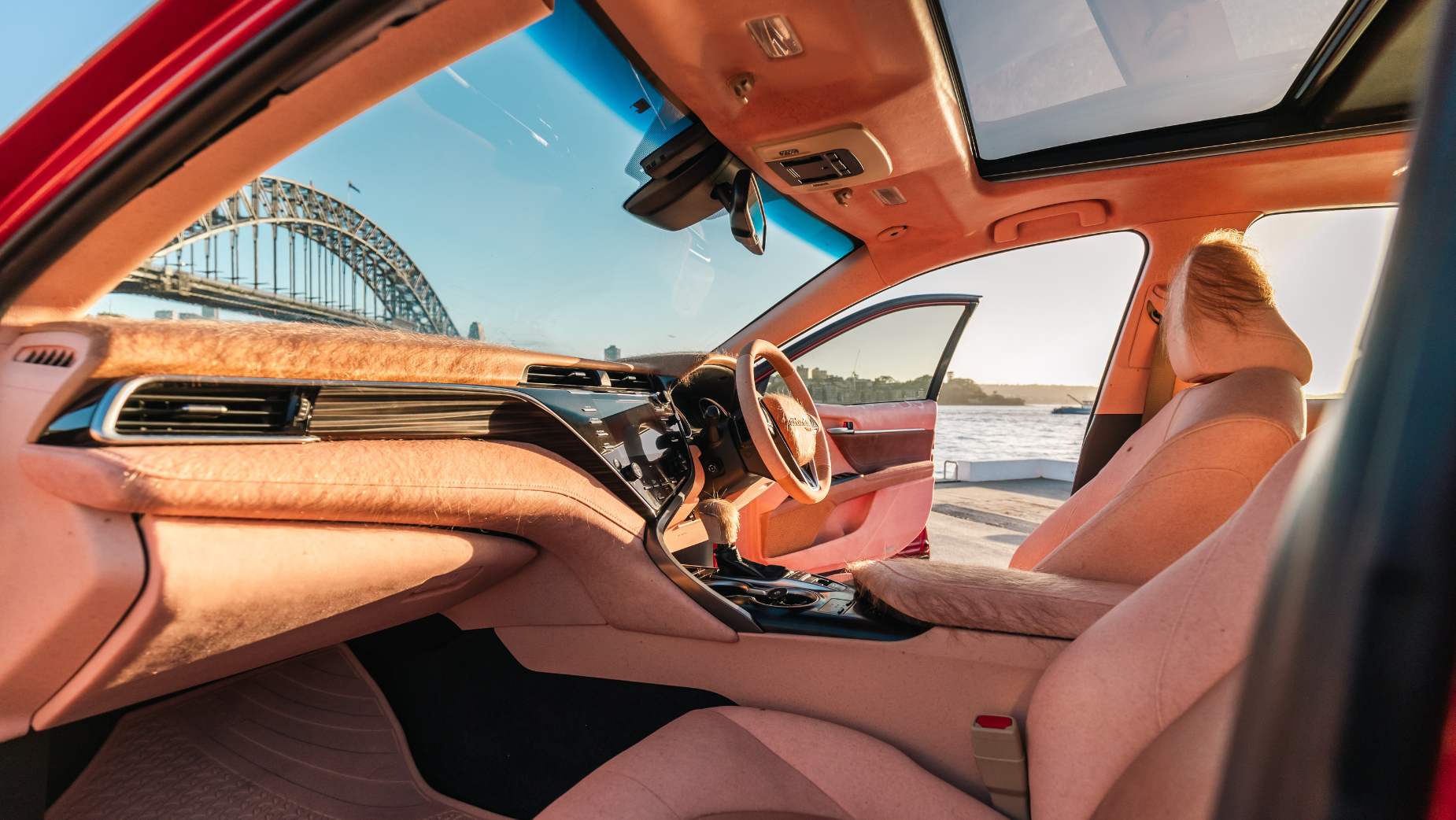
The work made that visceral. Uncomfortably, accurately, disgustingly so. But here's the proof it worked: days later, sitting outside at lunch, half the jury referenced the sunburnt car unprompted. Mid-buffet. That's the outdoor brief in one sentence: get into someone's head and stay there. The brand in question was mycar Tyre & Auto -- not a household name globally, but after this campaign, a case study that will be studied worldwide. You don't need to be the biggest brand in the room. You need the most relevant truth.
What This Means For Marketers
Consistency compounds. The brands winning Gold aren't the ones who changed direction last year. They're the ones who committed to a point of view and stayed there long enough for it to become undeniable.
Culture moves faster than your media plan. The brands who won in the reaction-in-the-moment category had the infrastructure, and the trust between client and agency to move when the moment arrived. That's not luck. That's preparation.
Physical presence still matters. In a world of digital everything, there is something irreplaceable about a brand showing up in the real world, at scale, in a way that cannot be blocked or skipped. Outdoor's power hasn't diminished in the age of AI. If anything, as digital spaces become noisier and more manufactured, the physical world becomes more valuable.
And perhaps most importantly: the best creative work is still the best media buy. The campaigns that earned Gold didn't just win awards, they earned attention, drove conversation, and built the kind of brand memory that no algorithm can replicate.
One Last Thing
Our jury talked a lot about the Young Lions -- the junior creatives sitting in the audience watching Gold and Grand Prix work on one of the biggest screens in advertising for the first time. Kids who chose this industry because they believed it was capable of something. We used them as our final filter. Would this work make a young creative lean forward? Would it give them that specific, electric jealousy that sends you back to your desk wanting to make something better?
The work we awarded passed that test.
I loved outdoor before that week in Cannes. Now I'm insufferable about it.


