


Was 2025 the Year that Brands and Creators Finally Clicked?


There’s no denying that online creators play a significant role in our lives today, and the creator economy isn’t just growing; it’s finally maturing, too. From simple ad-reads on YouTube videos to branded series, sponsored posts, live social commerce, and even collaborative product launches, our social feeds are fuller than ever with creators and brands teaming up – and in evolving ways.
While trying to be heard above the noise, creators faced a few curveballs in 2025 as well; the threat of AI influencers and content loomed with new platforms and tech developments such as Sora 2, and – if you can remember that long ago – the US (nearly?) banned TikTok at the start of the year.
However, speaking with a range of international experts, it’s evident that this is an optimistic sector right now, with 2025 being seen as a catalyst for a new, more meaningful era of creator-led marketing. On the horizon? Deeper models of collaboration, they say. A chance to lean on creators’ authenticity, to bypass the “irrelevant” traditional feeds and “AI slop”, and to become a “central operating system” for brand building and experiences.
To hear what they had to say, read on!
Ansley Williams
Head of influencer at Ogilvy North America
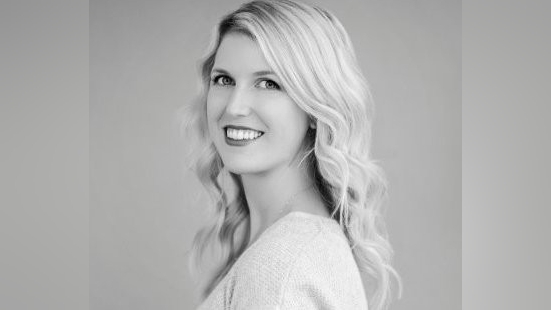
The [TikTok] ‘ban’ scare was a collective gut check – suddenly we realised how much commerce, culture, and real news we funnel through that app. And when it wobbled, creators immediately sprinted to Lemon8, proving creativity has no chill. Meanwhile, AI kept nibbling at authenticity, so creators got even more unhinged – in the best way. I call it the weird and wonderful: creators pushing into stranger, smarter, more surprising ideas to break through. And as brands, we need to tap into that power.
With attention harder to win, the comments section became the new town square. Long-form also made a comeback: Substack newsletters, YouTube deep dives, and ‘Creator TV’ (episodic, sitcom-style content) all surged.
One of 2025’s biggest misses? Forgetting generational strategy. Gen z has buying power, but so do older audiences, so let’s creatively widen the aperture on who we’re actually making work for.
Dana Neujahr
US managing director at We Are Social
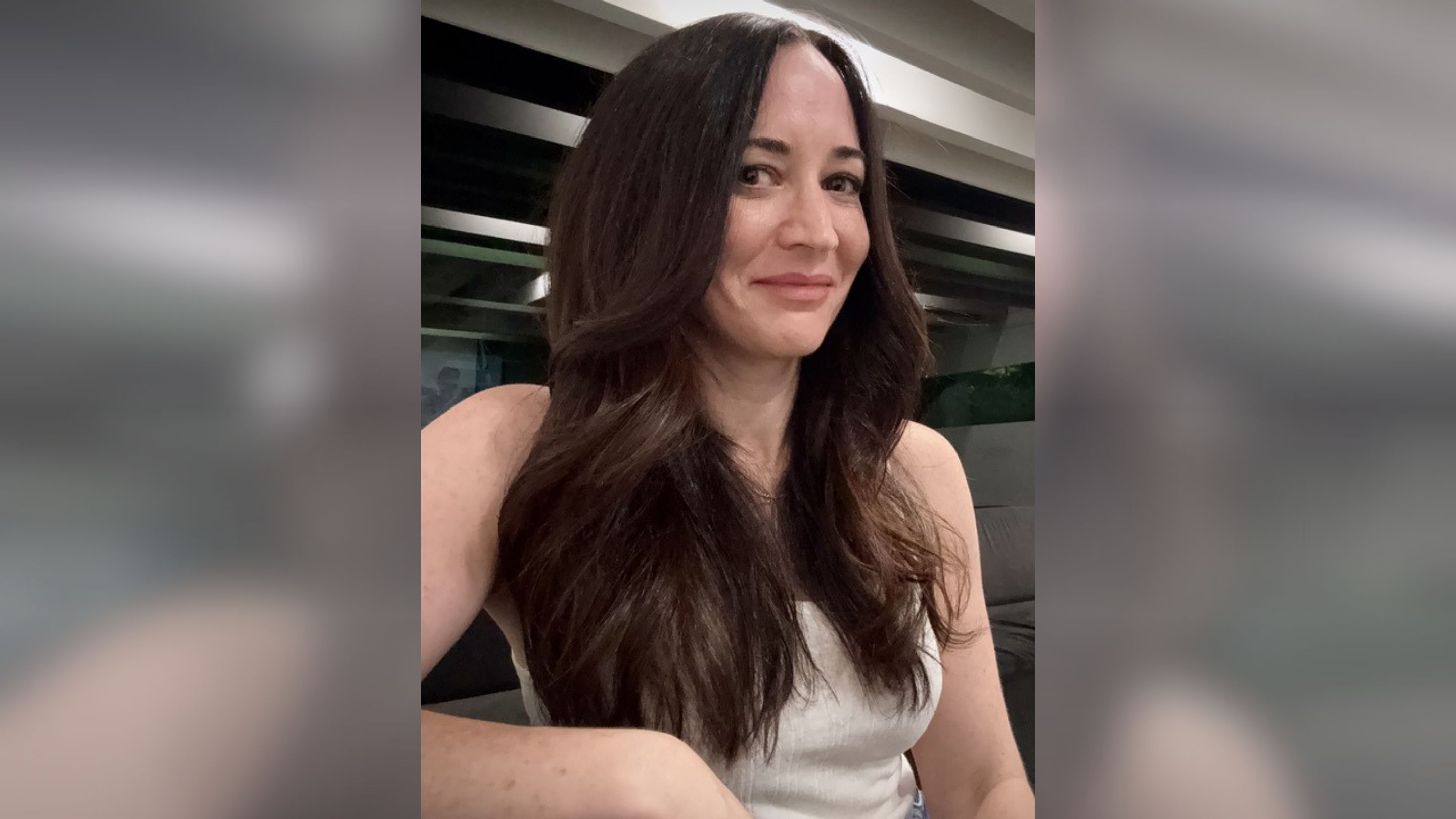
This year, creators didn't just push brands, they helped build them. We saw a fundamental shift where creators weren't just handed a brief; they were part of the strategy, acting as a real-time focus group with the power to launch a product or shape a brand.
What actually paid off was moving past the simple post-and-pay model toward deeper collaboration. And it turned out to be the perfect antidote to the rise of AI influencers. Because while AI can churn out ‘perfect’ creators, it can't replicate the trust a real person holds with their niche community.
Marketers had to stop chasing reach and start prioritising genuine human connection. The partnerships that prevailed this year delivered measurable business outcomes and provided brands with insights they could act on. Everything else? Just expensive content.
In 2026, the bar is set: creator partnerships must be strategic, integrated, and provably effective.
Noah Eisemann
Global managing director, social and influence at VML
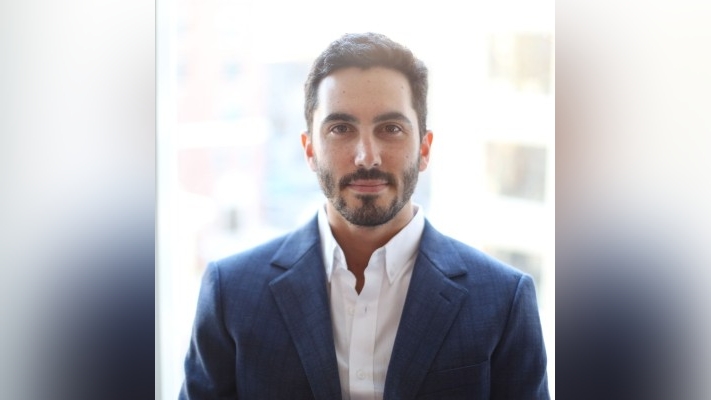
What Worked: Finally connecting creators to paid social in meaningful ways. We saw brands shift from flat fees to compensation models tied directly to paid performance - creators getting a cut when their content converts in Meta or TikTok ads. This wasn't just smarter budgeting; it aligned incentives and elevated creators from ‘content suppliers’ to genuine business partners. When creators see their work driving measurable ROAS, everyone wins.
What was noise: All the handwringing about AI cannibalising creators. Yes, Sora 2 launched AI influencers, and yes, there was breathless coverage. But here's the reality: audiences still crave authentic human connection, and people are already training themselves to identify and tune out AI-generated videos. AI can't replicate the trust built through real experiences and genuine community. Even if AI disruption comes, it's not materialising in 2026. This was classic tech hype overshadowing actual creator innovation happening right now.
John Caruso
Partner, CCO at MCD Partners
Just when influencer marketing felt like it had come of age, generative video crashed the party. Overnight, creators and brands found themselves working alongside an endlessly reproducible supply of convincing fictions, which raises an awkward question for a space that once treated authenticity as the whole point.
In 2025, reality has almost become an aesthetic choice. What’s surprising is that it isn’t met with outrage, only a calm indifference. People scroll past things they assume are fake with the same relaxed judgment they bring to anything else. Even political leaders now circulate artificial media with a shrug, as if admitting the plot has gotten away from all of us.
For creators, that means reality isn’t the expectation anymore. What matters is something people will actually stop scrolling for. In that atmosphere, attention becomes the only real currency left. 2026 is shaping up to be another wild ride.
Olivia Wedderburn
Head of influence at Born Social
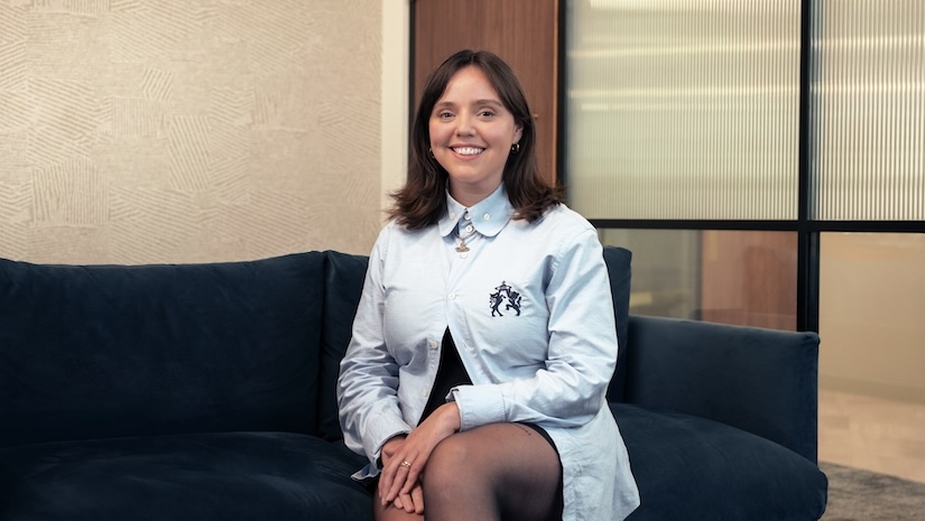
As influence gears up for its next era, the data is coming in thick and fast about how creators stack up against the rest of your media mix when it comes to effectiveness. So, it was galling to most of us to see the facts: non-branded creator content was falling behind big time when it came to recall.
Rather than push the death knell of branded logo-led assets onto the industry (shudders in 2018), forward-thinking brands played 4D chess and started introducing physical objects and other brand cues into their briefs for paid content, and their packages for gifted. The most memorable was Miu Miu bringing Mini Mics into the mailers for its new perfume, giving all the creators an opportunity to create some beautifully branded content as a thank you, and to feature it in all future content. Bose also springs to mind, with the launch of its new Butter Yellow Sound Link, packaged up to represent a block of butter and tap bang into the wider colour trend. Dior leaned fully into the vibe by sending back-to-school realness into the mailboxes of its talent, a physical locker packed to the brim with products.
With so much AI slop knocking about, a huge amount of content is just ambient - and branded artefacts do an excellent job of becoming memory anchors. I did not have ‘bring back branding’ on my 2025 bingo card, but I love how it's playing out.
Erin Lyden
VP of social first at GALE
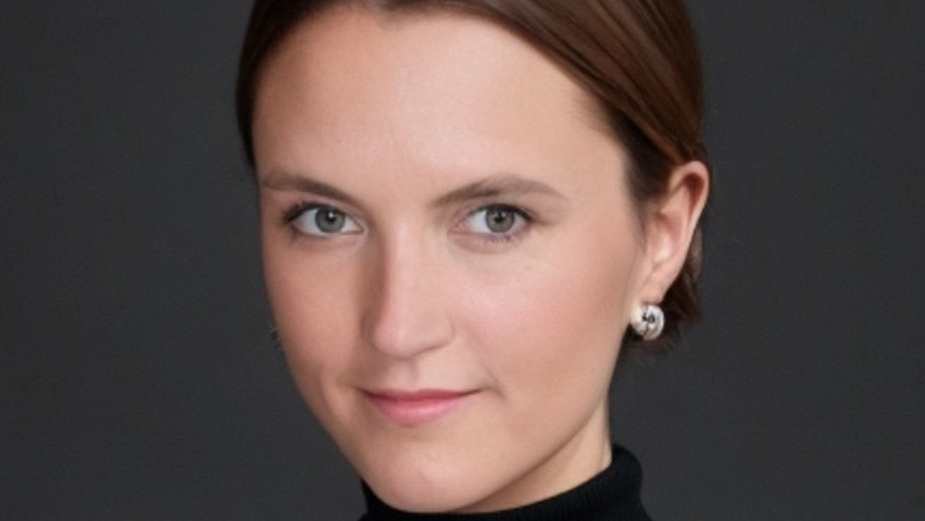
The biggest shift in 2025? The traditional feed became irrelevant. Audiences aren’t consuming content in order of when things are posted — they’re encountering isolated posts that largely live or die based on how people engage with them. Virality isn’t about polish anymore; it’s about whether a piece sparks enough reaction to move through increasingly fragmented communities. That’s why creators evolved into content engines — not to build perfect narratives, but to generate constant tests in a landscape where momentum comes from micro-communities with niche interests picking something up and running with it.
Each post lives independently, with its fate determined by an imperfect blend of algorithmic luck and how audiences interact with it. 2025 was the year we stopped planning for the feed and started planning for the individual piece, through creators.
Katie Ferrigno
Head of social, group social strategy director from Havas NY and Annex88
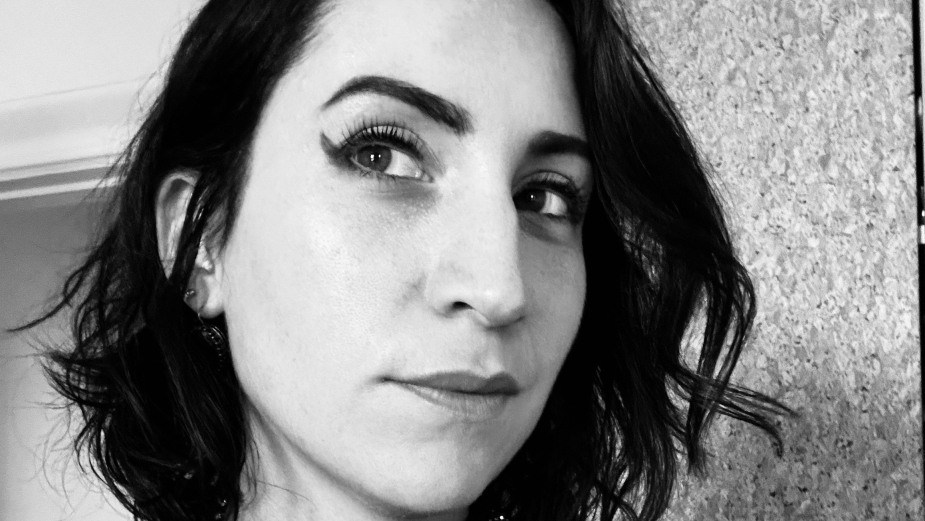
In 2025, we’re finally seeing creators and influencers recognised as true co-creators rather than just media placements. The era of heavily scripted, RTB-laden ads with brands awkwardly forced front and centre is giving way to content marketing that leads with audience interests, with brands playing a more natural, supporting role.
To be honest, it's a little shocking that it's taken this long for brands to get the message, but… better late than never?
Alec Piliafas
SVP of paid social for dentsu X
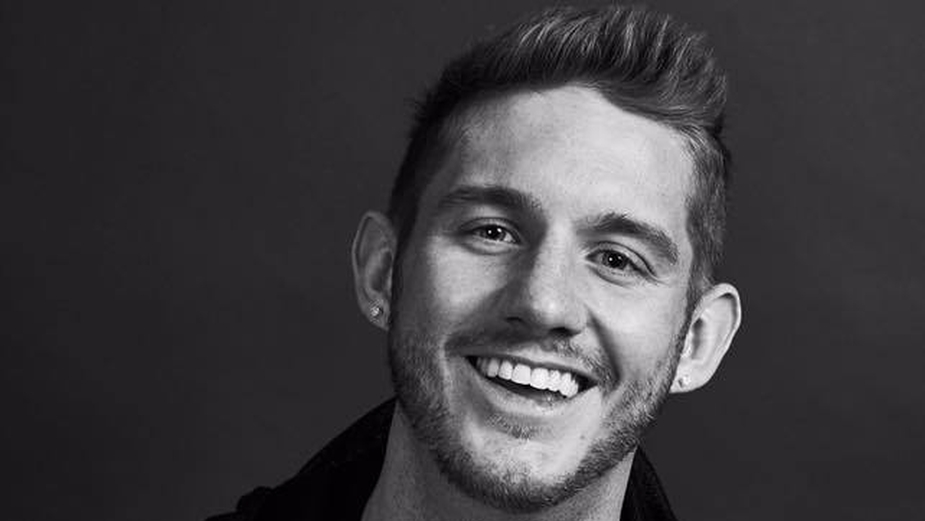
2025 was the year CMOs realised that creators weren’t a tactic or channel - they were the strategy, the media, and the distribution engine. Brands saw that creator-led content outperformed traditional brand assets on every front 10 out of 10 times: stronger equity lifts, lower cost-pers, and more efficient attention. In a year defined by volatility and platform instability (Hi, TikTok), the reliability and portability of creator-driven marketing became even harder to ignore.
The reality is that creator marketing didn’t ‘radically’ evolve - brands just realised that linear ads could no longer deliver cultural relevance or scalable trust on their own.
Looking ahead: Creator/influencer programmes move upstream in every brief, platforms accelerate investments in creator marketplaces and paid partnership tools, and content fragmentation continues as audiences choose people over polished brand aesthetics. In 2026, creators aren’t the add on - they’re the central operating system to build brand and media experiences around.
Franziska Spiess
Managing director at JvM SPREE and partner at JvM Group
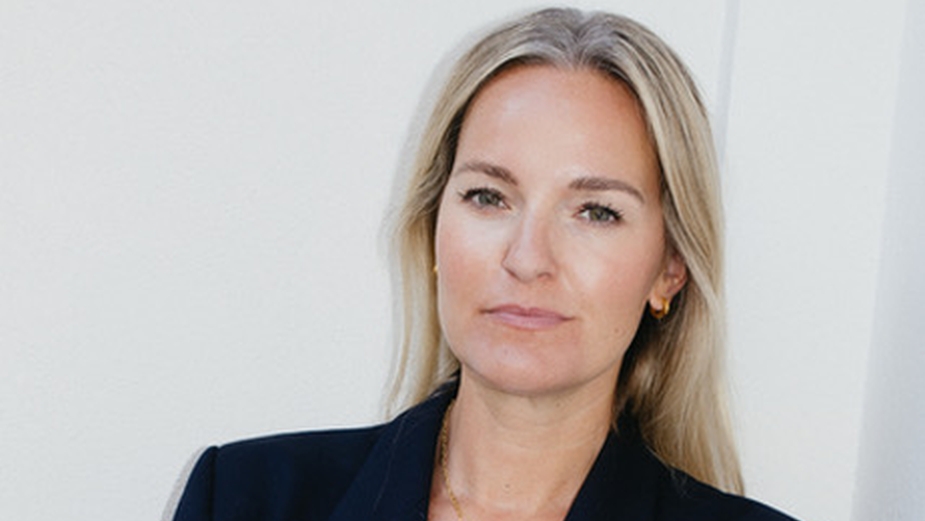
The most interesting shift this year wasn’t a new platform or another algorithm panic. It was that creator marketing finally moved closer to the business end of the funnel. For our clients, the big unlock was social selling.
We saw creators turn product discovery into an experience again, through streaming formats I would describe as 'QVC meets YouTube haul': live, human, unfiltered, a little messy in the best possible way and incredibly effective. Suddenly, they weren’t making content; they were running storefronts, curating taste and driving sales on the spot. And this didn’t happen in isolation. As AI pushes deeper into the creator economy and fills the feed with perfectly optimised sameness, personality has become the rarest and most valuable currency.
In 2025, creators evolved from storytellers into revenue channels. In 2026, the real advantage will be finding creators who fit the brand so naturally that they barely need a briefing.
Urvashi Ajmera
Associate strategy director at Barbarian
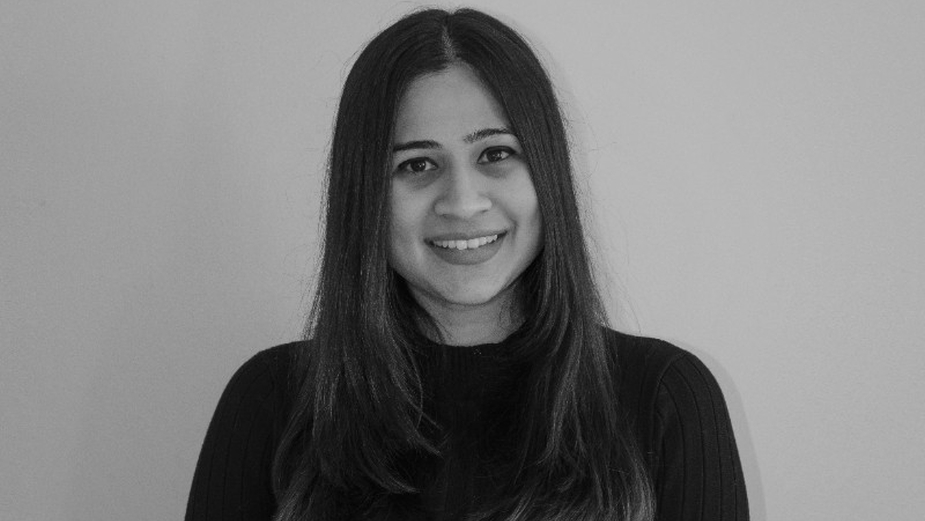
Two shifts mattered most this year: brands learning to fit into a creator’s world instead of forcing creators into theirs, and realising that creators, like people, are better together than alone. The winning brands stopped treating creator partnerships like media buys based on follower counts. Instead, they embedded themselves in how creators already tell stories.
Oribe worked with @just.jully, who naturally fit the brand into her regular content series featuring extravagant Indian outfits. Mallie partnered with @babytamago for TikTok content that felt indistinguishable from her organic posts. These collaborations succeed because brands show up within the creator’s existing format, not as an interruption.
The real unlock? Co-creator content. Pairing creators who are actual friends, sending them to events together, and letting them co-create produces what no brief can: natural chemistry. It’s messier and less controlled, but far more authentic. Tarte proved this by pairing @just.jully and @Vidya for effortless, collaborative posts.
John Barton
Founder, managing director, executive creative director at Thumbstoppers
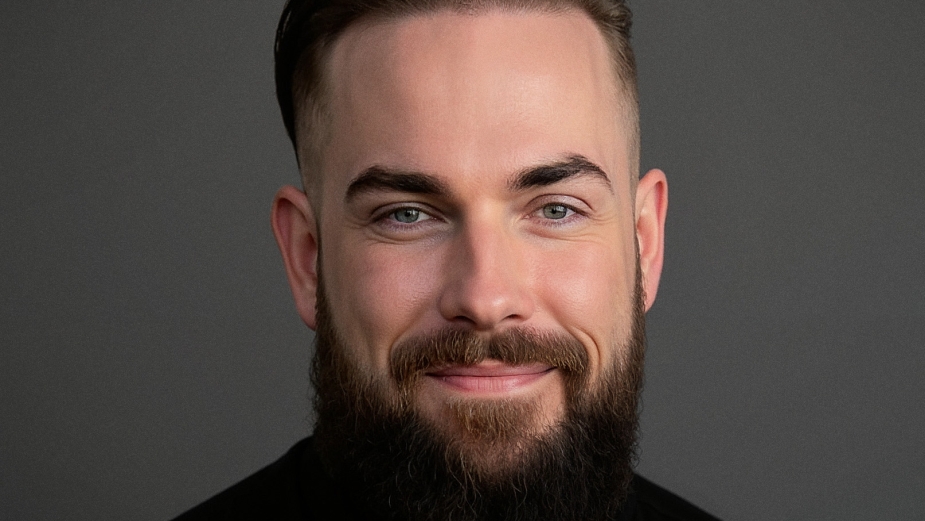
The most exciting development for us in the creator space was watching live social commerce go even further into the mainstream. TikTok Shop has effectively collapsed the entire social funnel as we know it into a single, 'shoppertainment' moment. Discovery, engagement, persuasion, and purchase all are now all happening in the same scroll behind a TikTok walled garden away from Google and ChatGPT.
The most successful brands weren’t the ones with the flashiest creators and the slickest production, but the ones that treated live like a retail channel first and content play second. They have trained talent, built formats, understood stock levels, pricing psychology, and kept creators live long enough to convert.
The biggest misconception for brands that want to play in this space is that live commerce is ‘just another influencer campaign', and that really couldn't be further from the truth. It’s essentially QVC with culture, powered by creators who know how to combine entertainment with real sales skills. It has been said that the creator economy is under threat somewhat from AI in terms of avatars etc. and while this adds an interesting dynamic I'm not sure I agree with this.
For me, the biggest 'threat' (if that's the right word) is audiences getting wise to lazy brand collabs and craving real human connection. The big unlock with shoppertainment for good creators is to take it back to basics with: authenticity. Viewers are connecting and buying because they trusted the person holding the product, not because a brand told them to or even because they have a million followers. For me, this is an opportunity for no-nonsense creators with real personality and substance to enter a real anti-AI creator economy in a rising tide of glut.
Raf McDonnell
Founder, managing director of Talent & Brands, and managing partner of Supernova, both part of Atomic London

Apparently, there are now more than one million people in the world with over one million followers, and sometimes it seems as if there are just as many creator talent agencies. We have seen a gold rush of agencies signing creator talent in this space, with mixed results for both the talent and the brands. And we have also seen the meteoric rise of the business creator on platforms such as LinkedIn, with the likes of Rob Mayhew becoming almost household names within the industry.
As the creator economy matures, we will see many of these agencies fall away, unless they can offer real value to creators in building their long-term careers. The agencies who will succeed are those that understand what brands really want from creator content, and can work collaboratively to deliver that.
Holly Hackenmiller
Director, talent partnerships at Jack Morton
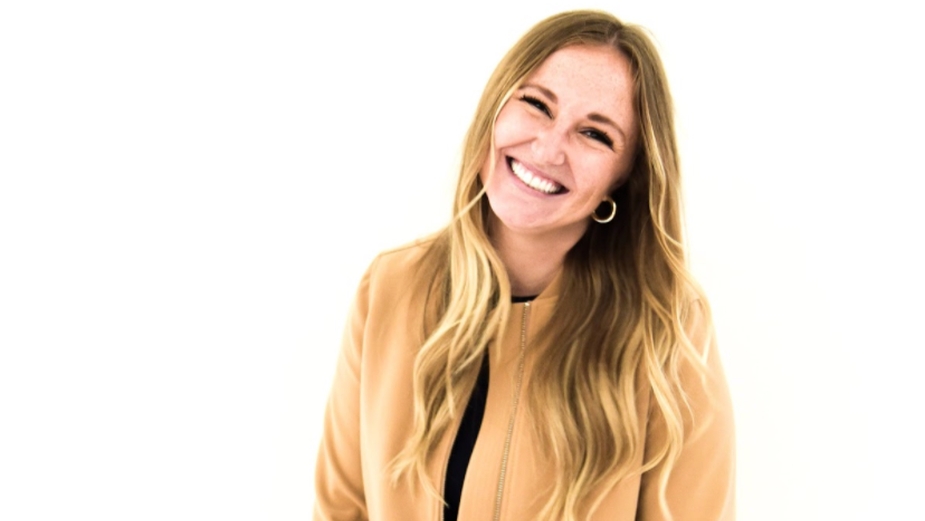
2025 was the year follower count stopped meaning anything. Big numbers didn’t automatically convert, and brands had to face it: creators actually moving culture (and sales) were the ones with taste. Curators of aesthetics, ideas, humour, or subcultures became the real power players. The algorithm rewarded distinct POVs over volume, and audiences rewarded creators who had something to say rather than something to sell.
And with AI flooding everyone’s feeds with endless content, taste became the one thing you couldn’t automate or fake. It basically became the new trust signal. Brands learned (some, still learning) that reach is only impactful when it’s backed by influence — and influence today is defined by taste, not scale. That shift is going to change how talent is cast, measured, and valued going forward.


