


Why “Doubling Down” on Creativity is Canva’s Marketing “Hack”


Whimsical pastels undercut by an exacting eye for balance and symmetry, Wes Anderson is as much designer as he is director. That’s why he’s the subject of a wildly popular retrospective at London’s Design Museum right now. For Amanda Zafiris, head of Europe marketing at Canva, he’s also a creative visionary who’s the ideal entry point for design novices.
That’s why Canva has partnered with the Design Museum and Anderson’s American Empirical Pictures, celebrating the exhibition with a themed pop up photobooth at the museum and a set of bespoke Wes Anderson-inspired templates on the platform, that give users the chance to give their wedding invites the Grand Budapest touch or a splash of the life aquatic.
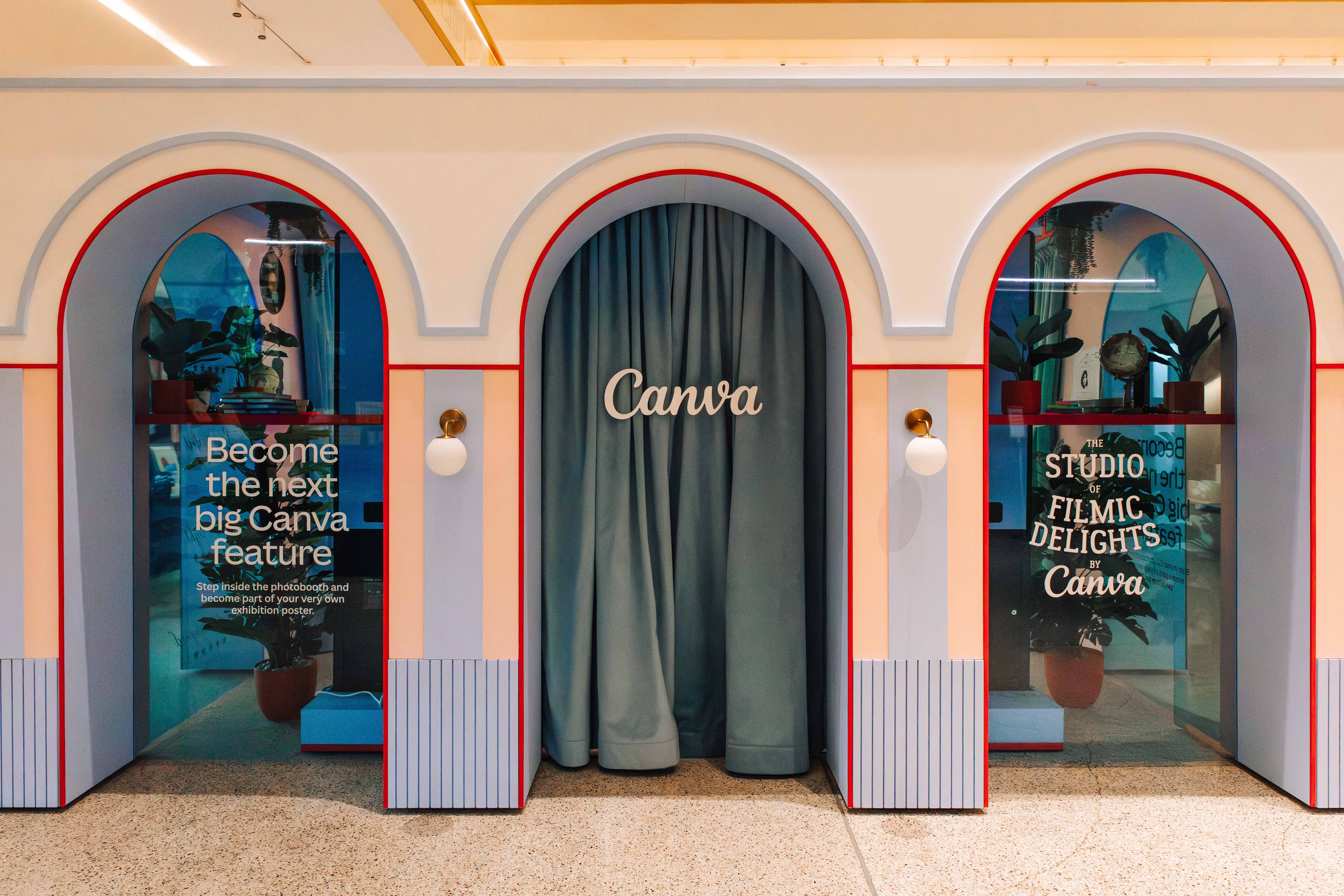
“One, he's a design and creative icon. Two, he's such an accessible entity, and I'm sure you know we're all about empowering the masses to design and people who wouldn't necessarily class themselves as creative to engage with that world and enjoy it,” says Amanda. “It kind of feels like a nice gateway to what people might not necessarily consider design-led work, but actually when you get into all of the elements of his films, and that's what the exhibition is great at, that's what it is.”
With around 200 people a day engaging with the pop up, for Amanda it’s a great manifestation of the Canva team’s desire to bring a digital product into the real world.
“The first pillar of this and all of the activations that we invest in, is trying to converge that physical and digital experience and enable sharing of content that makes people feel really good. And it aligns with their experience of the platform, which is you are suddenly given all of this freedom to express yourself in a way that feels really low effort and intuitive and fun.”
When it comes to sponsorship, Amanda says Canva gets approached with lots of opportunities but they shy away from anything too ‘badgey’ where it’s simply about placing logos. Given the nature of the platform, any activity has to come from a place of creativity.
When it comes to creator collaborations, Wes Anderson is the highest profile name Canva has worked with in the UK market. However, this project is a signal as to where the team aspires to go in the coming year.
“We've got quite a lot of sort of creator-led conversations ongoing. For us, there are just so many opportunities and, there are so many stories you can tell around Canva, says Amanda, who shares that they’re trying to refine that creator conversation around people who align with their values of accessibility.
One of the interesting marketing challenges faced by Amanda and her team is that Canva’s mission to make design accessible to all means there isn’t one specific market or demographic. Even considering the B2B and B2C markets, there’s a sizeable overlap and fairly fluffy blurred line. An inhouse creative using Canva to create invites and table settings for their grandad’s 90th; a groomzilla who’s used Canva for their signage and place cards introduces Canva to their business’s marketing team
“As a marketer, I think a lot about that graduation that can happen within the product,” says Amanda. The marketing strategy follows that journey and the potential paths down which it may lead. That idea of ‘graduation’ is something Amanda has personal experience of. When working at a real estate business, she came across Canva when designing an invite for her son’s birthday, and from there she encouraged the rest of the team at work to have a go and got to understand the platform more deeply until lo-and-behold, she ended up working there.
So, the Canva team doesn't think about audiences as much as they do entry points. They do extensive research to understand the most common entry points in each market. In the UK, reveals Amanda, that’s creating impressive-looking presentations in a time crunch,
“They're really wanting it to be really visually compelling, because usually it's pitching for budget, pitching for an idea, pitching for funding, as a small and medium business. So we're thinking about how we can lean into that use case within our communications,” says Amanda. “We have that for every market now. I think we take the research component quite seriously because we want to make sure we're showing up where people need us, but in terms of targeting, generally try and keep it broad, just given that the opportunity does exist for everyone.”
Of course, when your business is all about enabling design, one of the big pressures facing Amanda and the team is that they have a very high bar when it comes to the craft and creativity of their own marketing. Of course, the team does have a not-so-secret weapon at their disposal – they do, says Amanda, use Canva when creating their own marketing assets and collateral.
That being said, they’re big believers that tools like Canva are enablers, not replacements for creatively talented people. Last November, the team brought on a creative director for Europe, Tom Carey, and Amanda says comparing their creative output before and after the hire has been like “night and day”.
”Specifically in today's economy, in all of the marketing communities I sit in, there's a lot of debate around to what extent you should invest in creative resource, especially now that AI tools are available and production can be quite easy and cost-effective. But actually, we've really seen quite a measurable impact pre and post having a creative team in place… you see the payback quite quickly in the investment,” says Amanda.
“I guess that's our hack: we really invest in creative resource. We spend a lot of time making sure we find the right people, like again, values-aligned, people who care about design, people who care about people, and are good leaders. All of that is quite important to making sure that there's a really high standard of work.”
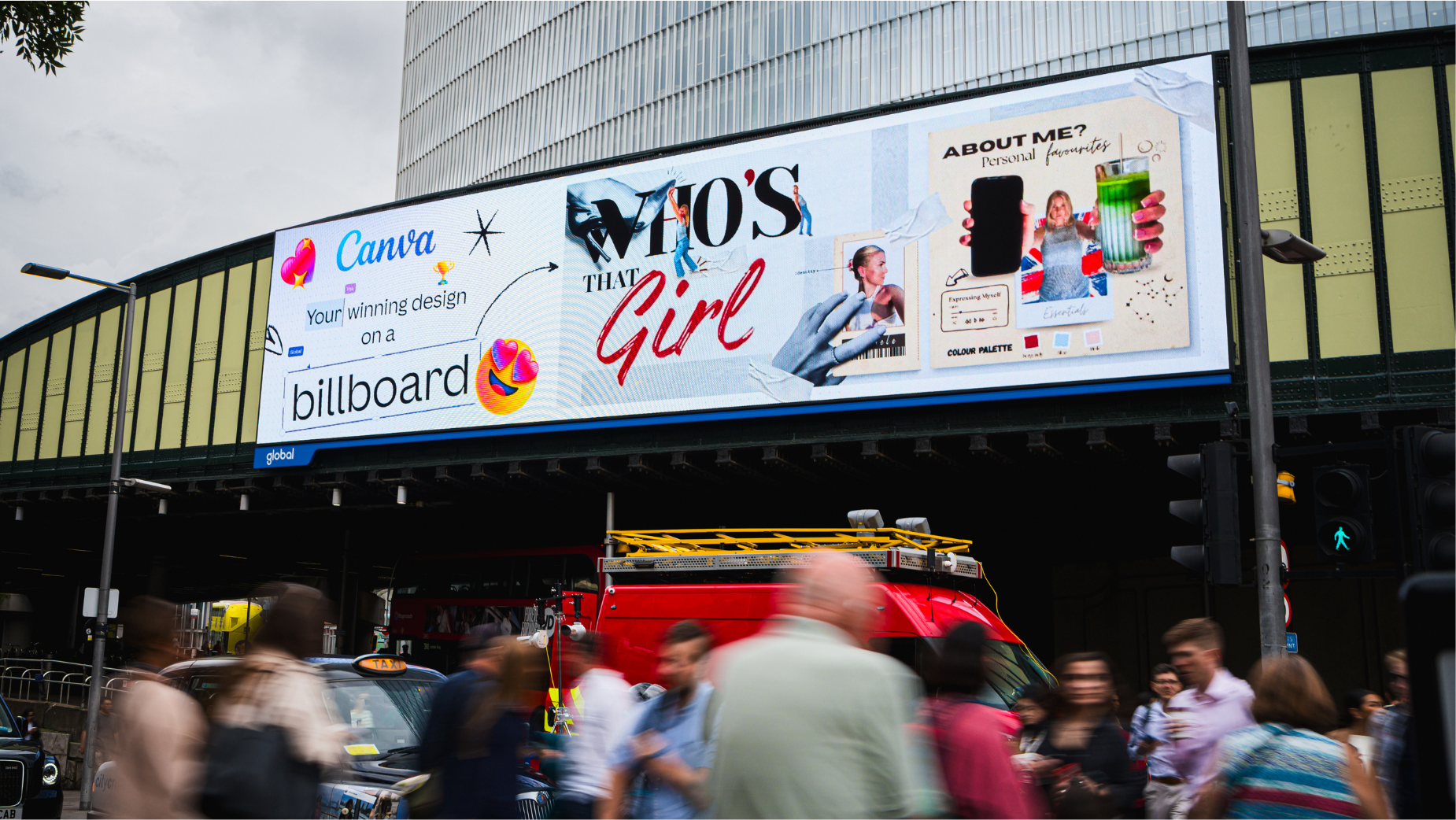
That approach was encapsulated in September brand campaign Debbie & Sons with Stink Studios, Stink Films, Talon and Grand Visuals, a quirky tale of a sandwich maven who finds her business takes off when her boys get creative on Canva. There was also a big OOH push that sought to bring everyday creativity to life.
Heading into 2026, Amanda says her big focus will be more of that “upper funnel”, creative, brand-led marketing. It marks a new phase in Canva’s growth. Until recently, the “immediate payback” of performance marketing has been the team’s main focus but now they’re gunning for more mainstream awareness.
“It's working for us,” says Amanda. “We're seeing major improvements in terms of brand awareness, understanding that Canva is a good tool for work, and just understanding the breadth of the platform. So, we're going to double down there… How can we deliver a message on mass that really makes the product shine and really makes the use case really clear? Now it's about how we can deliver content that's really entertaining and compelling that you will talk about.”
That’s also where bigger scale collaborations with celebrities can also come in, such as this current partnership with Wes Anderson. Amanda is keen to evoke and capture a sense of surprise at what one can do with the platform. That was the flavour of positive response triggered by this year’s OOH campaign the creative team did with Stink, and it’s what Amanda would like to lean into more. Indeed, even with the Design Museum project, Amanda mentions that the initial conversations about the bespoke templates involved only a light hint of Wes Anderson’s style but the more his team got to understand the brand and tools, the more involved and elaborate the templates became.
It’s the perfect encapsulation of the message that Canva wants to spread and the behaviour they’re keen to encourage. “The further you engage it, you realise that there are just so many opportunities for Canva to add value even in places you didn't really think about before. So, yeah, I think that's what I mean when I talk about the surprise element, wanting people to feel good and like they're empowered to do good work.”


