


Animators on Their Favourite-Ever Animations


Animation is one of the most varied mediums at a filmmaker’s disposal. For every distinct style, there are many variants, spin-offs and hybrids, leading to generations of imaginative visuals inspired by, and iterating on, a longstanding tradition.
The form’s presence in the practical and digital realm, plus its bountiful evolutions over the decades, and the timeless quality it can provide to work all mean that young artists and animators alike have never been short of inspiration. For every ‘Wallace & Gromit: A Grand Day Out’, there’s an ‘AKIRA’ or a ‘Yellow Submarine’ – three animated films considered brilliant, but with such disparate aesthetics and tones that addressing them all as ‘animation’ just highlights how the medium is only constrained by the creator’s imagination.
With all this in mind, we wanted to find out which projects inspired some of the top animators and animation directors in the industry today. We asked talent from some of the best studios, from Jelly to Titmouse, Blue Zoo and more, to share the animated works – be it a film, music video, ad or something else – that has stuck with them, and shaped the kind of artist they have become.
To see what they picked, why they had such a big impact, and why anyone interested in the craft of animation should check the projects out, keep reading!
Eric Kilanski, animator at the STUDIO
on 'Heavy Metal' (1981)
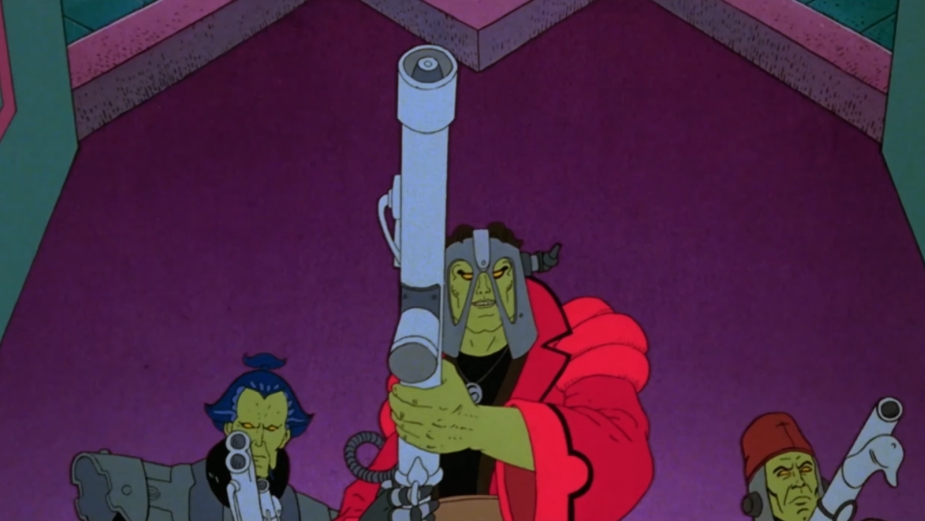
For me, when I saw the original ‘Heavy Metal’ (1981) way too young, it really showed me that animation wasn't just a medium for children but something that is truly only limited by imagination. The range of style, imagination and tone really broke the norms of what was being created at the time. I feel like it was a truly groundbreaking piece of art and pop culture that is still influencing animation today, most notably in 'Love, Death, and Robots', but many others that tackle mature themes in unique styles, and not just a continuation of an established intellectual property off an established assembly line.
Mahboobeh Kalaee, director at Jelly
on hybrid animation
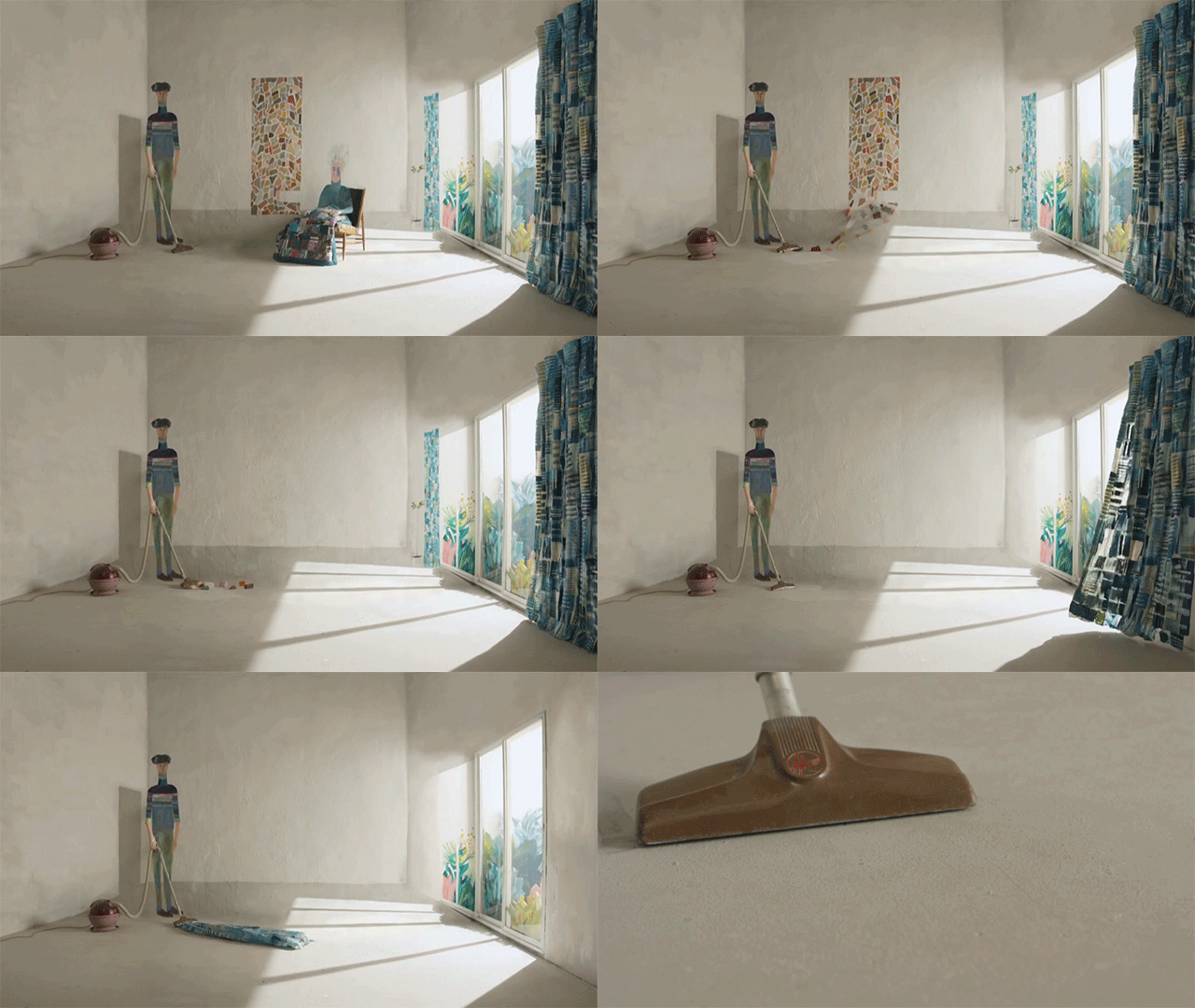
From 'Who Framed Roger Rabbit' to 'The Bigger Picture', animation and the contrast between real life and fantasy - and watching them blend into a single, intertwined vision - has always drawn me in with a magical pull. Exploring films that build their own worlds through hybrid storytelling, from the earliest 'Gertie the Dinosaur' to today, has deepened my sense of my own hybrid world.
This is why I gravitated towards hybrid animation: the fusion of live action and animation vividly demonstrates the power of imagination. In this form, ideas leap between textures, frames and realities, revealing creativity without limits. The ability to merge the tangible with the imagined shows how boundaries blur, turning the ordinary into something wondrous. This boundless creativity keeps me inspired and committed to my craft, reminding me that imagination is not just a tool - it's the essence of my life and purpose. Being hybrid is a fundamental aspect of human experience, a naked honesty I see reflected in hybrid work, aligning with my life.
Chris Cookson, senior motion designer at We Are Social US
on 'Rejected' (2000)
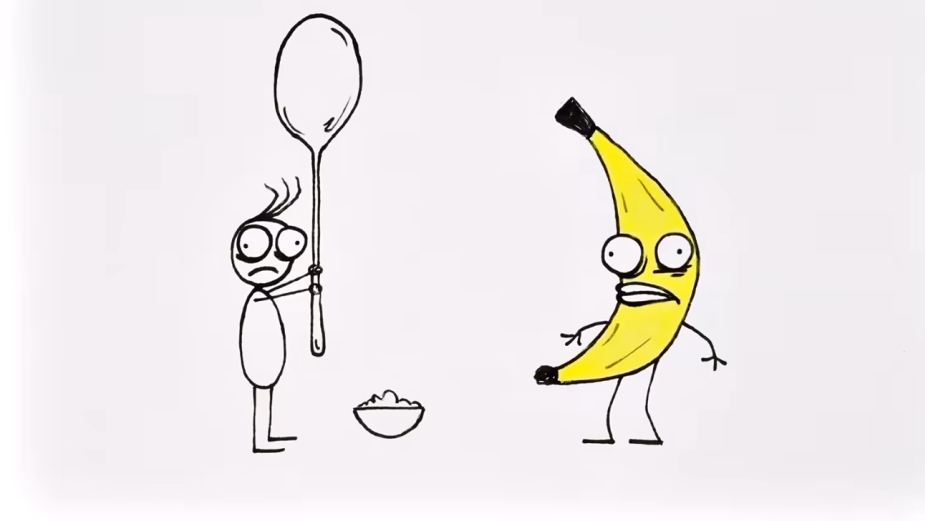
My easiest recommendation would be Don Hertzfeldt's Oscar-nominated short, ‘Rejected’ (2000).
As a comedy-oriented motion designer, this film was foundational to my career. Its unhinged, surreal humour and lo-fi style can easily be seen in online comedy today. 'Rejected' proved animation had room to be dark, weird and experimental, showing that what's considered highbrow and lowbrow can exist in perfect harmony.
Technically, the short is just as groundbreaking. Hertzfeldt used a 1940s-era 35mm rostrum camera, deliberately manipulating the hand-drawn paper near the climax and becoming a visual metaphor for the struggles of an artist.
The short inspired me to join the Newgrounds community in high school, finding whatever weird way I could to make people laugh. Now I do this for my job.
The most inspiring thing about the short is that Hertzfeldt has maintained fierce independence touring his films and selling them directly to his fans, never joining the culture he expertly satirises.
Edgars Lielzeltins, senior animator at Panic
on 'Fantadroms' (1985)
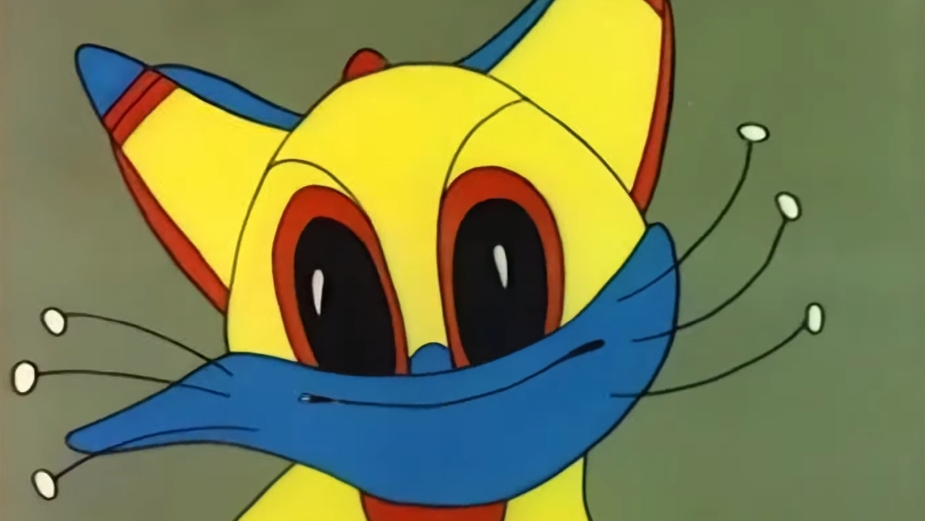
As a kid, I was always mesmerised by unusual stories. But there’s one that’s stayed with me, still impressing me with how progressive it was for its time: ‘Fantadroms’, a 1985 animated series from Latvia’s legendary studio Dauka.
It follows a shape-shifting space cat who travels through surreal worlds and navigates strange relationships with an anxious mouse, an often gloomy cloud, a milking cow, and another space cat, who experiences the world through feelings.
What fascinated me most was how emotions were expressed and story was told without words. The worlds and actions defied ordinary reasoning, and somehow that still made perfect sense. Even now, 'Fantadroms' reminds me how imagination doesn’t need explanation — it just needs space to exist.
Alicja Jasina, animation director at NERD Productions
on 'Orgiastic Hyper-Plastic' and 'The Making of Longbird'
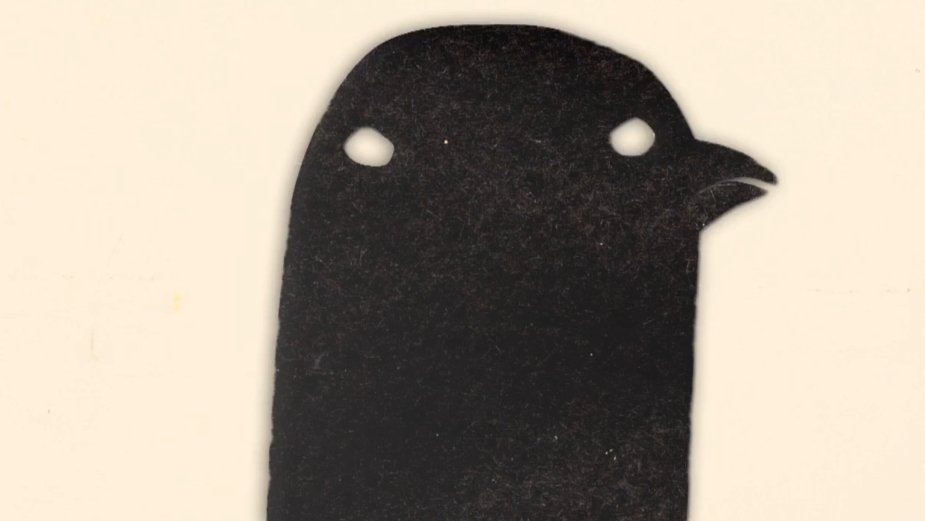
Two films that have stayed with me are 'The Making of Longbird' by Will Anderson and 'Orgiastic Hyper-Plastic' by Paul Bush. Anderson’s film felt groundbreaking - the storytelling was innovative, witty, and full of surprises. I loved how the bird being animated takes on a life of its own, and how the story turns unexpectedly emotional by the end. It’s phenomenal. Since then, I’ve been drawn to mixing techniques myself; it feels like such a fresh way to approach animation.
Bush’s film, on the other hand, is pure visual delight. It tackles plastic pollution in a playful yet subversive way, turning discarded objects into something unexpectedly beautiful. It’s both abstract and crystal clear, with sound design and editing that are absolutely spot on.
Yolande Clerke, senior lighting and compositing artist at Blue Zoo Animation
on 'Animal Farm' (1954)
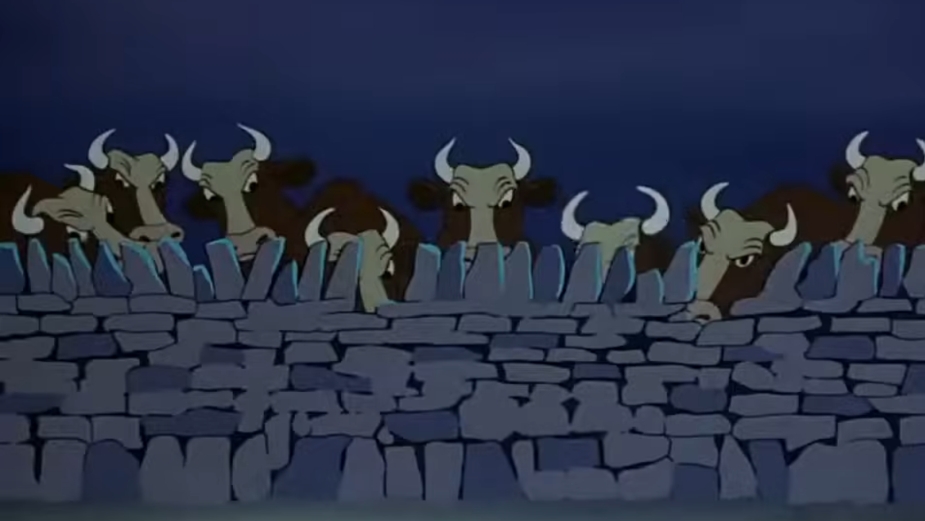
At some point in the early '90s, my parents recorded the animated adaptation of 'Animal Farm' onto VHS, without giving much thought to the age appropriateness of the source material. Haunted by the glue factory van, the farmer's sinister five o'clock shadow and why in the world the pigs would suddenly wear tuxedos, the outcome for me was always the same: complete confusion with a side of terror.
I knew nothing for years of the politics behind the story or funding the film, or that it was the first British animated feature (not to mention with a female director). But I would recommend it for the descent into corruption that could rival 'Breaking Bad'. But with pigs and historical basis.
How has it shaped my work in animation? Probably as a lifelong desire to translate the confusing world of adults into some kind of code for young audiences to decipher.
Chris Prynoski, founder and president at Titmouse
on 'Lupo the Butcher'
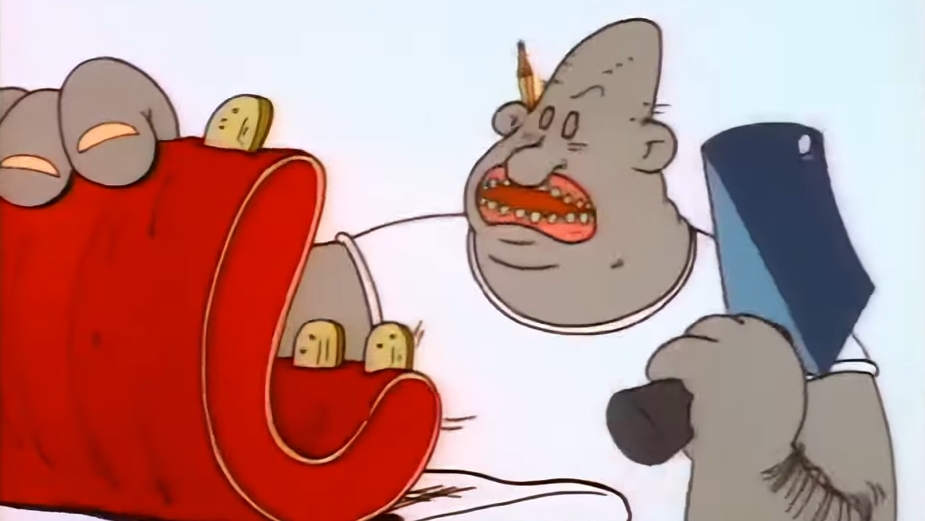
I first saw 'Lupo the Butcher' at Spike and Mike’s Festival of Animation while on vacation with my family. Up until that moment, I thought cartoons were all Saturday morning stuff or Disney features like 'The Little Mermaid'. Then Lupo appeared on the screen, angry and bleeding, but hilarious - especially to a teen who had never heard a cartoon character curse.
It was unapologetically adult, and it blew my brains apart. I’d never seen animation used like that before: raw, gritty, and totally fucked up. It was a turning point for me. I realised animation didn’t have to be polished or safe. It could be punk rock and bloody.
Danny Antonucci showed me that you could channel rage, humour and chaos through drawings and make something totally different. That moment lit the fuse for everything I’ve done since.
Zack Williams, art director at BUCK
on Bruce Bickford
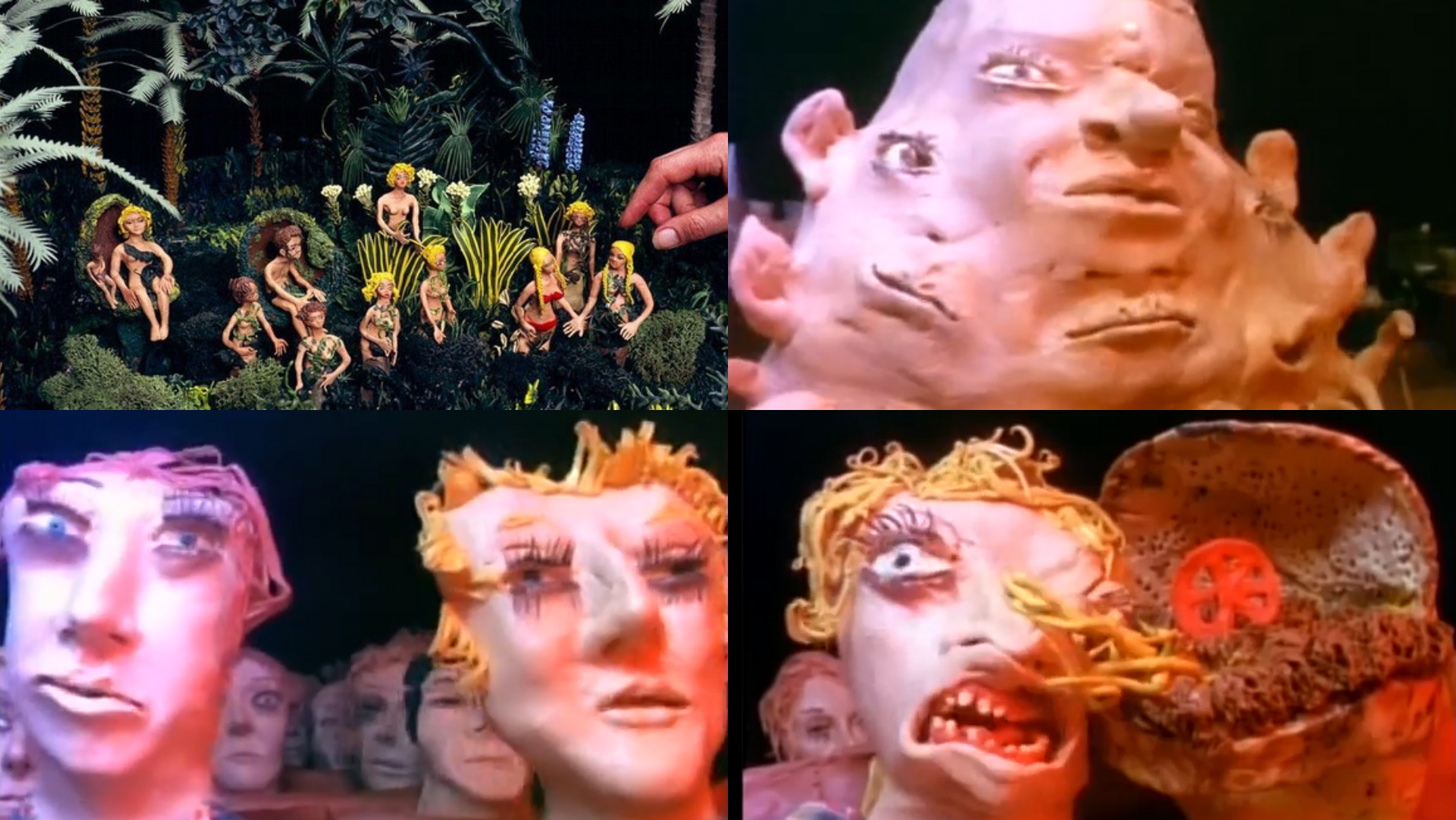
I first saw Bruce Bickford's animation work within the 1979 Frank Zappa concert film, ‘Baby Snakes’. I had grown up with 'Wallace and Gromit' and The California Raisins, but this was different. This clay felt lawless, at times ugly and bold, while somehow extremely personal. It was an unwieldy, shape-shifting, grotesque dip into someone's stream of consciousness. It also looked fairly DIY, convincing teenage me that I could do it too.
Most commercial animation is a Sisyphean endeavour, relying on the combined efforts of dozens of artists. This shared labour can lead to animation processes that feel rigid, full of rules, and ‘things you have to do’.
Bruce's work opened a creative window for me because of his (seemingly) reckless creative abandon. His tendencies to play with time and space, break the fourth wall, indulge in tangents, and reject any notion of staying ‘on model’ did not matter, deepening a space for a sprawling imagination to occupy.
A lot of Bruce Bickford’s films can be characterised by constantly morphing subjects that challenge assumptions of what animation should be. This challenge is an opportunity to see the medium in a new light and ask, ‘how can I push deeper into some unknown territory?’.


