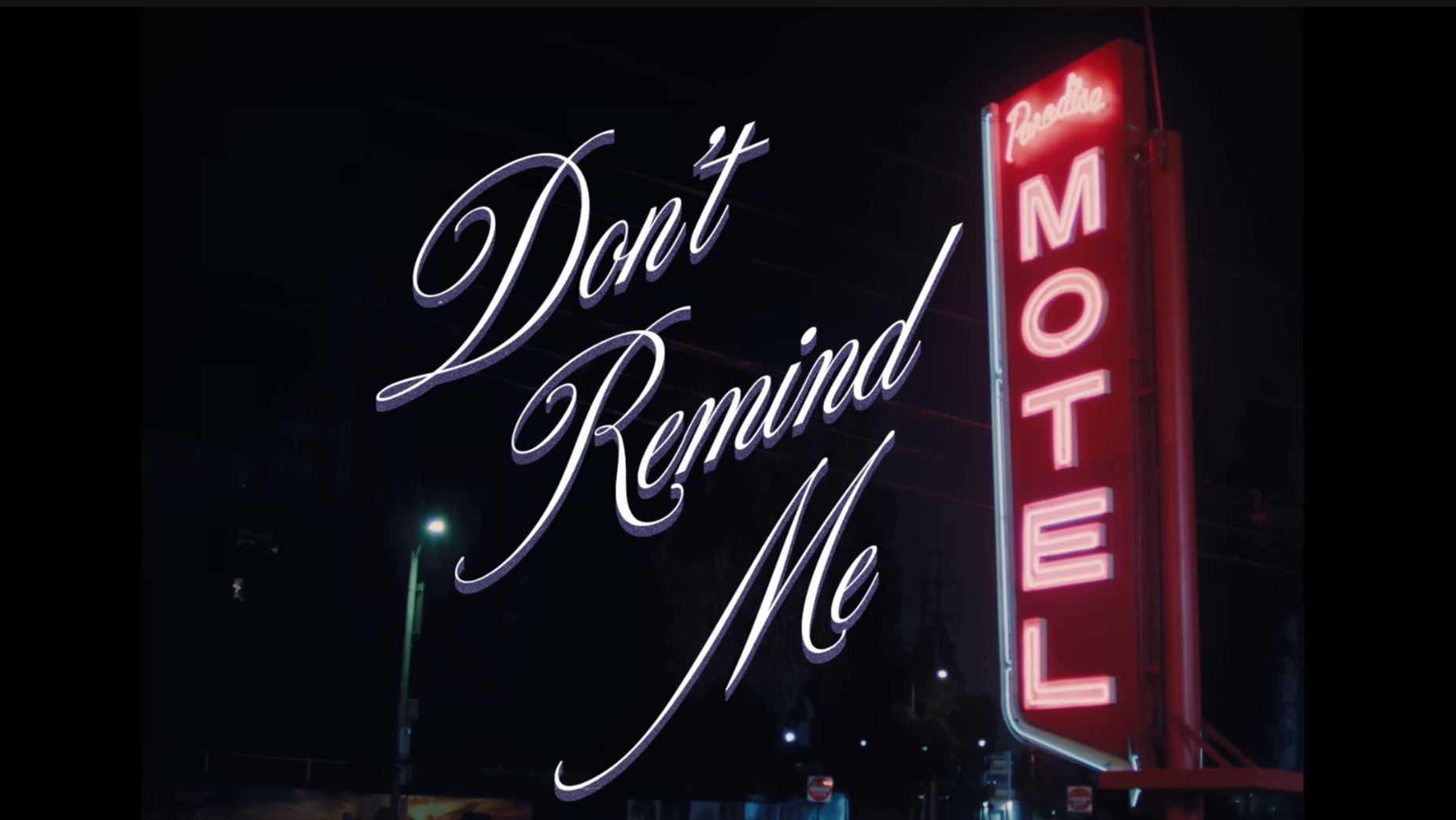
When Sound Meets Soul: Barking Owl on Amber Mark and Anderson .Paak’s ‘Don’t Remind Me’


When an artist like Amber Mark joins forces with director Olivia de Camps, the result is bound to be more than a music video. It is an experience, a major moment for the culture. And their collaboration on ‘Don’t Remind Me’ (featuring Anderson .Paak and Carmen Electra), is no exception. The film pulses with soul, absurdist humour, and cinematic depth, elevated even further by the immersive sound world crafted byBarking Owl.
Tasked with sound design and audio mix, the Barking Owl team – led by sound designer and mixer Stuart St. Vincent Welch and audio designer Henry Gilchrist, under the guidance of CEO Kirkland Lynch – initially planned a restrained sonic approach. But as early experiments unfolded, they realised a richer, more layered soundscape could amplify the emotion and visual rhythm of the piece. The challenge then became convincing Amber herself that this fuller treatment would enhance rather than compete with her music. Once she heard how naturally Barking Owl’s textures wove into her track, the artist was all in. What followed was a sound design that deepened the narrative without ever breaking its soulful pulse.
In this conversation with LBB’s April Summers, the Barking Owl team reflects on their collaboration with de Camps and editor Álvaro del Val, the fine art of building sound around song, and why the renaissance of music videos is giving audio artists new creative ground to play on.
LBB> Why was this particular project, with Amber Mark and Olivia De Camps, one that stood out for the Barking Owl team?
Kirkland> Olivia de Camps and Amber Mark are simply two creative savants we really admire. Olivia and her team are just dope, full stop. She has such a strong visual language and a real understanding of how to make something feel unique without losing emotional depth. It's always a treat for our engineers and producers when they get to collaborate with directors who push them to bring more than their best, because they know every detail matters.
Then you have Amber Mark. She's a beast. Her music has this blend of sophistication and soul that’s rare, and she’s at that moment in her career where everything she does feels intentional and bigger than life. She's been around almost ten years, but it still feels like we're early enough to do our tiny part in helping her break through to the masses.
LBB> Tell us about the initial brief or vision for the sound design and audio mix on ‘Don’t Remind Me’? How did you work with Olivia De Camps’ direction to bring that to life?
Stuart> When I first spoke with Olivia and Alvaro, they already had a clear vision of how sound could help tell the story and bring out the personality of each character. The opening and closing scenes are such strong, filmic moments that we wanted to bring as much life and texture to them as possible. The opening, especially that visceral, fever-dream flashback was always going to be fun to build sound for.
At the same time, Olivia and Alvaro were very conscious of how much additional sound Amber would be comfortable having layered over her track. The initial plan was to keep the sound design minimal, with just a few subtle touches at the beginning and end. But after some conversations with Olivia and a few early tests, we realised that a fuller, more detailed soundscape really enhanced the emotion and visual rhythm of the piece.
Amber was understandably cautious about having too much sound sitting over her music, but once she heard how naturally it blended in, she was fully on board. That opened the door for us to create a richer, more immersive sound design that complemented her track beautifully while staying true to the soul of the song.
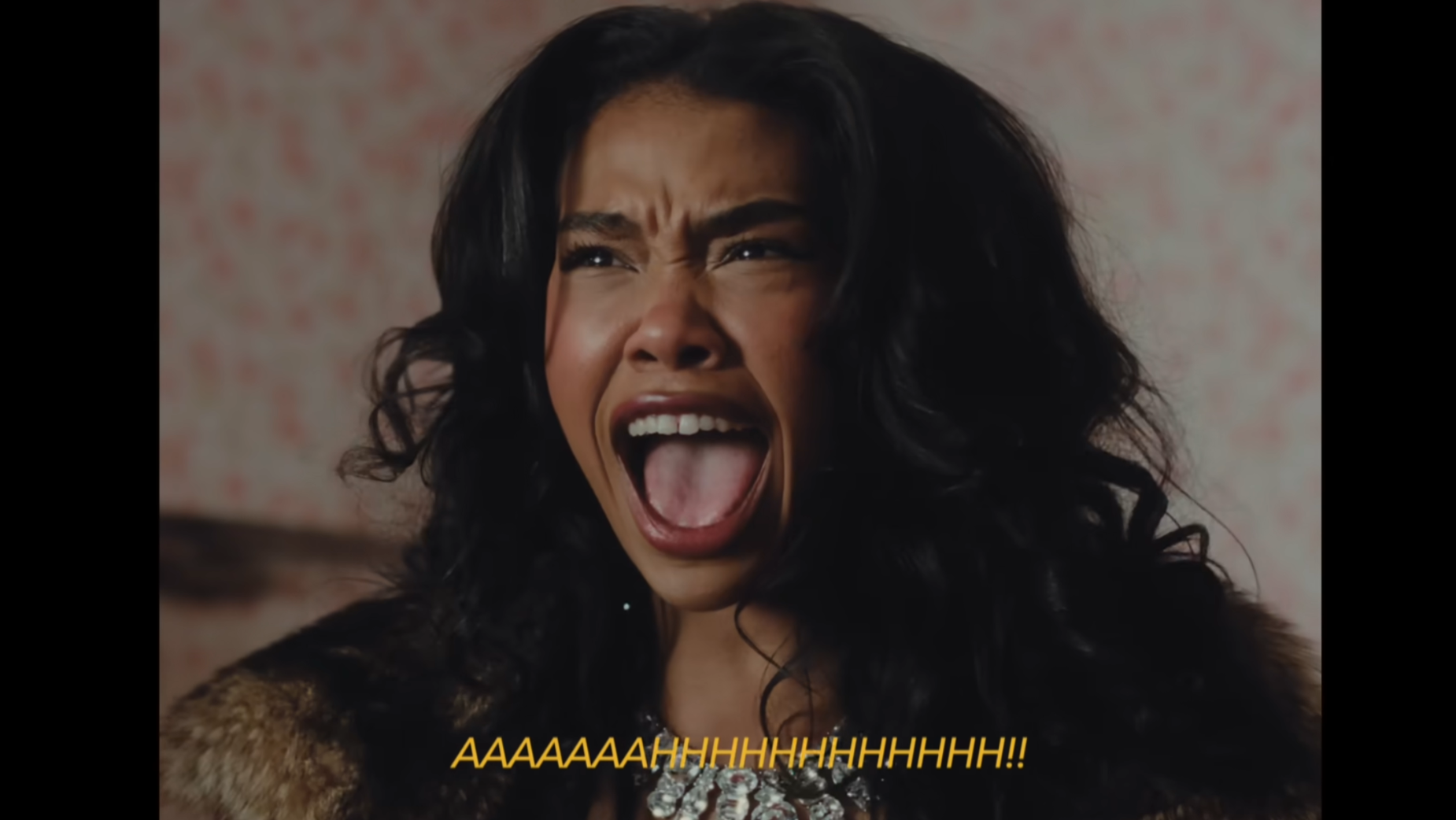
LBB> Music videos often centre around the track, but your work builds a world around it. How did you balance the music with the environmental and narrative sound elements in this piece?
Henry> The music is obviously the heartbeat of the piece, but we wanted the sound design to expand the emotional space rather than competing with it. Knowing your role in it all is the most crucial part, honestly. Stuart and I made sure our select moments of focus added texture and depth without crowding the sonic space; every sound had to earn its place.
LBB> Can you let us in on the kinds of conversations happening between you, Olivia, and the edit/post teams at Smuggler, Cabin Editing Company, and Company 3 to make sure everything flowed seamlessly?
Stuart> The turnaround time is usually short with most edits and mixes on music videos, sometimes just three days, so having one clear and seamless communication channel between everyone is absolutely vital to delivering on time. There are times when the final mix comes in only a few hours before the piece goes live, so it’s really important that everyone stays looped in and present in all the conversations. It’s the only way to keep things moving smoothly and make sure nothing slips through the cracks.
LBB> Were there specific moments in the video where sound design became storytelling? For instance, a sonic detail or transition that shaped the emotional tone?
Stuart> As the film opens with a flashback sequence without any music, it gave us a great opportunity to build the world and some abstract sound design to enhance audience intrigue. The sound was a very important tool to nail the flashback and set the scene for the film.
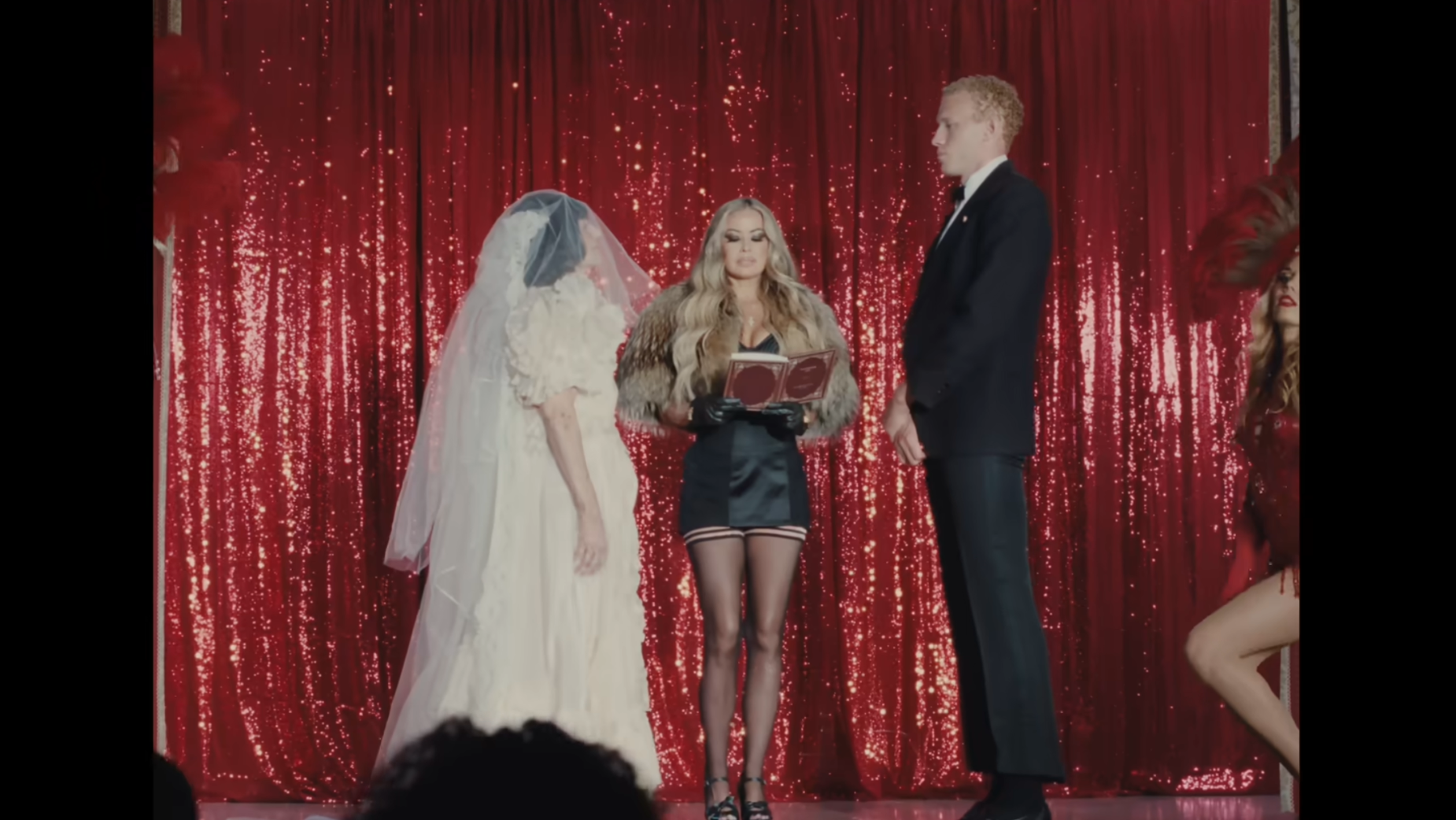
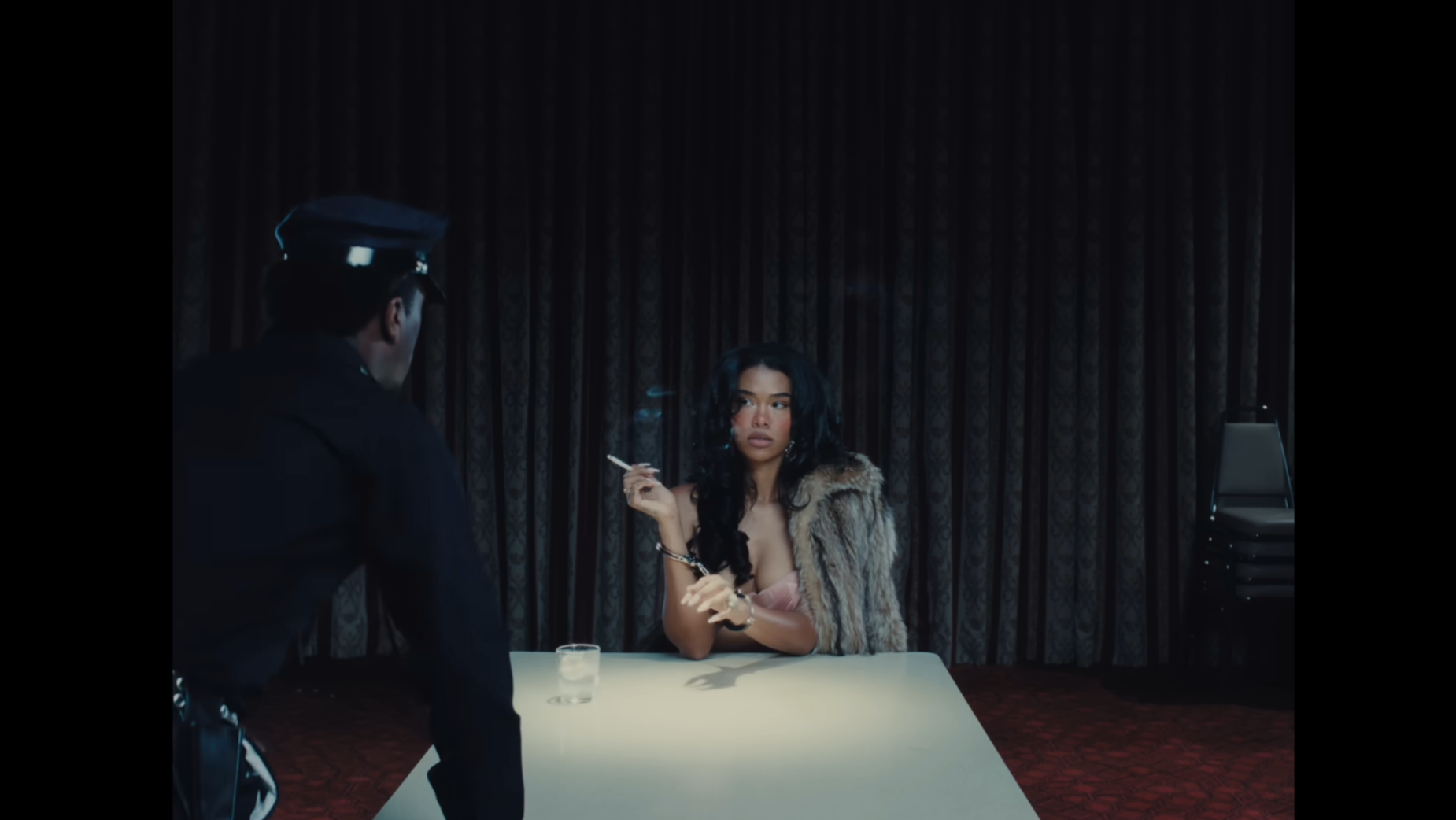
Henry> Olivia, Alvaro, and I talked a lot about creating sonic motifs within our transitional elements as we moved from scene to scene. Creating texture from random noise (Amber laughing, hand cuffs tightening, sirens wailing) helped elevate how these scenes came together to form Olivia and Amber’s story.
LBB> Henry, how did mentorship from Stuart and Barking Owl EP Ashley Benton influence your workflow or creative decisions here?
Henry> This job is a strange kind of alchemy: to take a thousand creative ideas, fragments of stray noise, and forge from them something that marries the imagined with the real world. Stu is exemplary of this. Working under his lead across hundreds of projects has been an education in itself. His approach, his ear, his patience, has completely shaped how I navigate projects like these. Being able to combine our trains of thought allows us to create rich soundscapes we couldn’t achieve without one another.
Meanwhile, Ashley’s guidance from the helm allocates a sense of direction that lets me trust my own creative instincts. The two of them have allowed me to follow their lead as fast as I’ve shown capable of – a rare thing, and one I’m super lucky to have here.
LBB> Were there particular tools, plug-ins, or spatial audio techniques you leaned on to make the mix pop?
Henry> It’s sort of a game of Jenga when it comes to doing sound design on music videos. If your SFX mix is too overpowering, you can easily end up ruining the mix+master of the song. Making sure we were maintaining dynamics within our processing while keeping things warm and punchy was key to ensuring that our sound design was purely additive to the overall mix.
LBB> Kirkland, Barking Owl has a long history of shaping the sonic identity of brands and films — what excites you about bringing that sensibility into the world of music videos?
Kirkland> I feel like music videos are having a real creative renaissance right now. The music industry went through a lull for quite some time, in terms of visuals to back up the sonic art. Now there seems to be a return to artistry, storytelling, and intentional craft that frankly disappeared for a while when music videos got reduced to quick short form content and all the focus went to Instagram and, eventually, TikTok.
Barking Owl has always been about elevating sound to be an emotional and narrative driving force. Of course, that focus has been around helping brands and directors shape not just what people see, but what they feel through sound. So applying that ethos into music videos is super exciting because music videos are becoming cinematic again.
LBB> As music videos continue to evolve visually and narratively, do you think audiences are becoming more attuned to the nuances of sound design and mixing?
Kirkland> I don’t think the general audience is necessarily more attuned to the nuances of sound design or mixing; not consciously, at least. Most people "feel it," rather than notice it; and to be frank, that's how we know we've done a good job. However, I do think other artists, directors, editors, and musicians absolutely notice it and are attuned. The real gem of the craft is being noticed by the people who make things, and that’s what’s fueling this new wave of creativity in music videos in my opinion. Art inspires art. When we do our duty with sound, it pushes others to level up visually, rhythmically, and emotionally, and. vice versa.
It’s less about audiences analysing a mix, and more about artists respecting artists, because that shared creative high-standard quietly raises the bar for everyone watching and listening.
LBB> And finally, what does this project say about the studio’s creative ecosystem: the collaboration between your engineers, producers, and the broader production community?
Kirkland> That the way Barking Owl works, works. Engineers, producers, and directors are all moving as one creative unit. Everyone’s dialed into the same goal: make it sound and feel dope.