


This Campaign Denounced Weapons-Related Violence by Speaking Directly to Youth


While Canada isn’t typically a country associated with weapons-related violence, in recent years, a rising number of potential-risk incidents amongst youth has caused law enforcement to grow wary. For example, according to the Quebec Provincial Police, between 2019 and 2022, the number of weapons seized at schools within the areas it serves rose from 47 to 116… which is precisely why earlier this year, it launched a new communication campaign in collaboration with Havas Creative Canada.
Designed to prevent teenagers from going down this path, rather than delivering a PSA to parents, the creative was aimed at youth aged 14 to 15. Specifically, the agency decided to tackle social perceptions surrounding weapons, with the goal of breaking the appeal they may hold – especially for boys who may be searching for identity and approval.
“The focus for us was on challenging the social perception that weapons are ‘cool’ or desirable,” explains Havas strategist Kate Gaudrault. “Immediately, we knew the campaign needed to speak the language of teens, leverage social dynamics, and present weapons as something to reject rather than aspire to. By discouraging teens from carrying weapons in the first place, we also reduce the likelihood of violent incidents occurring, making schools safer for everyone.”
This decision to speak directly to teenagers was baked into the ideation process from the beginning. After coming across research from Université de Montréal’s Linda Pagani – which revealed that boys exposed to violent content on screens during preschool years are more likely to exhibit antisocial and violent behaviours by mid-adolescence – the team realised the best course of action would be speaking directly to the most urgent issue: those already perceiving weapons as a symbol of status or power.
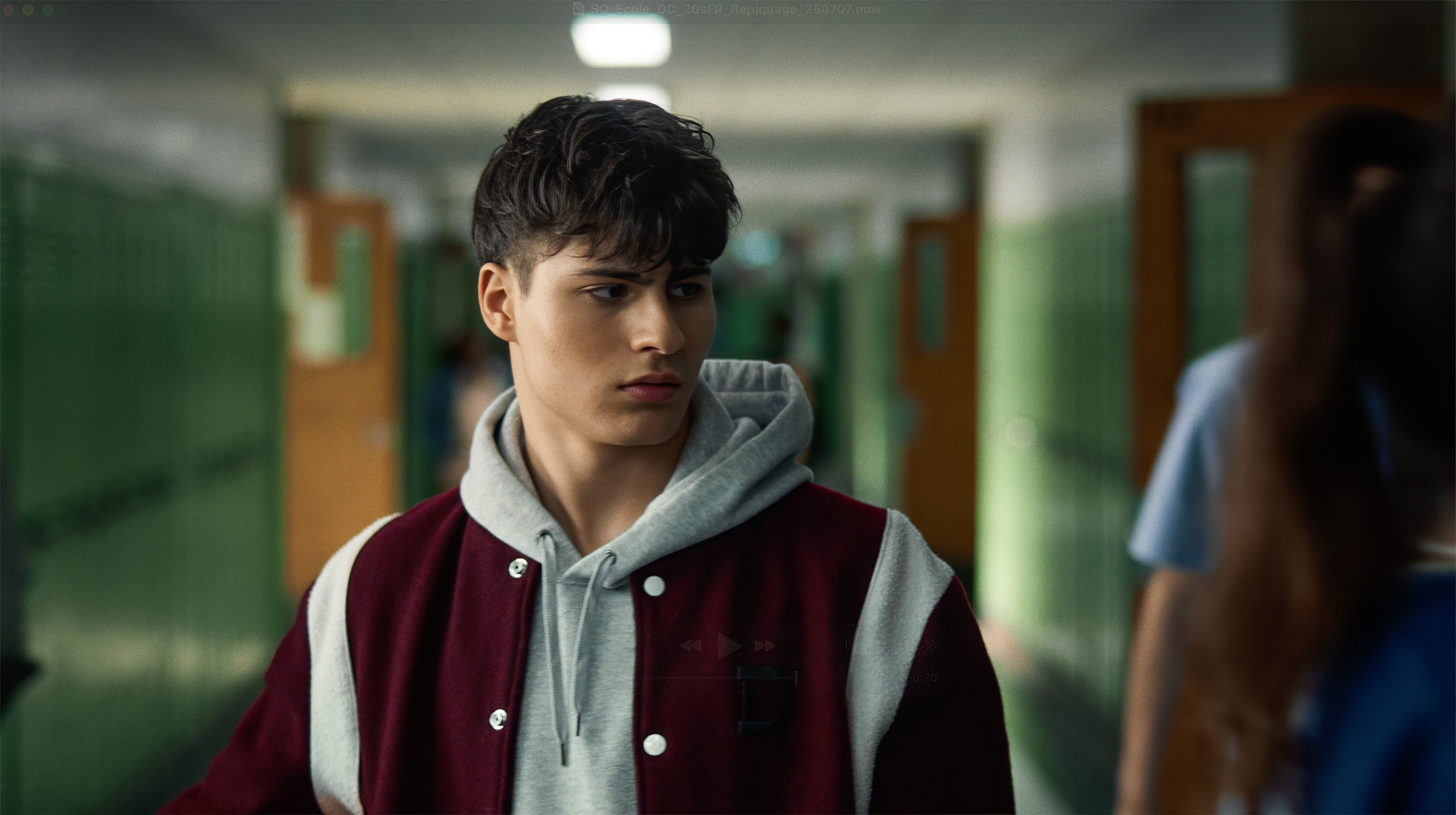
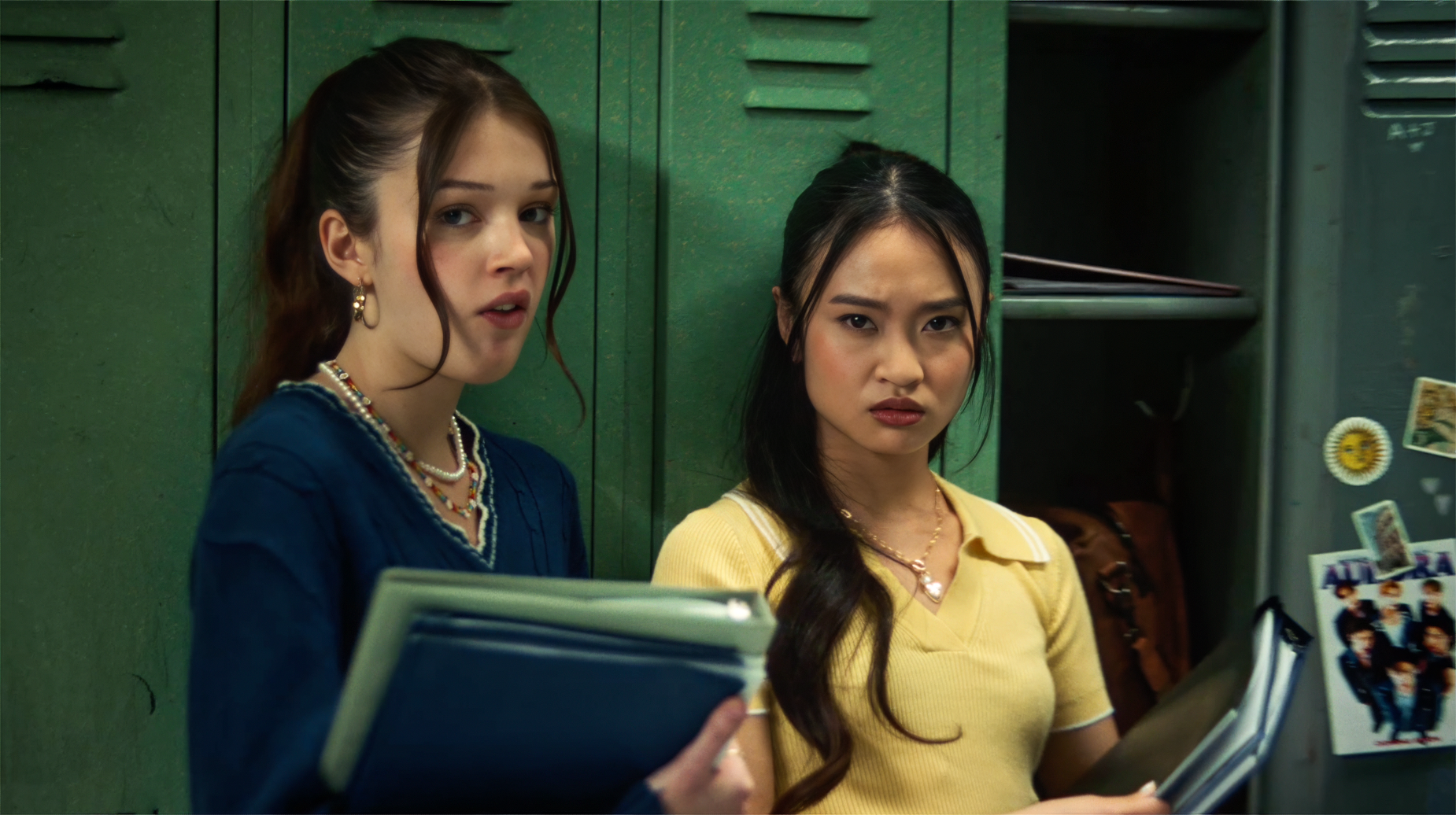
To this end, Havas approached the writing process by presenting scenarios that felt authentic to the target demographic, whilst keeping the messaging rooted in the social dynamics that influence them daily. Once again drawing on another insight – that girls are far less affected by early exposure to violent content and are generally less drawn to weapons or aggressive behaviours – they then focused the work through this gendered perspective, having girls present weapons as socially undesirable to better cut through.
“A moralising approach would likely have alienated the target audience, making them less receptive to the message,” says Havas creative director Alex Béland. “Research shows that rational, fear-based interventions that do not take into account the emotions and social norms of teens often fail or even backfire. For example, the D.A.R.E. programme, widely implemented to prevent drug use, was found to have no measurable effect on whether teenagers used drugs. A 2022 study even reported a slight tendency for participants to drink or smoke more than teens who had not been exposed to the programme.”
“That’s why, in this campaign, girls deliver the message,” Kate adds. “They’re much less likely to view weapons as ‘cool’, and their opinion matters a lot to boys. So, the message is clear: weapons aren’t attractive – they’re a major turn-off.”
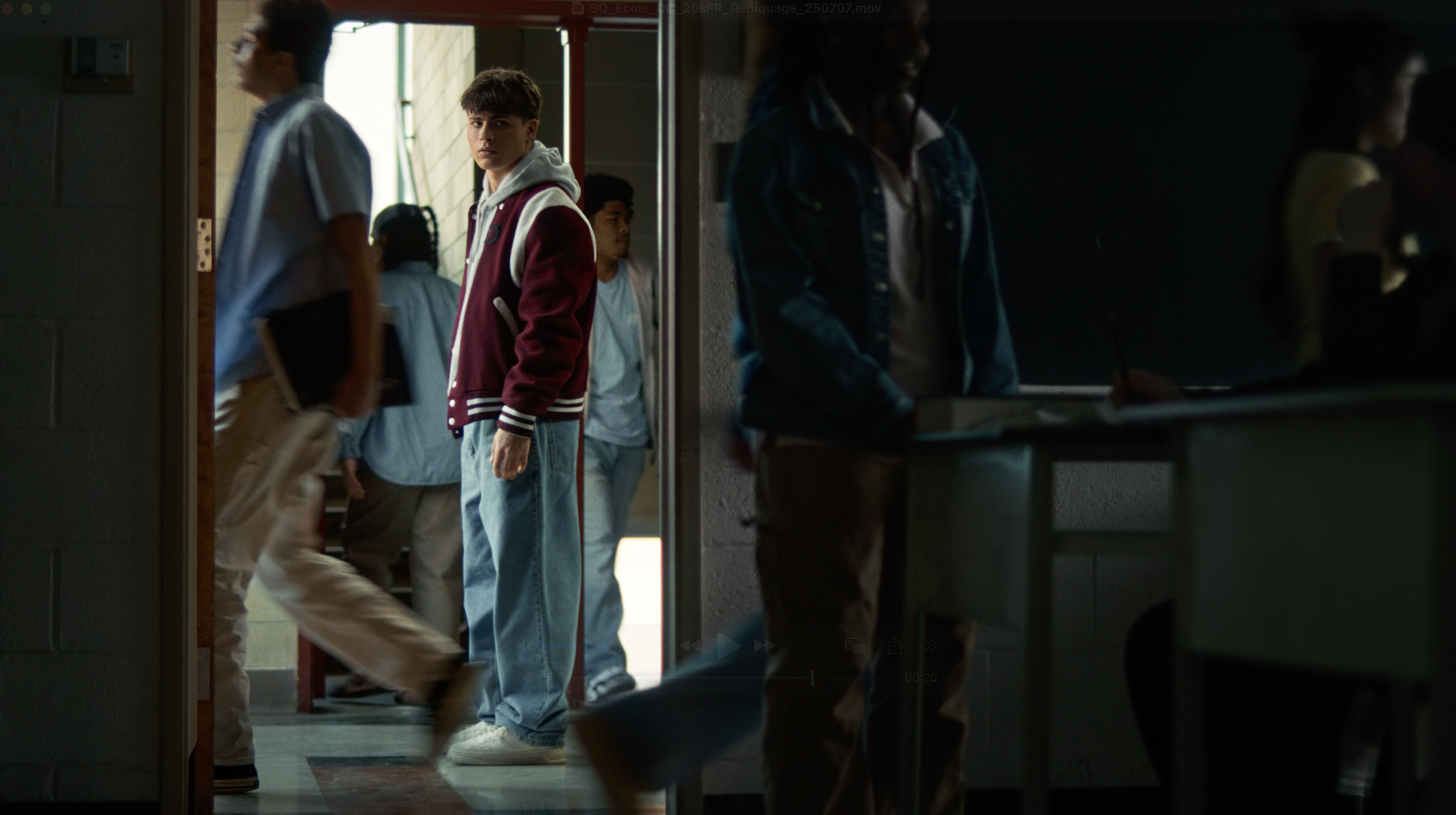
From here, the agency was able to head into production, working with Romeo director Phil Grenier to bring everything to life. Someone with TV experience, this background made him the “perfect fit” for the project, as the work revolved around using narrative codes from major streaming series in order to feel familiar to the target audience.
“The challenge was to make the content visually and narratively engaging, without glamourising weapons,” Alex notes. “Not only did we tackle this by balancing cinematic techniques and story beats with the underlying message, but Phil knew precisely how to connect with younger audiences, draw out genuine performances, and balance emotional truth with cinematic craft.”
Paired with the tactical decision to avoid signing the campaign under the Quebec Provincial Police’s name – “we wanted the work to feel authentic and peer-driven, rather than preachy,” Kate asserts – and both parties had a winning approach on their hands. The story, tone and social cues were enough to successfully convey the message, with the campaign’s video placements achieving a 93% completion rate.
Additionally, social media results would also “exceed expectations”, demonstrating similarly strong completion rates across platforms, with the six-second video overperforming on Snapchat with a 64.53% completion rate, and the TikTok film in particular driving click-through to the campaign’s landing page.
“The reception has been very positive,” Alex concludes. “But, on top of the exceptional quality of video completion and engagement across channels, we’re particularly proud of the insight driven approach. This campaign is a subtle but powerful way to reach teens on their terms while addressing a serious societal issue.”


