


Monster Masters: Rodeo FX on Bringing Creepy Creations to Life


For many, October is an excuse to revel in the glory and gore of the year’s spookiest season. From reading scary stories to watching horror films and TV shows, there’s just something about the impending arrival of Halloween which makes the jump-scares hit different.
This is particularly true when it comes to monster-based media. After all, when the sun goes down and the shadows grow long, we somehow can’t help but wonder, ‘What might be lurking in the shadows?’.
For Rodeo FX’s VFX supervisors Julien Hery and Luc-Ewen Martin-Fenouillet, the ability to instil this sense of spookiness is the mark of a job well done. Having worked across a range of projects, from TV shows like ‘The Witcher’ and ‘Stranger Things’, to blockbusters like ‘The Conjuring’ and the ‘IT’ franchise, it’s fair to say they’re not only masters of the genre, but especially adept at designing the creatures of unspeakable on-screen terror.
“What makes a monster great is if you can believe it,” Julien explains. “That's what makes them the most scary. They feel real, because they have the physics of something that you imagine. So, keeping them grounded is the best thing we can do as VFX artists.”
Echoing his coworker, Luc-Ewen adds that leaving a lasting impression is something the studio does on a consistent basis by seeking to understand the creatures it designs.
“To be memorable, the audience must understand the logic of the creature,” he adds. “When you look at a classic example like the ‘Predator’, you understand the creature is having fun hunting down other species. Paired with a unique design and a compelling story, and it becomes an iconic part of pop culture.”
While vital in guiding the approach of the company’s supervisors, the actual craft which goes into monster design is far more meticulous. And, it’s for this reason that both are eager to unlock their trove of creature-creation secrets.
The Motivations and Machinations of Monsters
At this point, Rodeo FX has worked on a number of horror projects featuring both original and fabled franchise monsters. But, according to Julien, each project begins in the exact same place. “It always starts with research. You research directors to understand their style, you research all the material, and if there’s previous footage of the creature, you research that too in order to discover its main characteristics.”
From here, however, the process has room to diverge. In the case of original design work, such as during the studio’s long-running tenure on the ‘Stranger Things’ franchise, the team focuses on finding real-life animal inspiration for the creatures in question, before studying videos, references, photography and even scientific papers to better understand their behaviour.
“When designing the ‘Demogorgon’, we actually looked at monkeys and gorillas to see how they run, and how they go from moving on four legs to standing up on two,” Julien explains. “By studying these animals first, we were able to incorporate little pieces into the design, which makes it more like something viewers have seen before. The physics help the viewer believe, and add to the horror element.”
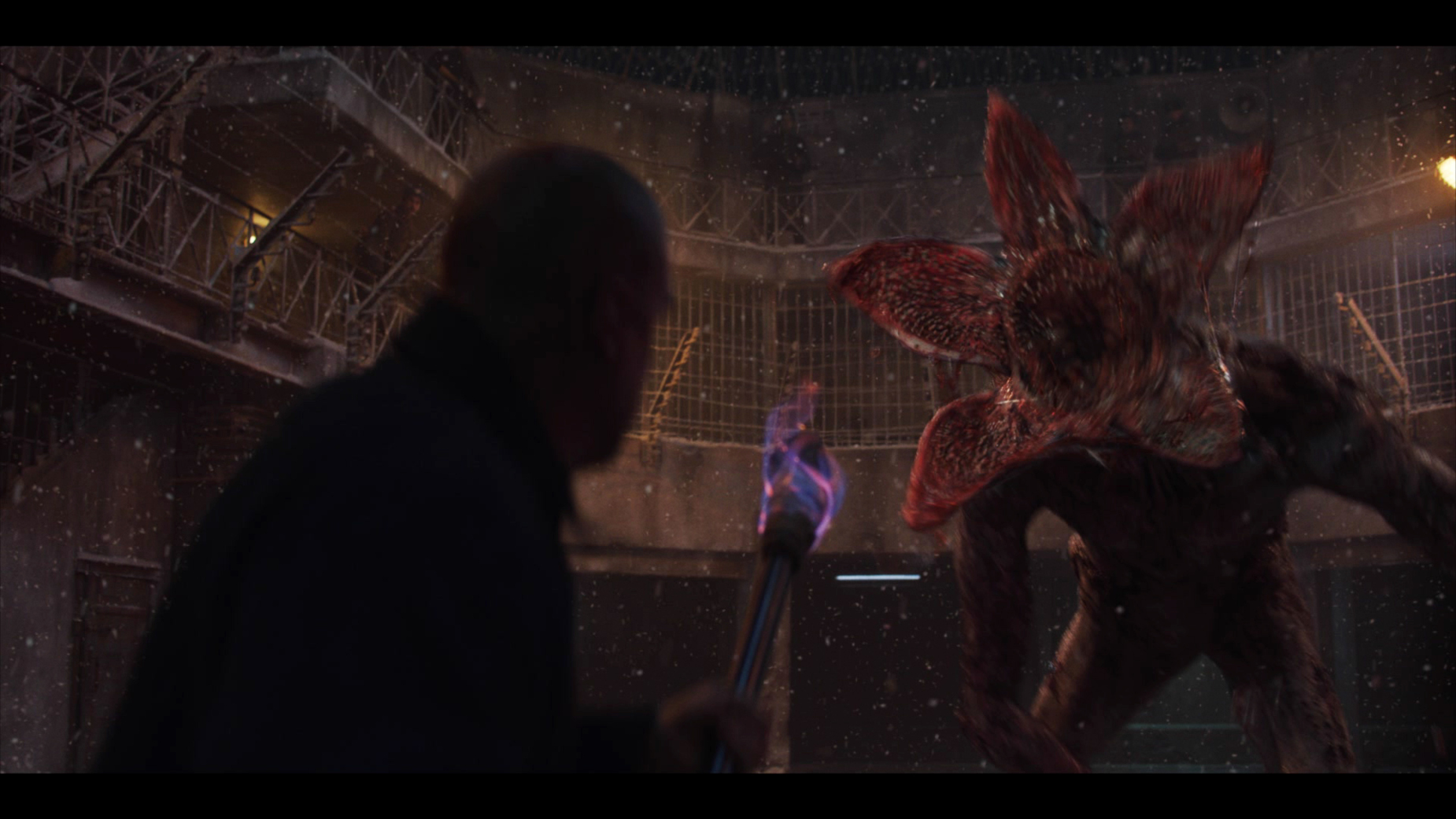
When working with preestablished characters, on the other hand, it instead becomes about striking the right balance between staying true to the original design and suggesting tasteful improvements to behaviours and mannerisms.
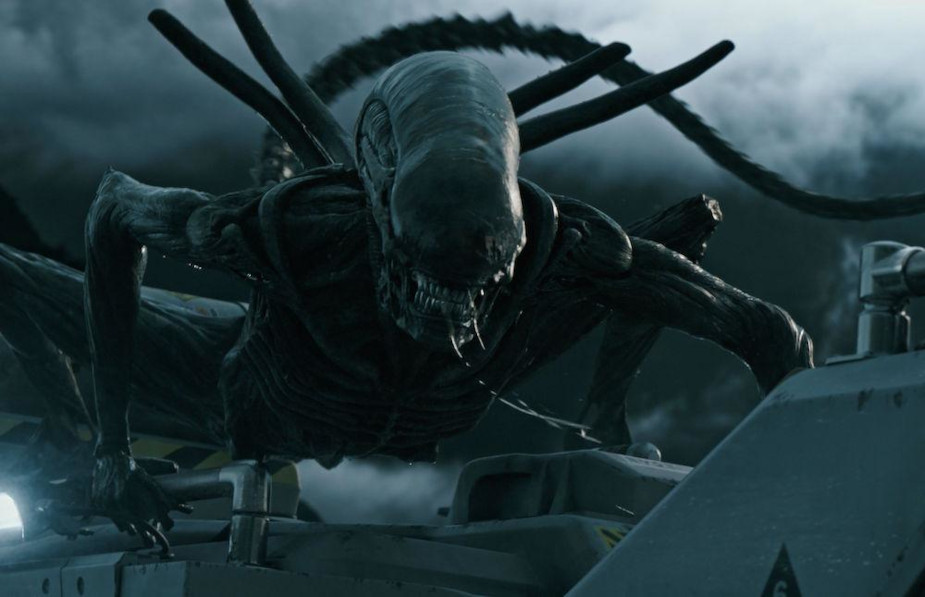
Recalling his experience working on ‘Alien: Covenant’, Luc-Ewen notes that here, the visual Bible provided by the franchise was essential. Reinforcing the classic adage that one must know the rules before breaking them, he affirms that ahead of suggesting anything, the entire team studied it religiously.
“Given that the ‘Aliens’ can grow and lay eggs in different species, there’s always a slightly different evolution in every single movie,” he says. “But, because the creature is iconic, you need a strong sense of the original design first. Only after that can you find your own way to diverge and bring something new to the franchise, which is important for keeping things fresh. The unexpected helps the audience stay connected to the monsters they already know.”
Before officially heading into the official design process, however, there’s one final element which both supervisors agree is universally essential. This, as Luc-Ewen previously observed, is fleshing out the monster’s motivation.
“The brief will give you a sense of what the creature needs to do in the movie or show, but its reasoning is everything,” he says. “You shape the aesthetics to the motivation, and not the other way around. You can understand why ‘Pennywise’ from ‘It’ kidnaps children, but what keeps it interesting is how it transforms and finds new ways toward this end goal. The ‘Alien’ wants to creep up on people, trap them in corners and lay eggs, but how it goes about it keeps it fresh. A cool image doesn’t mean anything if the viewer can’t understand the point of what’s being done, and that’s what separates good horror design from great horror design.”
Scary Skin and Skeletons
With these stages out of the way, Rodeo’s VFX supervisors are free to call upon the talents of asset supervisors to flesh things out. The phase where the studio determines the size and scale of the monster, this is where references are reviewed, goals are discussed, and concept models are created to present to the client.
But, while there're many ways to go about this, an emphasis on creature physics and movement is where Julien and Luc-Ewen like to start.
“It always should start with physics,” the former asserts. “If you can believe the weight, the look, and the skin – especially the materials that make it – that's going to help you win over the audience. Is it slimy? Leathery? It doesn't matter if you can't relate to it and how it moves.”
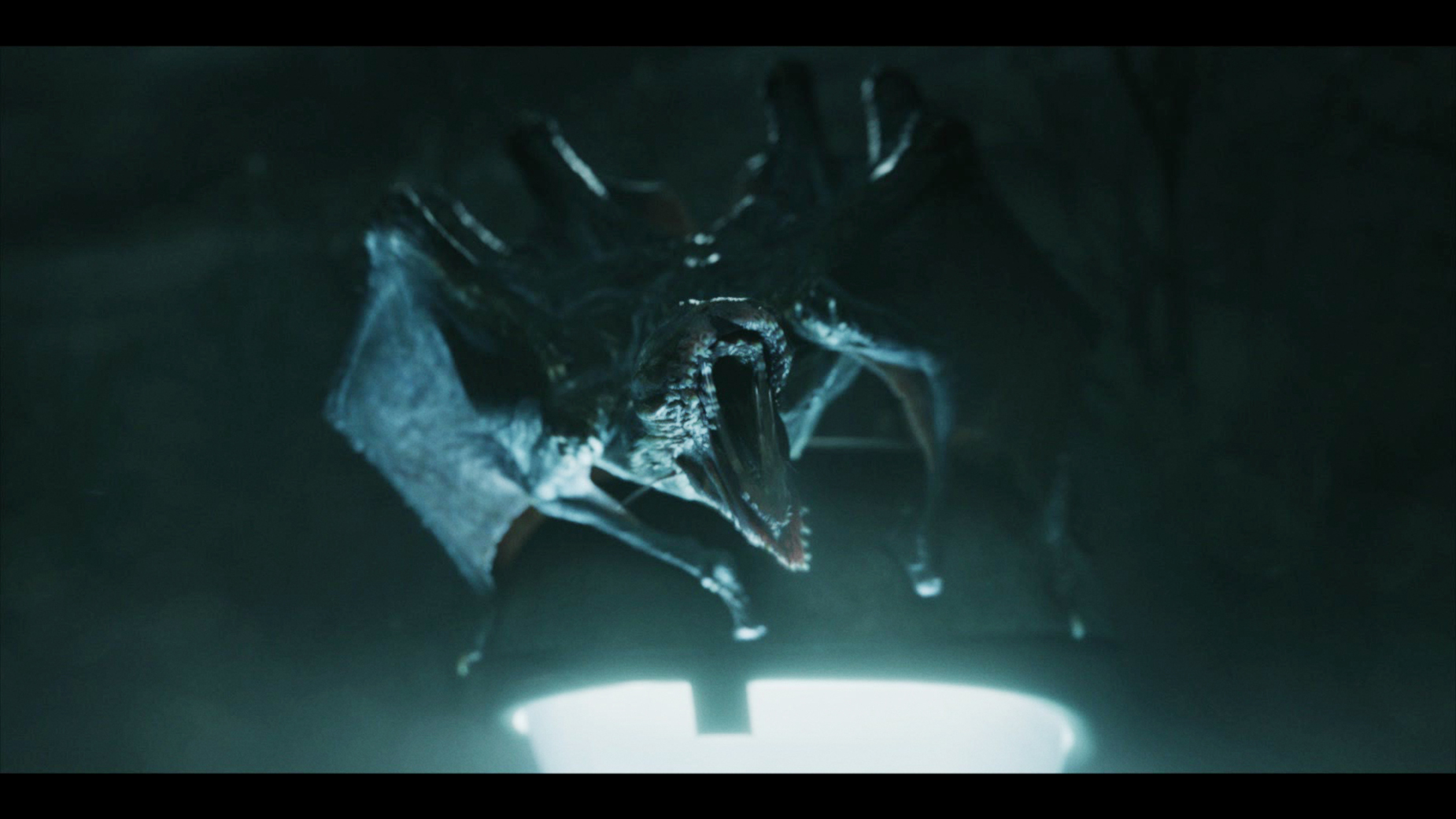
This is something both will spend hours with the animation supervisors on. Going over the shape of the given creature’s anatomy, each monster is built from the ground up, just as the studio does when designing animals.
“Whenever you make a creature, you have to start with a skeleton,” Luc-Ewen continues. “Because we always base things on real animals, we understand the bone structure, to which we can add a muscle system, flesh, and details like feathers or scales at the very end.”
And, if all goes according to plan, integration work can begin. One of Julien’s favourite parts of the process, it’s here that Rodeo’s compositors lend these creations lifelike quality, giving way to what people see on their screens.
“Here, we do a lot of reference photography and utilise technical data to create specific lighting scenarios,” he says. “To make a creature look like it’s actually sitting in a bed or interacting with the actors, our teams put in hours to blend things seamlessly, convincing audiences what they see was 100% there.”
“Everyone Should Design Monsters”
Despite the sheer amount of technical finesse that Rodeo puts into bringing its monsters to life, for both VFX supervisors, the effort is always well worth it.
In Luc-Ewen’s case, this job represents the fulfillment of a longtime dream, and the chance to play his own small part in cinematic horror history.
“Moves like ‘Alien’ were part of my childhood,” he reflects. “I still remember seeing the original on my own at a midnight screening. So, to say that I worked on ‘Alien’ at some point is so deeply personal. Most people will never know when watching that I was involved, but I will, and that’s a very special feeling.”
In Julien’s case, working on projects like these is an equally exciting prospect, representing an opportunity to enhance work within the genre he loves, and, ideally, make audiences squirm in their seats.
“Our job is to tell a story, bring the director’s vision to life, and make sure the monsters look good,” he says. “I love the puzzle of figuring out behaviour, making it scarier, and infusing life into the creature. It’s always an interesting challenge to solve, and trying to figure out how we can serve the story better, to me, is always the most interesting part.”
Despite both of them doing it full-time, however, Luc-Ewen wants more people to know that creature creation – amateur or not – can be a really joyful process, and is something worth considering.
“I think everyone should design monsters,” he concludes. “It's very cathartic. You can reflect on what makes something creepy, and then find new ways of designing things. It's not like you're making a table that people have seen hundreds of times. You project your own feelings into a creature, and I think more people should do that on a daily basis.”


