


At Rodeo FX, Leadership Is an Act of Service


As a AAA-quality post-production studio with a portfolio spanning the likes of ‘Game of Thrones’, ‘Dune’, and ‘Stranger Things’, Rodeo FX has garnered a noteworthy reputation within the film and TV industry.
From visuals to storytelling, animation to VFX, the success of founder Sebastien Moreau’s shop is built off the back of a proven world-class offering. And, despite undergoing major growth since 2006 – expanding from Montreal to the likes of Toronto, Quebec City, LA, and even Paris – the work has never wavered. Where growth drives some businesses to lose crucial defining characteristics that made them special in the first place, Rodeo FX has avoided this issue – notably through the dedication and contributions of its elite team of executive supervisors.
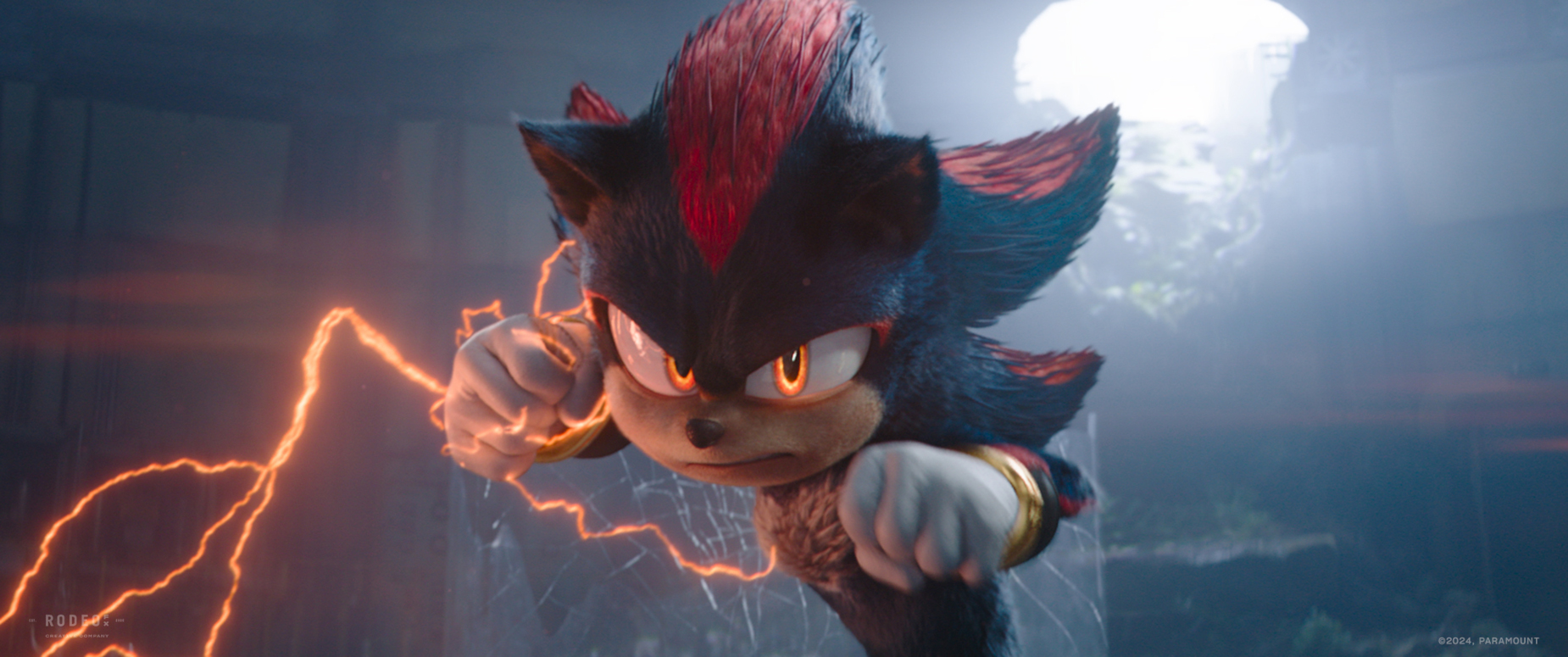
Each coming from a VFX supervision background – and still simultaneously serving in this capacity – from office to office, this group is tasked with overseeing product quality, instilling and maintaining strong culture, and facilitating talent development along the way. And, according to executive VFX supervisor Joseph Kasparian (‘Andor’), they’re all guided by one common goal: give the artists everything they need to succeed.
“Our number one job is to support our people,” he asserts. “New industry trends emerge, and clients will always have demands, but we will never forget to take care of our artists. They want to be challenged, involved and accountable. We have a commitment to create opportunities and help them level up.”
This sentiment is one that Martin Pelletier (‘The Sandman’ season two and ‘House of the Dragon’), head of the Quebec City office, is quick to affirm. “There is no precise time to take care of the studio; it’s an ongoing thing,” he continues. “I try to make the rounds on the floor and check in to see that everybody has what they need. It's all about the little things, and making sure issues get fixed quickly.”
Respect Is Paramount
For the head of the Toronto office, Ryan Stasyshyn (‘Normal’, ‘The Family Plan 2’), more than just making sure needs are met, the leadership role is about ensuring a genuine sense of community, both within the individual offices, and the larger Rodeo FX network. Referencing a “shared, underlying feeling”, he emphasises that the goal is for everyone to come to work with the knowledge that they’re respected, and that their voice genuinely matters.
“It's really easy to say the right things, but it's a lot harder to follow through on it,” he says. “We do the latter by exclusively looking for people that are compassionate, respectful and accountable. That includes management as well. Anyone, regardless of position, can call me out, challenge me, ask questions, and I’ll listen. This level of respect is our signature.”
Recalling his own career journey, and the value of having people take the time to answer questions, Ryan notes that discourse is invaluable in VFX, precisely because there’s no single path to a given goal. Where two different people might present two unique solutions, each will inevitably have pros and cons, and it’s only through humble discussion that the necessary course of action can be taken.
“A question I ask in hiring interviews is, ‘If you had to do something perfect and late, or not perfect and on time, what would you choose?',” he explains. “The thing is, both answers are right. You have to juggle client and internal accountability, and it’s only if you're willing to be vulnerable, know where your shortcomings are, and talk it out, that you're going to solve the problems before they come up.”
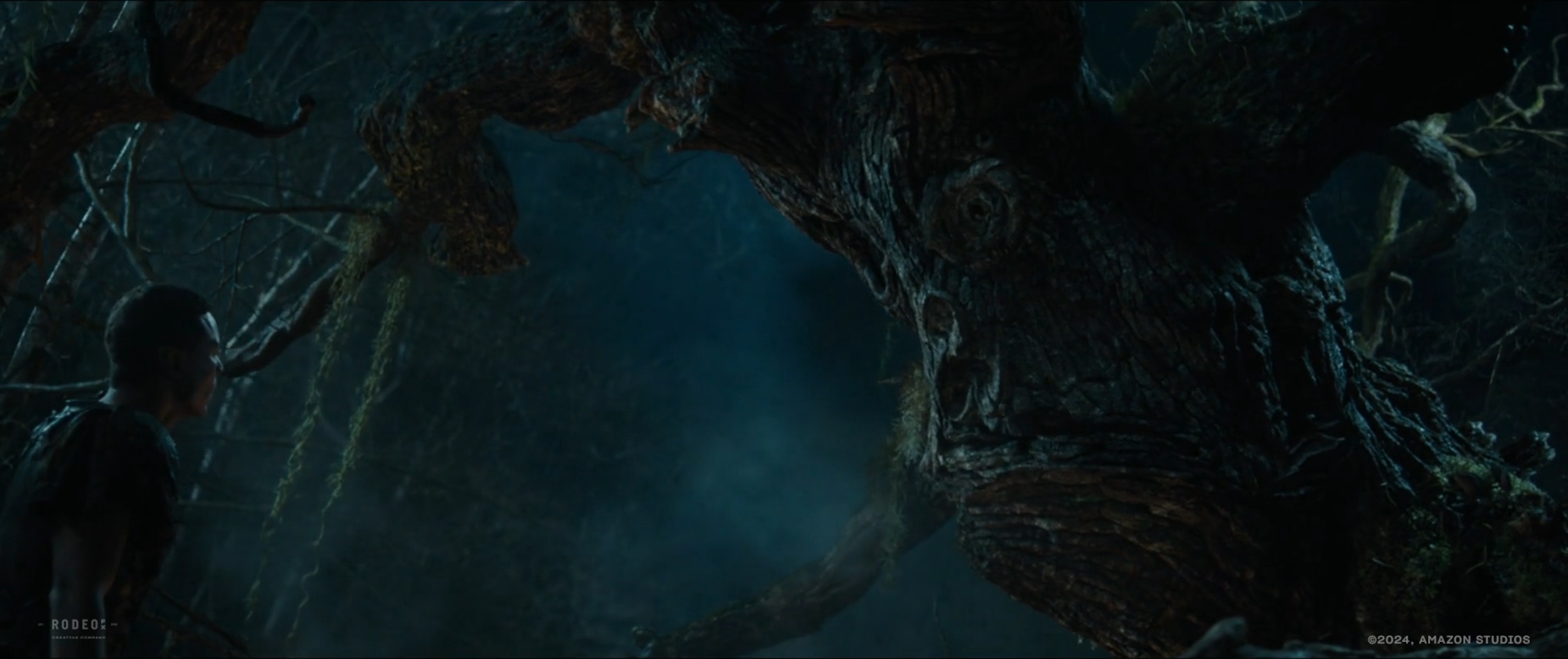
This is especially important given the diversity of Rodeo FX’s offering. With an array of departments, each equipped with specialists that can be called up at a moment’s notice, the benefits of consistent dialogue are something that executive VFX supervisor Ara Khanikian (‘The Rings of Power’ season one and two) is quick to reinforce.
“If we need to create a certain effect in a shot, we must take the time to analyse and figure out the best approach or methodology to achieve it,” he shares, emphasising that there isn’t one “tried and true” approach that exists in this line of work.
“There’s always a number of ways to get to the finish line, whether we do it through a classic CG pipeline, a more generalist approach, or simply by shooting elements in our practical studio. It all comes down to being agile and creative. Each department has its own time and place, and it’s always about choosing the right one for the job.”
Satellite Success
Across the years, Rodeo has put real focus into ensuring quality and culture thrived throughout its expansion process.
Central to this, according to Martin, was ensuring that no matter the location, people were able to work seamlessly. Remote desktop options were implemented, daily reviews were scheduled, and a private gigabyte connection was even installed between the Montreal and Quebec City offices. And in the centre of it all? The executive supervisors tasked with keeping things moving.
“On a project, we might have 80 to 100 people working, and they're very likely going to be spread out across our multiple studios,” the Quebec City head says. “So, we make sure procedures are the exact same, no matter the city. I'm in constant communication with the other leaders, because we want our clients to feel like this is one, unified offering. If we don’t communicate, the train derails, both artistically, but also logistically.”
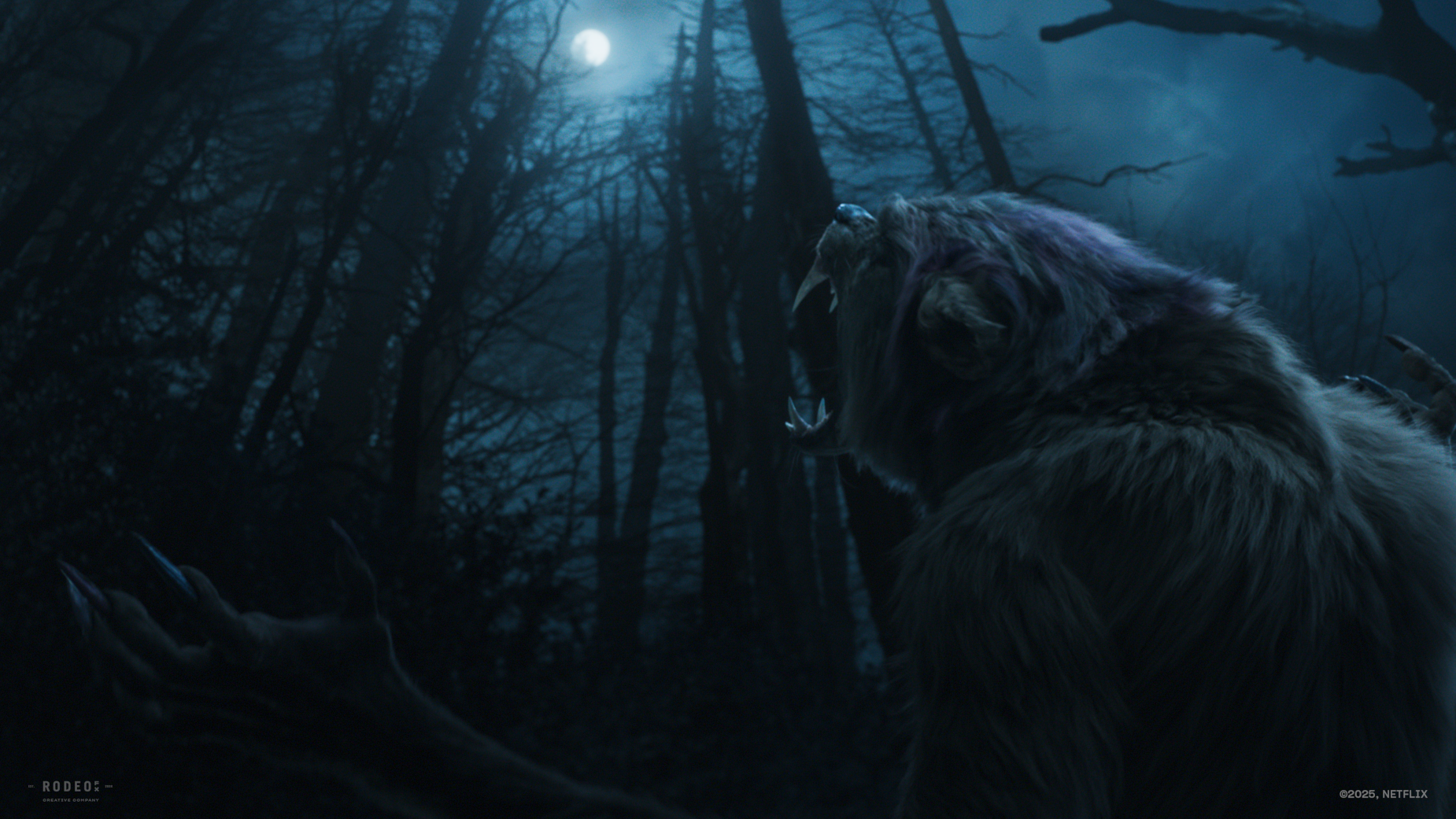
Such an attitude would prove vital for the launch of the Paris office in 2023. Headed up by Franck Lambertz (‘Kaamelott’ and ‘Daryl Dixon’), the leader recalls that the ability to quickly and efficiently connect with the Montreal office, as well as Rodeo’s reputation, made for a smooth opening, despite being a continent away.
“From day one, we were primed to succeed,” he reflects. “We started with a lot of compositing, slowly moved into commercials, and then this past year has been about environment and character animation. Now, like the other offices, we’re capable of tackling everything from films and TV to ads and experiences. We’re all really embracing this spirit!”
While the Paris team is the newest of Rodeo FX’s other satellites, this approach has enabled the office to punch well above its weight. By prioritising passionate people who love the craft, and tapping into international resources as needed, the Paris operation, Franck emphasises, is already looking at imminent expansion.
“We’re entering phase two of Rodeo FX Paris, and it’s very exciting,” he continues. “But, no matter what happens, we want to keep the same spirit, because it's working really well. My hope is that we carry on and grow in the same organic way we have so far, no matter how many beautiful projects we get to make.”
Truly Collaborative Working
Although enabling artists and a strong working culture is the primary responsibility of Rodeo’s executive leaders, there’s one final critical element which both Ara and Joseph take very seriously: playing a vital role in ensuring product quality.
Reflecting on their responsibility to relay strategy and mission expectations to the team before overseeing implementation, both caveat, however, that this isn’t actually a matter of enforcing senior visions, but encouraging confidence and accountability as needed.
“A mistake that some leaders make is trying to implement their own vision, which is not often for the best,” Joseph says. “Trust the artists, and let them take accountability for what they’re doing. If you do that, they’ll own their shots, and the project as a whole. Things will look better, and the journey to get those shots right will become a fond memory down the line.”
This is something that the executive VFX supervisor tries to further cement by taking the time between projects to sit with the artists and reflect on how things went. A ritual in which he primarily focuses on positives, this decision is great for not only boosting morale, but ensuring that on future projects, positive practices are reinforced.
“Our clients pay for the highest level of quality, so they always have revisions and notes,” he continues. “Taking the time to reflect helps us prepare to address future matters and be flexible while doing so. And when we’re able to be transparent, it not only helps us look good, but it means we can truly work collaboratively until the moment the client feels the work is awesome.”
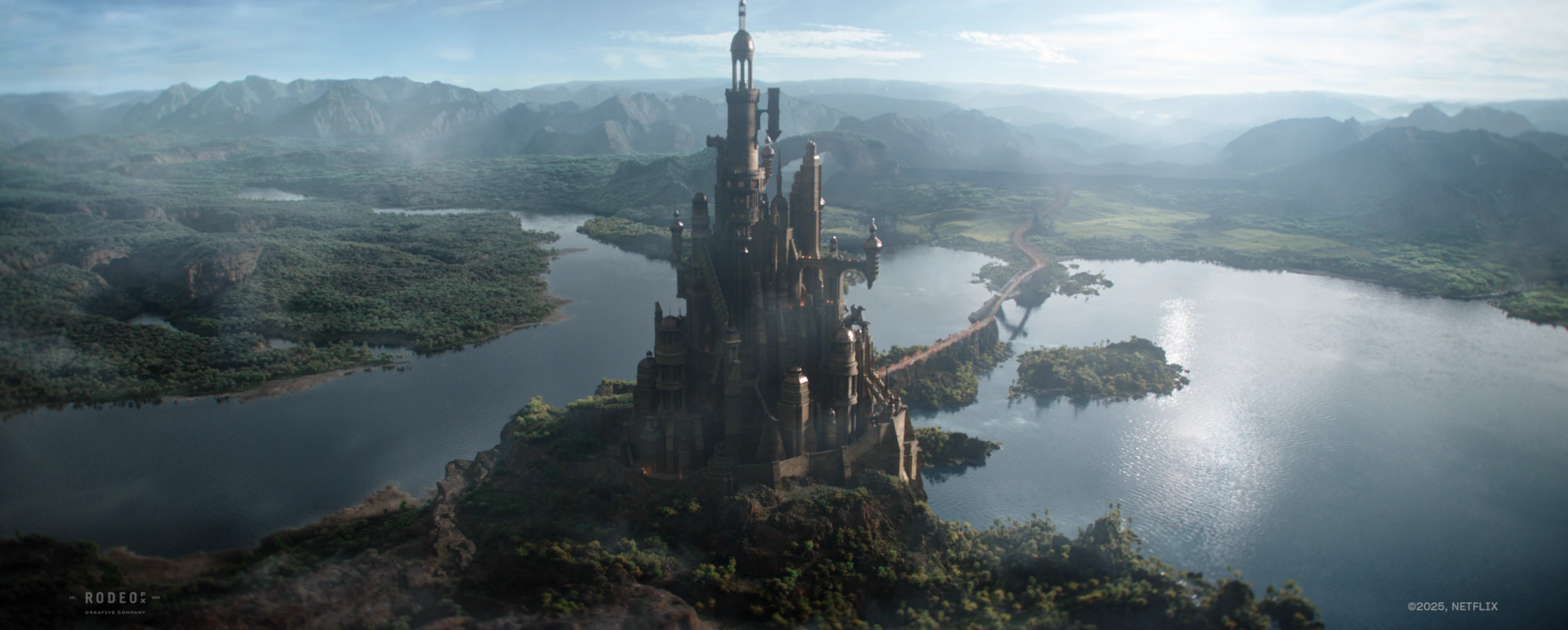
Expanding on this, Ara asserts that given Rodeo FX’s pursuit of innovation, an understanding of framing, cameras, lenses, storytelling and cost effective technology is valuable… but not nearly as much as being able to provide meaningful support.
“Yes, we want to make sure that the level of quality is omnipresent in our products, and that the methodologies are in line with how we work,” he acknowledges. “But, our job is really to support our fantastic talent. It's not about guiding them or telling them how to do their job; they're already fantastic at what they do. It's more about just making sure they have all the support that they need to be successful.”
To this end, Joseph believes that despite the significance of his, Ara, Franck, Martin and Ryan’s titles, their positions at Rodeo FX are ultimately meant to be in service of both the product, and the people they work with to make it all happen.
“This job is not about you shining; it's about everybody else around you,” he concludes. “Seeing somebody level up is so exciting. Speaking personally, it might even be more exciting than me doing it, because I get to know that I helped them blossom. That’s the power of these positions.”


