


Freelancing in Adland: How to Thrive in a Tough, Changing Market


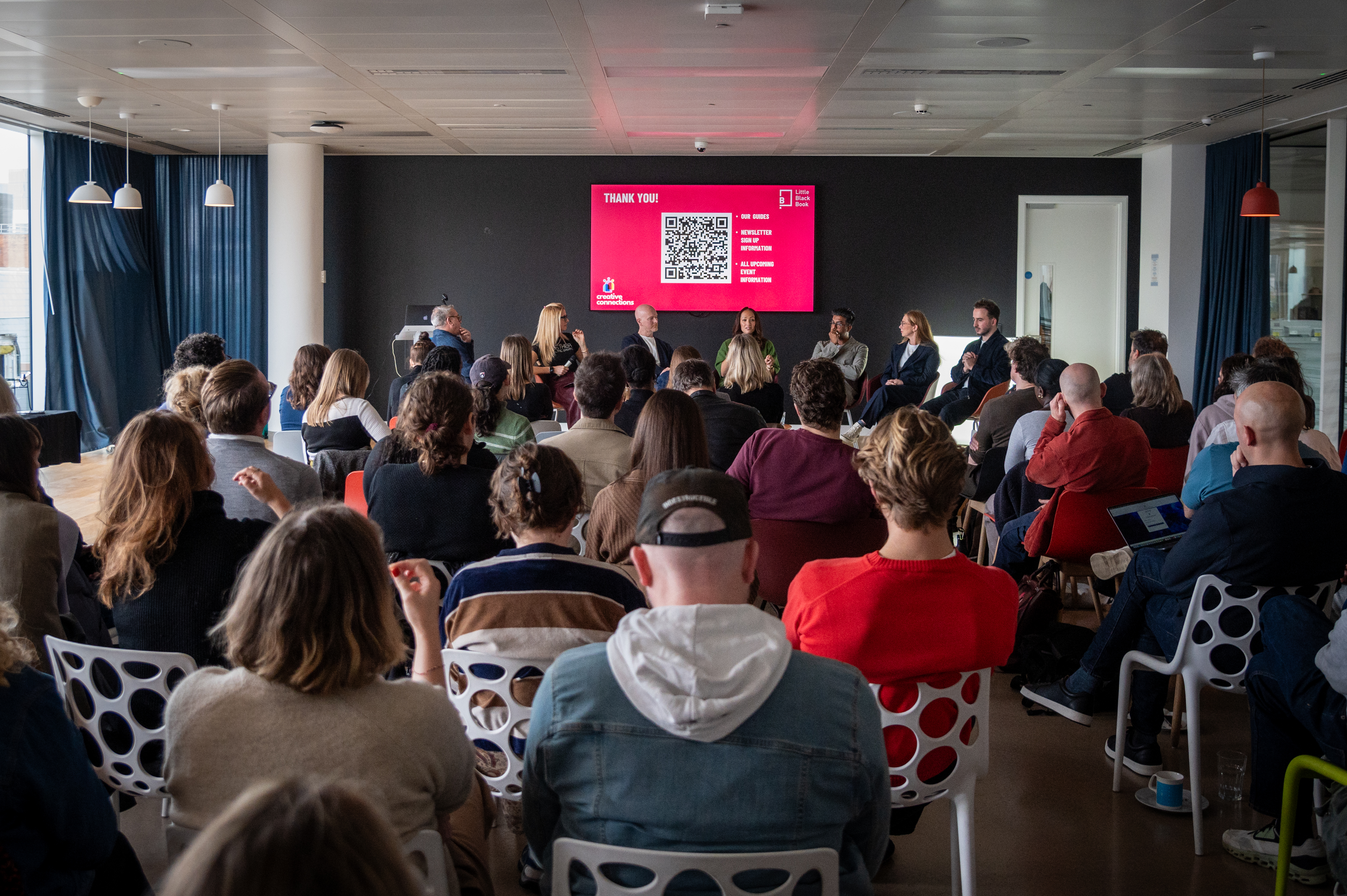
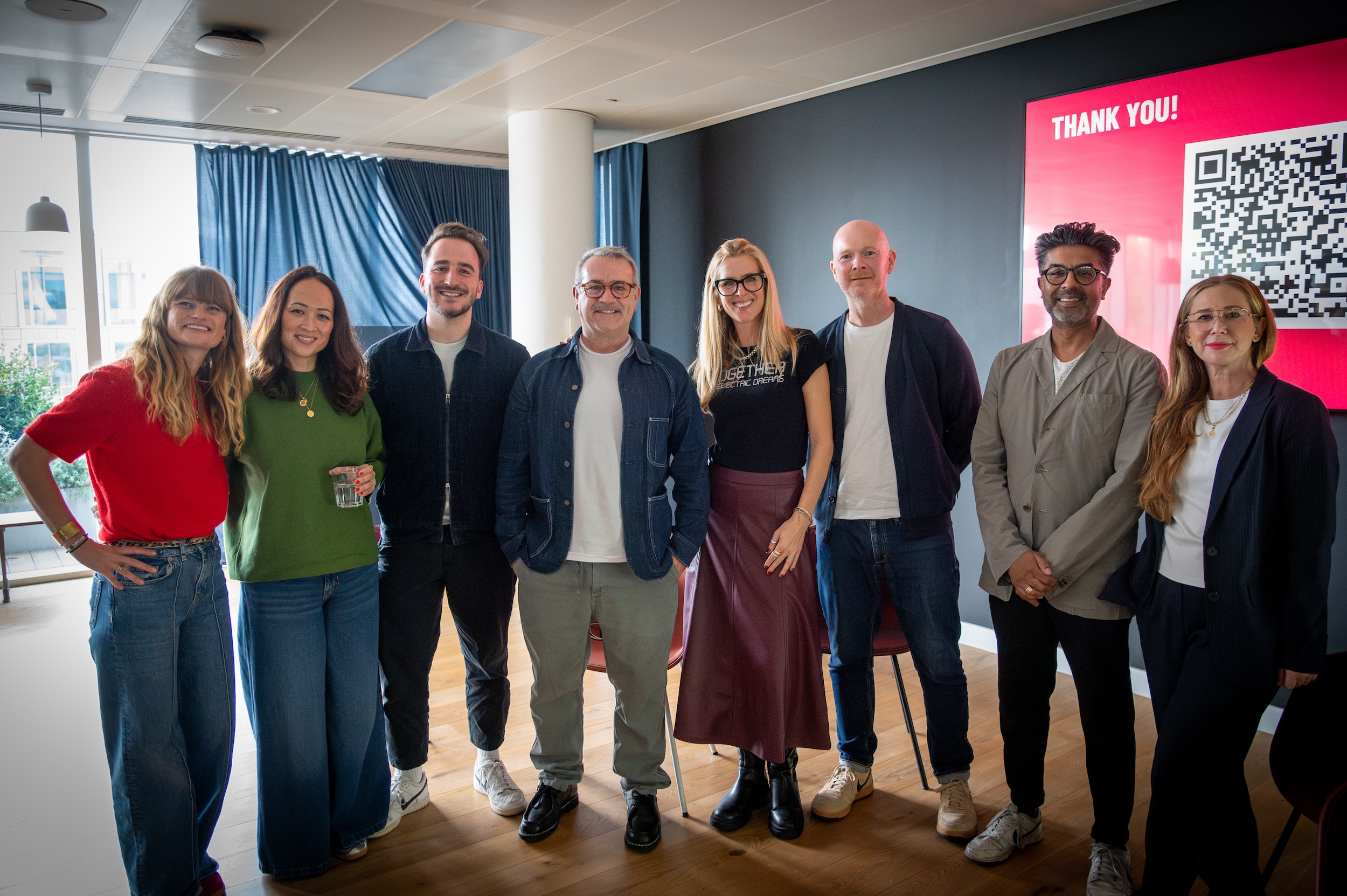
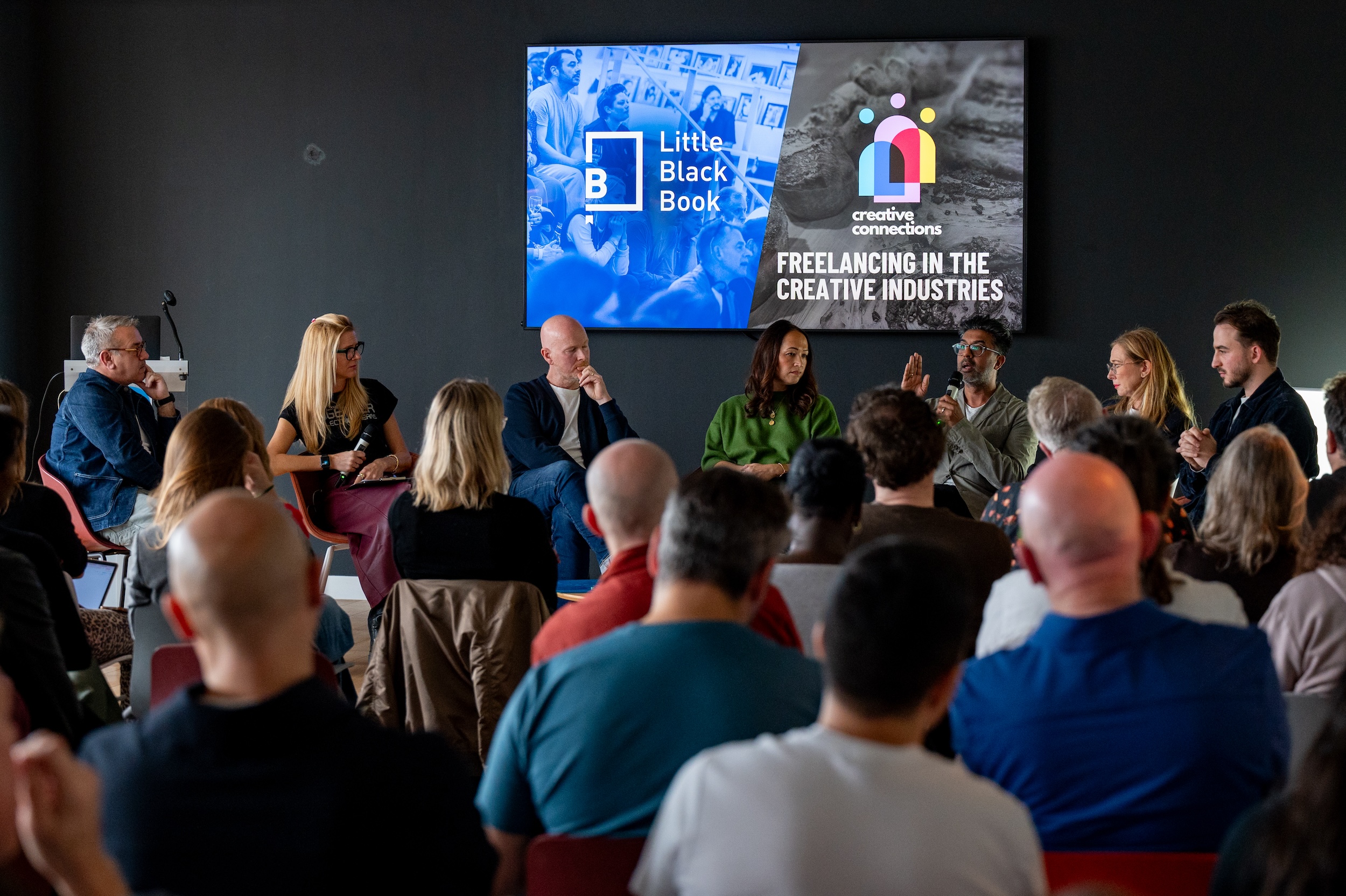
Earlier this month, LBB and creative recruitment agency Creative Connections brought together a powerhouse panel of advertising experts to talk about freelancing in today’s industry, as part of an ongoing partnership. Featuring panellists with decades of combined experience across creative, strategy, account management and production, the discussion – moderated by Creative Connections’ co-founder Helen Kimber – covered everything from how to get started, navigating rates, networking, and building reputations in a fast-changing marketplace.
Starting Out: Take the Leap
Going freelance can be a daunting prospect, but the industry is increasingly shifting towards flexible working, with around 70% of roles now freelance or fixed-term compared to just 30% permanent. Each of the panellists shared different reasons for making the jump, along with tips, tricks and key considerations for anyone entering the contracting world. Some of the most common motivations for going freelance included escaping office politics, seeking variety, and taking control of their careers.
“I’d just had a third very small child,” remembered Andy Lear, reflecting on the tipping point that led him to go freelance. “We were on a family holiday and I basically lost about three days of it. And I just went, ‘Fuck this.’” The leap wasn’t instant, a year of planning and experimentation followed. “I thought I’d get work from all the people I’d worked with before. I got zero. It was all about meeting new people along the way.”
For Alessia Small, freelancing opened the door to scaling up her contacts and rediscovering the power of networking. Her first major freelance stint was at Wieden+Kennedy Amsterdam – a move that had her shuttling between the UK and the Netherlands for a year and expanding her professional circle dramatically. Her advice for newcomers: “Just start, and hold on to the people you get on with. Never let them go.”
The Freelance Market Today
Despite the fantasy of freelance freedom, the market has become more saturated and competitive. Amy Eagles, head of operations at BBH Health, explained: “We have freelancers who own their discipline and do exactly what we need, and then we have circumstantial freelancers who want perm jobs but are freelancing for now. They can be more effort to manage.”
“There used to be work everywhere, and longer stints were normal,” said Andy Lear. “Now it’s often three-month gigs if you’re lucky, then a gap.”
Pricing, inevitably, was a big focus of the session – with panellists offering grounded advice on negotiating rates and maintaining professional value despite shrinking budgets. Freelancers often feel pressure to drop their rates to stand out, but Jean Luc Gentili emphasised the importance of confidence and consistency. “You sell your work at the value you believe it’s worth. There’s always negotiation, but I do better work when the rate matches the effort.”
It’s also vital for freelancers to keep pace with inflation and remember they’re covering their own tax, pension, holiday, and sick pay. “For years I was on £350 a day,” shared Alessia. “My skill set kept growing, but my rate didn’t. Eventually I put it up and got told it was ‘cheeky’. Freelancers need to keep pace with inflation, cost of living, and experience.”
“Confidence is key,” added Shishir Patel. “Underpricing yourself might get you more work, but it drags down the market for everyone.”
Making an Impact From Day One
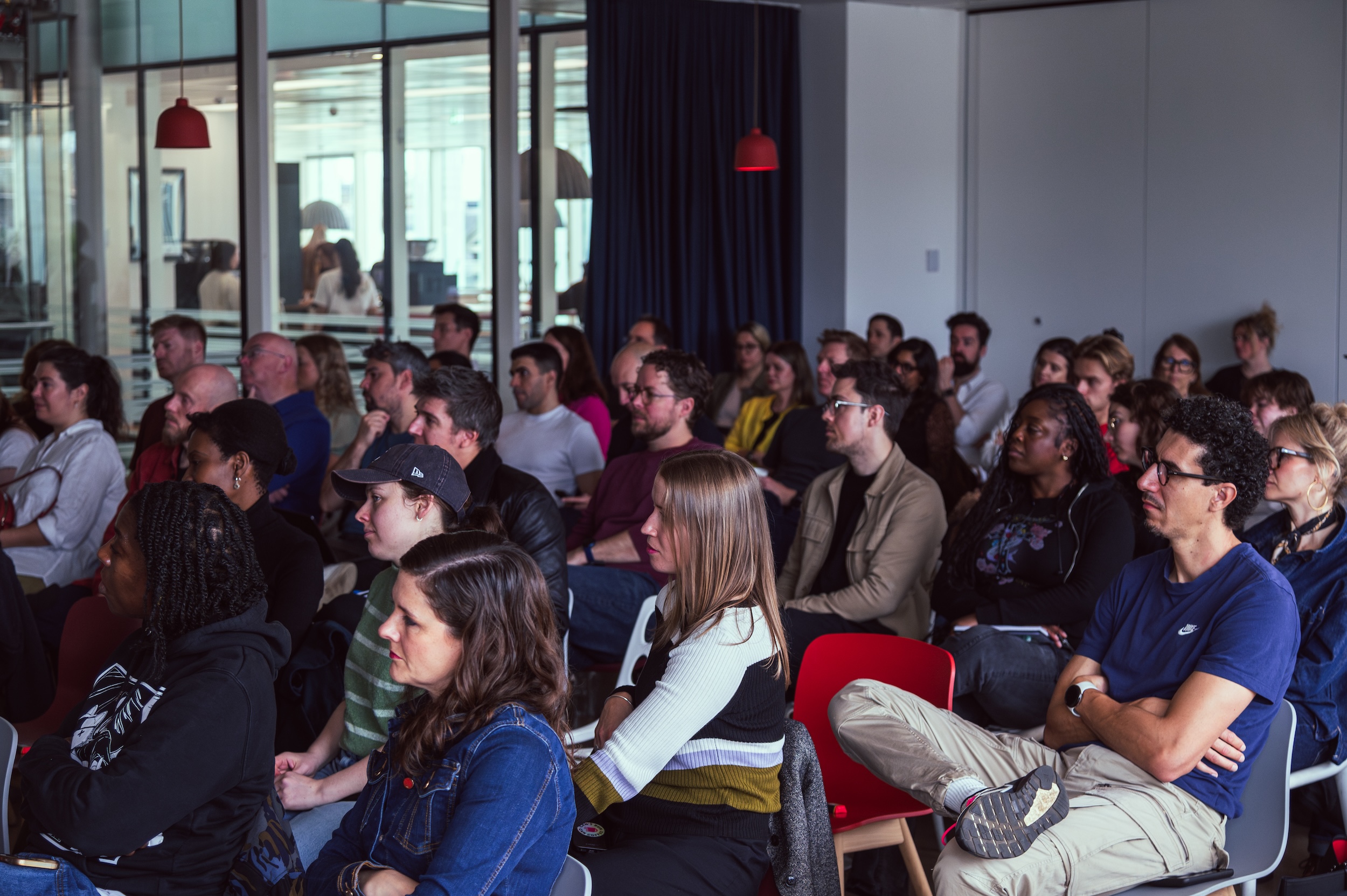
Beyond market conditions, the conversation turned to the work ethic required to thrive as a freelancer, when you’re judged on output, integration, and professionalism from day one.
“You need to make an impact from day one,” said Shishir. “You’re building your personal brand. Deliver immediately. That’s what helps secure your next gig.”
Amy Eagles echoed this: “The best freelancers are the ones I barely hear about until they’re gone and people are saying, ‘They were amazing, can we get them back?’”
Freelancers should be visible for the right reasons, they should be proactive, communicative and unflappable. Their remit includes building strong relationships with both clients and colleagues, and maintaining steady communication. “Energy creates energy,” Alessia noted about how to stay motivated and focused when freelancing. “When you’re low, do something that lifts you. Present yourself well, keep learning, and keep the conversation going.”
Getting the work-life balance right, however, remains elusive. Most panellists admitted they still struggle to set boundaries.
“When I’m working, I work incredibly hard,” said Jean Luc. “But when I’m off, I’m off. Holiday really is holiday. No inbox dread.”
In contrast, Andy joked: “I’ve been promising myself a summer off for 15 years. Never done it. Freelancing doesn’t automatically mean better boundaries — you work harder because the work reflects you.”
Alessia echoed a familiar freelancer rhythm: strict about logging off, but fully immersed when on the job. “I go ‘all in’ with any company I’m working with, whether it’s for a week or a year — so my boundaries do blur.”
The freelance market may be unpredictable, but it can offer autonomy, variety, skill expansion and an ever-growing network. The session ended with clear, actionable advice:
- Be brave and say yes; stretch yourself and take on projects that scare you.
- Brand yourself; make your CV, portfolio and presence stand out; revisit and update them regularly.
- Keep learning and networking; invest in upskilling, attending talks, and nurturing professional relationships.
- Deliver immediately and leave tidy work; clarity, communication and organised files make a lasting impression.
- Choose your collaborators; work with people who energise and inspire you.
Freelancing in adland isn’t easy, but for those willing to embrace the unknown, build their reputation, and invest in relationships, it offers flexibility, creativity and opportunity.
As Jean Luc put it: “The magic of freelancing is that the next contract can be completely different from the last.”
For more practical tips and advice, do get in touch with Helen or Samantha at Creative Connections and sign up for their Freelance Force Mailer hereto hear about the latest opportunities.
LBB is now geared to support freelancers with specialist freelance and individual packages. Claim your LBB profile and use your LBB Reel Builder to bring your portfolio together and put yourself in front of clients searching for their next hire.


