


KFC India Turns Lunch Break Guilt Into Work-Free Wins


We’re all familiar with hustle culture and the pressure to get as much done as possible. Trouble is, many are choosing to skip lunchtime during work hours because of the guilt of taking a small break.
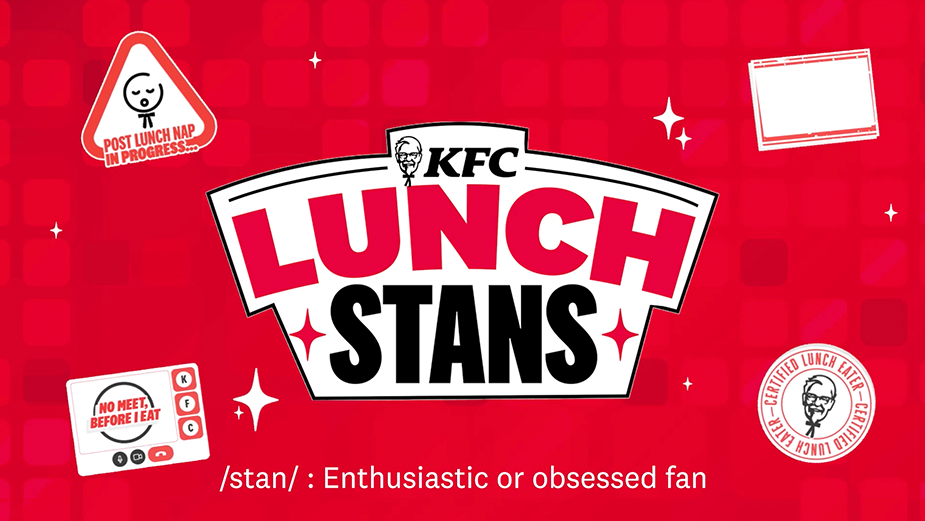
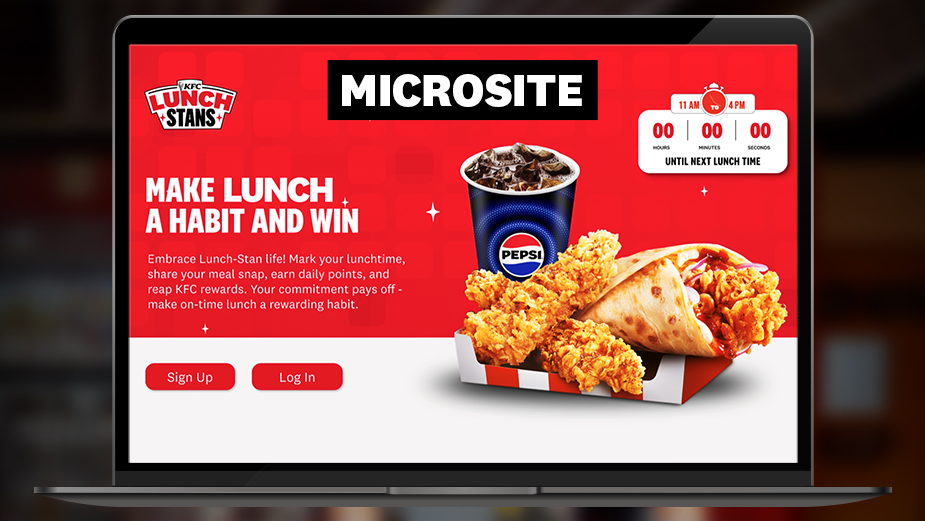
KFC India decided to take matters into its own finger-lickin’ hands. If missing lunch is a badge of honour, the brand decided to flip the script, turning lunch into an enticing contest. ‘Lunch Stans’, a three-month loyalty programme, gamified the lunch break with every meal counting towards ultimate bragging rights on a competitive leaderboard.
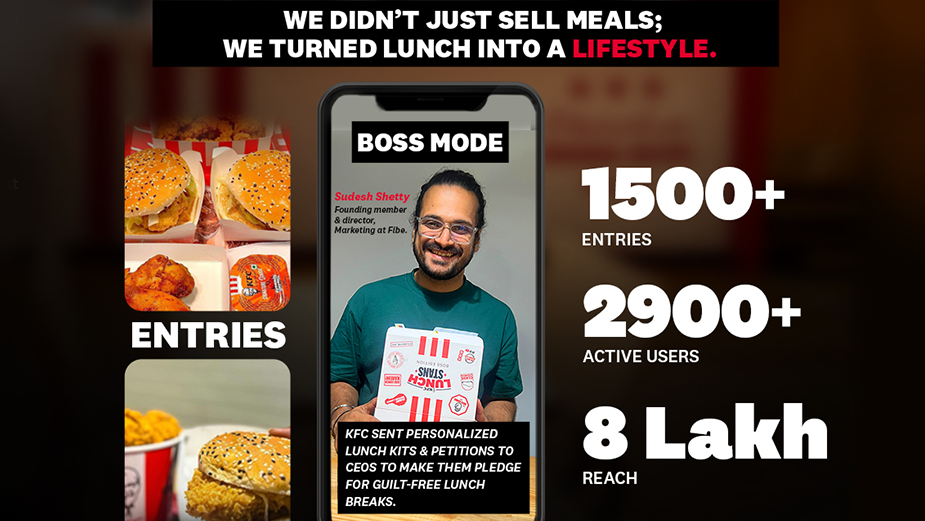
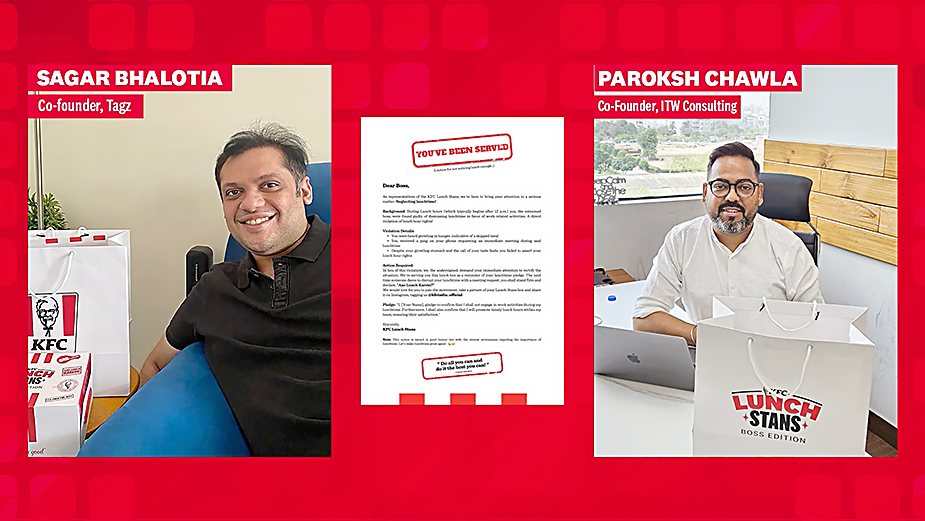
As part of the campaign, which won in the Digital and Online category at Campaign Brief’s The Work 2025 awards, KFC sent personalised lunch kits with petitions to CEOs, urging them to make lunch breaks a work-free time. Because if anyone was going to lead the charge in making lunch sacred again, it had to start from the top.
To find out more, LBB’s Sunna Coleman spoke with Blink Digital creative director, Jana Colaco, and senior copywriter, Rishabh Mishra, who shared the inspiration behind the gamified campaign and why they had to stop thinking like marketers and start feeling like fans.
LBB> Tell us about the creative inspiration behind the ‘Lunch Stans’ loyalty programme.
Jana> Let’s take you back to a typical Indian childhood, when tiffins (lunch boxes) for schooltime were the real class MVPs, and the joy of the lunch bell ringing evoked the same Pavlovian response of pleasure as the dog with the bell. Things were so simple back then.
Now, when you think of a routine, you involuntarily think of all the mechanical and obligatory movements you make through a single day, like punching in at your system at work every morning. That’s when it struck: what if we mirror the act of clocking in at work, but reinvent it as a loyalty programme for the highly underrated lunch break and newly launched KFC lunch!
By turning an everyday, mundane activity into the most anticipated one, we made lunch worthy of full attendance again.
Rishabh> Around the time everyone was debating 70-hour work weeks, gen z was quietly setting its own rules – choosing balance over burnout. ‘Lunch Stans’ was our way of backing that evolving mindset.
LBB> Why was gamifying the process the best way forward for the gen z target audience?
Jana> 74% of gen z spend a minimum of six hours a week gaming, which, in itself, calls for a break! We saw the potential not just in gamifying lunch time but also in rewarding the gen z janta (public) for every lunch break taken. No, we didn't ask them to play with their food!
By creating a leaderboard, we gave fans a major flex. Every meal was a step closer to the top, with weekly leaderboard reveals keeping the FOMO real. We turned the most-skipped moment into the most bragged-about break, overshooting our planned KPIs both with the number of entries and repeat ones.
Rishabh> Gamification gave them a reason to come back every day, not just for rewards, but for bragging rights. It turned a meal into a mission.
The leaderboard made it fun! 1500 entries competed to prove who was the biggest ‘Lunch Stan’. Yes, it was about rewards, but it also became a badge of pride. By rewarding their me-time, we made taking lunch breaks feel cool again. That shift in attitude was the REAL WIN.
LBB> As part of the mission to help gen z take more breaks, KFC sent personalised lunch kits with petitions to CEOs, urging them to make lunch breaks a work-free time. How was this received? What feedback did you get?
Rishabh> Culture is built top down. There comes a time when bosses make every task a crisis, and people stop breathing between emails. Studies show that after 50 hours a week, output actually drops instead of rising. So, we wanted to flip that mindset. The petitions were a reminder that breaks don’t make you lazy, they make you last.
The response was warm and genuine. People loved that someone finally said it out loud. CEOs appreciated the thought behind it. Some even acknowledged how easily lunch breaks get sacrificed in the rush of the day. It sparked a positive conversation about something most people quietly relate to.
Jana> As a prominent visionary once said about life, “Stay hungry, stay foolish.” But when literally applied to your lunch break, you’d be rather foolish to stay hungry. We prompted head honchos to petition for better lunch breaks, whilst recognising that timely meals can mean business too. We’re happy to report that we didn’t have to chase them for a sign-off!
LBB> What were the biggest creative obstacles on this project and can you talk us through how you navigated these?
Rishabh> Attention span. How do you build a loyalty programme when people are eating and typing while glued to their screens? The real breakthrough came when we stopped thinking like marketers and started feeling like fans. What if lunch had its own fandom? Another big challenge was tone. Talking about overtime can easily turn into a lecture. We wanted to stay playful, not preachy. So instead of guilt-tripping people into taking breaks, we turned it into a game.
Jana> It helped that, as a team, we became living, breathing use-cases for the campaign's insight. In the crunch of ideating, we tend to lose the battle to the delicious crunch of lunchtime. Practising what we campaigned for became a satisfying obstacle to overcome, and it didn’t hurt to have some KFC along the way, too.
LBB> How did this campaign boost KFC’s brand perception?
Jana> If we manifested a culture where people said, “Let’s break for lunch first?” or “Hey, we’re better at bouncing off ideas over biryani”, then we’d already won half the battle. The hunger for change was already there, we just had to feed it the right way.
Rishabh> It reminded people that KFC gets the times we live in. Everyone’s talking about working more, doing more. We chose to talk about stopping for lunch. That made the brand feel more grounded. People started seeing KFC as more than a food brand. It became part of the work culture conversation – the side that says it’s both physically and mentally rewarding to take a break, breathe, and eat.
LBB> What was the most fun part of working on this project for you?
Jana> It was fun to make lunch the protagonist again! One second, we’re bridging a generational gap with our gen z audience, and the next, we’re sending petitions to CEOs. That was definitely giving range.
Rishabh> The fun was in how many small things came together to make one strong point. Working on the special ‘Lunch Stans’ packaging for bosses was a blast. The letter that went with it had to be polite but still bold enough to question hustle culture. Cracking that tone felt satisfying. Every element, from the kit to the copy, carried that quiet defiance.


