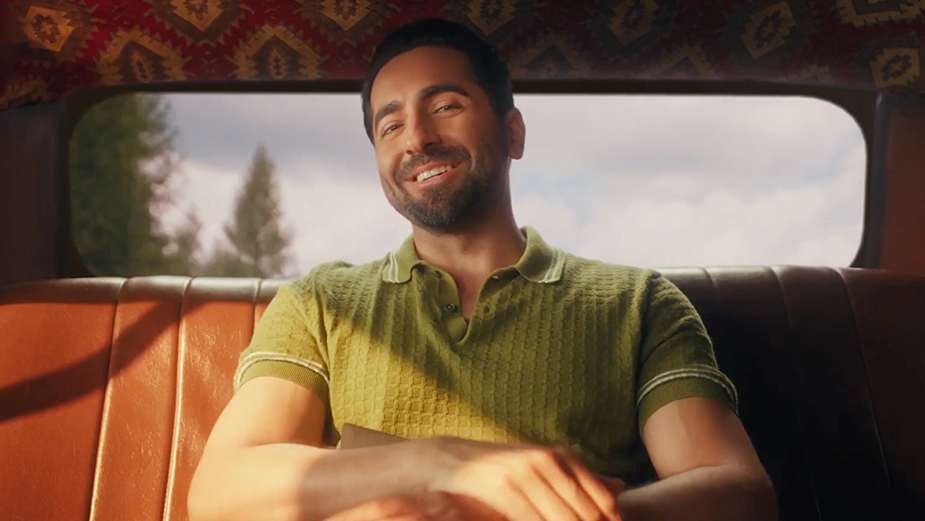
How AI-Powered Actor Ayushmann Khurrana Motivated Travel Daydreamers for Agoda


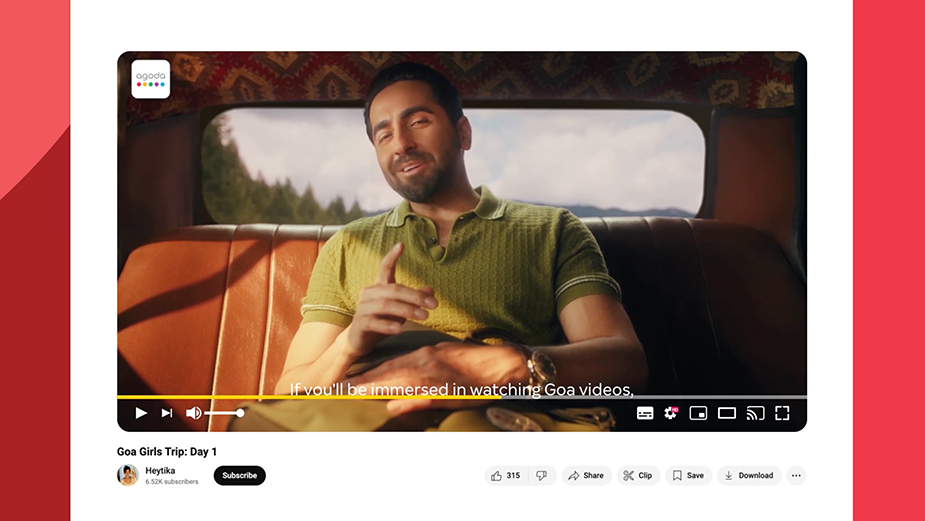
Recognising that travel planners frequently turn to YouTube for inspiration and research, travel agency Agoda decided to leverage the platform’s prerolls to pique interest and give travellers the nudge they need to turn passive viewing into real bookings.
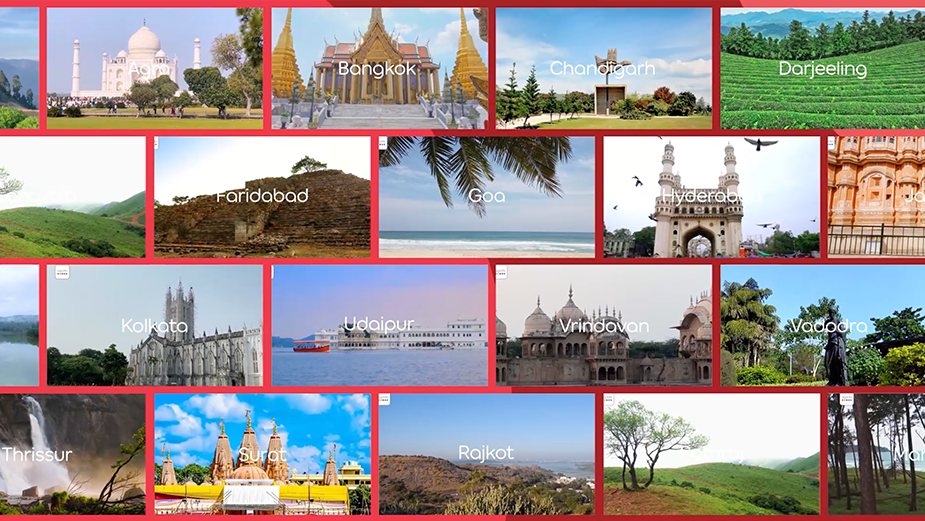
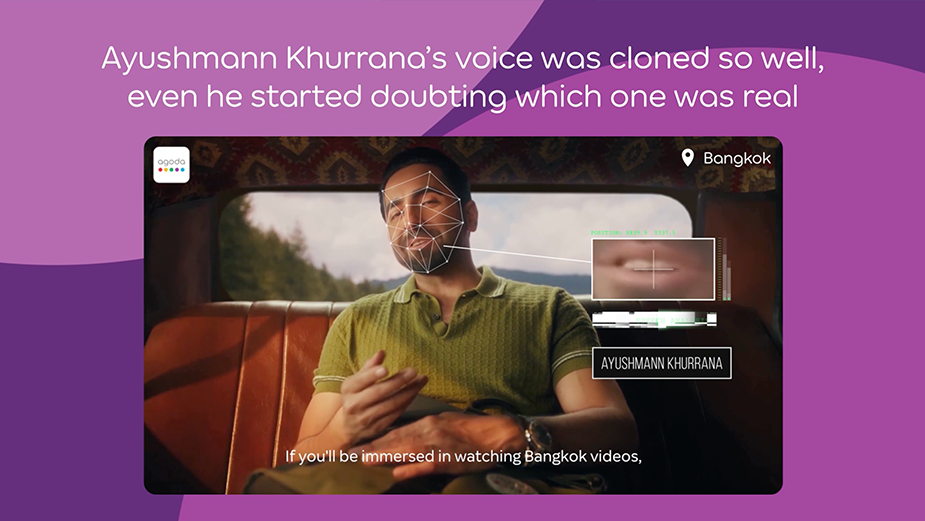
In collaboration with Indian actor, Ayushmann Khurrana, ‘See the World for Less’ featured 250+ hyper-personalised assets created using just one master film that was adapted with AI.
Placing the ads right before popular travel videos, Agoda was able to reach the right audience at the right time – when they were already in the travel planning mode. By meeting viewers exactly at their moment of curiosity, the brand removed the friction between dreaming and doing, garnering 150M+ impressions, 11M+ views, and a 27% click-through rate jump.
To find out more, LBB’s Sunna Coleman spoke to Blink Digital’s associate creative director, Anuj Rathod, and creative director, Yogesh Shirke, who share how AI helped them scale the campaign without compromising on human creative insight, and how they handled the tricky task of lipsyncing and matching Ayushmann Khurrana’s voice.
LBB> Tell us about the ideation stage for Agoda’s ‘See the World for Less’. What were the early ideas and conversations and how did you land on the final concept?
Anuj> In the early stages, our brainstorming was actually headed in a completely different direction. We were exploring a large-scale on-ground experience – something playful and immersive. The idea was to build ‘Agoda Portals’ in high-footfall locations across major cities.
But as the conversations matured, we kept asking ourselves one key question: how do we make this idea work harder in media, scale effortlessly, and stay true to Agoda’s digital-first DNA? That’s when the shift happened. We realised that instead of creating physical portals for a few thousand people, we could create digital portals for millions – and AI could help us do that with precision.
From that point onward, the idea evolved into something far more powerful: AI-generated, search-triggered YouTube prerolls that personalise the experience based on where each viewer wants to travel.
LBB> Why was partnering with Ayushmann Khurrana the best fit? What was his reaction to the idea and the involvement of AI replicating his voice?
Anuj> When we shared the idea with him, especially the part where AI would replicate his voice to create dynamic, personalised prerolls; he was genuinely thrilled. He loved the innovation behind it and was excited to see how technology could extend his presence into a full-fledged media plan. For him, it wasn’t just a shoot; it was an opportunity to be part of a new kind of digital storytelling powered by AI.
LBB> What were some of the biggest creative hurdles you needed to overcome on this work and what solutions did you find?
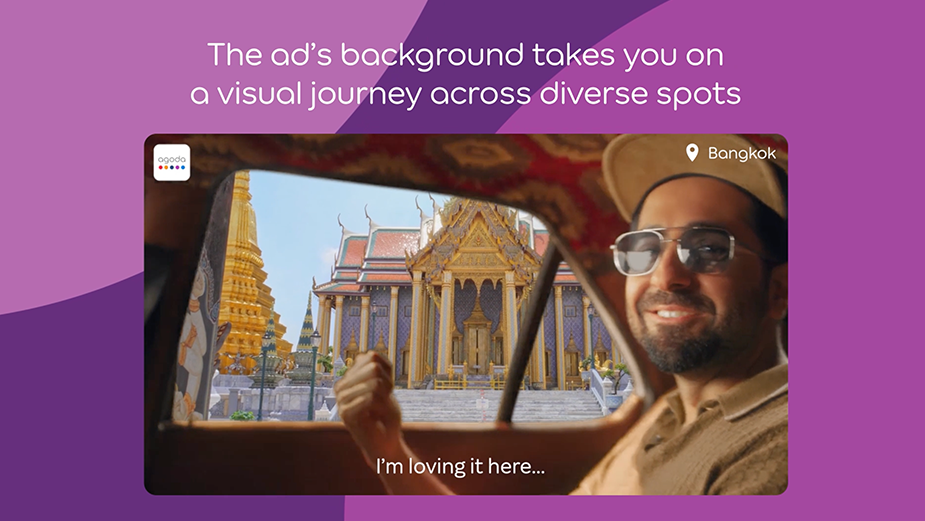
Yogesh> The biggest challenge was making the transition from inside the car to the searched destination feel magical. We shot with a green screen and spent a lot of time finessing the window transitions until they felt seamless.
We also had to train the AI to match Ayushmann’s voice and lipsync perfectly, which took multiple rounds of fine-tuning with the tech team. And, of course, finding the right track was crucial, something energetic, catchy and memorable enough to carry the idea and stick with the viewer long after watching.
LBB> What specific AI tools or technologies powered the personalisation at scale?
Anuj> To deliver personalisation at scale, we relied on GAN-based AI tools that allowed us to generate multiple variations of Ayushmann’s voice, expressions, and gestures. This technology let us adapt the preroll films to different destinations and user intents without needing separate shoots for each version.
The GAN engine essentially became our creative multiplier, enabling us to produce dozens of contextual video assets, each one tailored to what the viewer was actively searching for, while keeping the performance authentic and consistent.
LBB> How was the single hero film designed to work across so many personalised versions?
Yogesh> AI is becoming standard for personalised brand experiences, and at Blink Digital, blending tech with creativity is something we deeply believe in. With this Agoda campaign, the ambition was to craft one of the first AI-led personalised pre-roll ads based on each user’s travel searches.
Since the film needed to run across travel content on YouTube, we built one strong master narrative that could dynamically adapt to different destinations. That way, every viewer saw something personal, yet the core film still felt seamless, scalable and engaging.
LBB> How did you balance automation with human creative oversight?
Anuj> We approached automation as an enabler, not a replacement. The AI handled scale, generating variations, adapting gestures, and rendering personalised versions, but the creative thinking, emotional cues, and storytelling were entirely human-led.
We defined the tone, the performance style, the visual language, and the narrative beats. Then the AI replicated and extended those choices across multiple personalised assets. Every output still went through human review to ensure it felt natural, on-brand, and true to Ayushmann’s personality.
Yogesh> We relied on technology for efficiency, but human oversight ensured the film stayed emotional, meaningful, and aligned to the idea.
LBB> How long did it take to complete the project from start to finish? Was there a quick turnaround?
Yogesh> The entire project took around two months from start to finish. The timeline covered three major phases, production, GAN AI development, and post-production. While each stage moved efficiently, the part that required the most time and focus was sourcing and selecting the right footage. Finding visuals that matched the narrative and worked seamlessly with AI output was a significant chunk of the effort. Once that was locked, the rest of the workflow progressed smoothly.
LBB> What did you learn from working on this campaign, particularly in relation to AI possibilities?
Anuj> This campaign showed us that AI isn’t just a production tool, it’s a creative amplifier. We learned how AI can extend a single performance into dozens of personalised experiences, scale storytelling in ways traditional shoots can’t, and make media feel tailor-made for every viewer.
Yogesh> Training the model, fine-tuning the voice, getting the lip sync to feel natural – all of it proved that tech still needs human craft and emotional judgement to feel real. At the end of the day, AI can amplify the idea, but the soul of the work still comes from people.
LBB> Did the campaign change how Agoda approaches media planning or content creation in the future?
Yogesh> Yes. Instead of serving one film to everyone, we explored how personalised creatives based on real user behaviour can deliver relevance at scale.
Personalisation has become non-negotiable today. With so much content competing for attention, people only remember what feels tailored to them. When communication reflects someone’s needs or interests, it instantly builds connection, trust, and impact. That’s exactly what we tapped into – reaching the right person with the right message, at the right moment.