


How Creators Fit Into 2026 Super Bowl Advertising


With the world’s most subscribed YouTuber, MrBeast, set to front Saleforce’s 2026 Super Bowl campaign, it’s fair to assume that creators will play a starring role in advertiser’s marketing efforts this year.
But, for the multitude of brands who haven’t capitalised on a YouTuber’s big idea on X (formerly Twitter), that promised “the craziest Salesforce-Slack love child ad the world’s ever seen”, how can they similarly leverage the reach and popularity of creators to the fullest extent? And do opportunities for success lie within the Big Game itself, or in the activations that surround it?
Ahead of Super Bowl Sunday (February 8th), LBB’s Abi Lightfoot spoke to experts from across the industry to get their takes on how creators will fit into advertising this year, as they argue that maximising creator’s potential comes both in and outside of the Big Game itself.
Keep up with everything Super Bowl LX here.
Ian Trombetta
Senior vice president, global social, creator and content marketing, NFL
The Super Bowl isn’t just a game-day moment anymore, it’s a full cultural week, and creators are central to how fans experience it. From the Creator Flag Football Game on YouTube to the Honors red carpet, to real-time access behind the scenes throughout the week with our Creator of the Week programme, we’re giving creators the opportunity to co-create with us at every touchpoint.
Also, this year, we will be joined by some of the world’s top gaming, fashion, and YouTube podcasters throughout Super Bowl week, with a focus on expanding global engagement and deepening fandom. Creators aren’t just amplifying the moment, they are translating it for global audiences through real-time storytelling that extends the Super Bowl’s reach and brings fans inside the action.
Aaron King
Global influencer innovation director, McCann
The Super Bowl doesn’t need creators to make it culturally relevant; it already is. What it does need is people who can translate that scale into meaning.
Without a doubt, creators will absolutely be part of Super Bowl 2026. The mistake brands will make is obsessing over whether they should be in the ad, rather than asking the important question of ‘what role influence should play around it’. Influence shouldn’t be a casting decision – it should be an ecosystem.
The truth is, celebrities still hijack attention, creators build resonance, influencers deliver reach, and advocates build belief. When brands treat them all the same, everything gets flatter, faster.
The smartest use of creators isn’t trying to squeeze them into a 30-second TV slot for legitimacy; it’s using them to turn a broadcast moment into cultural aftershocks – content that lives before, during and long after the game, inside real communities rather than between commercial breaks. That’s how you turn Super Bowl spend from a spike into a multiplier.
There’s also an uncomfortable truth: the Super Bowl could also be where bad influencer strategy goes to die. If a brand shows up with creators and nothing meaningful to say, audiences smell it instantly. We spend enough time online to know when something is performative. That’s where ‘relevance’ tips into performance, and performance ultimately tips into cringe.
Influence doesn’t work because the moment is big – it works when the thinking is. The Super Bowl won't be short on brands, only on those brave enough to use influence with the necessary restraint to do it well.
Nayri Kodazian
Director influencer strategy, GUT Toronto
The Super Bowl remains one of the few moments where people don’t just watch – they engage in real-time conversation at watch parties, on social, and at the water cooler. But that participation no longer comes from a single mass audience. It comes from distinct fandoms engaging on their own terms.
In 2026, relevance around the Super Bowl will depend on how well brands understand and move at the speed of these micro-communities. Creators play a critical role here. Not just as faces in ads, but as cultural insiders who know where fandoms gather and how they want to engage. Influencer events, pre-game build-up, live reactions and remixes, and post-game storytelling allow brands to meet fandoms in uncluttered spaces and turn a broadcast into something people feel part of.
Only a small set of creators will translate on TV. The bigger opportunity lives around the game, offline and online, where fandom unfolds in real time.
Alexis Ramos
Partner and head of sports, Sixteenth
Creators don’t replace the Super Bowl ad. They extend it, humanise it, and keep it alive.
Heading into 2026, I don’t think the biggest opportunity for creators is simply starring in TV spots (though that will happen selectively). The real value is in how creators surround the moment rather than interrupt it. The Super Bowl is still about spectacle and scale, but creators are about connection, context, and continuity.
What we’re seeing work best is a layered approach:
Creators as cultural translators: Turning big, polished brand moments into content that feels personal, conversational, and native to social.
Earned extensions: Creators driving organic conversation before, during, and after the game in ways a 30-second spot can’t.
Real-time and POV content: Creators experiencing the Super Bowl in real life, reacting, participating, and giving audiences access instead of ads.
In some cases, creators absolutely belong inside the TV spot, but only when there’s true alignment, and the creator brings cultural credibility, not just reach. Otherwise, audiences can feel the difference instantly.
The smartest Super Bowl strategies in 2026 will treat creators as partners, not placements, building them into the ecosystem of the campaign early, giving them ownership, and letting them show up in ways that feel native to how people actually consume content today.
In short, the creator's biggest impact isn't the commercial. It’s their involvement in the conversation that follows it.
Zack Green
Comms strategy director, Wieden+Kennedy New York

The Super Bowl is one of the few moments when people genuinely care about advertising. Marketers are under the microscope even more, and everyone plays creative director during the game. Brands spend so much money on this one event to reach the broadest slice of America and beyond. It’s even more crucial to make choices that serve the creative ideas best, while also serving our consumers best.
So, when we think about how we cast creators or talent in general, it always comes down to how well they fit the work and the message we’re conveying. Are they actually additive, or are we just checking a box to show we can speak the language of the internet? Do they give us an opportunity to expand our reach, appeal, and breakthrough with different communities? Or, are they just going to feel like a random add-on? These creator communities are also a lot more tapped-in than the average mass TV audience. They can smell inauthenticity from a mile away. So, we need to be even more responsible and strategic about who we cast and how we use creators. And if we do choose to hero them, we should be comfortable and brave enough to lean into an idea that feels truly specific to their communities’ expectations, rather than pursuing ideas designed to appeal as broadly as possible.
Maryanne Milano
Senior vice president, The Romans US
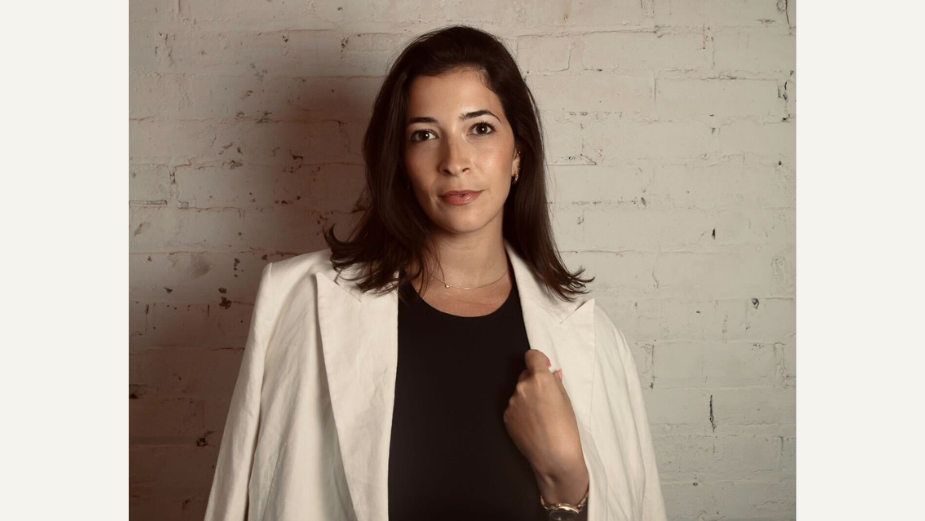
The Super Bowl is big enough for everyone, and that’s true all season, not just on game day. The real question isn’t whether creators belong, but how brands use them with intention, and how willing they are to rethink traditional ROI models.
For brands that can afford a Super Bowl spot and truly understand their audience, creators can often be a smarter route than conventional celebrity casting. The broadcast reaches millions, but most smart brands aren’t trying to reach everyone. In fact, that’s often how campaigns end up resonating with no one. Awareness isn’t built in a day, and this is where year-round, non-traditional, integrated strategies – like creators – can help turn consumers into brand advocates.
This year’s halftime show adds a compelling layer for brands open to experimenting at scale. Bad Bunny’s recent Puerto Rican residency proved his ability to command culture and dominate social feeds, signalling that new audiences will be paying attention. For brands willing to play with both reach and relevance, this is an opportunity to bridge the halftime moment, the NFL universe, and the chronically online audience that lives between them.
Ultimately, separating ‘influencer’ from ‘celebrity’ misses the point. If someone reaches your audience and moves culture, they’re the right fit. The real decision is whether leadership is willing to bet on relevance, not just reach.
Jas Dhami
GM, New York and head of sport, North America, We Are Social

The Super Bowl is still one of the last true mass-reach moments, which is why we don't expect to see a creator takeover of the coveted TV spot. Celebrities still bring the broad recognition and appeal that make them a safer bet for brands. Creators, meanwhile, earn their place in digital campaign extensions, driving conversation and moments around both the TV spot and the game itself.
We’re seeing brands use creators as cultural translators before, during, and after the game – building anticipation, reacting in real time, and extending the life of ideas once the broadcast ends. That might mean creators streaming from brand activations, offering BTS access, or reacting live in ways that feel native to their audiences rather than interruptive to the viewing experience.
That said, creators will continue to show up inside ads, but selectively. When they do, it works best when the creator is already part of the culture of the idea, not just a face dropped into a 30-second spot. Audiences can tell the difference instantly.
As we look toward 2026, the smartest brands won’t ask, ‘How do we put creators in the Super Bowl?’. They’ll ask, ‘How do we design moments around the Super Bowl that creators can genuinely own?’. That’s where relevance, and real impact, will happen.
Noah Eisemann
Global managing director, social and influencer, VML

What we’re really seeing around the Super Bowl is a clear bifurcation in how creators are being used.
At the top end, macro creators are increasingly being cast as talent. Brands are using the Super Bowl as a moment to bring creators out of traditional influencer partnerships and into the broader ecosystem of brand ambassadors. When a creator appears in a TV spot, it’s less about accessing their audience, and more about signalling long-term alignment. The broadcast becomes a validation moment that reframes the creator as a cultural representative of the brand, not just a paid partner.
But, that’s only one layer. The more meaningful evolution is how creators are being leveraged around the moment itself. This isn’t primarily about reacting to ads or explicitly ‘commenting on the Super Bowl’. Instead, it’s about embedding brands into the social and cultural conversations that naturally surround the game. The smartest brands aren’t forcing creators to draw a straight line back to the broadcast; they’re giving creators the freedom to show up in their most native formats, while still feeling intrinsically connected to the moment.
Heading into 2026, creators will absolutely appear in Super Bowl ads. But their real impact will come from how seamlessly they help brands live within the cultural gravity of the game – present, relevant, and additive, rather than interruptive.
Ty Stafford
Founder and CEO, Hello Party
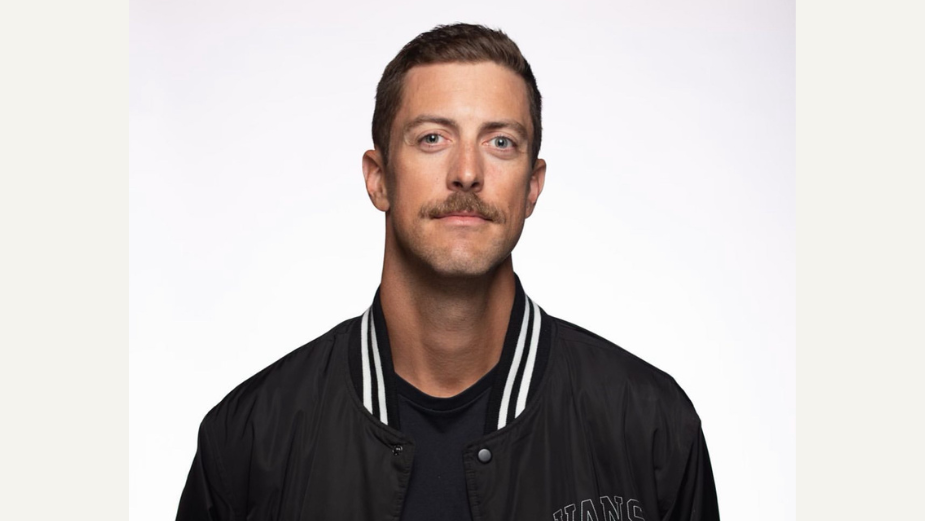
There’s an inherent tension between why creators work and what a Super Bowl ad is built to do. Creators win because they’re niche. They know their audience intimately and speak directly to them. A Super Bowl spot is designed for maximum appeal, which usually means sanding off anything too specific.
Most brands try to bridge this gap by forcing a square peg into a round hole, but where creators actually shine is around the moment. Rather than trying to make them fit the broadcast mould, you let the TV spot be the big swing, then let creators interpret it in their own voice, react in real time, and carry it into places where people are already paying attention. That’s how you extend the life of the idea instead of interrupting the game.
But there is an even more interesting exception for the brands willing to go further. A brand that truly understands it isn’t for everyone could flip that logic on its head. Imagine using a creator who’s only known inside one very particular community and making no effort to explain the reference. No broad appeal. No handholding. Just a clear signal to the people who get it: this is for you.
That kind of inclusion by exclusion is risky, especially at Super Bowl prices. If you don’t know the creator or the subculture, the ad might do absolutely nothing for you. But for the people who do know, it hits harder because it feels earned. Most brands won’t take that bet, and I get why. But if someone did it with intention, it would feel genuinely punk rock. Not trying to win everyone. Just showing up confidently for the few who actually matter.
Lily Comba
Founder and CEO, Superbloom
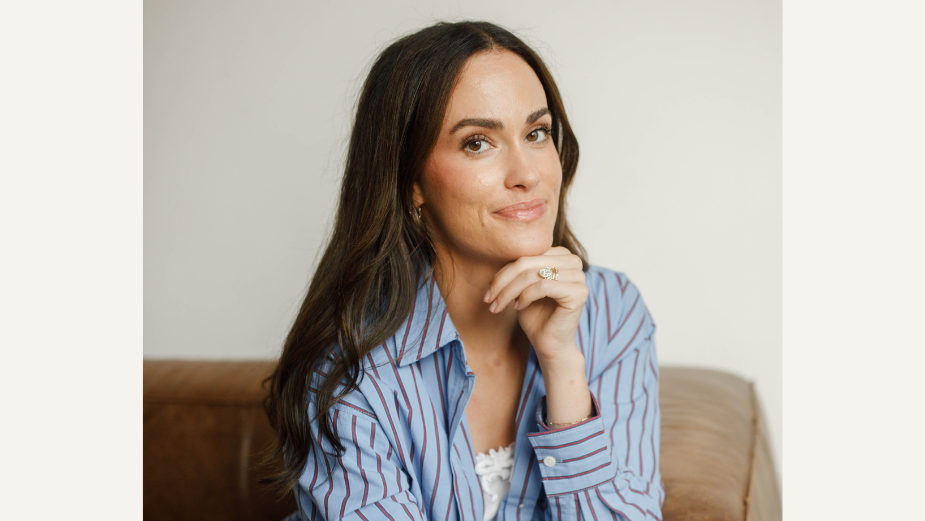
The Super Bowl used to be the moment – one 30-second spot, one massive audience, one chance to make culture pause. That still matters. But in 2026, that moment doesn’t live in isolation anymore. It lives inside a much bigger ecosystem where creators are often the most influential voices shaping how people actually feel about brands.
I think we’ve outgrown the question of whether creators belong in the ad or around it. The more important shift is recognising that for gen z and younger millennials, creators aren’t a nice-to-have add-on – they’re the primary source of trust. A Super Bowl spot buys you scale. A strong creator ecosystem buys you belief.
The brands doing this well aren’t forcing creators into a 30-second TV narrative. They’re building momentum before, during, and after the game – letting creators do what they do best: create culture, spark conversation, and invite their communities in. That’s the difference between interrupting someone’s attention and actually earning it. And in today’s landscape, earning it is the only thing that really converts.
Madison Caprara
Strategist, BUCK
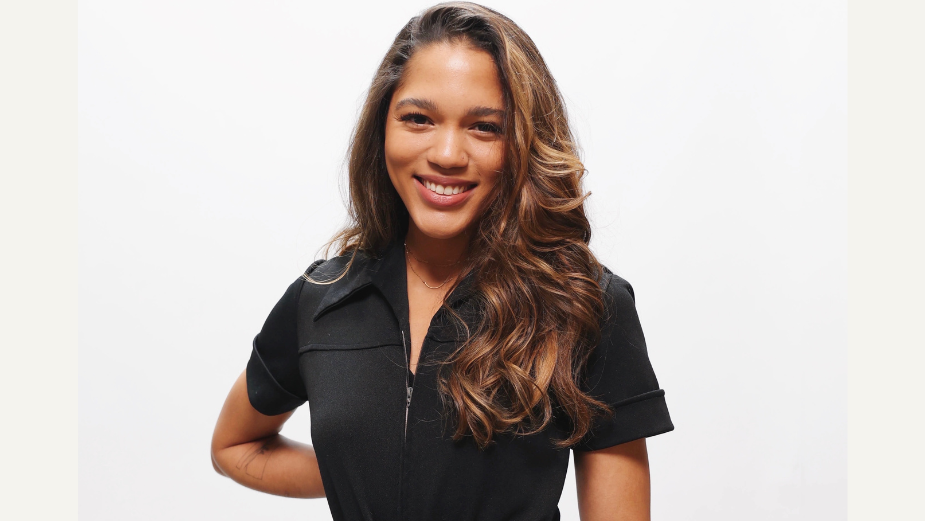
Creators and influencers are still central to brand marketing, but the way audiences relate to them is changing. I've watched growing disillusionment with traditional, hyper-aspirational influencer content. In a moment where many people are struggling with rent, groceries, and basic stability, a $3,000 haul feels less like fun escapism, and more like a total disconnect from everyday life.
Audiences aren't looking up anymore.;they're intentionally looking around. People crave relatability, shared reality, and a sense of community. That shift matters for how creators show up around moments like the Super Bowl. If brands are paying attention to this sentiment, they’ll be less likely to place influencers directly in TV spots, and more likely to deploy them strategically around the moment. Creators bring highly-engaged, niche communities that brands can tap into for more authentic awareness, extending the conversation across social in ways that feel more responsive and human.
At the end of the day, the Super Bowl will always be about spectacle. But creators themselves thrive in nuance. Their strongest position isn’t as the main event, but as the connective tissue with the potential to turn a 30-second ad into a multi-day, community-driven moment that feels genuinely attuned to what's actually happening in culture.


