


How Asian Family Love Became the Heart of AIA Hong Kong’s Insurance Films


Insurance advertising is often built around numbers, financial security and product benefits, but in ‘Let Love Transcend Time’, AIA Hong Kong took a more human approach.
Developed with BBDO Hong Kong, the work explores the quiet ways love is expressed in Asian families, following a father and son through a story of protection, loss and lasting care. Inspired by real stories gathered from AIA’s frontline agents and customers, the campaign deliberately puts emotion ahead of product messaging, using restraint, silence and culturally resonant details to reframe life insurance as an enduring act of love.
Speaking to LBB’s Sunna Coleman, AIA Hong Kong and Macau’s chief customer and marketing officer, Melissa Wong, alongside BBDO Hong Kong’s group creative director, Christine Lai, and creative director, Iker Lin, dive into the months of research, and focus on emotional intent that built this campaign.
LBB> Insurance advertising often leans heavily on statistics, financial security and product messaging. How difficult was it to convince stakeholders to let emotion lead instead?
Melissa> It was less difficult than people might expect because ‘Let Love Transcend Time’ was rooted in real customer stories and insights. We saw that people choose life insurance not just for the product, but from a deep desire to care for and protect those they love.
At AIA, our purpose is to help people live ‘Healthier, Longer, Better Lives’. That starts with understanding what truly matters to families. Again and again, we saw protection as love in action. Product features and financial benefits matter, but the deeper motivation is human: to provide for loved ones, even beyond one’s own lifetime.
In a market increasingly focused on savings and wealth accumulation, we wanted to bring attention back to the fundamental role of life insurance. It is not just a financial tool, but a meaningful way to express care, responsibility and love across time and generations.
We brought this to life through dual-perspective storytelling, showing both the giver’s intent and the recipient’s experience. This made the emotional truth more relatable, authentic and universally understood.
Iker> Impact does not always come from being loud. When a story is authentic, emotionally truthful, and grounded in the right cultural context, it can resonate far more deeply. This campaign also reinforced the idea that creativity becomes stronger when brands truly listen to real human stories.
LBB> Was it always planned to be dual-perspective or did it emerge as you developed the story?
Iker> Yes, the campaign was always intended to be told from two perspectives: the policyholder and the beneficiary. In life insurance storytelling, the focus is often placed only on the policyholder’s act of planning ahead. What we wanted to highlight was the emotional meaning behind that decision, the love, care, and protection that truly live on through the beneficiary’s experience. By showing both sides, we hope audiences can rethink insurance and better understand what life insurance really means.
LBB> You spent months embedded with front-line insurance agents collecting customer stories. Why was it important to spend that much time? What were some of the other inspiring stories that almost became the idea?
Melissa> We wanted the campaign to be built on authentic human experiences, not advertising assumptions. Our financial planners speak with customers every day and witness some of life’s most important moments, making them a rich source of insight into why people protect their families.
We heard many moving stories of sacrifice, resilience and love expressed through action. A clear theme emerged: people often make protection decisions quietly and without recognition, simply to care for those who matter most. That became the foundation of the campaign.
LBB> The story of a son discovering his late father had quietly bought insurance for him became the emotional foundation of the work. What convinced you that this single conversation captured something universal?
Melissa> What struck us was how familiar the story felt. It was not created in a brainstorming session; it reflected real stories we had heard from customers, financial planners and people around us.
Christine> In Asian families especially, love is often shown through actions rather than words. It comes through in the way they care, the way they take responsibility, and the sacrifices they make. And even after they are no longer physically around, that love doesn’t stop, it continues through protection, memories, and choices made for their children’s future.

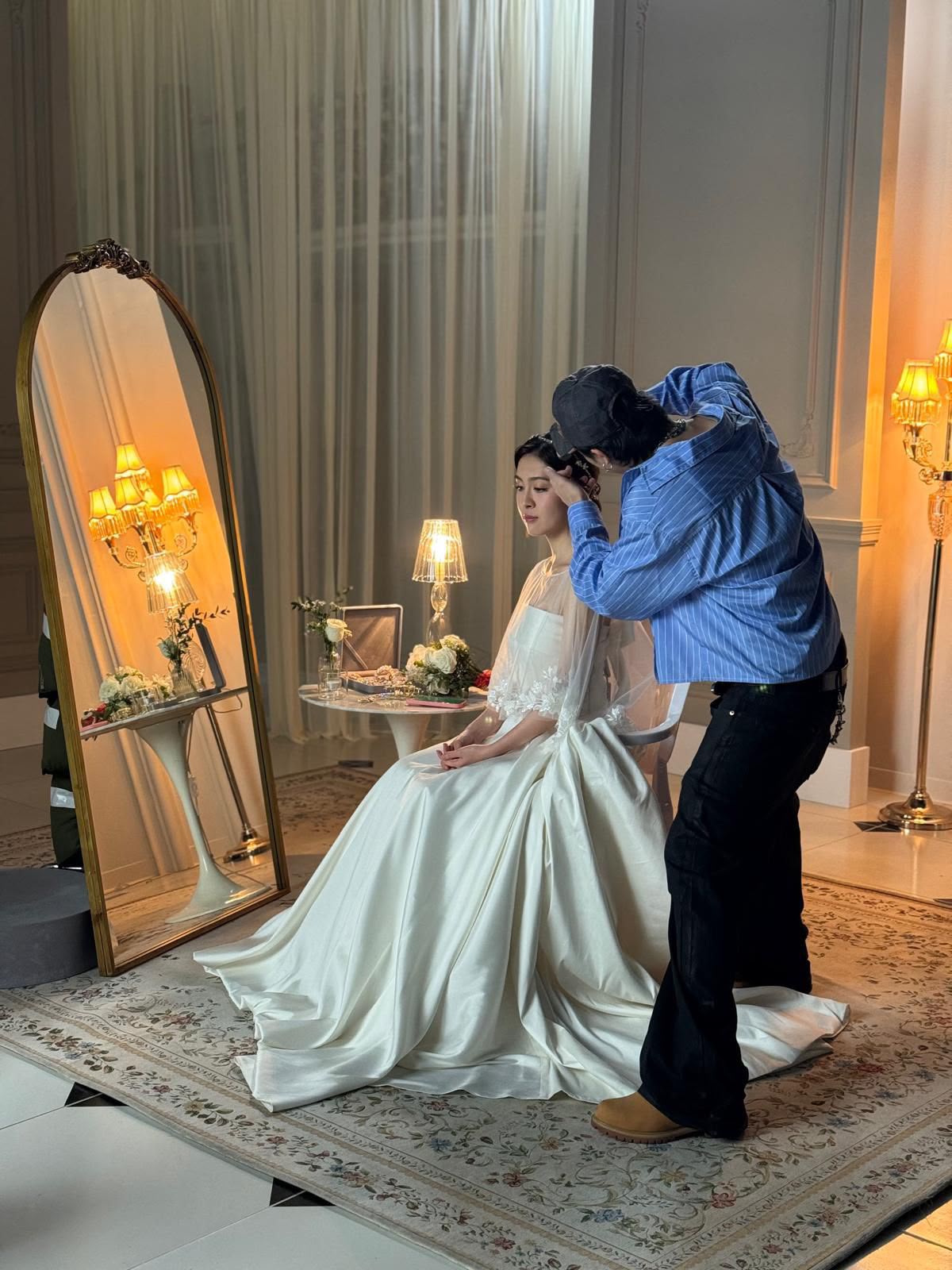
LBB> The films rely on silence and emotional restraint to convey a culturally relevant story. Did that present any challenges when it came to filming and getting the message across?
Christine> We intentionally kept the film quiet and emotionally restrained, using silence to let the story speak for itself. Because the theme is so universal, we felt words weren’t really needed. We also made a deliberate decision not to feature a celebrity, despite this being a common approach in many insurance campaigns today.
Instead, we cast a talented actor without a familiar public profile, so the audience could step into the character’s shoes more easily, without being distracted by a familiar face.
Music played a key role in carrying the emotion and guiding viewers through the story. The biggest challenge was finding the right balance between subtlety and emotional impact, while still making sure the core message came through clearly.
LBB> Were there any other cultural nuances that you felt international audiences might miss, but that were important to preserve anyway?
Christine> Asian parents, especially fathers, often show love through actions and may not always say things out loud. With food being one of the most familiar ways love is expressed in Asian families, the soup at the end became a natural emotional device in the film.
LBB> You mentioned that the rain scene was completely unexpected. Why did you decide to work that into the film?
Iker> It worked beautifully in the story. It reflects the sudden passing of the mother, and the rain adds another layer of emotion to that moment. It deepens the sadness, while also reminding us how quickly and unexpectedly life can change.
LBB> What were the biggest creative challenges on this campaign?
Christine> The biggest challenge in this process was taking the many real-life stories shared by our frontline agents and customers and distilling them into one powerful insight. From there, we turned it into a simple, relatable emotion and story. Our goal was to create something that would resonate deeply with audiences and encourage them to rethink love and protection from a fresh perspective.
Melissa> One of the biggest challenges was staying true to the story’s authenticity. Because the campaign was inspired by real customer experiences, the emotion was already there. Our role was to tell it honestly, respectfully and with restraint.
We also took a less conventional approach. In a category often led by product features, savings and returns, we focused on the human motivation behind protection. Life insurance remains one of the most meaningful ways to protect loved ones, and greater awareness can help address Hong Kong’s protection gap.
Another challenge was ensuring the campaign did more than spark emotion. We wanted it to encourage reflection and action, helping people see protection not as a product purchase, but as an enduring act of love, responsibility and care.
Our agency and production partners were critical in achieving that balance. They shared our belief that authenticity should lead the storytelling. The creative team, director and production crew brought great sensitivity and discipline, choosing subtle moments, natural performances and emotional restraint over dramatisation. The casting was also exceptional, bringing warmth and realism to the father-son relationship.
Together, they turned a real human insight into a film that feels intimate, relatable and culturally resonant, allowing audiences to discover the emotion for themselves.
LBB> What creative lessons are you taking away from having worked on this campaign?
Melissa> One key lesson was the importance of staying deeply connected to the people we serve. At AIA, we believe in doing the right thing, in the right way, with the right people, and the right results will come.
This campaign reinforced that belief. Instead of starting with what we wanted to say, we listened to real customers, understood their experiences and respected the emotions behind their decisions. The closer we stayed to those human truths, the more authentic the work became.
It also reminded us that creativity is most powerful when grounded in empathy and insight. When you truly understand what matters to people, the story does not need exaggeration or overcomplication; it can speak for itself.
Ultimately, ‘Let Love Transcend Time’ reaffirmed that the best work comes from putting people at the centre, staying true to your purpose and having the courage to tell genuine human stories.


