


“When Done Right, It’s Magic”: Heather Gardner Waves the Flag for Sonic Importance


This year, when conversations about music and storytelling risk being drowned out by noise, Heather Gardner has been doing the opposite: showing up, speaking out and meeting the musicians whose work shapes our screens. Fresh off Billboard’s 40 Under 40 list, the Toronto-based head of music supervision and licensing at Vapor Music has spent the past few months hopping between festivals and conferences across the country, from TIFF and VIFF, to M for Montreal and Nova Scotia Music Week.
This tour of the country, I discover, has been a deliberate choice. With AI advancing at a rapid rate and production cycles tightening more and more every day, Heather is advocating for heightened visibility, to ensure the invaluable craft of music supervision is embedded in the creative communities they serve. Still an underrepresented aspect of the creative in broader film and television discourse, she is actively carving out space for those conversations is a part of the job. So, after her cross-Canada run of panels, masterclasses and moderating duties, LBB’s April Summers sat down with Heather to hear what she’s learned and what it all signals for the evolving world of sync and music-for-screen.
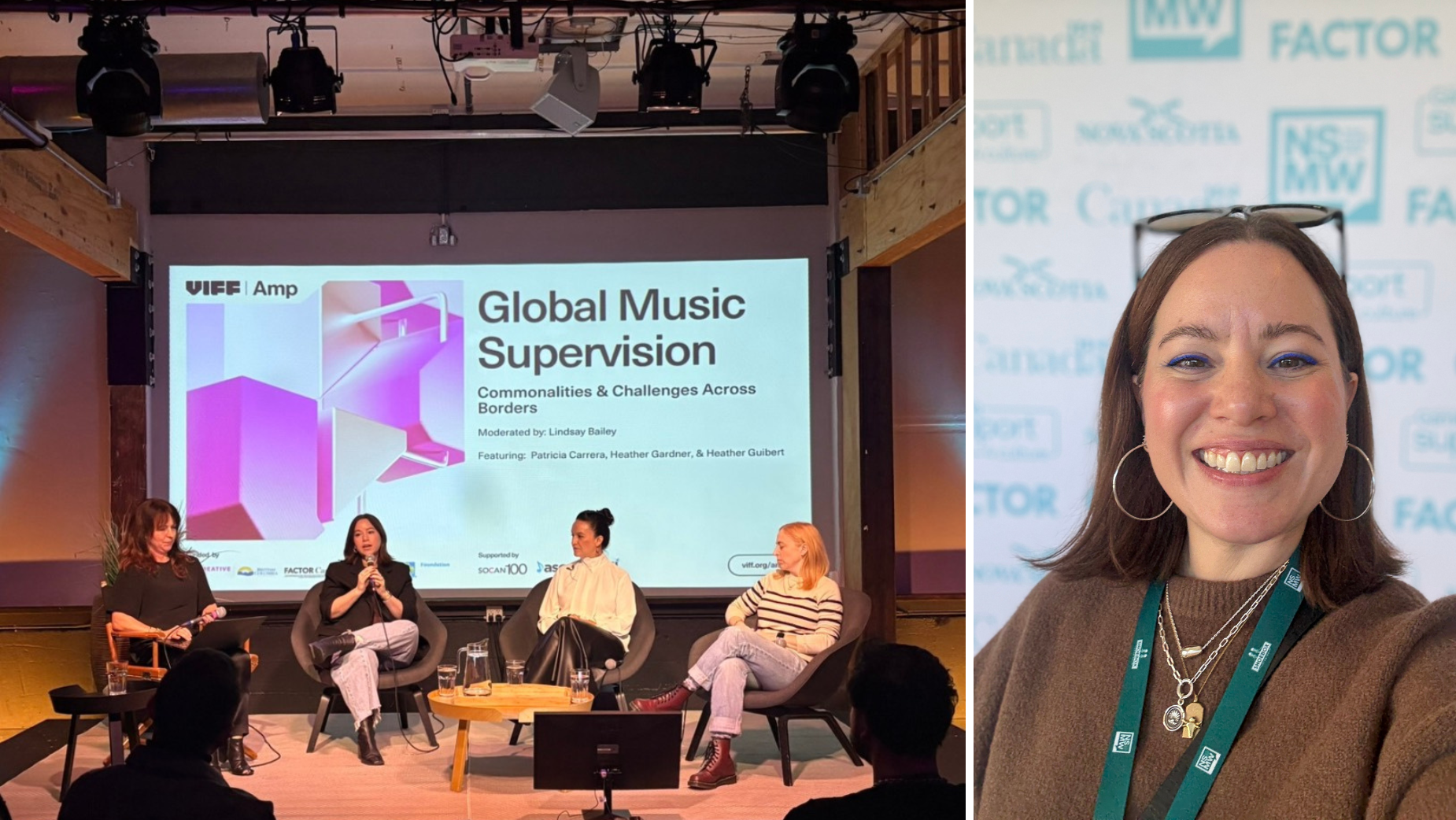
LBB> Heather, you’ve been on quite a run lately! From TIFF and VIFF, to M for Montreal and Nova Scotia Music Week. What motivated you to say ‘yes’ to so many speaking opportunities this season? And what have you personally taken away from these experiences?
Heather> Ultimately, I absolutely love what I do, and am grateful for any opportunity where folks want to listen to me talk about my craft! These events are always mutually beneficial: I love the opportunity to share any wisdom that I’ve gained over the past 16-plus years music supervising, and taking on an educational role in both the visual media and music industries. But the truth is that we get a ton out of these events as well, through meeting new people and discovering tons of new music and keeping our ears to the ground of what is emerging, which makes me better at my job.
I’ve loved public speaking since I was a kid competing in elementary school speech competitions. It’s been fun to be able to speak as an expert in this very niche world of music supervision and be a resource to filmmakers, producers and ad executives, but also to musicians and songwriters. I often call my job one of a musical matchmaker, and I truly believe that all of us can do our best work through collaboration and bringing the best people together to achieve the creative.
LBB> How do you view the role of panels and festivals in advancing conversations around music supervision and licensing in 2025? What do they offer that the day-to-day work often doesn’t?
Heather> Well, by the time we get to the day to day work, we are fully “in it”. Budgets and creative direction have been set, and our work is often responsive, whether it’s finding songs to fit existing creative or working within a preexisting budget.
The conversations we get to have at conferences and festivals help lay the groundwork for future opportunities preemptively. Whether it’s educating filmmakers and producers about best practices using music in their project (and therefore allowing them to budget appropriately for their creative needs), or connecting with artists and songwriters to ensure they understand the requirements of having their music licensed, the more education can happen early on, the smoother the work will ultimately be.
Also, I love the opportunity to meet new people without that immediate sales pressure. At these events it's about getting to know each other and connecting, and then maybe down the road we’ll have the perfect opportunity to work together. It could be an artist we discover at a festival and go on to license in a project, or a filmmaker we get to work with on their next project.
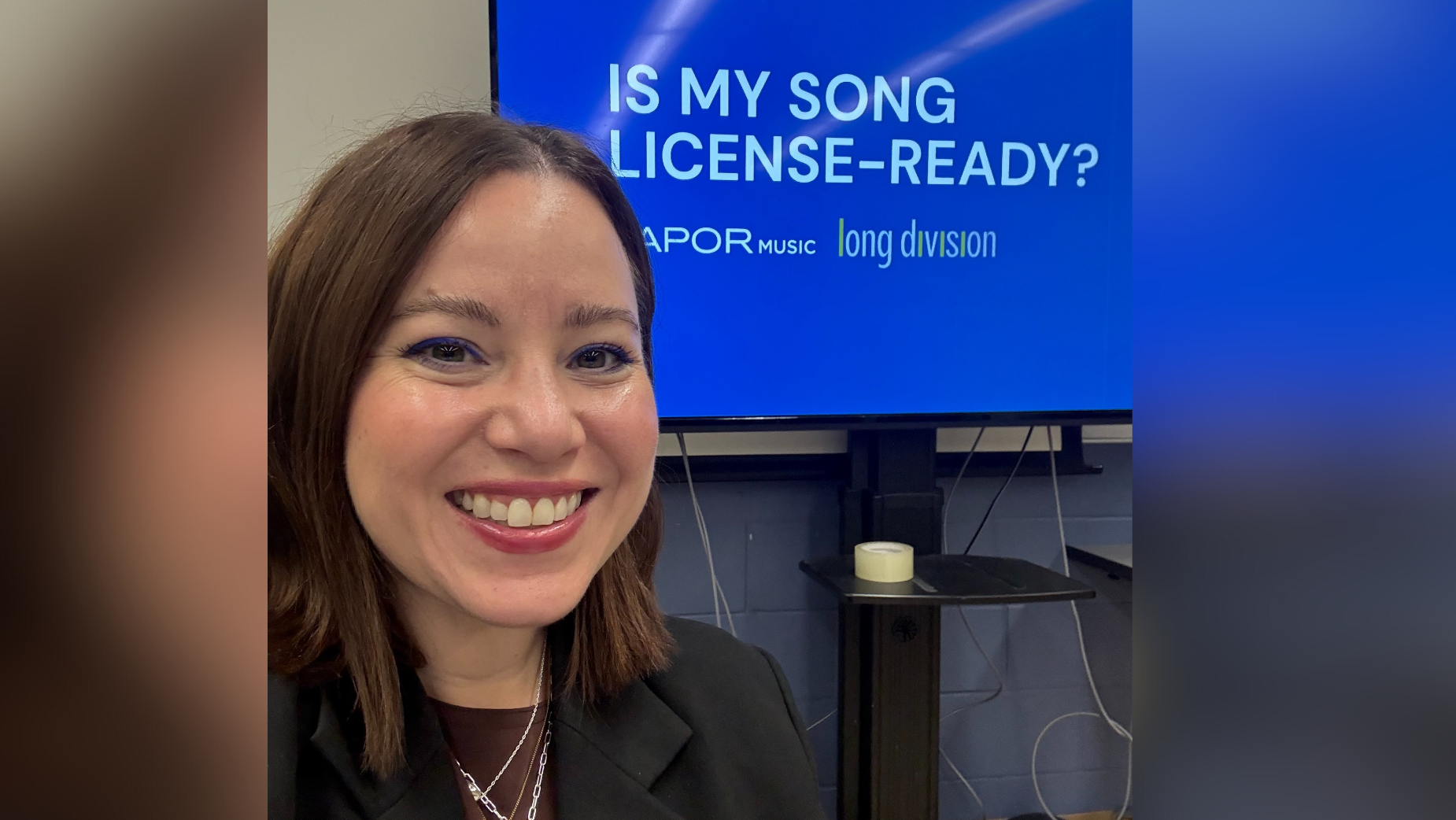
LBB> How important are regional events like Nova Scotia Music Week for connecting with emerging talent outside of major markets?
Heather> As an industry it's really easy to get stuck in major markets, especially when you're living in one, but Canada in particular does a phenomenal job at fostering artistic talent across the country through funding and programming. On the music side, each province has a music industry association tasked with supporting regional songwriters, artists, producers and companies, with a large focus on exporting nationally and internationally, and the events run by these organizations feature a wealth of incredible talent. We discover so much incredible music at these regional events that we otherwise may have not known about, and love to find opportunities to license emerging artists across our projects – the discovery element is one of my favourite parts of being a music supervisor!
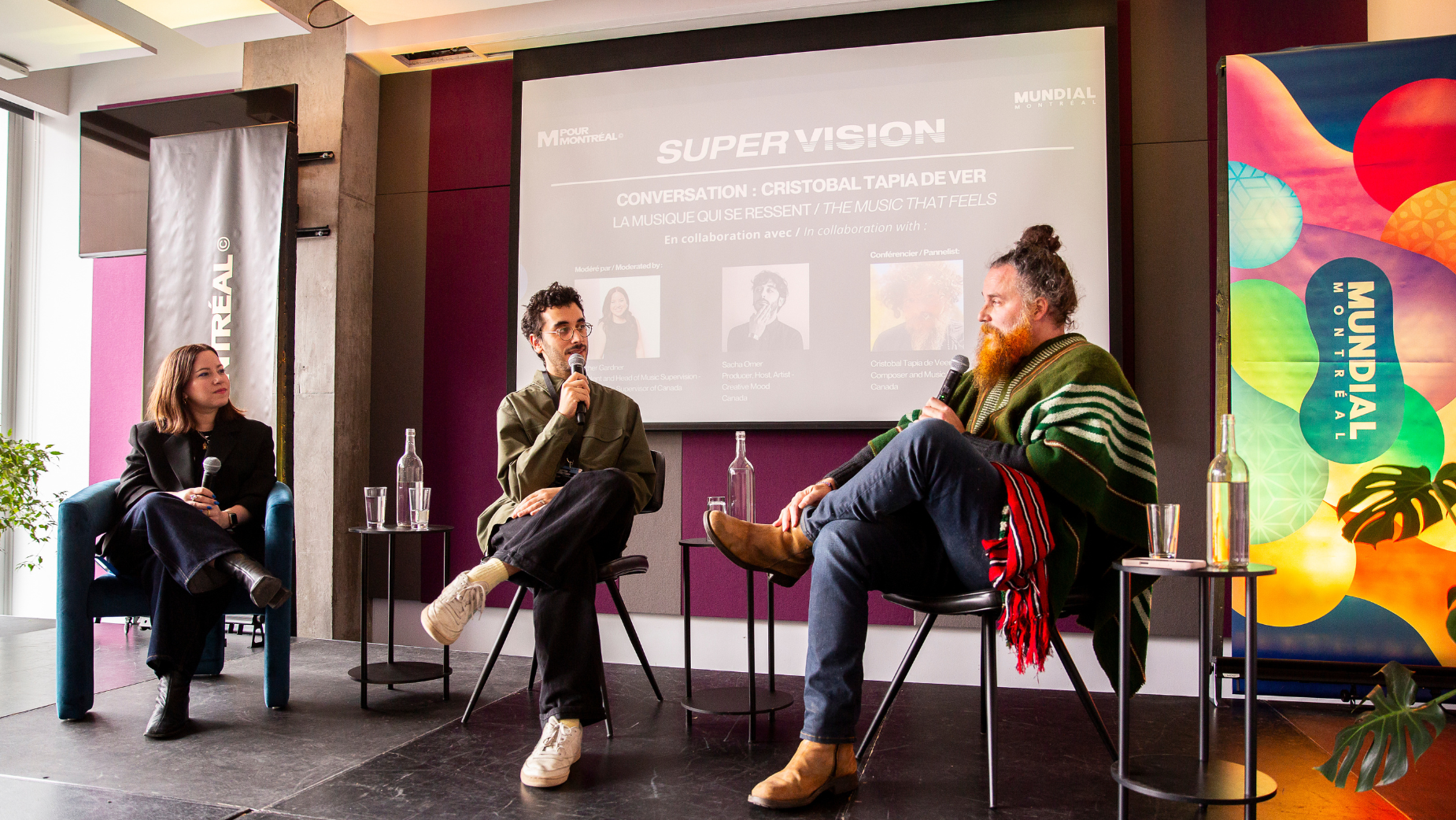
LBB> You moderated a panel with Cristobal Tapia de Veer at M for Montreal recently. Cristobal has such a distinct creative voice so I'm curious about the insights you gained into his process during this conversation? How will that inform your own approach to pairing music with storytelling?
Heather> Cristobal is such an interesting and deeply creative individual, and it was such a joy to hear him speak about his background and how that's influenced his career in music. He experiments and plays and isn't afraid to break free of the traditional parameters often put around composition, which is absolutely inspirational for any creative in our industries. I had the opportunity to dive into his perspectives on successful collaborations and creative instinct, and his North Star of authenticity and truth is absolutely something we should all be striving for in our work.
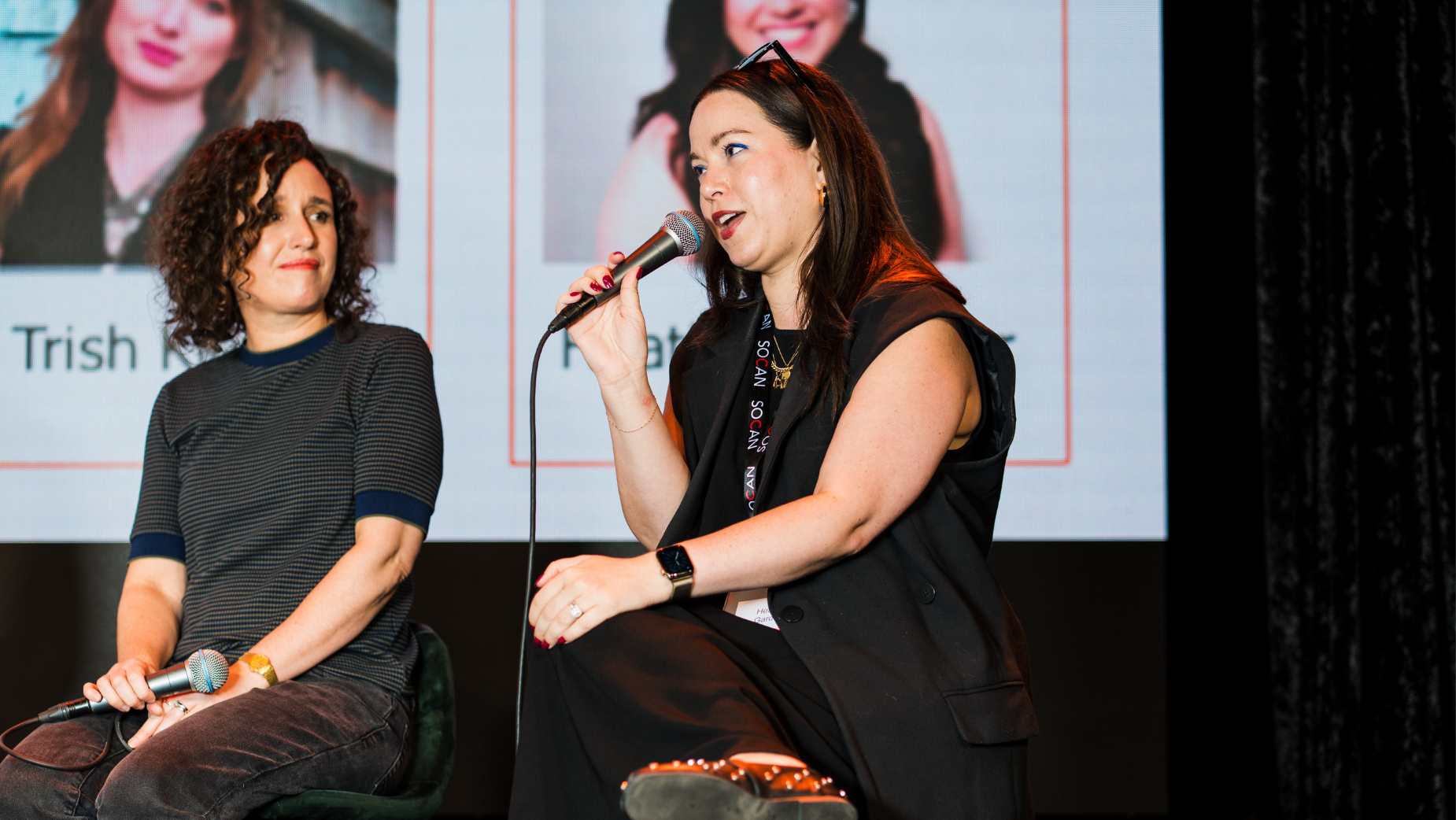
LBB> TIFF is a particularly high-profile stage for these kinds of discussions. What impact do you think it has when these conversations are elevated to major festival platforms?
Heather> The craft of music supervision remains highly underrepresented in conversations about film and television, which I think is largely due to the incorrect perception that music is an issue to deal with exclusively in post production. Producers are rightfully concerned about funding and distribution and all the other puzzle pieces needed to get their projects that initial green light, pushing music down the priority line both as an area of focus but also in budgets and timelines.
However, I can best serve a production’s creative and clearance needs when I’m brought into the process as early as possible – even at the development stage – to help craft music budgets that achieve the team’s musical wish list and serve as a creative partner in the exploration of the project’s sound and musical scope. Being able to deliver this message on a high-profile stage like TIFF emphasises the importance of prioritising music at the pre-production, filming, and post-production stages, and continues to reinforce the essential role music supervision has in visual storytelling.
LBB> Having participated in so many panels across different regions and audiences, what recurring themes or concerns do you sense in the industry right now?
Heather> There’s always a question about AI at every panel I participate in. It’s a hot topic with little concrete information or legal precedent and I totally understand its prevalence in the conversation. Until there’s some kind of legal precedent regarding ownership, we’re steering clear of anything AI generated, and wouldn’t be surprised if language emerges in the next bit in contracts for the protection of productions and artists alike. With partnerships between the major labels and AI platforms such as Udio, I expect things to start to shift, but conversations regarding ownership splits and how these works could live within a sync ecosystem are just at their beginnings.
LBB> What about the conversation around sync? Do you feel that has evolved in meaningful ways this year?
Heather> This year, in what continues to be challenging times in the media industries, I’ve noticed conversations focus on collaboration across all spaces. How can we work together for the betterment of all? When speaking with artists and songwriters, I always stress the importance of real life relationships to break through the noise and sheer amount of music that is being created on a daily basis.
In the film, television and advertising spaces, I’m feeling a shift from “why would I need a music supervisor?” to themes of creative partnership and recognising music supervisors as skilled experts in our field, and the work we do as a craft. I look forward to continuing to have these conversations, particularly in conjunction with our peers in the advertising, television and film industries, and demystifying our corner of this ecosystem.
LBB> Lastly, as you prepare for your 2026 Clio Music jury duties, what will you be looking for in award-worthy work? What makes a music choice truly unforgettable?
I’m always looking for authentic emotional responses. How does this make me feel? I want to be fully enveloped by storytelling, and music plays such a large role in bringing the viewer into the experience beyond what they’re seeing on screen. Music itself is so subjective — everybody has an opinion on what makes good or bad music, but an unforgettable music choice isn’t about taste, rather, it’s about tapping into our very human feelings so that we see ourselves in what’s happening on screen. When done right, it really is magical.


