


Gen Z Make You Work Hard to Get Their Attention. Let’s Start with Not Being Cringe


We don’t need to tell you brands don’t just stumble into a viral moment or become culturally relevant. No matter how famous your influencer collab or reactive content is, views don’t materialise out of thin air - or make gen z give a sh*t about your brand.
To win on the feed, you have to be intentional. Campaigns, activations, posts, comments - everything has to ladder up to something bigger than reach for reach’s sake. Because if you want to convert initial interest into impact, 'likes' are just vanity.
And the stakes only heighten when you’re trying to connect with gen z - the world’s first true digital natives. This is a generation that values wellbeing over the corporate ladder. Away from the workplace, they have the ability to sniff out brand inauthenticity faster than you can hit 'post'.
So, what does the winning formula look like? Coolr’s answer: the Five Cs. The currencies of modern marketing, these form the framework to stop gen z from scrolling right past:
- Cultures (and subcultures)
- Community
- Collaboration
- Creators
- Content
Cultures (and subcultures)
Posting a '6 7' meme can be cute - but just showing up isn’t the same as belonging.
Don’t make do with surface-level references. Any blatant attempt to hijack culture for your own sales gains will stick out like a sore thumb. To add value, not noise, you need to drill deeper and immerse yourself in the subcultures that your audience lives and breathes.
There’s nothing wrong with stepping out of your lane, provided you’ve earned the right to play there. Case in point, gen z are avid gamers - but that isn’t an excuse for a fashion brand to suddenly pretend that they’re Twitch natives. However, if Nike posted clips of players griddying across the new Springfield-themed Fortnite map wearing Jordans, it could work - because it shows the brand gets its audience.
In the real world (or should I say, virtual world), we followed this recipe when creating Tango’s social-only campaign to promote limited editions of its ‘Tango Blast’ products. Who better to speak directly to gen z than Millie Bracewell - otherwise known as the MC that brought ‘M to the B’ to life? With more than 1.7 million TikTok followers, she was the perfect artist for the campaign’s anthem. The result: 60.1 million impressions and 70,400 engagements across Instagram and TikTok.
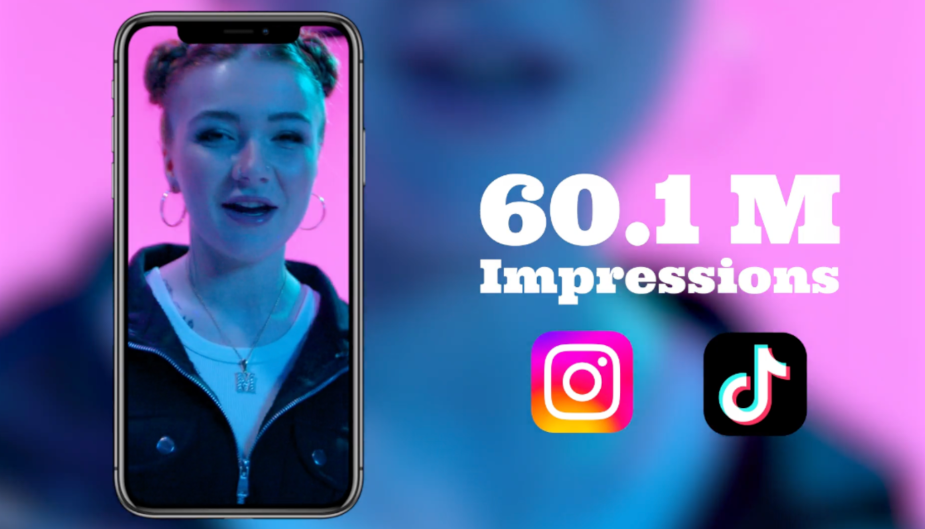
That’s how you blend brand, product and passion. Don’t settle for participation; show up with purpose.
Community
Just because gen z's live online (spending more than an hour per day scrolling through TikTok) doesn’t mean they hate human connection. They’ve just redefined how it happens. The pub’s been replaced by subreddits, a Friday night on the town swapped out for a Discord watchalong.
Every follower is part of a network. Your job is to identify and tap into these shared interests. One option is to plug these dynamics straight into your content.
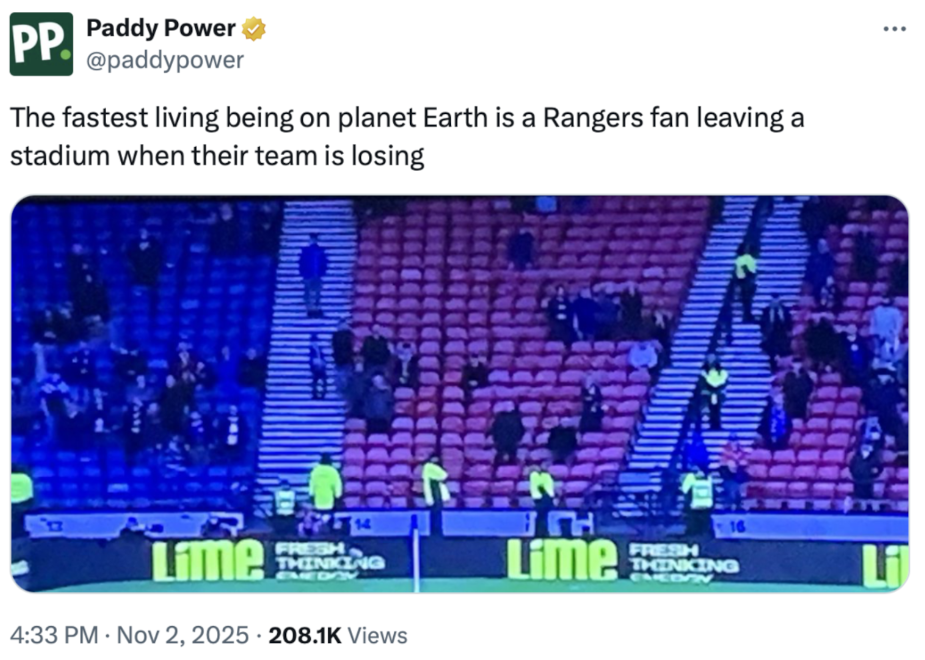
Look at Paddy Power. Why do you think it boasts such a passionate social following? Because, unlike other betting brands, it has stuck its head above the cultural parapet. It’s traded odds for attitude. The brand banters with the best of them. Rather than speaking at its followers, it speaks as if it's just another one sporting fan.
But who said that you had to stop at your own content? There’s just as much value to be found from expanding your horizons and taking your message to the people - particularly in the comments feed. We brought this form of community management to life when a TikTok user captured a Peppa Pig balloon heading skyward. We saw the opportunity to bring Lidl’s trademark wit and humour to life in the comments section - something that hit the mark with more than 230,000 people.
Collaboration
Most brands obsess over building the perfect product. Understandable - but Gen Z cares just as much about what you stand for as what you sell.
This is where you can use collaborations, not just to extend your reach but to enhance your credibility. Partner with brands whose values are aligned for a mutually beneficial boost. 80% of gen z say that the right partnership can positively impact their perception of your brand.
Look at wagamama. It didn’t jump on the sustainability bandwagon because it was trending. Instead, it went on a phased journey, first committing to a 50% plant-based menu and switching to sustainable packaging - and then teaming up with B-Corp clothing brand PANGAIA to repurpose old uniforms into sustainable merch.
No one questioned the partnership - because it had earned the right to make that move.
Creators
If collaborations build credibility, creators build trust. Almost two-thirds of gen z trust influencers and content creators more than brands - so why not listen to what the people want?
These figures don’t just play the role of entertainers. They’re taste makers. They have their finger on the pulse, whispering sweet nothings to their followers (and at the same time, shaping the cultural narrative).
But it’s not as simple as investing your entire budget into the person with the most followers. Sure, the likes of Khaby Lame and Kylie Jenner are recognisable the world over. But do they actually represent the message you’re trying to spread? Will they feel genuine - or will gen z see through the charade?
You can’t force the message. You have to feed it authentically, which is what we did with Deliveroo. By partnering with TOPJAW and their network of micro-creators, we developed hyper-local food content that spoke to specific communities. These weren’t your run-of-the-mill influencer ads. These were posts layered with relevance and served with a healthy dollop of storytelling.
(Small humble brag: that campaign won Silver at The Drum EMEA Awards for 'Best Influencer Marketing Campaign').
Content
It’s been a long time since audiences were starved for content. Social feeds are drowning in posts - and the increased amount of AI slop isn’t going to make grabbing attention any easier.
So, if you’re not going to break gen z’s door down by bombarding them with content, what is the solution? Answer: go down the Daniel LaRusso road and be the best.
This starts by understanding what content suits which platform. If you don’t know why your TikTok post won’t strike the right chord with Redditors, it’s time to hit the books. Armed with this understanding, you can now accelerate your processes and conceptualise, create and activate at the speed of culture - safe in the knowledge that your content speaks their language.
At the beginning of this process, don’t be afraid to experiment. From alternating between hi-fi and lo-fi production models to switching up between formats and platforms - testing and learning is how you identify what works. But when you’ve done that, don’t keep alternating. A schizophrenic approach makes it almost impossible to make the strategy unique to your brand.
Stopping the scroll
Winning with gen z isn’t about shouting the loudest or being across the most trends. It’s about demonstrating that you get them. That you know what’s happening in their communities, which creators push the right buttons, which content gives them pause for thought. And if you don’t know them, that’s fine - that’s why we’re here.


