


Daniel Roth on Finding Emotion in Digital and Live Spaces


Daniel Roth is a seasoned creative director specialising in experiential storytelling across both digital and live platforms. With a background that bridges theater, media, and global event production, Daniel brings a unique ability to shape narratives that move from the page to the stage—and resonate long after the lights come up.
Currently a senior creative director at Jack Morton Worldwide, he leads multidisciplinary teams in crafting conferences, activations, and product launches for major automotive, tech, and entertainment brands. His work has supported global campaigns for Google, Sony, Nike, GM, VW, Dell, and more.
Daniel is also the co-author of the textbook, Digital Media, Projection Design, and Technology for Theatre, and the creator and host of Event Explorer, a podcast dedicated to the people and stories behind the world’s most iconic festivals and cultural experiences.
He holds an MFA in Arts, Media + Engineering from Arizona State University and an MA in Theatre from Michigan State, where he began fusing creative technology with storytelling. A Detroit native with a global perspective, Daniel recently returned to Michigan after years in California and continues to find inspiration in the space between big ideas and practical execution.
LBB> What kind of creative person are you?
Daniel> I’m a creative director who likes figuring out how to make ideas become real. Not just big ideas, but the kind that actually work in the room. On a stage, in a tent, on a show floor. Wherever the story needs to be told.
I came up writing and directing for live performance. Theatre gave me a sense of pacing, space, and how to hold an audience. I loved the technical elements too, how media, lighting, and interaction could shift a moment or unlock a bigger emotion. That curiosity eventually led me to Arizona State, where I got my MFA in Arts, Media and Engineering. That’s where I started treating tools like Touch Designer, Unreal, After Effects and media servers as creative partners instead of just gear.
Today at Jack Morton, I get to work with incredible teams on experiences that range from brand launches to cultural moments. I like mixing disciplines like live staging, digital content, interactive layers, and figuring out how to bring something new to the table without losing the thread.
I usually start solo, sketching titles or chasing metaphors. But the best ideas tend to show up once the team starts talking. When the conversation opens up, and someone says something unexpected, that’s usually when things get interesting.
LBB> How do you judge the creativity of a piece of work?
Daniel> The best work I’ve been part of hasn’t followed one formula. Some projects started with a script. Others started with a problem. And the most exciting ones evolved through collaboration and iteration.
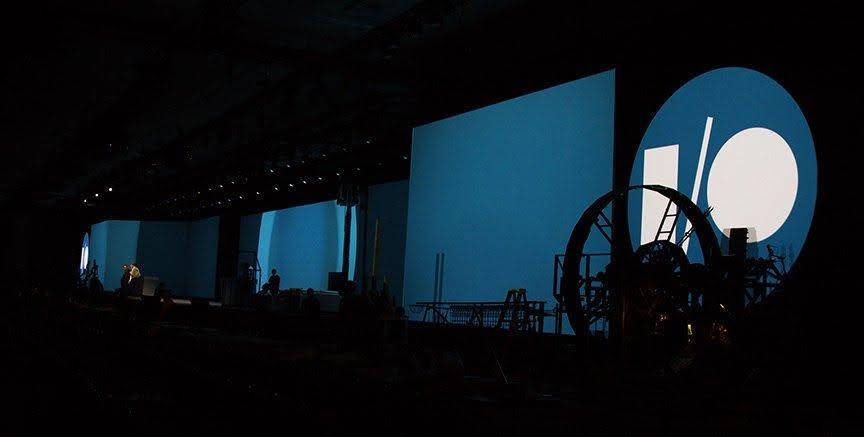
Helping build a 200-foot Rube Goldberg machine with artist Brett Doar for Google I/O was about engineering a sense of wonder. Creating a life-size simulator for General Motors brought advanced safety tech to life, letting people experience why it matters. Hosting President Jimmy Carter at an event where he stood up for fair elections, that was about creating space for something deeply human, unplanned, and unforgettable.
Each of those projects required a different approach. Some were layered in media and motion graphics. Others used space and silence just as effectively.
As much as I enjoy making these moments first hand, I also love to hear stories from the true experts who are leading the charge in the industry. This passion and eagerness to learn inspired me to create my podcast, Event Explorer, where I spotlight the extraordinary people behind the scenes who make experiential magic.
LBB> Tell us about how you like to make creative work
Daniel> Every project starts with listening. To the brief, to the room, to what’s really being asked. The goal is rarely just to impress. It’s to connect, to serve a conversation that’s started before me and will continue after.
Once I understand what the show or campaign needs, I begin building structure. What’s the emotional arc? Where are the peaks? What’s the quiet part? Trying to think in scenes and rhythms like a good filmmaker or composer, even for social calendars or video games, helps make sure you’re focused on the audience and not just the product. The pacing guides everything.
I sketch. I prototype. Tools like AI and ChatGPT help accelerate and test language and structure quickly. I’m also a mood board and Pinterest junky, which helps my team, and I test how the story might come to life.
When it comes to creative leadership, I prefer small teams with strong and diverse points of view. And I try to make room for the weird ideas that show up in between meetings, or during a walk-through, or five minutes before rehearsal because I know moments of genius can strike anyone at any time.
But eventually, the show opens, and you have to stop tweaking and trust the work. That’s the beauty of live event work. At some point, you have to let go and let the audience embark on the journey with you.
LBB> What external factors have shaped you and what can make or break a creative project?
Daniel> I grew up just outside of Detroit, so I’ve always appreciated grit, the makers of things, and showing up prepared. That mindset has stuck with me through years of directing theatre, designing media, and working shows with more ambition than budget.
Grad school at Arizona State’s MFA program in Arts, Media and Engineering pushed me to explore interactive systems and build work that responded to the people inside it. That’s where I started seeing media, space, and storytelling as one language.
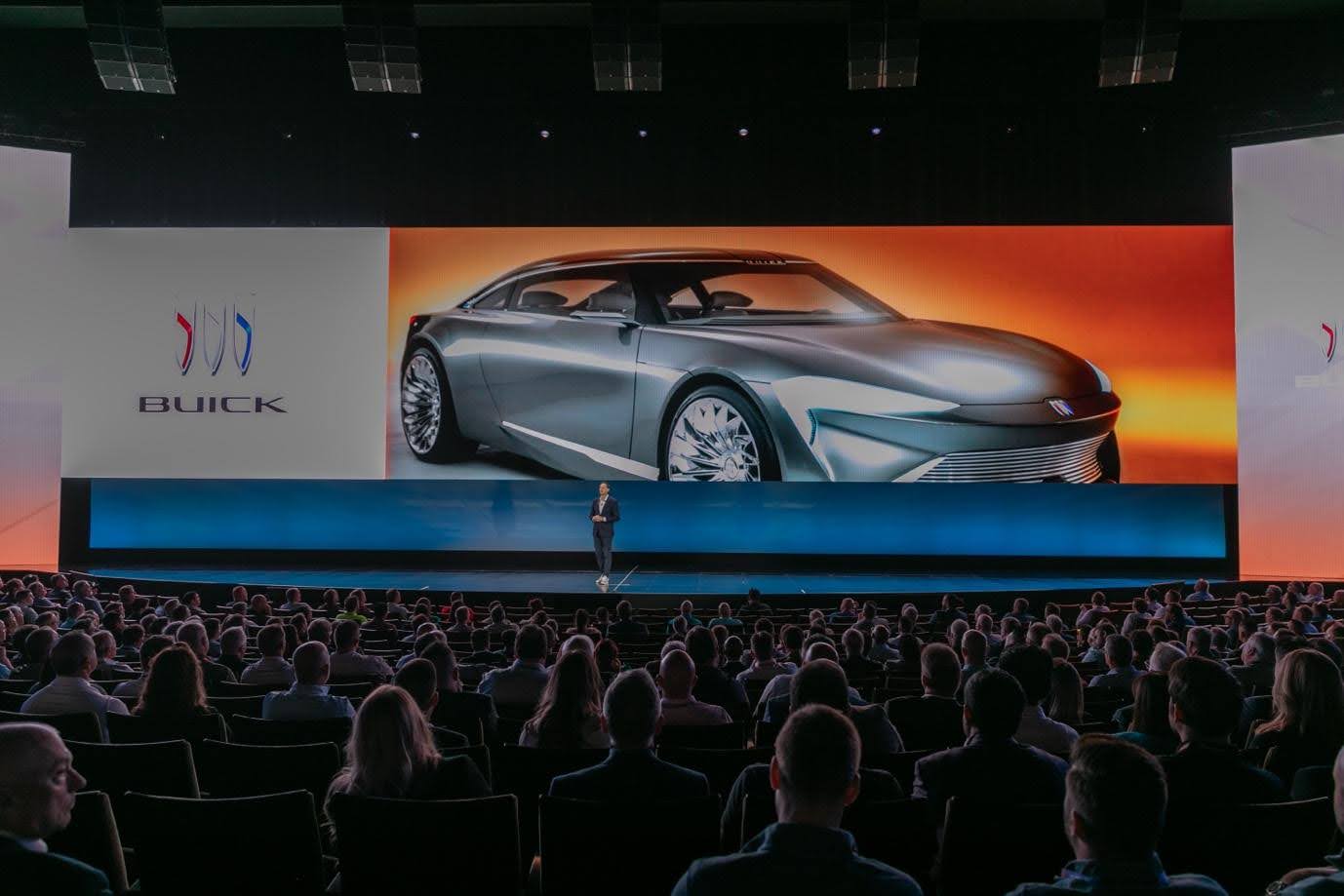
Now I get to work with brands, producers, technologists, and strategists on projects - it’s a thrill to turn the machine on. Whether I’m creative directing a keynote, writing a video game script, or shaping a festival experience, we get to toe the line between what’s possible and what’s meaningful.
To make good work, I try to inspire creative processes where people show up open and optimistic. I love clients who are willing to think out loud, and teams who care about the details but aren’t precious. The best ideas usually come from somewhere unexpected. Someone says something clever in the hallway and next thing you know, it becomes the whole thing. That sort of spontaneity and challenge is what I love about this business.


