


Chobani Celebrates the People Behind the Players This FIFA World Cup


Anticipation is building as the US prepares to co-host the 2026 FIFA World Cup, and its men’s national team gets set to take to the global stage.
Behind each of the men stepping onto the pitch is a backstory, consisting of the training and sacrifices, the victories and hard-learned lessons, and – perhaps crucially – the community of people who believed in him and fed his dreams.
From parents who made sacrifices, to dedicated coaches, and fans who never stopped showing up, each player has been shaped by the people who made an impact along the way.
In recognition of this, Chobani, the official nutrition partner of US Soccer, invited three artists working across different mediums to use art and creativity to chronicle the journeys of top US football players, Weston McKennie, Christian Pulisic, and Antonee Robinson, from childhood to competing at the highest level of the sport.
Created in partnership with Uncommon New York, the campaign, comprising ‘Interwoven’ - bespoke jerseys by fashion designer Heron Preston; ‘Fed by Many' – collages by portraitist Michael Mapes; and ‘Behind the Dream' – biographical short films by BAFTA-nominated magna studios director Hector Dockrill, paints a broader picture of the player beyond the pitch.
“The original brief from Chobani and Hamdi was ambitious as usual, and at Uncommon we were up for the challenge,” says Sam Shepherd, chief creative officer of Uncommon New York, speaking with LBB.
Reflecting on the scope of the brief, Sam explains that it was “to launch one of the brand's biggest campaigns to-date during the World Cup – a total 360 idea; and to do it in a way that was not only true to Chobani's DNA but also stood out from all the other usual soccer messaging.”
For the agency, the campaign offered an opportunity to look beyond the athlete, on-pitch performance, and spectacle of the sport. “Our big idea started by asking the simplest questions: Who helped them get to the top? Who inspired them along the way?” says Sam.
“This idea offered a chance to show how we're all the sum of the people behind the scenes sharpening us along the way.”
To bring the idea to life, Uncommon collaborated with three artists recognised for their ability to tell incredible stories through their art forms – a decision that would empower the work to live beyond advertising and extend into football fandoms and communities.
“We weren't just looking for the usual suspects,” explains Sam. “We wanted a chance to convince bona fide artists to join this idea with us because we believed in the power of every component looking unlike anything in advertising.
“Casting was everything; choosing next-level artists helped propel this idea into real soccer fandom outside of our industry bubble,” he continues. “Working with Heron Preston, a protégé of Virgil Abloh, was a remarkable chance to create what we call at Uncommon 'narrative objects' - singular, symbolic items with a story baked in to ensure they spread in culture.”
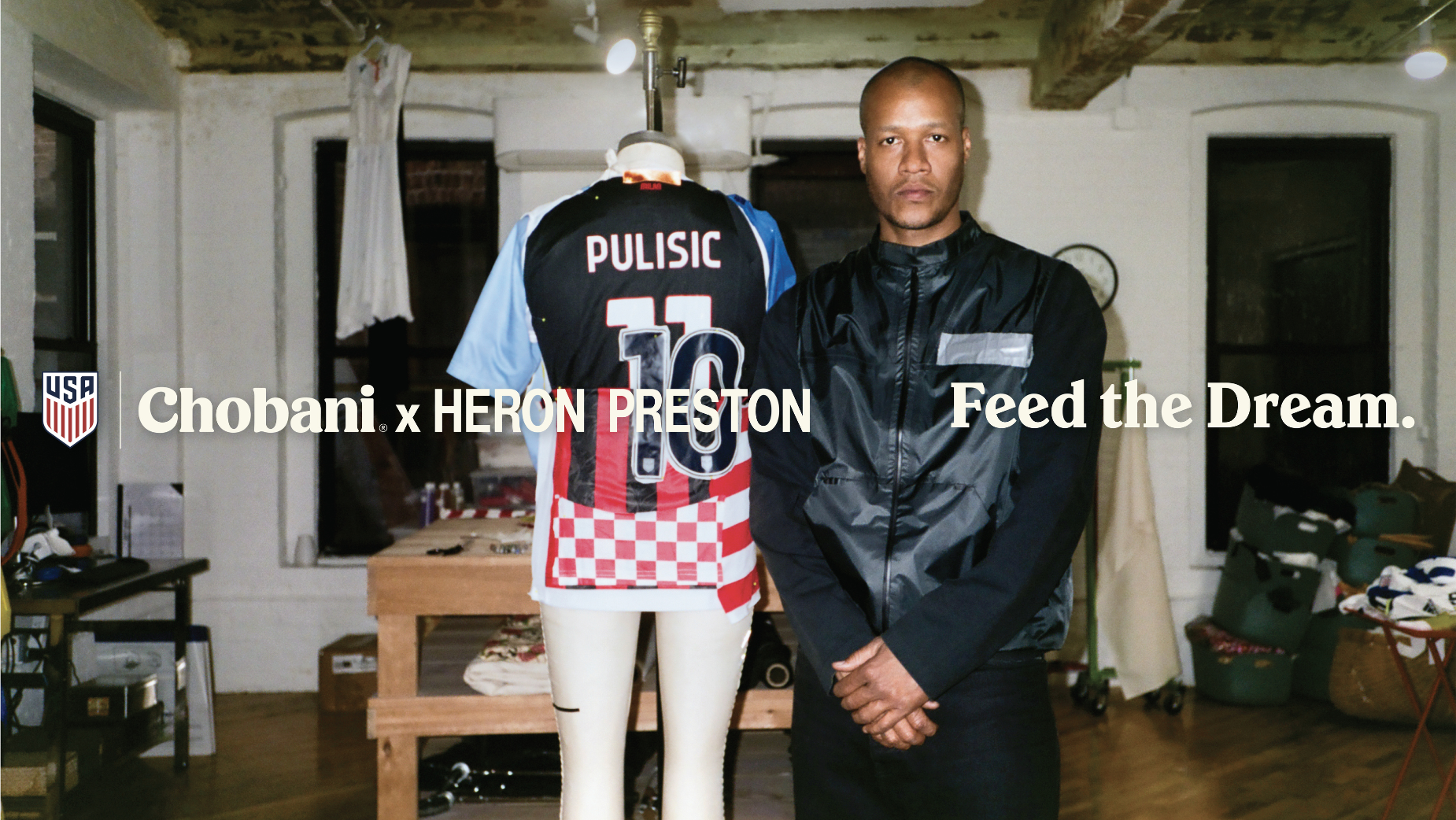
Heron created a collection of three shirts, each designed as a wearable portrait of a US men's soccer team player. Built from carefully selected fabrics that map a life, the materials are inspired by previous club jerseys, personal items, flags, childhood teams, and references to family members.
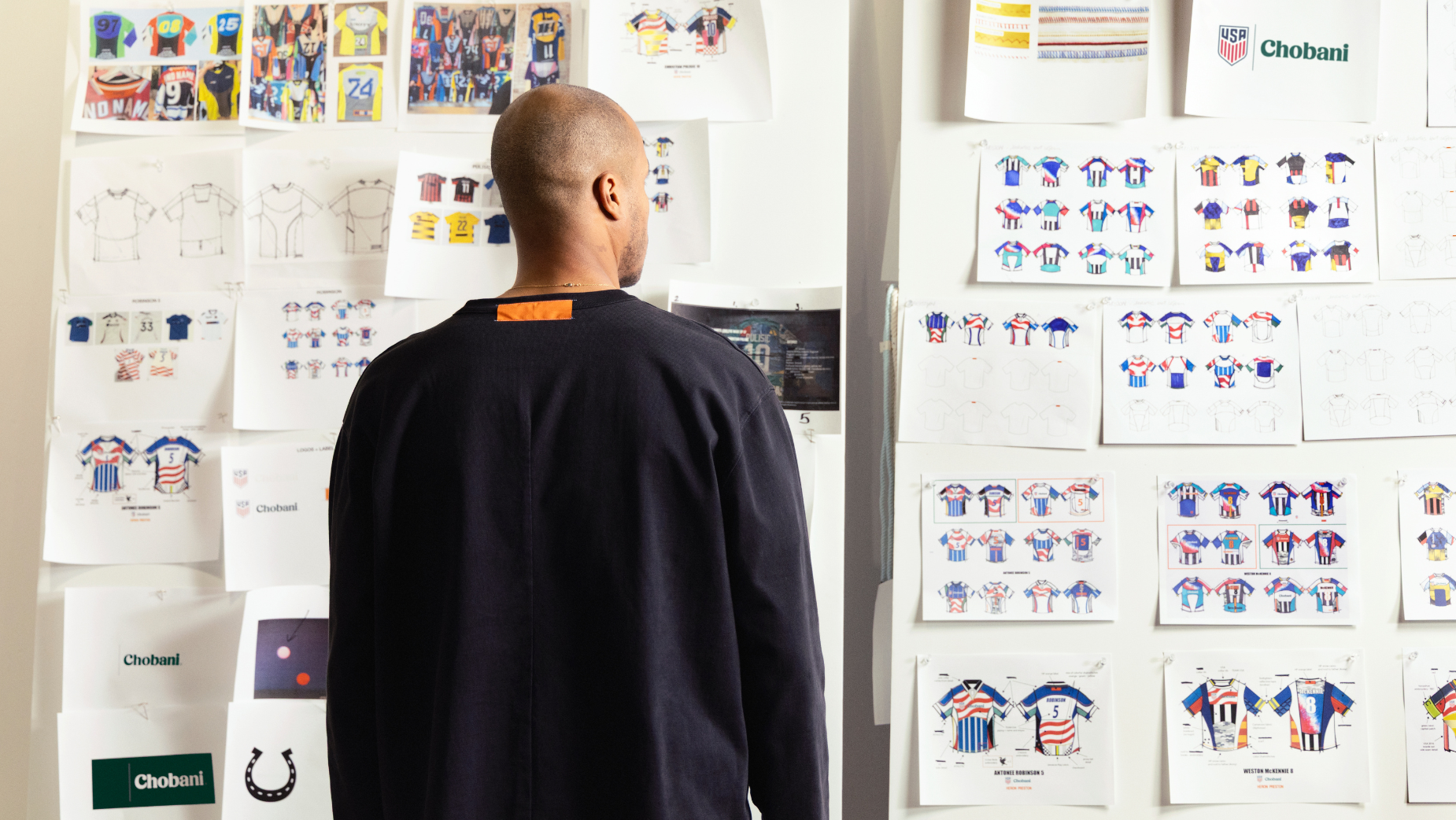
Conceived as more than a shirt, they are living artefacts of the athletes, which will be presented to Weston, Christian and Antonee to commemorate their selection on the team, and recognise their personal journeys and achievements.
"I've designed and upcycled jerseys before, but I've never designed one that had to carry someone's life in it,” says Heron. “Every stitch, every fabric choice, and every colour has a reason that goes beyond aesthetics — it points to a place, a person, or a moment that made this athlete who they are.
He adds, ”They are like Easter eggs waiting to be discovered by the player. People may not know what it means, but they will. That’s how personal these are, and that's what separates this project from anything I've done before. The meaning lives in the garment itself. My job was to make sure that story wasn't just told, but it was felt by the athlete.”
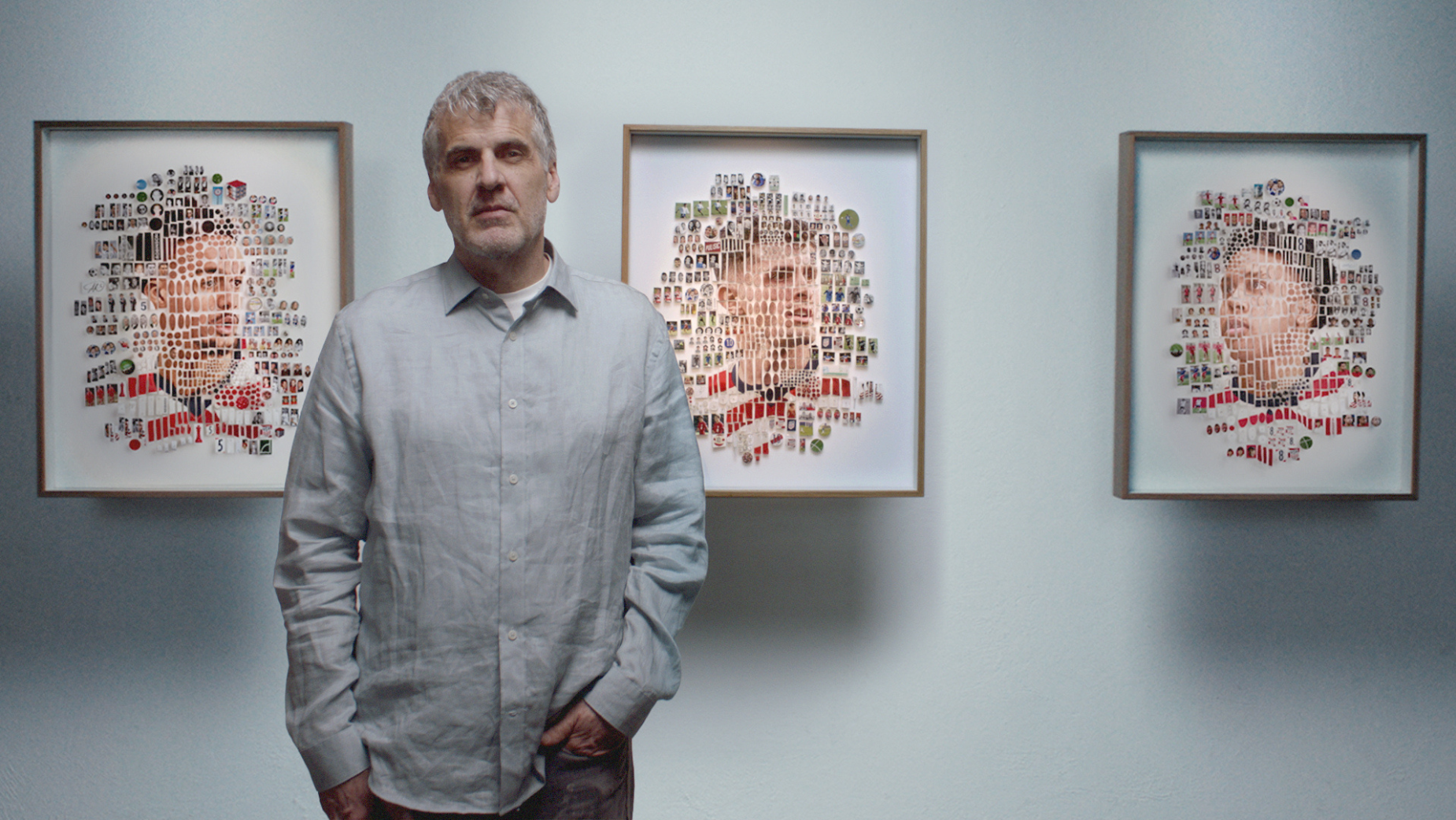
Portrait artist Michael Mapes was handselected for the collage component of the campaign. “[He] is a master of creating iconic, famous visuals,” explains Sam. “In a social environment where our attention is more distracted than ever, we knew that the visuals he would create are equal parts thumb-stopping and true to our big idea of ‘Feed the Dream’. “
Each one a homage to the people and places that shaped the players, the deconstructed portraits were created from ‘biographical DNA’, formed from meaningful photographs, documents, and found objects that reflect the players’ unique paths.
“My work is rooted in concepts of DNA, building portraits from fragments that shape a person’s life. I refer to it as 'biographical DNA', where I incorporate a wide range of personal content to form each collage,” says Michael.
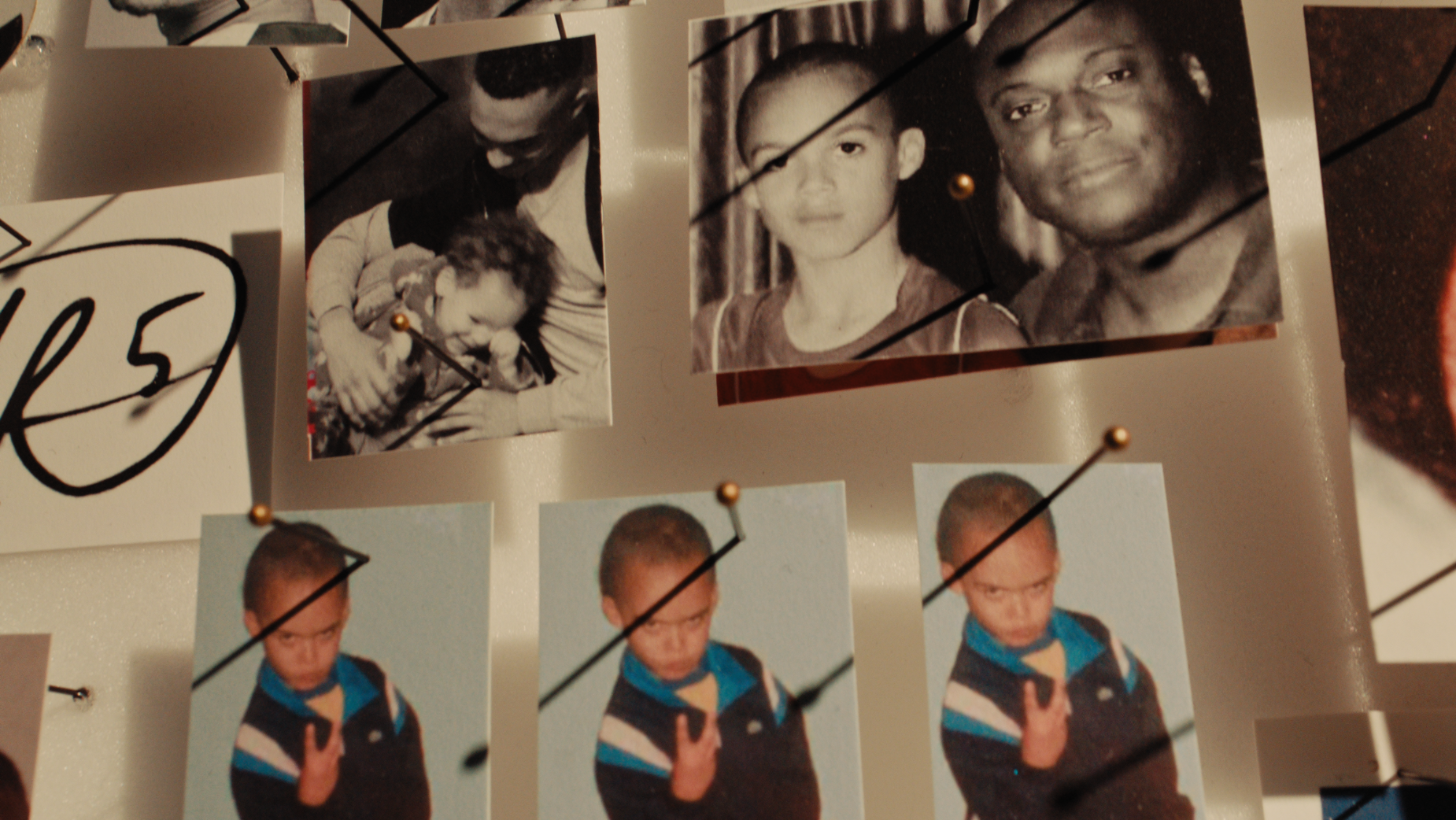
“The stories of these athletes are told through the artwork using items, images and memories passed down by the people who supported each player from the beginning. As I curated and composed these moments, each element became part of a much larger story, toward an intimate understanding of the paths of Christian's, Weston's, and Antonee’s dreams,” he adds.
The collages will be on display at the US Soccer House in Los Angeles through June and be reproduced larger than life in out-of-home displays in New York City and the hometowns of Weston McKennie in Little Elm, TX, and Christian Pulisic in Hershey, PA.
“Lastly,” adds Sam, “BAFTA-nominated director Hector Dockrill embarked on the audacious attempt to capture documentary films of Christian Pulisic, Weston McKennie, and Antonee Robinson and their families all over the globe.”
Speaking with LBB, Hector shares that he was energised about the opportunity to work on the films from the offset. “What got me really excited about it was that it just felt very different,” he explains.
“I think as you'd expect leading into the World Cup, there's going to be a lot of noise and work coming out, and a lot of that is probably going to be quite shiny and quite glossy, and this was just completely different,” adds Hector.
“What felt quite freeing is there was no time limit or duration – the deliverable meant that each film could be as long as it needed to be, so both Uncommon and Chobani were trying something different, and that felt really brave to me, and I wanted to be a part of that.”
It was by really digging into the idea of the “unsung hero” that Hector was able to bring the documentaries to life, aspiring to look beyond the athlete on the pitch and capture the human, authentic stories behind each player.
Shot in five cities over the course of three and a half weeks, the films were being developed and produced in tandem, with Hector staying close to the edit throughout.
Describing the final films as “documentary in its purest form", he used his personal football experience and passion for the sport to connect with the players and better understand the most significant relationships in their lives.
“You can only imagine if football is your livelihood and everything to you, how important the person that made it possible must actually be to you", he adds.
“So I think that level of understanding and insight made me really appreciate how important and fundamental those people are to these athletes, because you just can't get to that level without having someone by your side.”
Hector praises both Uncommon and Chobani for embracing the “element of the unknown", which comes as part of the process in documentary filmmaking. A step away from traditional commercial advertising, their approach to the documentaries reflected Uncommon's and Chobani’s overarching intentions for the campaign and the brand’s broader ‘Feed the Dream’ platform.
“Especially here in the US, our culture obsesses over the end result, the finish line, the singular fleeting moment of success,” says Sam. “Almost all other advertising around the World Cup features the biggest stars, portrayed in the slickest, most polished ways.
The team’s belief is that people can feel that inauthenticity and are yearning for something deeper, more human.
“That portrayal set up an opportunity to do exactly the opposite: while everyone else focused on the spotlight, we found enormous power in focusing on all the unsung heroes who helped make each athlete who they are today,” says Sam.
“The best stories aren't surface-level; they require going deep - and that's exactly what ‘Feed the Dream' is all about.”


