


Cannes You Dig it?: A First-Timer’s Guide to the World’s Largest Film Festival


The 2026 Cannes Film Festival is here. That means the biggest names in the industry have congregated in sunny southeastern France, ready to take in upcoming projects, buy new scripts, and celebrate artistic excellence.
However, for many more, Cannes represents a premier business opportunity. Whether you’re an established name or a scrappy up-and-comer, there’s networking to be done, new faces to meet, and valuable connections to be made – all of which can open up unexpected doors… that is, if you know how to go about it strategically. After all, at such a large, prestigious, and sometimes overwhelming event, execution is everything. Where does one encounter executives over drinks? How does one take a meeting, and leave a lasting impression? And where do you seek out food that won’t break the bank, but will leave you energised for a busy day in the marketplace? Small, specific questions for sure, but undoubtedly essential if success is to be found.
These were all things that Big Pig Production Co. executive producer Mark Delottinville found himself wondering about when he first attended in 2024. And, while he learned some valuable lessons along the way, he figured there was some merit to sharing his experiences, which is why he, alongside Film Market Access producer festival strategist Kirk Cooper, and The Coven’s head of sales, Anelle Dehghani, sat down with LBB’s Jordan Won Neufeldt for a chat.

LBB> Mark, tell us about your very first trip to Cannes! What was your immediate impression, and was there anything that surprised you?
Mark> When I first went to Cannes in 2024, I was struck by the immense wealth surrounding the festival. I had attended film festivals before, but this felt like arriving in New York for the first time while living somewhere smaller. Everything operated on another level. Even with some festival experience, nothing quite prepares you for Cannes. The imposter syndrome hits hard.
At the same time, I could not ignore the clear divide between those who have access and those who do not. Cannes feels like a microcosm of the broader world, with its visible gap between the haves and have-nots. You quickly notice who is there making real deals and who is simply trying to look like they are.
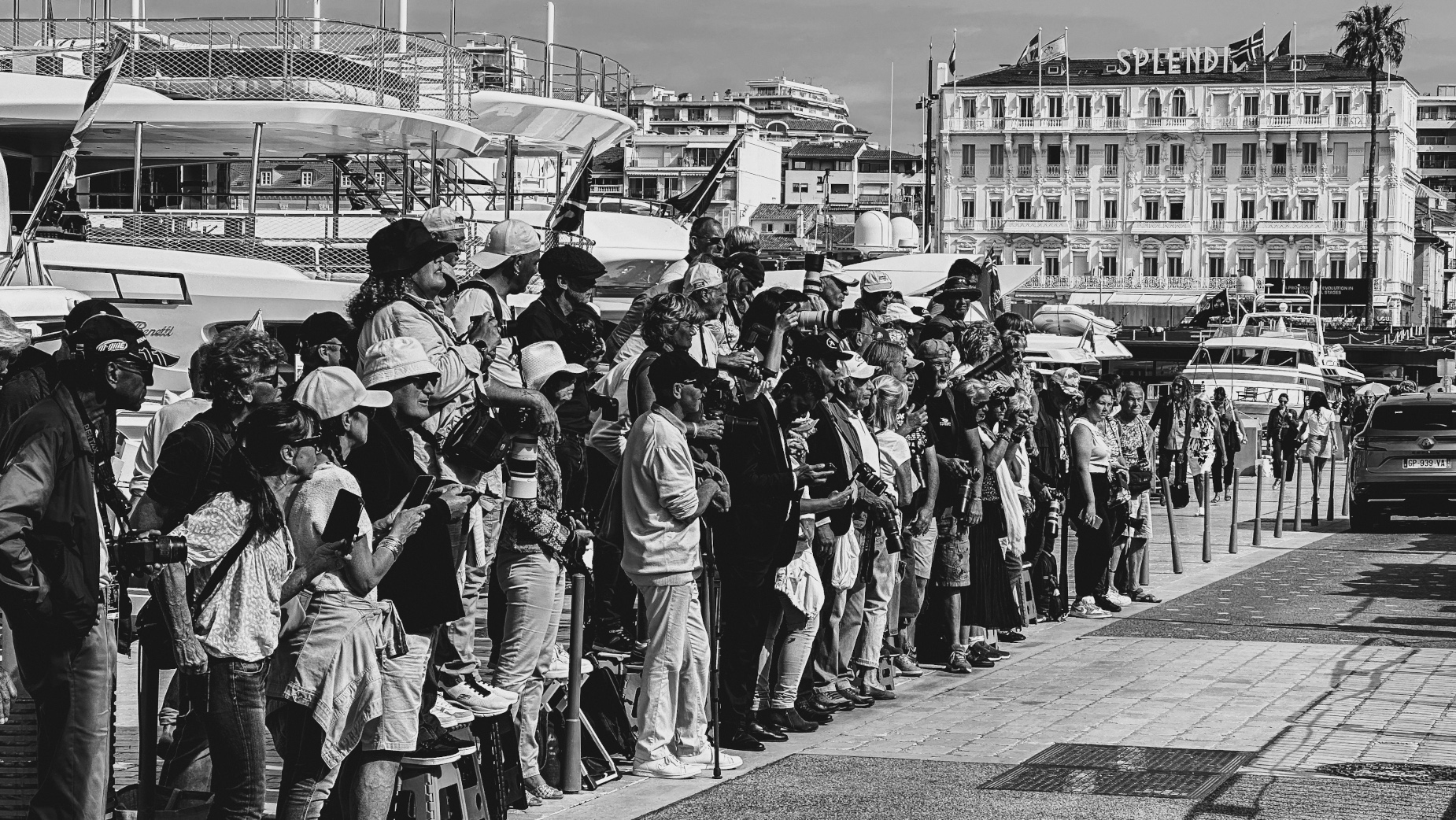
Many of the major companies are not even in the market itself. Distributors like Neon or A24 often rent hotel rooms in the nicer hotels and conduct meetings there. When you see their banners hanging from balconies, it gives the whole thing an ivory tower feeling. You want to be part of those conversations, but it can feel impossibly far away.
One meeting we attended took place at a rooftop bar where someone casually mentioned arriving by private helicopter. Meanwhile, I was eating cheap pizza and ironing shirts in the kitchen of an apartment-turned-Airbnb that felt frozen in the ‘90s.
Seeing the amount of money circulating makes it easy to wonder, ‘What am I doing here?’. But hopefully, by the end of this article, that feeling will be a little less overwhelming.
LBB> Broadly speaking, is there anything you think it’s especially important for filmmakers to prioritise when visiting? What should they be aware of?
Mark> It’s good to remember that Cannes is first and foremost an industry festival. The vast majority of people there are representing a company, either selling a film, buying a slate of projects, or figuring out who to work with next. In this context, going without an accreditation and a pass is a complete waste of time. A lot of people believe that they will, by chance, meet with a director or producer who will be infatuated with them. This is a fairy tale. You need a pass; it is essential for the festival, and they scan it everywhere. Unlike film festivals like TIFF – where the general public can attend and buy tickets to movies – film screenings at Cannes are only available to the industry and those holding passes. No pass equals no access.
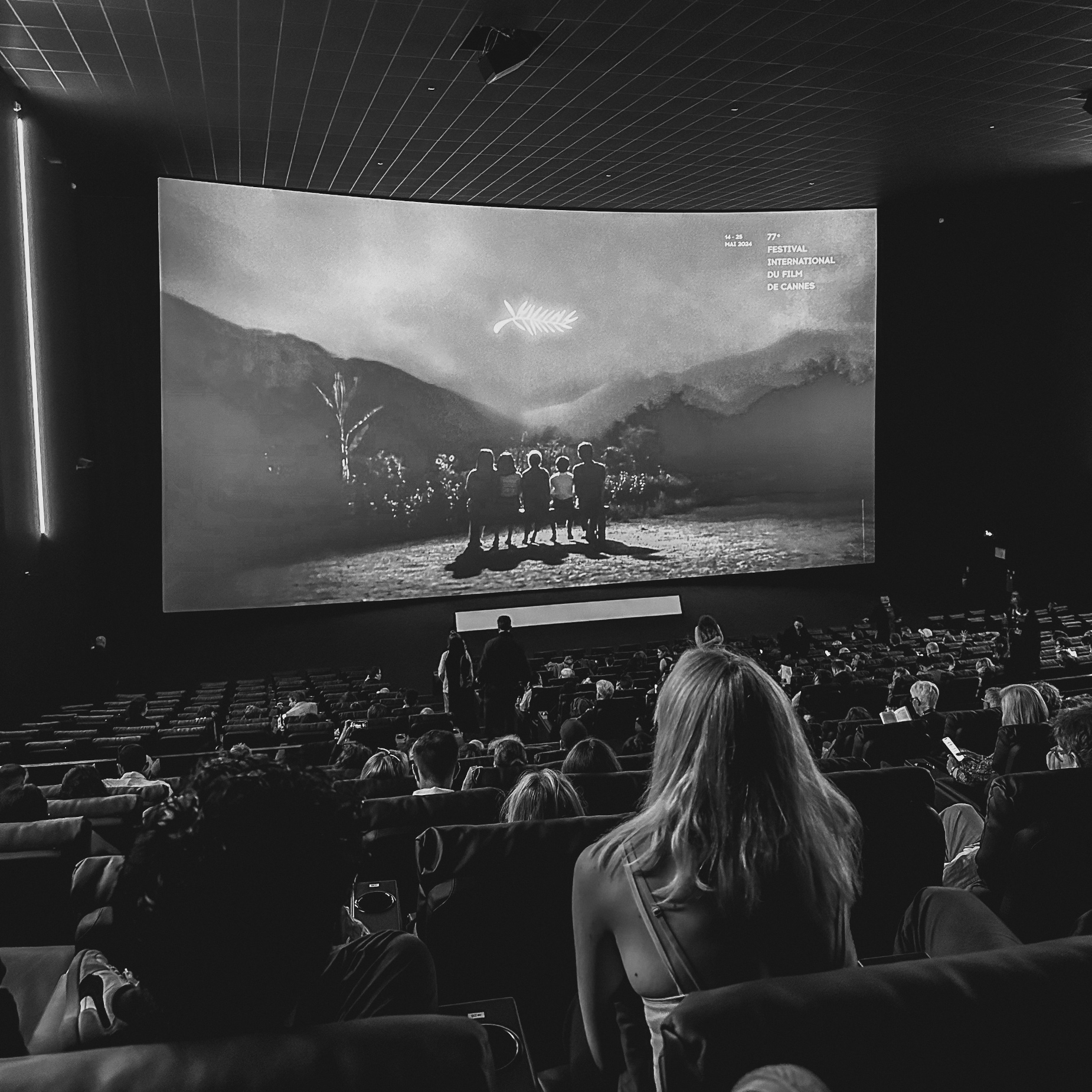
A few quick things on screenings you should know. If you get tickets to a show, you need to go! Or drop the tickets well ahead of time. If you take tickets and then don’t show up more than twice, they pull your privileges to any screenings, whether it be small showings or the massive red carpet galas.
Also, every ticket is issued through an online database that shows what is available and what isn’t. The best way to get to a movie is to refresh throughout the day as people drop tickets based on their availability. While you might not get everything, there is a lot that is available as long as you are on top of it,
LBB> And what about prepping – both mentally and physically – for the festival? Any advice based on personal experience?
Mark> Personally, once I knew I was going to go to Cannes, I made sure that I had all my ducks in a row: business cards, treatment decks, promo materials, and anything I felt would make me stand out. I even thought about printing out the scripts of the films we had and getting them bound in a nice package. I don’t know what I was expecting, as if I would hand my script in a meeting and watch them as they read it? To be honest, you really don’t need any of this, minus the business card.
Most meetings are a vibe check. It’s good to know two things: a hook to get them interested in a project, and all the details of where you are in the project. These people are going to be meeting 100 people or more at these festivals, so you want your project to stand out. All the supporting material can be sent afterwards, or else you are just giving them more to carry around.
Another thing, don’t lie. Be honest with where you are at. If you're at scripts and decks, tell them that. It will be best for them to give you the most honest advice about how they can help you, if at all possible.
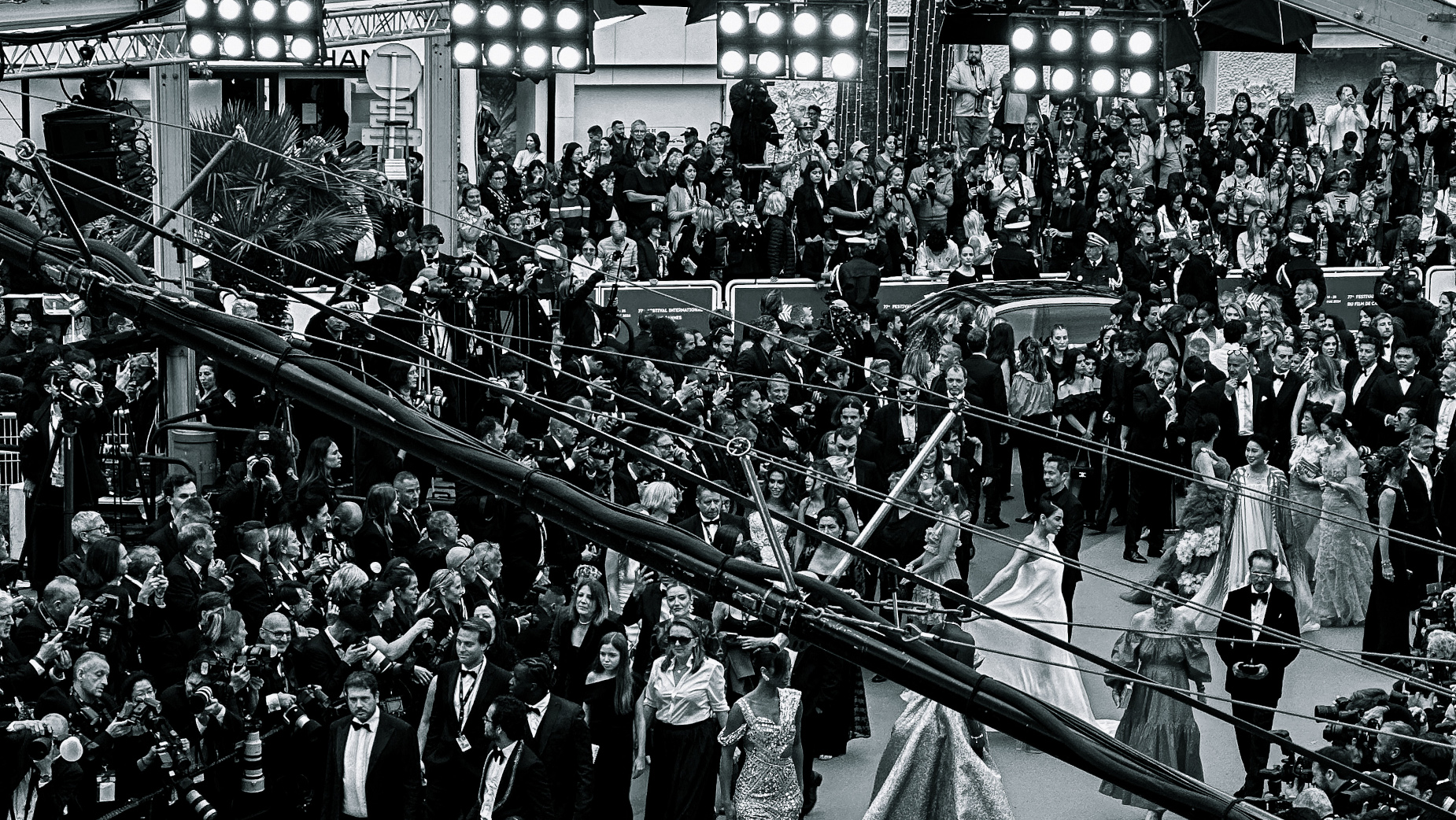
Finally, they are not fucking around when it comes to the black-tie dress code. I was behind a guy who wore a blue suit and khakis with a polka dot bow tie. I swear, I thought the bouncer’s head was going to fly off his body. It’s a good thing to note that this is only necessary between the hours of 6-10 PM at the main red carpet. Before that or after, it is not necessary and is not usually worn. (It is funny to see people show up in tuxedos at 8 AM, though).
LBB> Considering the festival is often praised as a networking event, should the goal just be to talk to and make as many connections as possible? How can one prioritise their minutes throughout their stay?
Mark> This is where scheduling and emails beforehand really help you. Be strategic and realistic with who you approach, and create a spreadsheet with all of the people, companies, names, contacts, and if they’ve gotten back to you. Organisation is key, and will allow you to easily see who you still need to reach out to and who you don’t.
There are also a variety of areas in the market that are easy to meet people, but I used our country's pavilion tent as the main place. Pretty much every country has a tent; Canada somehow has two (with Quebec being its own country). But, for the rest of Canada, Telefilm, our governing film body, is incredible in its support of filmmakers having areas and lounges to meet, coffee and snacks every day, and access to wifi… all for free. Everything else at Cannes is incredibly expensive, and if you are there independently, spend your money strategically.
LBB> What about actually securing meetings? Any advice on that front?
Mark> I used a service called Cinando. It was great and had a dedicated section that listed the people and companies attending Cannes. Now, not everyone is listed, but there are more people than you think would be on there. So, it's best to do your research at this stage, find out what companies are going, where they are coming from, who is coming, what films have they developed, are they like yours, and if your film would fit within their slate. If you can identify these things well ahead of time, you will have so much more success when you are actually at the event. For example, if you are a person trying to sell your film, look for people in development and acquisitions. Don’t email the president of A24 asking if they have time during Cannes to meet on your script; David Fenkel doesn’t have time for that.
Also, don’t be afraid to be malleable. If you are looking to build that relationship, you should do what you can to make it easier to meet with that person. For example, one meeting I had, we were both going to meet at one location, but the person was meeting someone else after me on the complete opposite side of town. So, I said, “let’s walk in that direction and have the meeting along the way”. Turns out it was one of the most successful meetings I had.
Finally, it’s always good to meet more people than fewer, but because everyone is so busy, you should have a strategy for who you really want to talk to. Whatever else comes up is essentially the cherry on top.
LBB> Equally, are there any things you’d recommend avoiding? Why?
Mark> Never take late-night party conversations seriously. Mostly, people have a bit too much liquid courage and are not representing exactly what they can do. That is not saying to be standoffish with people – always be polite and take their contact information – but then follow up after and see where things actually go.
Another thing about parties: at the festival events, most have an RSVP list to get in. If you can somehow get your name on those lists, whether it be through your work or people you know, that’s ideal. Don’t wait hours in front of a party for the hopes of getting in; there is so much else to do instead.
LBB> Mark, notably, you recommended checking out the Film Market Access programme, run by Kirk Cooper. Why was this such a highlight for you, and what did you get out of it?
Mark> For me, the programme took away some of the nerves I had about going to the festival for the first time. Kirk really has catered to basic fundamentals, so even if you have no idea what certain things are (treatments, promo materials, etc.), he is able to take the projects you want to present and go through those, helping you craft a package that sales and acquisitions will be looking for.
The other thing is simply logistics. I know it sounds very simple, but knowing he was covering room and board was such a weight off my back. The same applies to the market and registration; Kirk takes care of that for you, so your pass is ready as soon as you get there. He also starts the process with tours of the major places you need to know about. He essentially gives you the tools to be successful, but it is up to you to use those tools to create your own success.
LBB> Kirk, given the programme’s history, how have you seen the festival evolve, if at all? How is that influencing what you expect to see this year, and the way in which you’re helping guide people?
Kirk> What's really changed is accessibility. When I arrived at Cannes more than 20 years ago, there was very little visibility for people of colour. Now, at the 79th edition, a Black, French actress – Eye Haïdara – will host the festival for the first time. That milestone speaks to a broader evolution: Cannes has grown far beyond screenings and premieres into a true global business hub where deals are made, relationships are forged, and more voices than ever have a seat at the table.
The festival has actively worked toward greater diversity and inclusion across themes, representation, and parity for 2SLGBTQIA+ and women filmmakers. The world has become smaller, so representation matters; we all want to see ourselves on screen and working within the industry. But, while real progress has been made, there's still significant work ahead to ensure that opportunity and voice are truly accessible to everyone in this space.
On the market side, technology, digital pitching platforms, and the rise of international co-productions have fundamentally shifted how people create, educate, and utilise the market. That said, Cannes still has the same magnetism and prestige. This year celebrates voices like Barbara Streisand and Peter Jackson with special awards, and Japan as the Country of Honour, spotlighting its vibrant film community. I'm expecting a hybrid approach: smart face-to-face meetings paired with digital tools for efficient networking. And behind it all, incredible storytelling that sparks the conversations and deals that matter.
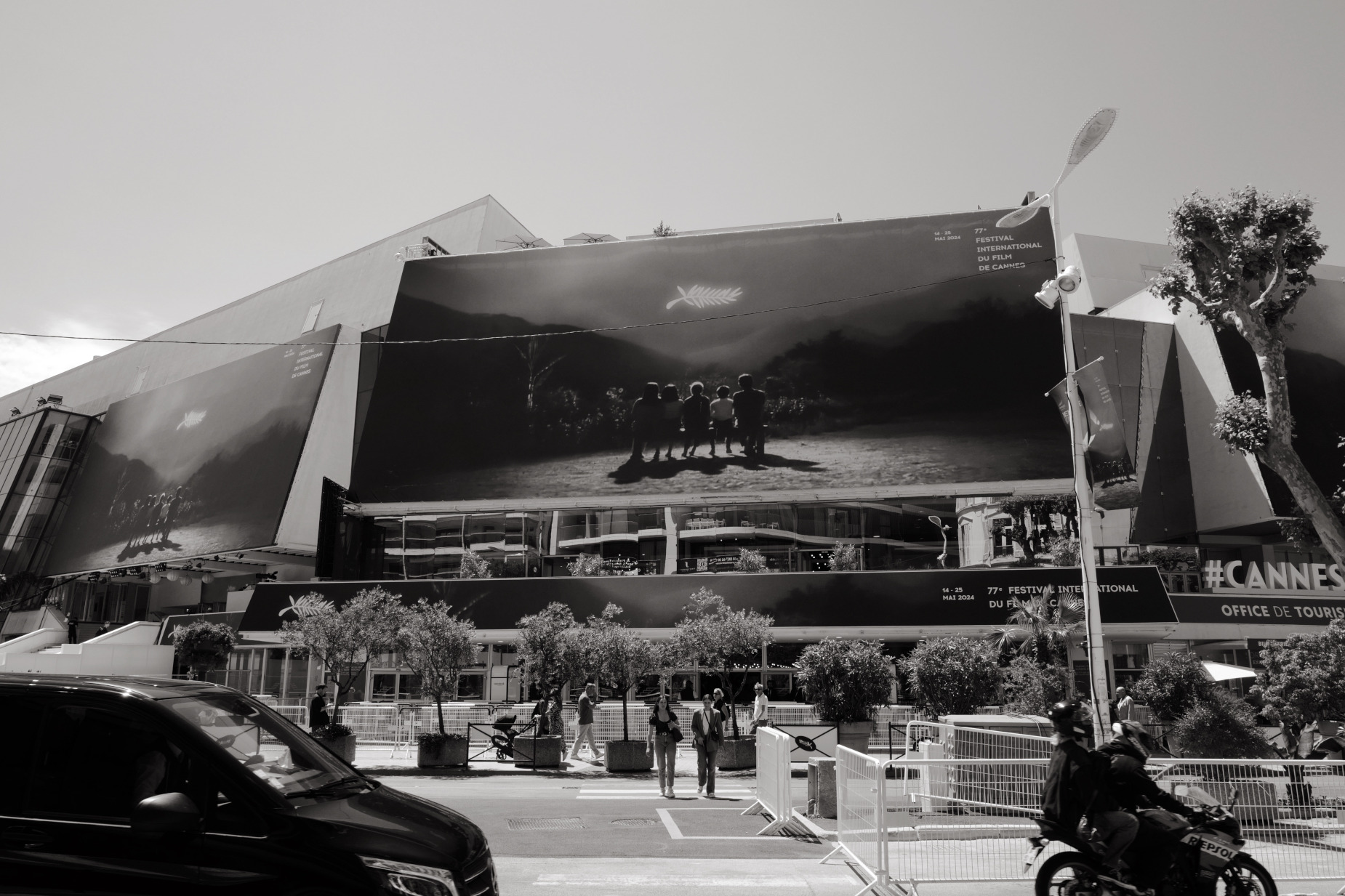
LBB> With that in mind, what can first-timers in 2026 – especially those participating in the programme – expect from their trip?
Kirk> Most first-timers make the mistake of trying to do everything. The reality is, Cannes rewards focus. Having 10 strong meetings is far more valuable than attending 30 events. If you come in with a clear focus, you'll leave with real traction
But beyond the logistics, you'll soak in the festival energy – world premiere screenings, receptions, the international buzz, and of course, French wine and cuisine. By the end, you will be richly rewarded, and you won't just have a stack of contacts, but real strategies, bonds with a community of filmmakers who share your vision, genuine confidence to navigate future markets, and memories that genuinely stick.
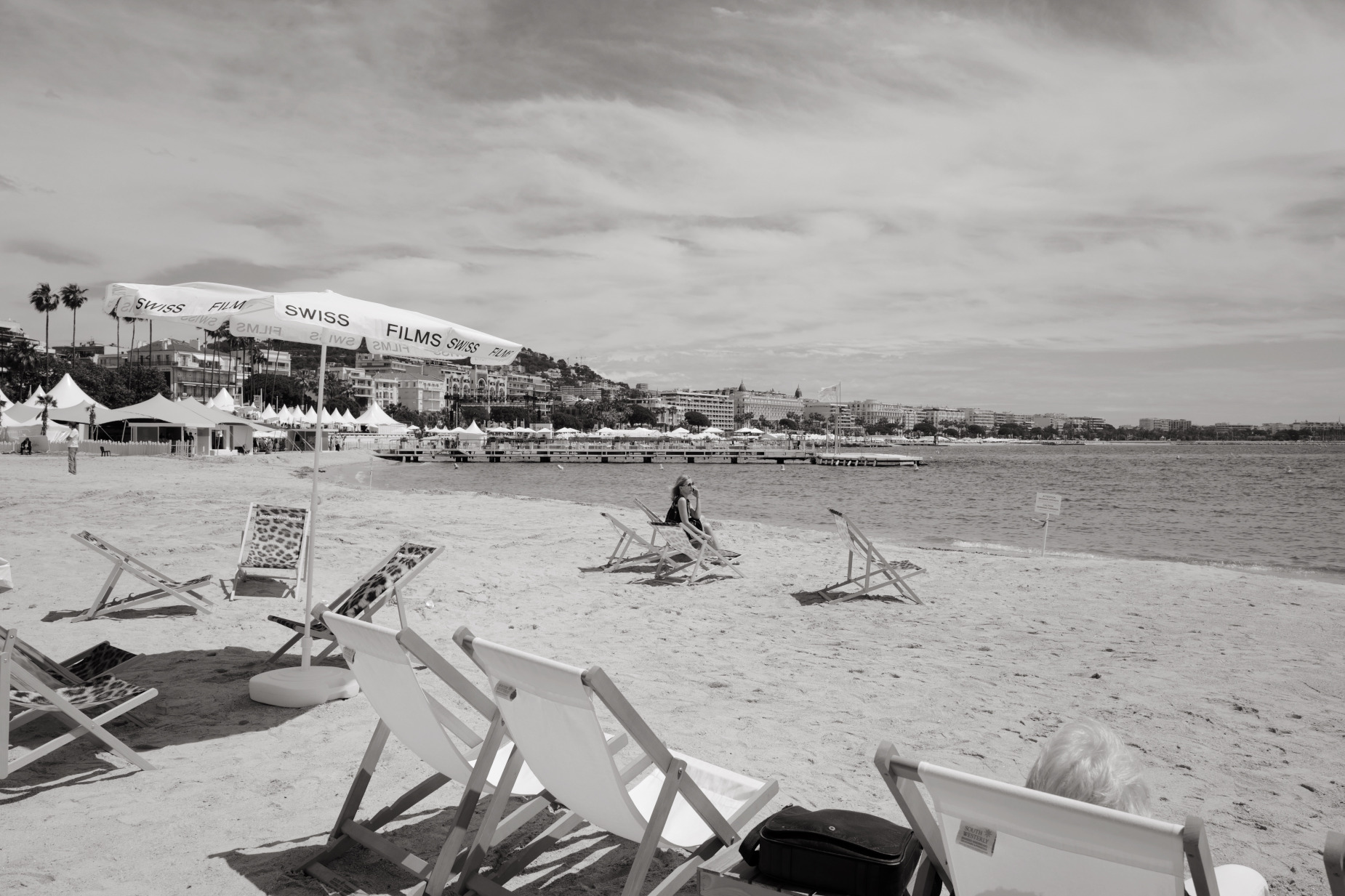
LBB> Speaking of business opportunities, what’s the best way to forge meaningful conversation with the various sales agents that are around?
Anelle> Everyone has a personal agenda at Cannes. Everyone is trying to sell something. This is where your materials matter. Having a strong trailer and pitch deck is vital. We are taking meetings every 30 minutes from 9 AM to 6 PM for five straight days. Your materials are what make us remember you and your project.
Also, like Mark said, there's a lot of business to be made at the market. I invested in a horror film that was pitched to me last year, and this year, I'm selling the completed film. I've also met with several filmmakers at the market over the years who have since become collaborators.
Remember, we are seeking longevity, not just a single project. So, even if what you're pitching isn't for me, I'll still remember the great trailer that got you that initial meeting.
LBB> And how can someone make their offering stand out amongst the clutter?
Anelle> Our schedules fill up fast, so book meetings early and make sure you're contacting the correct person. For bigger companies, there's usually a dedicated acquisitions department; for smaller companies like The Coven, all of us act as sales and acquisitions. Also, do your research. You would be wasting your time reaching out to me to review your drama film, as I represent genre films.
Finally, avoid doing a walk-in meeting. There are many companies that will not take meetings unless it's in the schedule, especially for companies taking meetings in one of the hotels. If their door is closed, you likely aren't getting in. As I mentioned, most of us have packed schedules – respect our time and we will respect yours.
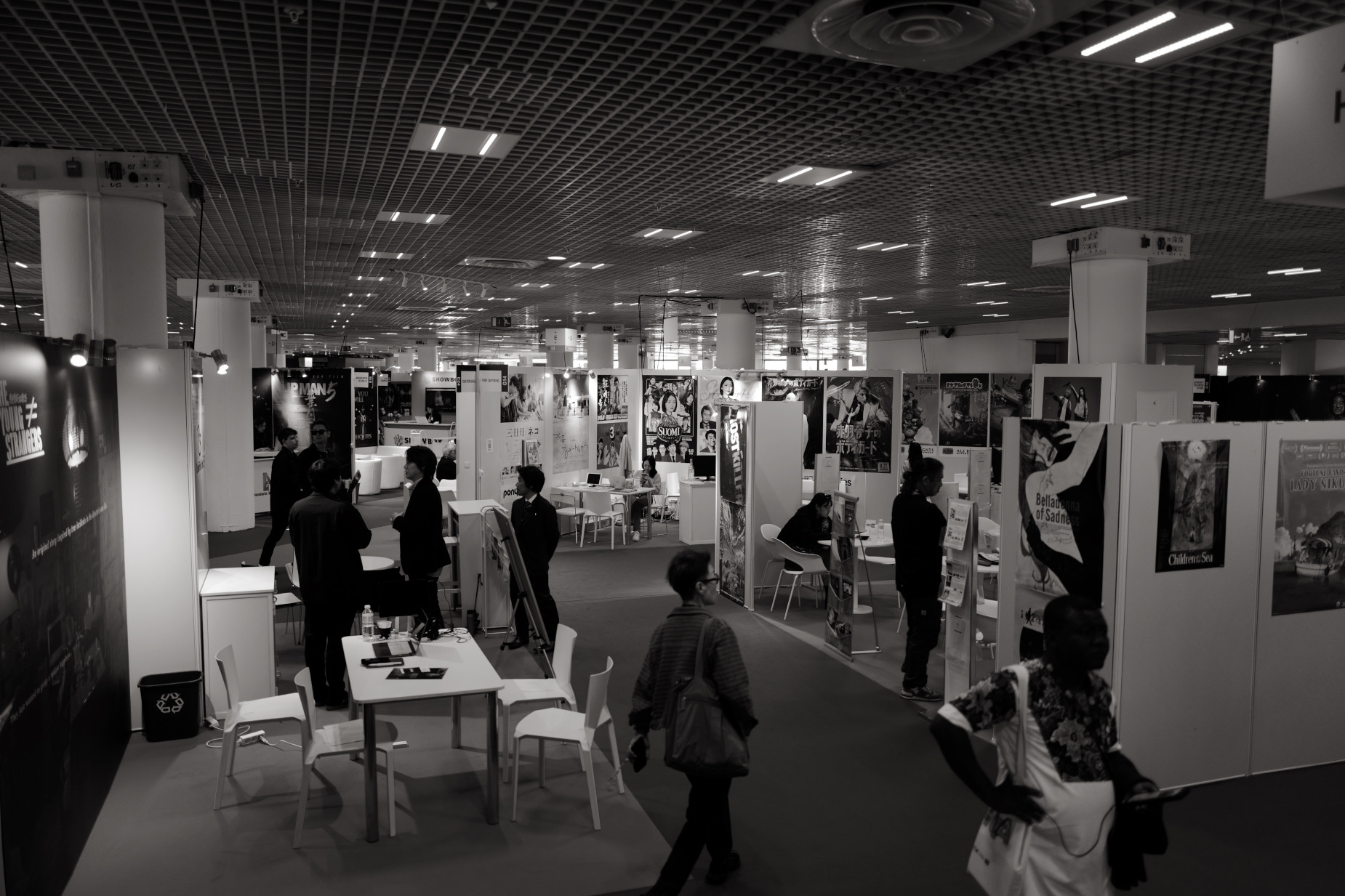
LBB> Anelle, given your expertise, what are the most important secret findings you’ve come across in your years at Cannes? Are there any tidbits you’re willing to share?
Anelle> Double-check your badge to see if you might have access to the fast-track entrance.
Also, there are three main 'watering holes': Morrisons Irish Pub (where you will find festival programmers, producers, and other creatives), The Dukes Pub (which attracts a mix of people grabbing a quick drink before their next screening or looking for a decent pint of Guinness), and Brown Sugar (where you'll run into industry people). Want to run into an executive from Amazon, Sony or Neon? Brown Sugar is your best bet. There are other bars, but these are the three where I have found the most advantageous. You never know who you might run into; a shared pint could change your career.
LBB> Finally, refuelling is important. So, with that in mind, any restaurant recommendations for newcomers?
Mark> Café Crème for breakfast! I found this on my last day and was kicking myself for not going earlier. It’s a bit away from the Palais, so it’s quieter, but worth it (and if you wanted to have a meeting in a more secluded area, it's great for that).
LUIGI was great for Italian food, and the atmosphere was fantastic. People say that La Pizza Cresci is the best pizza, but I actually preferred Best Pizza. Salsamenteria di Parma is a great wine bar/pasta place. I saw more than one TIFF programmer there on a Friday night. Finally, for seafood, Astoux et Brun had delicious, fantastic oysters.
For drinks, the hotel bars are actually all great; I didn’t go to a single one I didn’t like.


