


CES 2026 Shifts That Will Shape How We Design Next


CES gives us a glimpse into the future of technology. It’s where far-flung futures sit next to pre-orders, where genuine breakthroughs coexist with delightful tchotchkes. It’s inspiring, overwhelming, and often difficult to translate into meaningful insights for brands.
Beneath the noise, however, patterns emerge.
CES 2026 didn’t present a single vision of the future. Instead, it revealed a set of tensions reshaping creativity, experience and business. Eight shifts stood out - less as predictions, and more as early signals of how consumer behaviour, brand experiences and growth opportunities are being influenced in 2026 and beyond.
Here’s a closer look at those shifts, and what they really mean for brands.
1. Ambient Interfaces: where technology disappears
The interface is dissolving into the environment. Through sensors, AI and IoT, technology is becoming ambient, anticipating needs and responding invisibly without constant taps, swipes or screens.
As interactions become screenless, brands must rethink how they show up. The opportunity is to make technology feel invisible while still delivering value. This means designing ambient modes for existing products and services, and owning a distinctive voice, gesture or interaction that fits naturally into people’s lives. When done right, technology feels like life improving magic, not another distraction competing for attention.
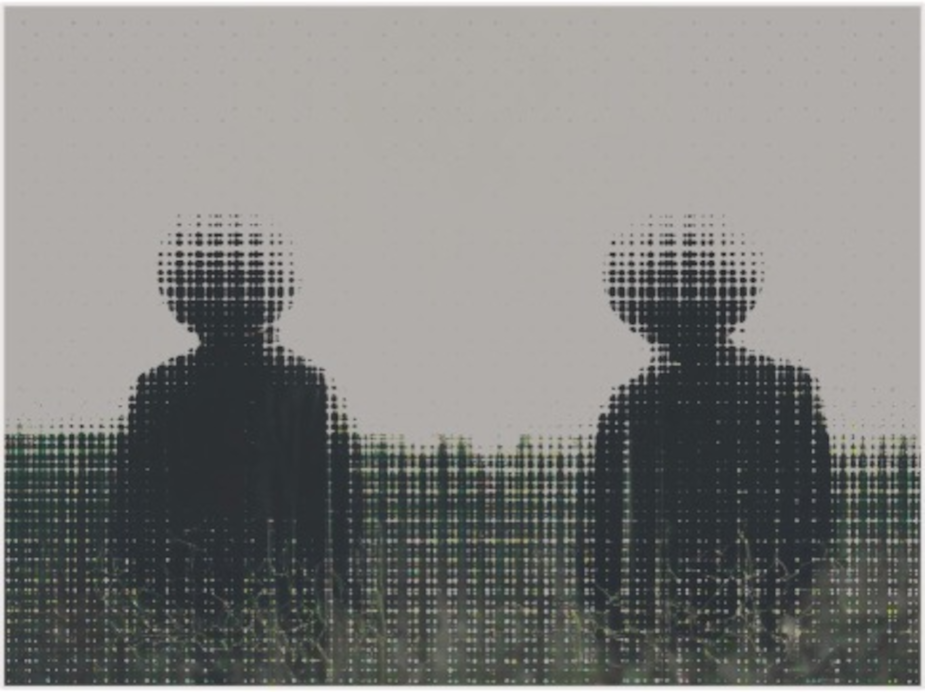
2. Screen-Free Generation: a reprieve from the attention wars
Screen time has become public enemy number one. As attention fragments and fatigue rises, we’re seeing a shift toward screen-free experiences, particularly for children, but increasingly for all generations.
Screens aren’t disappearing, but modes of engagement are changing. Brands need to build distinctive experiences through sound, texture, haptics, motion and even smell. This opens new opportunities for multisensory storytelling, voice-led experiences, and always-on assistants that don’t demand visual attention. Brands that help people curb screen time and reconnect IRL will earn trust and relevance.
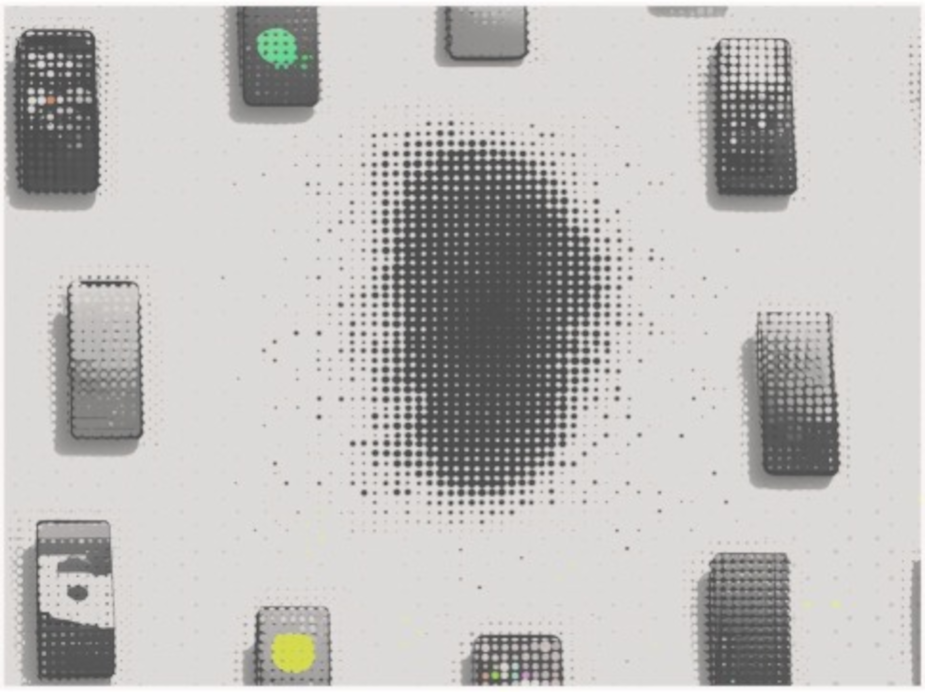
3. Physical AI: intelligence in motion
AI is no longer confined to apps and dashboards. We’re entering the hardware era of AI, where intelligence lives in the objects we wear, carry and live with. These devices quietly notice, remember and support us throughout the day.
Brands now need to design for intelligence that exists in motion, not just on screens. Physical AI creates opportunities for onboarding, post-purchase support and ongoing relationships that listen, adapt and anticipate needs before frustration sets in. The challenge is to turn features into trustworthy companions, that are helpful without being invasive.
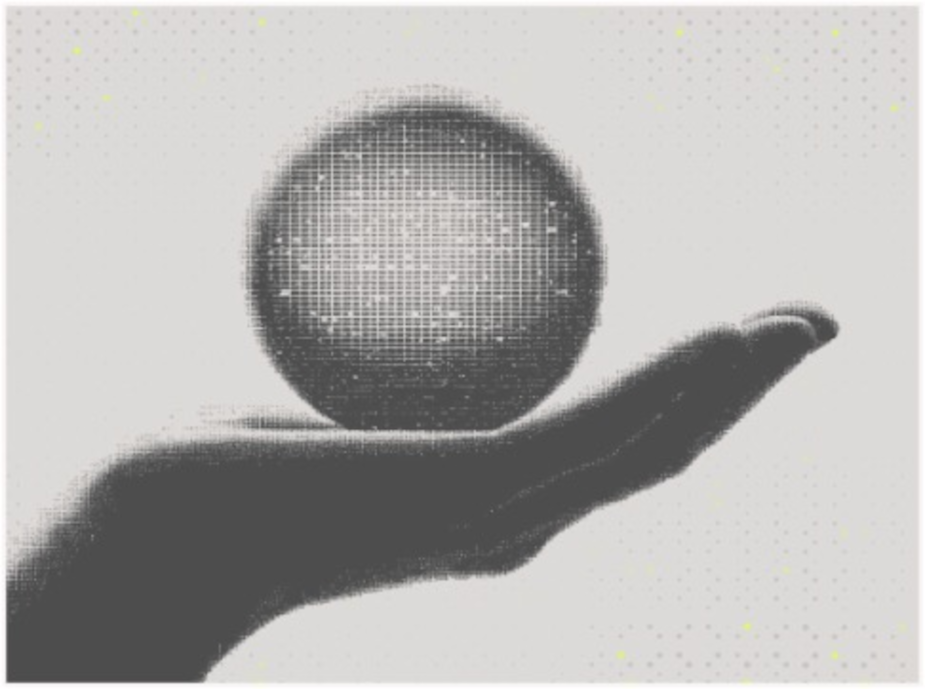
4. Local AI: private, instant, personally controlled
AI is shifting from the cloud to on-device. Local AI promises lower latency, greater privacy and more personal experiences, putting control back into the hands of users.
This shift raises the bar for what 'good' feels like. Experiences must be instant, context-aware and useful without relying solely on public or cloud data. Brands will need to design products that can run locally, allow users to train their own versions, and prove value even when data sharing is limited. Get ready to hand over more control and responsibility to your customers and allow them to remix their own applications.
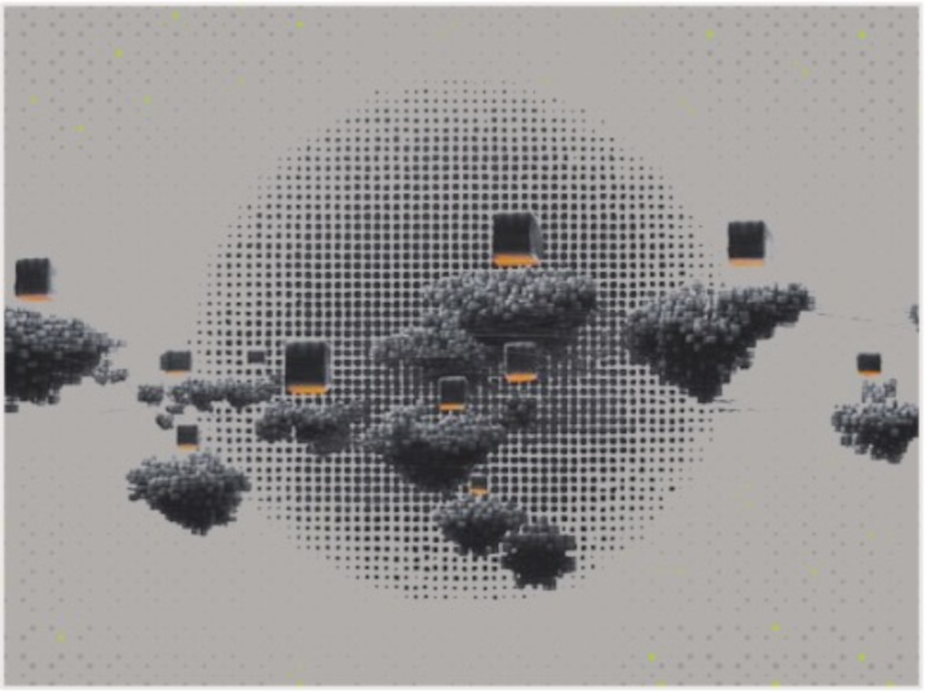
5. Zero-Labor Companions: outsourcing the ordinary
Consumer robotics are becoming more accessible, with a clear focus on reducing physical and mental load at home. From cleaning to organising, robots are increasingly capable of handling everyday tasks.
As people outsource the ordinary, time and attention are freed up for more meaningful moments. Brands must consider how their products fit into a robot-assisted world, from robot-friendly packaging and instructions, to open-source guidance that helps robots interact with products correctly. There’s also an opportunity to partner, co-create and design experiences that actively reduce friction in daily life.
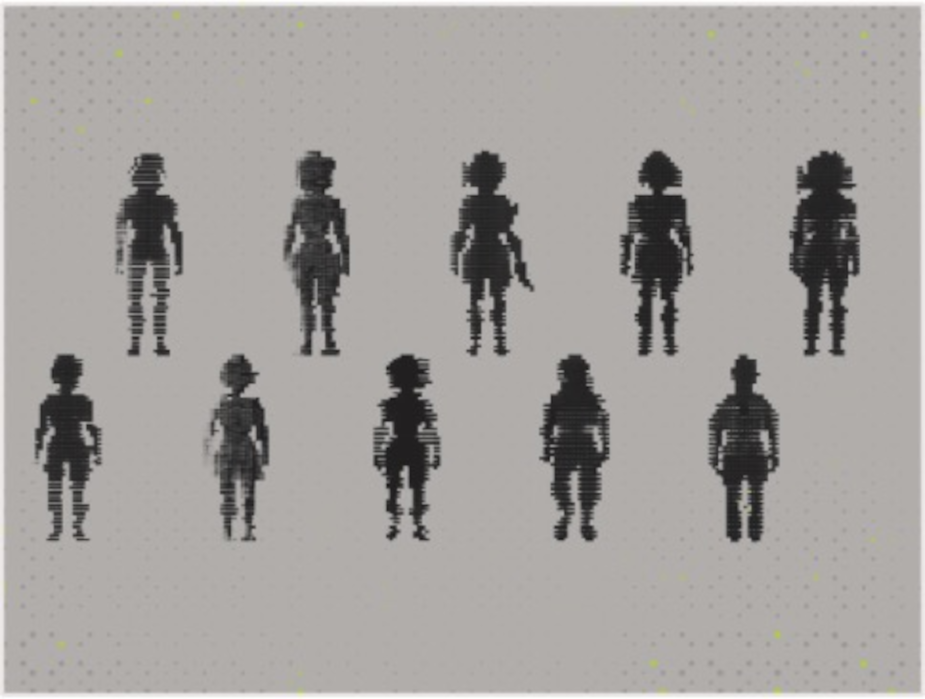
6. Optimised Anatomy: from self-tracking to democratic care
DIY healthcare has shifted from niche optimisation to mainstream diagnosis. Consumers can now test what goes in, on and out of their bodies often in real time and gain access to insights previously locked behind specialists.
This shift offers empowerment, but also risk. Data overload and health anxiety are real concerns. Brands must decide where they stand: enabling access and personalisation while providing clarity, reassurance and expert guidance, or stand against over optimisation with a more human and expert lead approach. The opportunity lies in giving consumers more control without fuelling fear and opening up parts of industries that were once inaccessible.
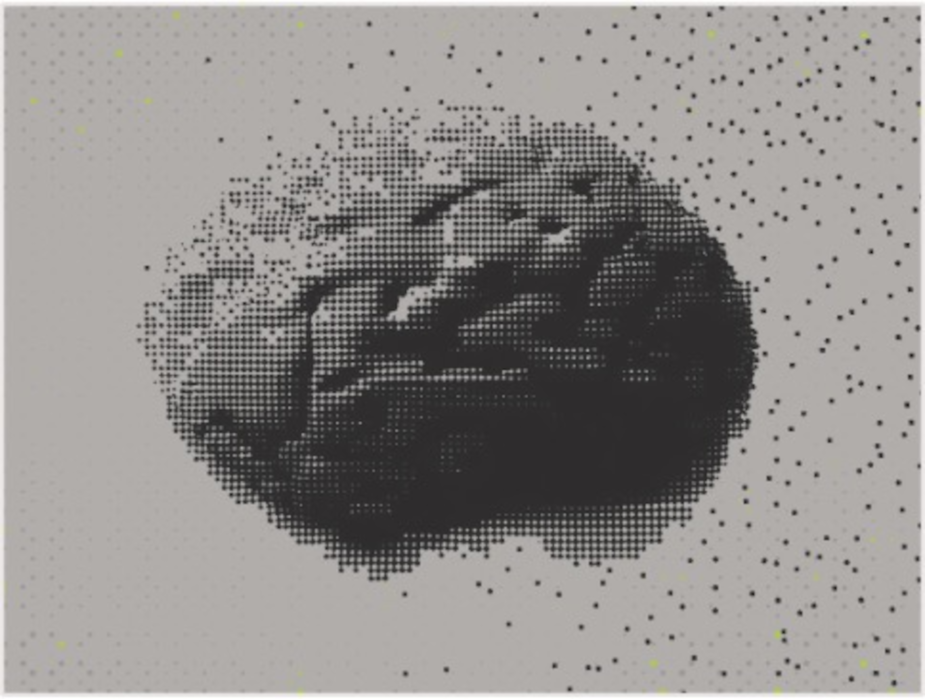
7. Spatial Lenses: choosing the lens we see the world through
Glasses-based and spatial devices are becoming socially acceptable, lightweight and always-on. Instead of escaping into immersive worlds, people are layering digital content onto reality.
As vision becomes an interface, presence is no longer about feeds and screens. Brands must design for layered reality with subtle overlays, contextual hints and ambient storytelling that enhances real life rather than overwhelms it. Turkish Airlines is already leaning into this. They’ve teamed up with Meta and Ray Ban AI Glasses to scale POV storytelling into a modern content engine. The campaign skips glossy montages and leans into hands-free POVs so you can watch travel journeys like you are the one taking it.
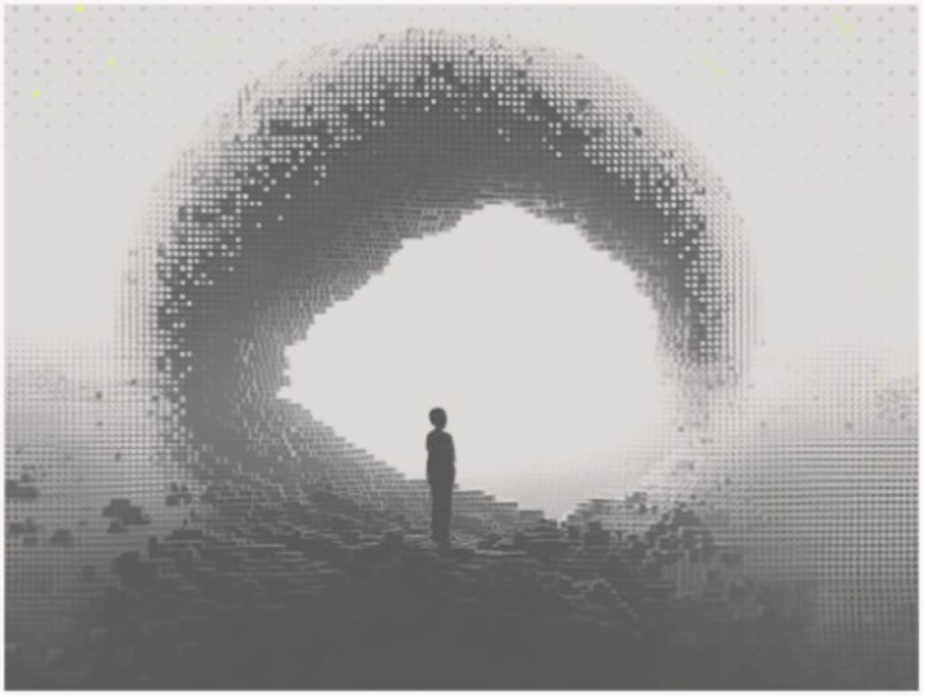
8. Playful Tchotchkes: the return of joy and good friction
After a decade of minimalist design rounding the corners of every product and shaving the friction from every corner of the internet, we’ve seen a push back to more playful, fun, and nonsensical design. These products may look silly, but they reveal a serious truth: emotional distinction wins. Brands must re embrace good friction, personality and joy — creating moments of memorability that cut through a homogenised experience landscape. This applies just as much to digital experiences as physical ones.
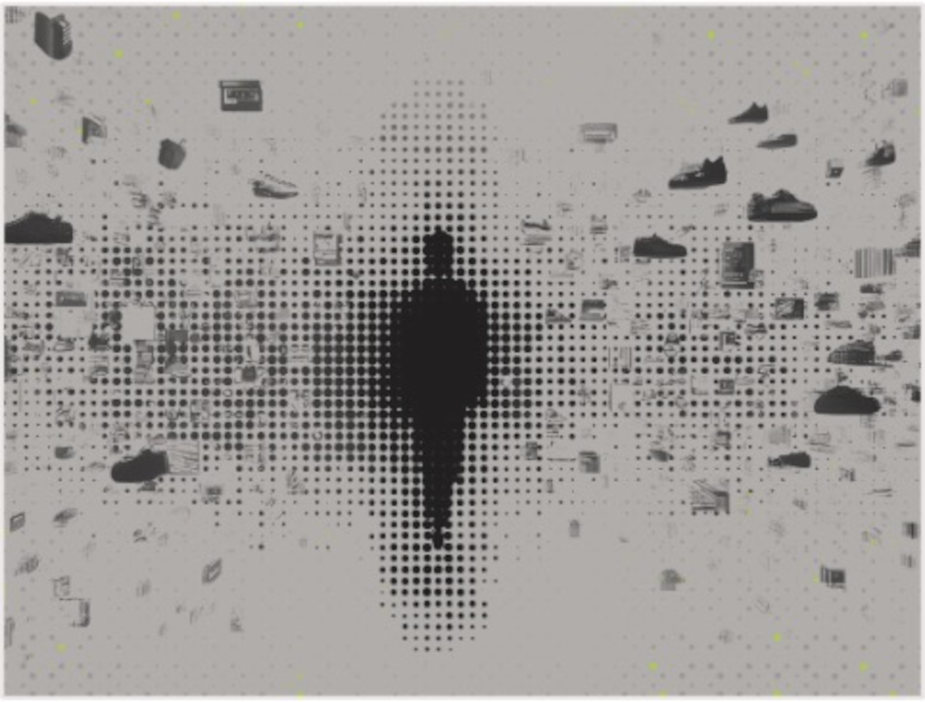
Looking ahead
These shifts don’t move in one direction. They create push and pull: convenience versus control, automation versus autonomy, frictionless design versus playful resistance. What CES made clear is that technology is becoming more invisible, democratic and personal.
For brands, the real challenge isn’t adopting new tech for its own sake. It’s understanding how these shifts will change behaviour and designing experiences that feel human, helpful and relevant in response.
The future isn’t louder. Its quieter, stranger and far more intentional.
For a deeper dive into all eight shifts, download the full dotdotdash CES 2026 report here.


