


How The North Face Told the “Deeper Human Story” of the Ultra Trail du Mont Blanc


“To run 100 miles you have to love it,” states Ruth Croft, a featured athlete in The North Face’s three-part unscripted documentary series, ‘The North Face Presents: SUFFERFEST’.
Documenting the highs and lows of elite trail runners as they prepare for and compete in one of the world’s most iconic 100-mile races, the Ultra Trail du Mont Blanc in Chamonix (UTMB), the series hones in on the sheer human strength and determination it takes to even reach the start line, as well as the physical and mental toll of getting to the finish.
Production company Think Less became involved in the project after its work on ‘The Crux’ with The North Face (TNF) and the National Geographic, which followed some of the world’s best sport climbers through the World Cup circuit.
“Through that experience, we developed a great relationship with the brand director at TNF, who became a dear friend, and we started talking about other verticals they'd like to explore similar projects in,” explains series director Phil Hessler. “Trail running came up immediately, given the significant growth the sport has seen over the last few years, and we began developing a show around the biggest ultra race in the world – the UTMB. That's where it all started.”
The pre-production process involved a significant amount of research around professional trail athletes who had competed in previous Ultra marathons and would be gearing up for the 2025 UTMB. “We then put together basically a show bible for how we would approach the production, who our athletes would be, along with an anticipated timeline, and took that to TNF before starting production,” says Phil.
For the brand, its motivation for the documentary was around creating a definitive series on trail running that would allow viewers to engage with and understand the personalities behind each athlete. From there, Think Less and TNF landed on four runners who would be the focus of the series; Ruth Croft, who would go on to become the first place finisher and be named the 2025 Worldwide UltraRunner of the year; third place finisher Josh Wade; six-time OCR World Champion (2014–2019) Jon Albon, who did not finish (DNF) the event; and 526th finisher (27th in category), Emily Hawgood.
“Having done a few of these sports series at this point, I knew the central dramatic arc would come from the characters competing against each other in the race,” says Phil. “The good thing about these sports shows is that the narrative spine is built through the competition – multiple characters chasing the same goal creates the dramatic arc.”
Spread over three episodes, Phil and TNF had room to explore who these athletes were beyond the race, unearthing personal connections to running and what inspired their decisions to repeatedly put their bodies on the line for the sport.
“The thing I immediately noticed about our characters, who were all in their 30s, was the wealth of life experience and self-awareness they were willing to explore beyond just being motivated to win the UTMB. Which made me really excited for the deeper human story that would exist in this series,” the director explains.
By nature of unscripted documentary filmmaking, the narrative was largely shaped by what happened during the race itself. To capture the event, two crews followed four athletes along with their families, coaches and support crews.
“We staged at different points along the route and met them at aid stations, where they'd refuel and chat with their coach or partner, then leapfrogged them to get to the next aid station ahead of them,” says Phil.
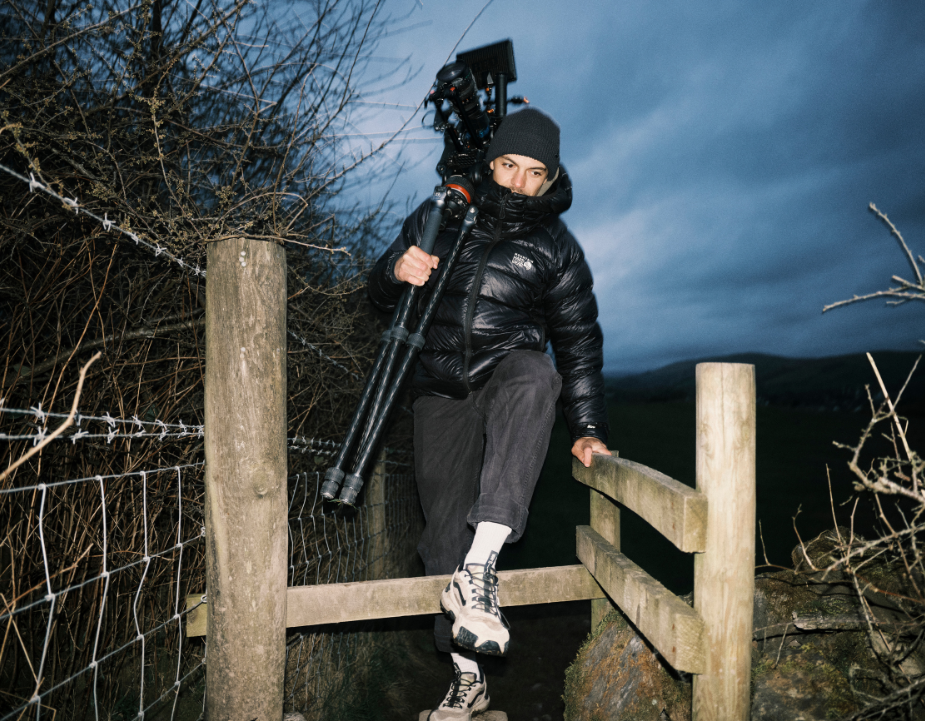
It was a feat of endurance for the production crew too, who ended up staying awake for almost 40 hours capturing the runners.
“It was a crazy shoot,” Phil reflects, noting that things didn’t end with the athletes crossing the finish line. “After the race finished, we did follow-up home shoots to build out more of the character and moments leading up to the UTMB. The idea to cut between the race and our athletes' backstories at home happened naturally – it felt like the best way to carry tension in the edit while circling back to the personal motivations of our characters.”
As with any documentary, establishing a sense of trust with the participants on screen was essential. For Phil and his crew, this was achieved through conversation and clarity, ensuring each athlete had a clear sense about what the crew wanted to do, and the vision they had for the film.
The subsequent process was deeply immersive, and began weeks before the race started. The crew collaborated with the UTMB organisers as well as a local Chamonix film company called Alps Film, who handled shooting the mountainous terrain. Phil explains, “Most of the runners come out to the French Alps a few weeks early to acclimatise to the elevation and run in the surrounding mountains, so our first shoot was about a month before the race, when we went out and shot initial interviews with our selected athletes along with B-roll in the surrounding mountains.
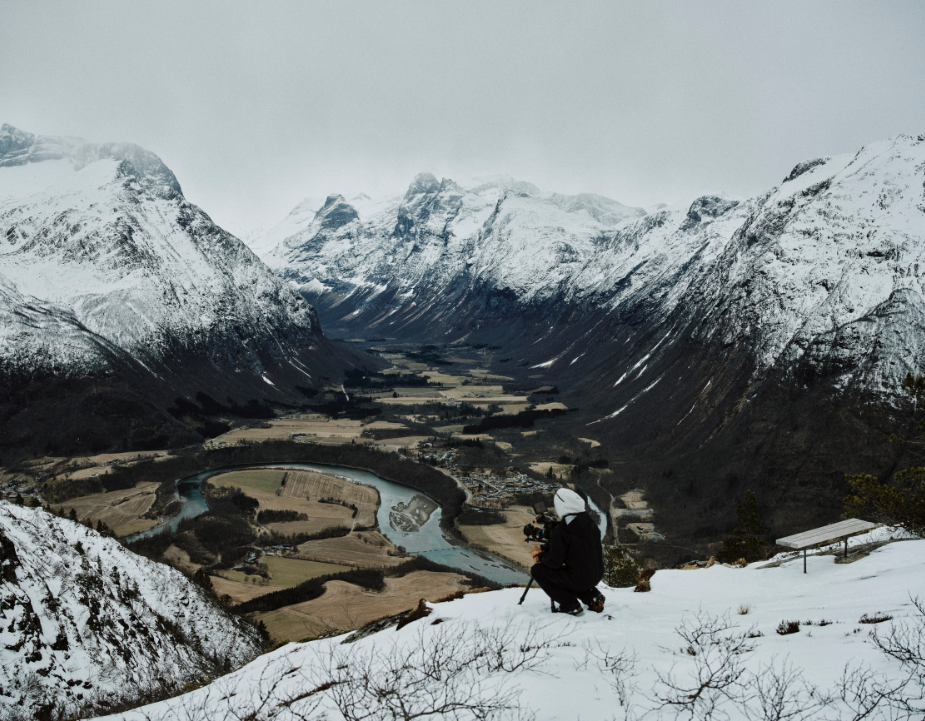
“That was a great icebreaker shoot to meet all our athletes, and it was relatively low-stakes since there was still time before the race,” he continues. “We then came back the week of the race and shot follow-up interviews with the B-characters – coaches, family, partners. Then came the big lift: shooting the actual race.”
Phil and his crew had full access to the event via the UTMB organisers, and were able to devise a plan that would allow them to not only capture their runners at key checkpoints, but also film additional B-roll footage along the way.
“We supplemented that with a lot of footage the UTMB itself captured, so it was important for us to focus on what UTMB wouldn't get – like the moment Jon decided to DNF,” says Phil. “In those more verité instances, you're really following intuition as the story unfolds in front of you. It was a beautiful experience – you need to be open to what's happening in front of you and fill in the gaps later.”
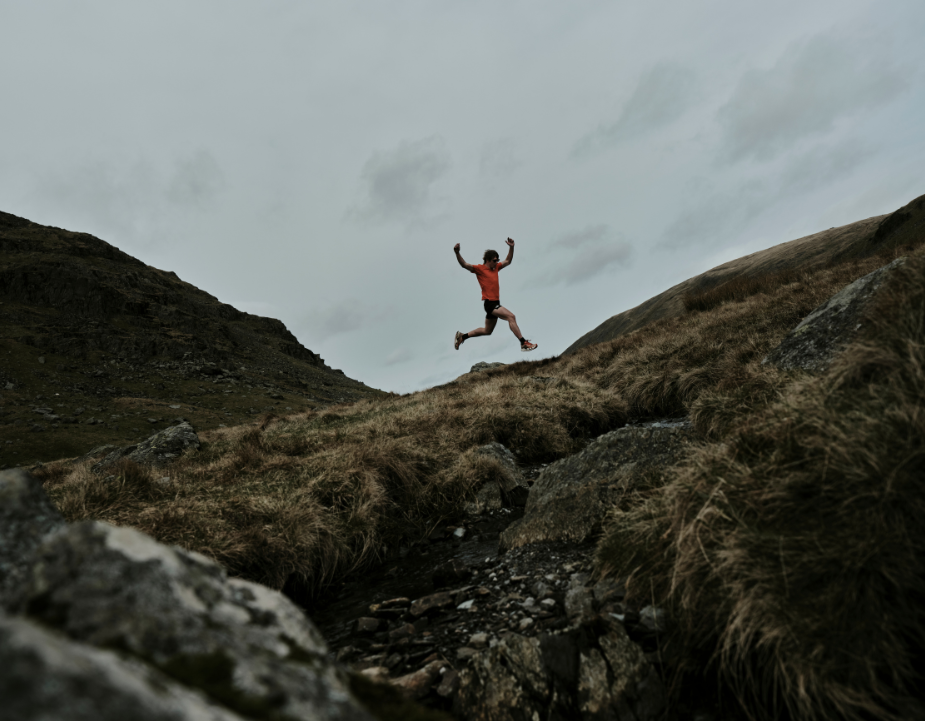
The balance of fly-on-the-wall filmmaking with a more structured, interview-style approach shaped the final narrative, and even helped unexpected stories to come to the forefront.
“It evolves into a dialogue about which key aspects of each athlete's story need to be captured,” explains Phil, “to the point where they start suggesting things that would work – like Ruth suggesting we speak with her childhood friend, Josh Komen, a leukemia survivor who was watching her race for the first time that year, which became the emotional crux of her story.”
The decision to feature Josh and his experience with running and navigating illness as a young man brought an emotional intensity to the narrative that goes beyond sport and competition. At one moment in episode three, he states, “We can get carried away with things in life, but suffering brings real meaning to life. It really does.” It’s a comment that resonates, linking to the documentary’s title, ‘SUFFERFEST’, and to human experiences of pain and survival at a deeper level.
“I think showing how committed you are to properly telling someone's story opens a lot of doors, and the magic happens when you surrender to the experience,” adds Phil. “Having an amazing team who was on that same wavelength definitely made it all possible.”
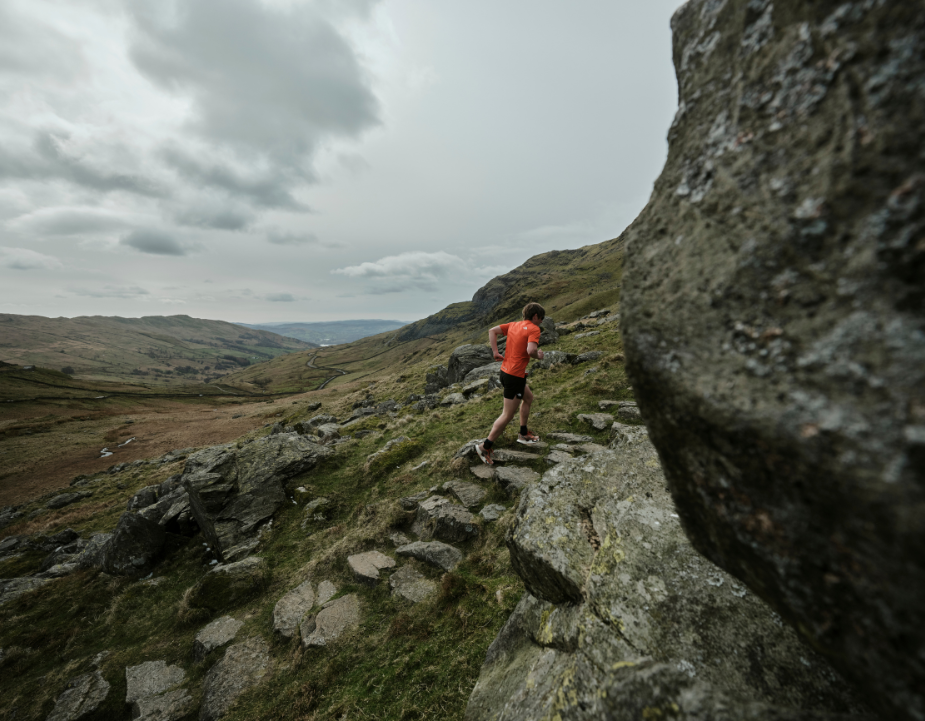
To capture the gravity of the moment, the series also had to reflect the historical significance of the event. “Thankfully, we got access to co-founder Catherine Poletti and the UTMB archive, and she was able to paint a beautiful picture of just how wild this ultra run actually is,” says Phil. “We wanted the audience to feel invested in the characters, interested in the race outcome, and aware of just how big trail running is becoming. Those were the three pillars around which much of the storytelling was built.”
The three-part episodic structure naturally aligned with Phil’s decision to intersect footage of the race with quieter, more stripped back moments filmed at the athlete’s homes. Additionally, it allowed the space to give each athlete’s story room to breathe, focusing on two character stories each in episode one and two, and on the medallists in the final film.
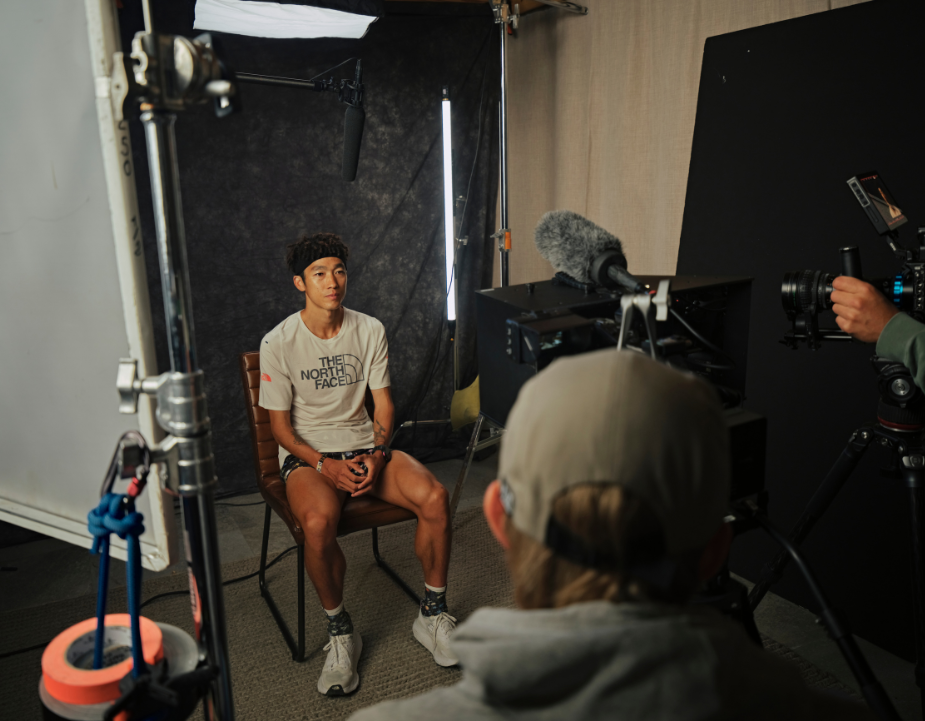
While Phil celebrates his entire team with helping bring the documentary to life, in particular, he calls out his brother and editor, Jack Hessler.
“We have an ongoing dialogue on these projects that really informs production,” he explains. “We started cutting the race before we'd even done the home shoots, which helped inform which story beats would be worth capturing. So much of it comes down to the relationship you have with your collaborators, both in post and in production.”
He also credits fellow editor Riley Happerstad with helping to shape the way the documentary sounded, pointing to their track selection that felt “cinematic and epic without tipping over into over-the-top”. It was a choice that spoke to the race’s surroundings, which play a huge part in shaping each athlete’s experience.
“Because the show immerses you in these vast mountains, we wanted the music to feel big and grandiose, giving you a real sense of awe, and I think we found tracks that spoke to that,” Phil adds.
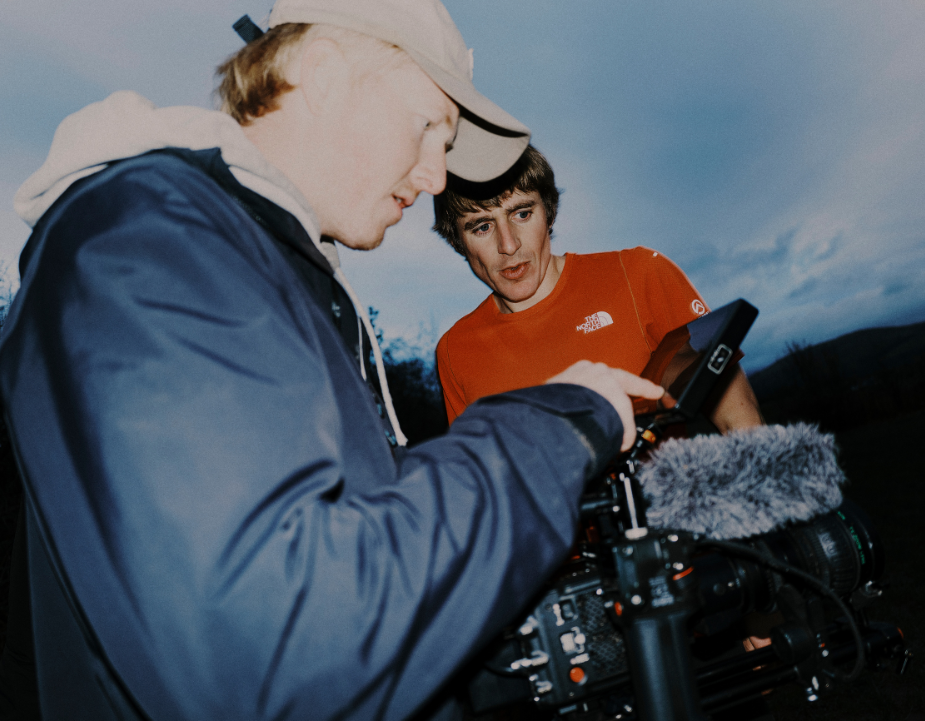
The whole experience reminded the director “just how important it is to have collaborators you trust who are also great friends”.
“You end up spending so much time together on these shoots that you need to do it with people you really care about, trust, and can help bring out the best in,” he continues. From spending hours together on mountainous roads, experiencing car sickness whilst racing to reach a check point (a moment that provided some much-needed levity amidst sleep deprivation, Phil affirms), the experience of creating ‘The North Face Presents: SUFFERFEST’ was ultimately a formative one.
“I was so lucky to have [director of photography] Dylan Wineland and [principal cinematographer] Marcus Catlett shoot this,” he adds, “they brought such a great visual style and elevated look to it.
“These projects take a ton of effort and sacrifice, but it's incredible what you can accomplish with the right team. Filmmaking is such a team sport.”
Watch all three episodes of The North Face Presents: Sufferfest on YouTube


