


8 Japanese Cultural Influences to Look Out for in 2026


From the staying power of global sensations like girl group, XG, and TV series, ‘Alice in Borderland’, to the comeback of ancient traditions like Kabuki theatre and sumo, advertising experts from VIRTUE Asia, Mr+Positive, BBDO Japan and R/GA offer insight into key cultural influences emerging from Japan in 2026.

Above: Ado
Marie Lee, senior strategist at VIRTUE Asia
Ado: Ado is not just an artist. She is a pressure release valve. Her debut single ‘Usseewa’ which loosely translates to ‘shut up’ in English, shattered streaming records and fuelled sold-out tours from LA to Tokyo. Emerging from anime culture and exploding into the global mainstream, Ado represents how Japanese music is finally broadcasting emotion at full volume without translation or apology.
Anime soundtracks have trained generations to embrace maximal feeling. In a high-feeling, low-certainty era, emotional literacy is suddenly mainstream-ready. While Western pop spent years sanding emotion into cool detachment (think Billie Ellish’s cool, quiet, minimalism), anime music kept its intensity at full volume. Ado thrives precisely because she refuses restraint; rage in ‘Usseewa’, resistance in ‘Odo’, self-expression in ‘Show’.
What makes her emblematic of 2026 is not just scale, but confidence. Japanese producers and artists are increasingly collaborating outward without diluting their identity. Ado’s traction across anime fandoms (‘Spy × Family’, ‘Chibi Maruko-chan’), gen z playlists, and global tours shows that emotional maximalism is no longer niche.
Feeling deeply is no longer embarrassing. Anime music never pretended otherwise.
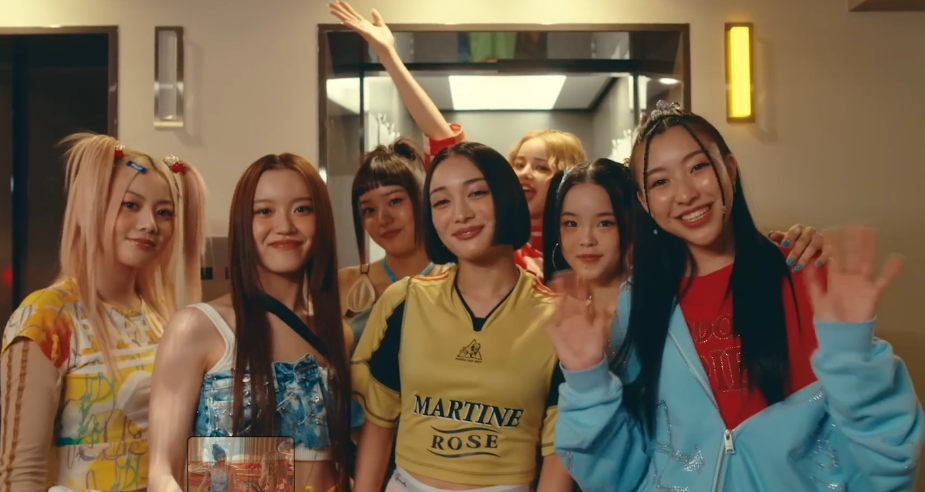
Above: XG
Peter Grasse, founder and executive producer at Mr+Positive
As we look ahead to the year, several Japanese cultural icons and influences are set to shape both local and global conversations.
Xtraordinary Girls: In music, Japanese girl group XG continues to stand out as a defining pop act – completely unique and bringing a distinct Japanese edge to the global pop scene. Their ability to connect with international audiences reflects a wider shift in how Japanese artists are positioning themselves on the world stage. Mr+Positive had the opportunity to shoot for XG on an Apple Music collaboration, supporting the creative execution of a campaign that highlights how Japanese acts are increasingly engaging with global platforms and audiences.
Awich: Another influential figure is hip-hop artist Awich, a key driver of Japan’s contemporary hip-hop scene. Mr+Positive collaborated with Awich on a YouTube Premium campaign during a moment of expanding mainstream and cultural impact. Her bold artistry bridges underground credibility with mainstream appeal, shaping conversations around identity, empowerment, and creative expression in Japan.
‘Alice in Borderland’: In screen culture, Netflix’s ‘Alice in Borderland’ remains a standout example of Japan’s global storytelling power. Mr+Positive produced promotional videos for season three, supporting its positioning as one of Netflix Japan’s flagship titles with strong international reach. With 8.5 million views from global audiences in its debut week, the series underscores the growing demand for Japanese media and entertainment in international markets.

Above: Sumo wrestling
Ku Yamamoto, planner at BBDO Japan
One emerging trend in Japan is the rediscovery of traditional Japanese culture by younger generations, and its evolution into more contemporary forms of enjoyment.
Kabuki: Last year, the film ‘Kokuhō’, which portrays the life of a Kabuki (traditional Japanese theatre) actor, became a historic hit. It turned Kabuki into a social phenomenon, even driving young people – who had previously felt little connection to it – to visit theaters in person. This is not just a short-term trend, but part of a broader reappraisal of the inherent ‘coolness’ of Japanese culture itself.
Sumo: This interest is now likely to extend to sumo. More than a sport, sumo naturally invites personal support, and it has already begun to enter the realm of ‘fan culture’. Each wrestler’s personality and background are easy to follow, and the ranking system clearly shows stories of growth, setbacks, and comebacks – similar to popular audition-style shows.
Sumo also aligns well with youth media habits. Matches often conclude within seconds and can be understood at a glance, making them well suited to short-form video. Its iconic visuals lend themselves to memes and social sharing, giving sumo the potential to develop into an even larger cultural trend than Kabuki.
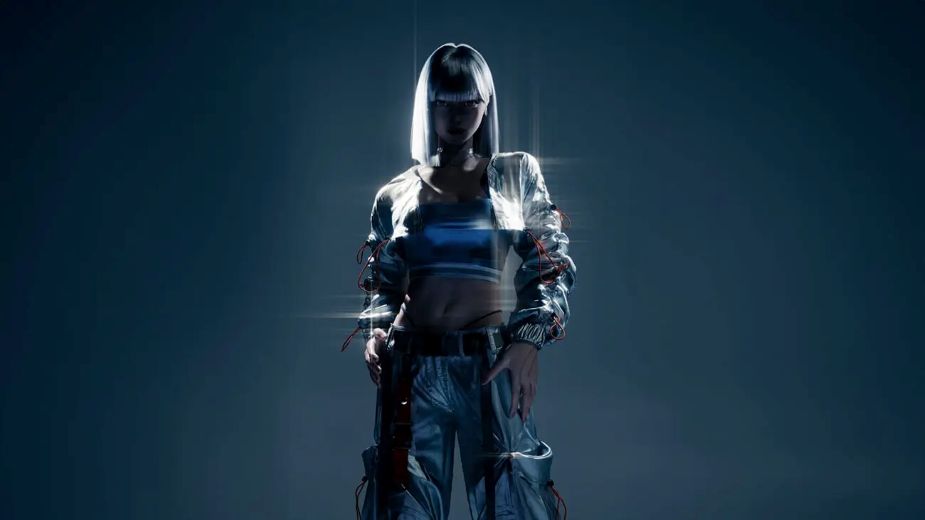
Above: Mirai
Ema Nicolas, strategist at R/GA
Mirai: True to her name which means ‘future’ in Japanese, Mirai is Japan’s first AI-powered virtual human, signalling a pivot from digital content to intelligent interaction. Created by Aww Inc., the virtual-human and AI studio behind imma, Japan’s most recognised virtual influencer, in collaboration with HOLOWORLD, a leading VTuber platform, Mirai represents the next evolution of virtual personalities. While her predecessor Imma (‘now’) operates as a scripted creator, Mirai is an autonomous system designed to think and respond in real time.
By moving beyond static broadcasting toward live, conversational hosting, she provides a face and emotional resonance to technology that often feels abstract. In 2026, as trust in stealth AI-generated content declines, Mirai offers a more human future through radical transparency. When audiences know they are engaging with an overt AI rather than a hidden algorithm, brands can build connections rooted in honesty. She isn't just a new character; she is a framework for authentic engagement, demonstrating how technology can amplify, rather than replace, human connection.
Keiichiro Shibuya: Musician Keiichiro Shibuya has long explored the boundary between humans and machines, but his latest work, ‘Android Opera MIRROR’, marks a definitive shift into the Intelligence Age. Centre-stage is Android Maria, an AI-powered singer modelled on the memory of Shibuya’s late wife. Maria doesn't just follow a script; she uses a real-time API to converse and improvise, singing words that emerge from an autonomous digital mind.
This project is a perfect example of making things that make things. Shibuya hasn't just written a song; he has built an intelligent narrative system that uses data and memory to generate new emotional experiences. By treating a virtual being as a real storyteller rather than a mere tool, he uses technology to amplify human narrative, transforming the abstract grief of loss into a shared, mediated ritual of rebirth.
In 2026, I’m watching to see how his work shapes what is possible when brands and creators treat virtual beings as real storytellers, not just tools, pointing toward a future where technology is used to deepen, rather than distance, our emotional connections.


