


Why January’s Wellness Reset No Longer Works


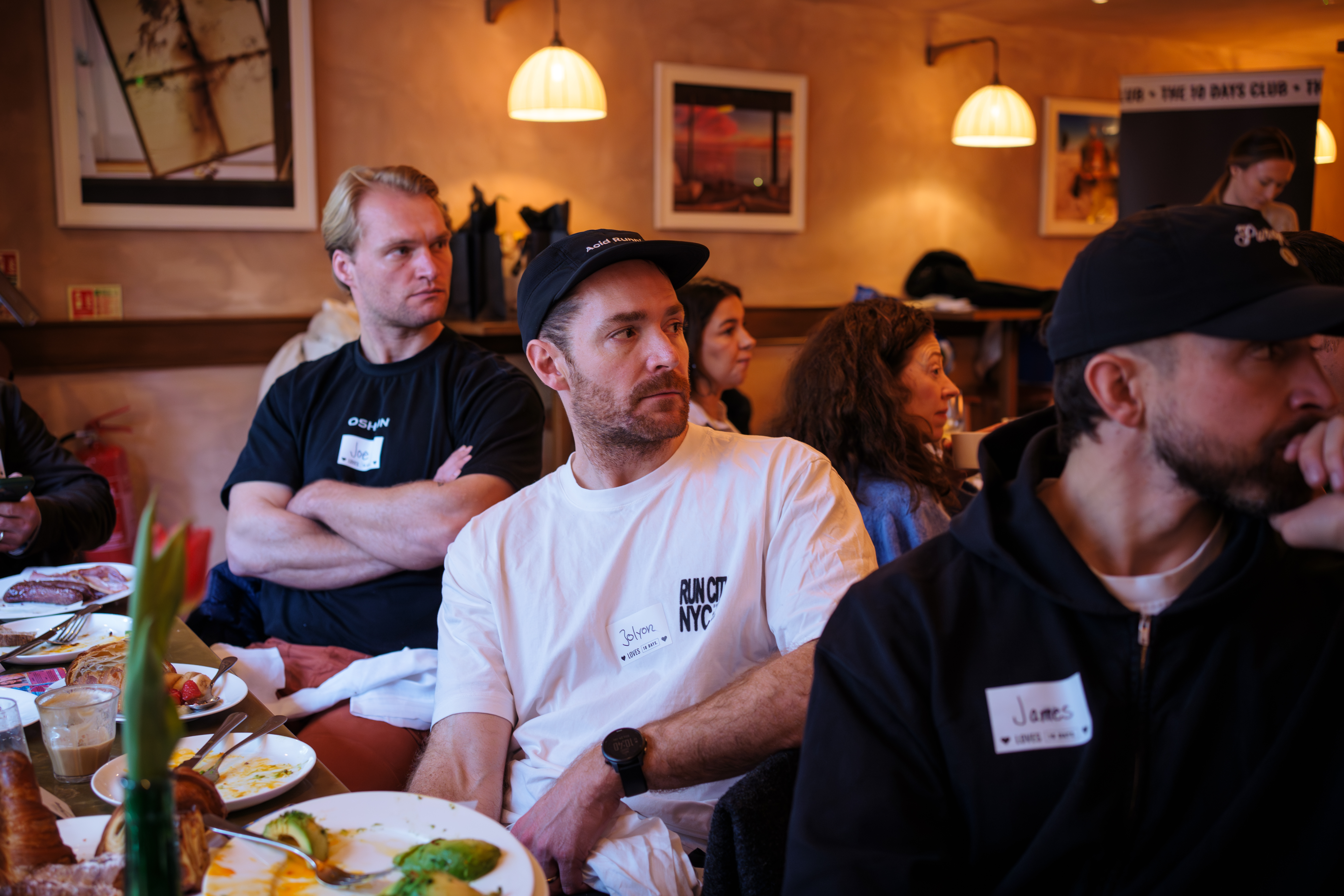
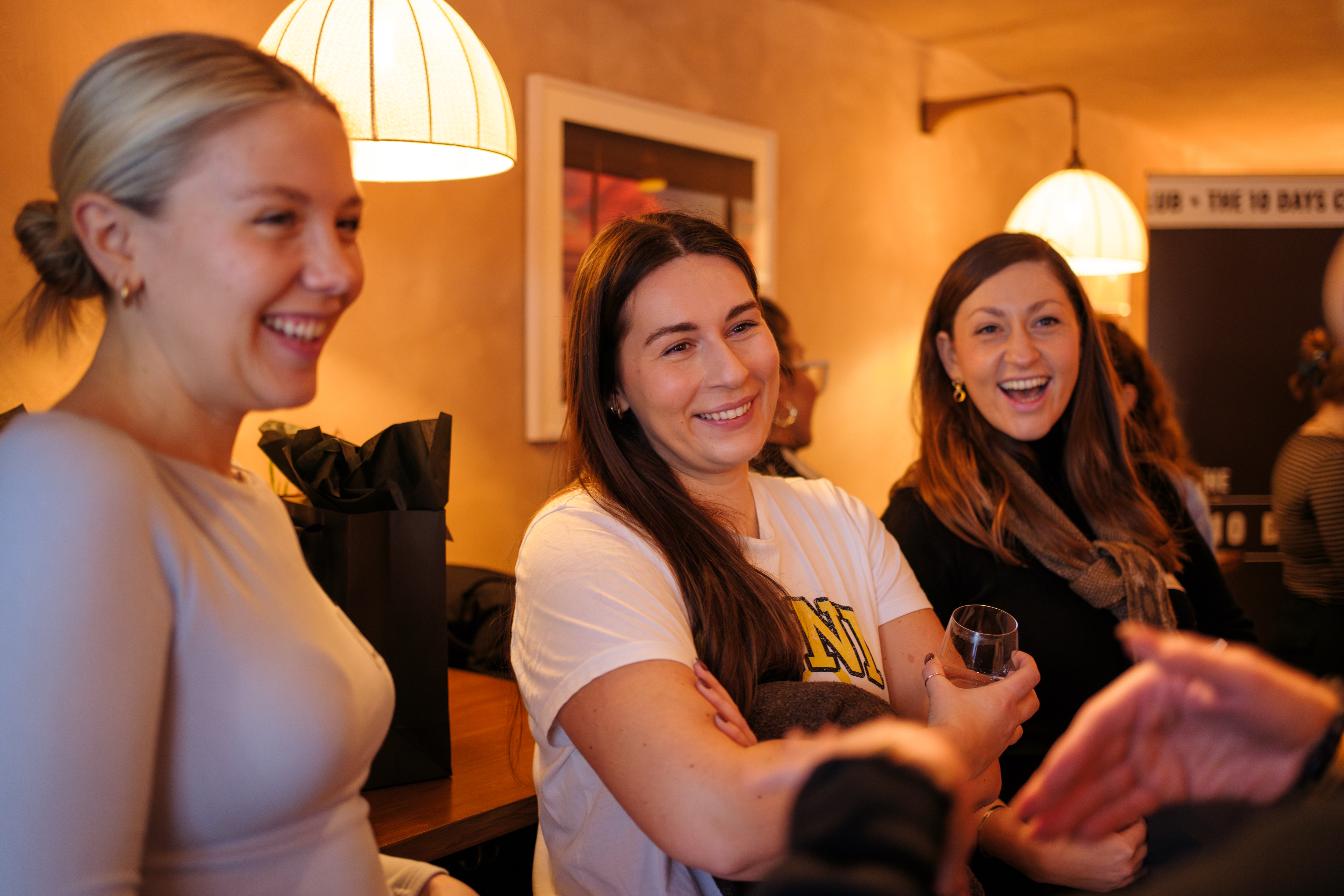
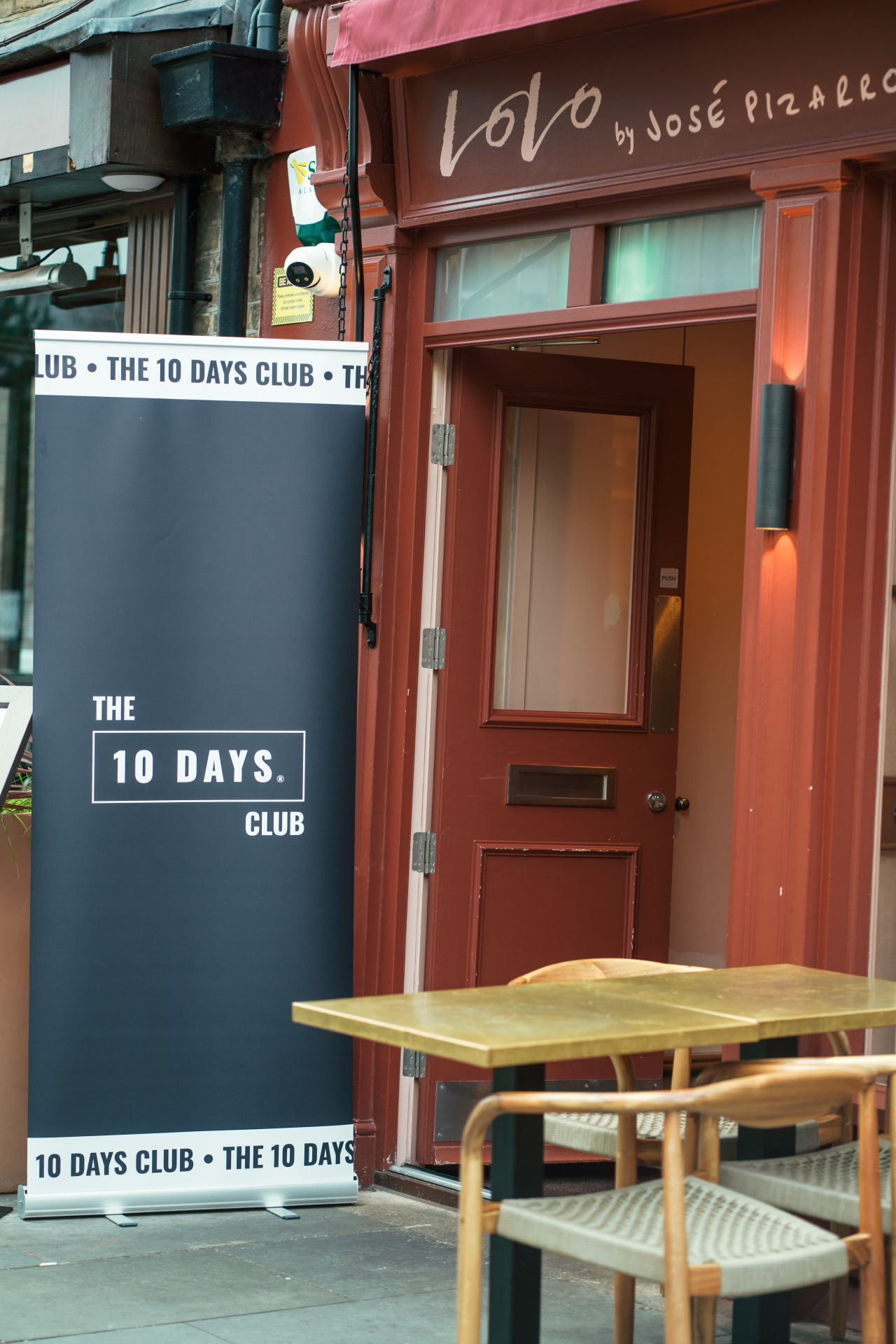
On Thursday, the first 10 Days London Breakfast Club of the year convened in London, bringing together brand, fitness and cultural voices to interrogate where wellness culture is heading.
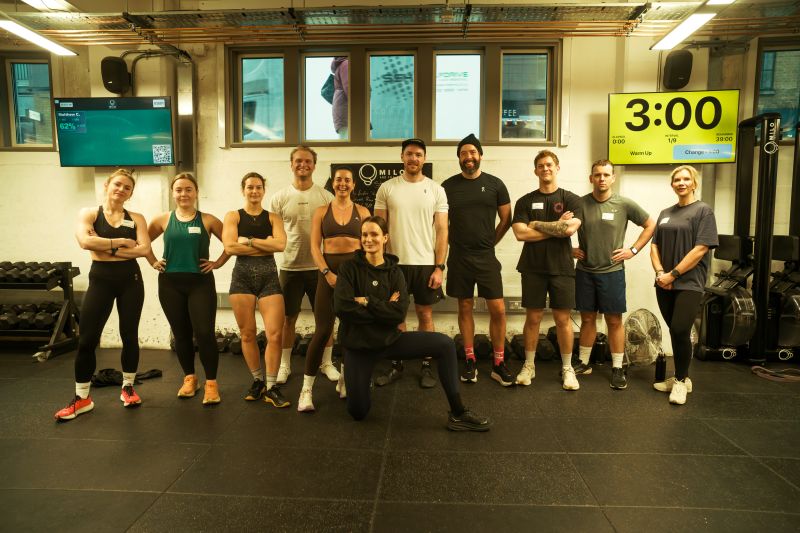
The morning opened with a strength session at Milo and the Bull, led by CMO Julia Shillcock, offering some physical grounding before the conversation began. From there, guests moved to breakfast and discussion with two brand leaders shaping a more culturally fluent approach to wellness: Bridget Hirst, head of brand at DASH Water, and Angie Turner, head of marketing at ÜFIT.
New Year, new approach to wellness
January has long functioned as wellness culture’s pressure point. New routines, new rules and the familiar promise that transformation requires discomfort. But the conversation quickly surfaced a growing tension in the category.
At one extreme, wellness has become hyper-optimised: weight-loss injections, data-driven bodies and rigid control. At the other, a rising resistance to performative self-improvement, from 75 Hard challenges to punitive routines framed as moral virtue. Either way, people are done being managed.
What’s replacing that model isn’t indifference, but agency. Wellness is shifting from overhaul to adjustment, from rules to choices. Progress is becoming quieter, more personal and more forgiving.
For DASH, this means rejecting abstinence as a prerequisite for improvement. A single swap on a work night out can be enough. The result is incremental, but the psychological shift is significant.
This matters particularly for gen z and gen alpha audiences, who are highly resistant to moralising language. 'You should' narratives are quickly rejected. Choice, playfulness and self-direction are not.
Drop a DASH for the Cleanest Dirty Martini
DASH’s Cleanest Dirty Martini activation became a focal point of the discussion. Rather than running a conventional FMCG campaign, the brand treated it like a cultural drop. As Bridget Hirst explained, the activation amplified its clean-label credentials, then leaned into cocktail culture instead of running away from it. Cultural relevance was driven through design, collaboration and limited-edition drop mechanics.
Results were delivered in nine minutes. The kit sold out, and the campaign unlocked coverage in new editorial spaces and outperformed previous influencer engagement benchmarks. Goes to show that when wellness brands prioritise enjoyment and cultural credibility, audiences respond. When they lean on restriction, they disengage.

Dismantling 'elite wellness'
Angie Turner then shared how ÜFIT has taken on fitness culture more directly. Its recent Not for the Elite campaign deliberately rejected the tropes of traditional protein marketing. No hyper-sculpted bodies. No aggressive benefit claims. No pseudo-scientific positioning.
Instead, the brand embraced relatability, humour and honesty. Protein was reframed not as a badge of elite performance, but as something accessible and useful for real people. The straight-talking campaign demonstrated how, when brands over-idealise outcomes, they implicitly tell most consumers that wellness is not for them. And that is where participation collapses.
Wellness as a cultural system
Across both brands, three clear signals emerged about where wellness culture is heading.
Connection now outweighs instruction
People are not seeking more benefits. They are seeking recognition and relevance.
Lifestyle codes are outperforming category codes
Brands borrowing from fashion, art and culture are moving faster than those trapped in functional messaging.
Progress has replaced perfection
Small, achievable shifts are proving more culturally and commercially effective than extreme promises.
A final note of insight came during a discussion about reactions to brave creative work. Whether everyone agrees with it is almost beside the point. If people are debating it, sharing it and remembering it, attention has already been won in a crowded, sceptical market.
What this means for brands
Wellness is no longer a category to be entered. It is a lens shaping how people eat, drink, move and socialise. Brands that continue to preach discipline or intimidate through perfection will feel increasingly out of step. Brands that make wellness feel human, flexible and enjoyable are setting the pace.
January doesn’t need another reset. It needs better options. And as this conversation made clear, the brands embracing that reality are already pulling ahead.


