Motherland in Adland: Intuition – A Way Forward


Motherhood in advertising has long been an unspoken challenge – a career-defining crossroads where ambition is too often questioned, and support systems fall short. And while the industry has made progress in acknowledging the realities of working parents, tangible change is still slow, leaving many mothers to navigate the journey alone.
In this instalment of Motherland in Adland – the series founded by NERD’s Milana Karaica in partnership with LBB – we hear from Victoria Azarian, fractional chief creative officer and brand strategy partner.
Victoria reflects on a career guided by instinct, curiosity and creative courage. From leading award-winning AI work to challenging outdated norms around motherhood and adoption, she shares how intuition shaped her most meaningful choices. Her story is a reminder that redefining success on your own terms isn’t naïve – it’s powerful. Especially when it makes space for presence, care and long-lasting impact.
–
I never had a plan.
No five-year plan.
No 10-year vision.
No carefully plotted ladder for my career or my life.
Maybe that sounds naïve. For a long time, I worried that it was. Everyone else seemed to know exactly where they were going. Married by 30, kids by 32, executive creative director in six years. That wasn’t me.
What I had instead was a sensitivity to feeling. I knew when something felt right and when it didn’t. I followed the work that energised me, the rooms where I felt most alive, and the people I admired and who admired me, not just for their creative output, but for shared values. They weren’t just coworkers. They were supporters. Friends. Allies.
“I followed the work that energised me, the rooms where I felt most alive”
Over time, I learned to recognise the difference between those who were truly in my corner and those who were simply benefiting from my effort. I was deeply trusting early on, and that trust was sometimes misplaced. But those moments became my greatest teachers. They sharpened my intuition and taught me to listen more closely to my instincts. Learning to trust my gut became my greatest strength.
Early in my career as a young creative director, success was conventional: big account, bigger title, a seat on a Cannes Lions jury, more money. I was one of only a few women creative leaders on the biggest account at the agency, surrounded mostly by men. It felt lonely, outside the boys’ club. Sometimes the doubt was loud and direct. “Women suck at design”. Other times it was quieter, framed as a “just checking in,” as if to measure my effort rather than support it. Yet, there was one leader who truly saw me. He took me under his wing, offered guidance when I needed it most, and spoke up for me in rooms I wasn’t in. I’m forever grateful to Lou for that support.
Either way, belief from others or even from myself wasn’t always there. Perhaps because I didn’t fully trust myself yet, and they sensed it. I learned to push anyway, stepping forward before I felt ready, trusting that confidence would follow action.
“I learned to push anyway, stepping forward before I felt ready, trusting that confidence would follow action.”
When the best briefs didn’t land on my desk, I took the ones others passed on. When my ideas were ignored, I made a point of getting them seen. I found my voice and with it, made both the work and me harder to overlook. I was once told by the CEO of a big agency, in a global leadership meeting, that I asked too many questions. It was embarrassing, and I felt small, but I didn’t let it show. I understand now that those questions were how I learned, challenged assumptions, and ultimately became the leader I am today.
When I led teams, I didn’t dictate. I didn’t judge. I guided. I coached what I learned to share knowledge. I gave people space to explore and grow on their own, leading with kindness. Together, we did work that was brave, thoughtful, and meaningful.
I experimented early with AI for a tech brand before it was familiar or safe. A thinking dress that went on to win multiple awards and is now on permanent display at The Henry Ford Museum of Innovation. That led to bigger questions of how to scale an idea. As a systems thinker, I helped create a living, AI-driven sculpture at Mobile World Congress imagined as the final chapter of Gaudí’s Sagrada Familia, developed alongside historians and architects devoted to preserving its legacy. That thinking evolved into a cognitive dance party that raised an AI-powered sun at dawn, responding to the movement of the crowd.
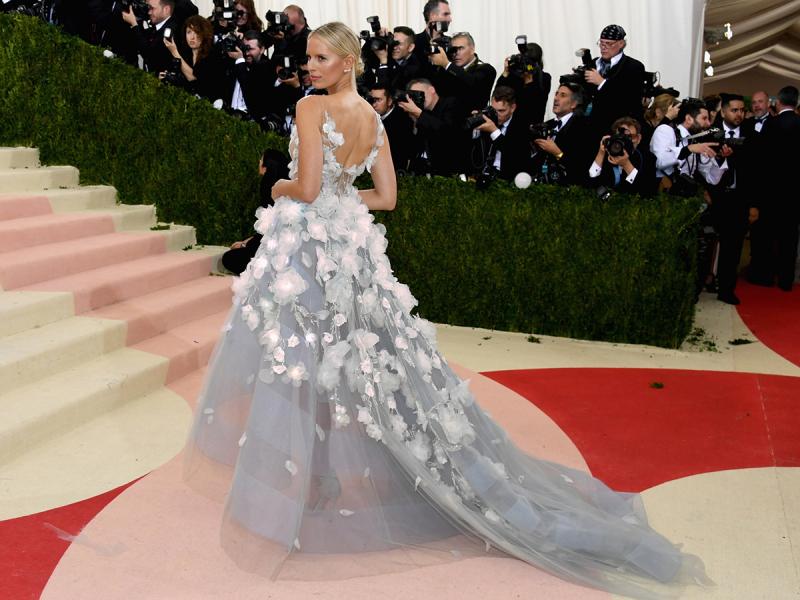
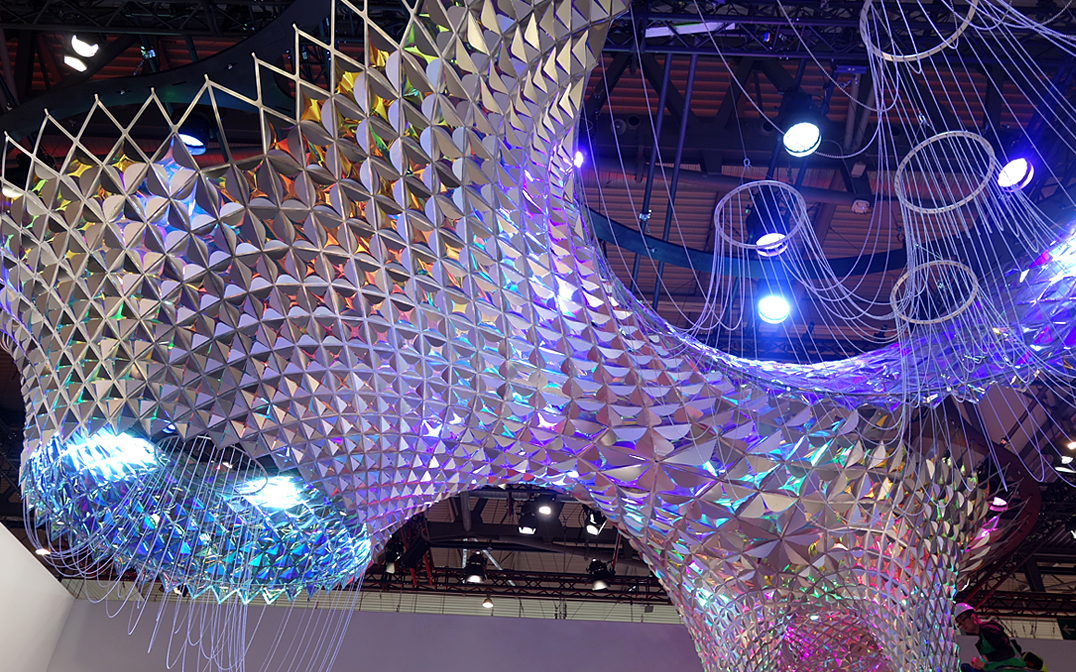
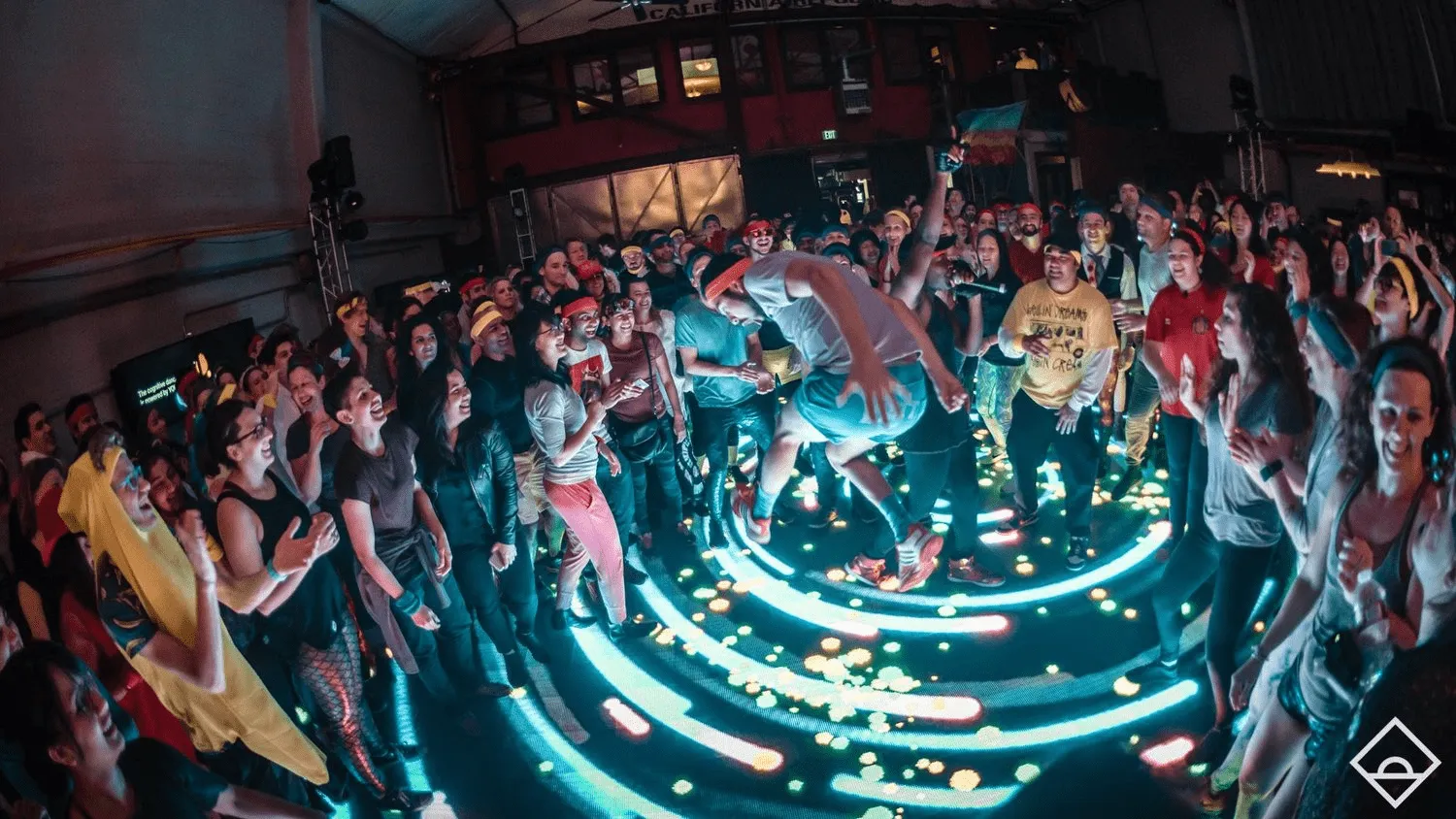
Each experience was different, but together they taught me something essential: how to translate complex technology into something people could feel, participate in, and remember. I wasn’t chasing awards or trends. I was following curiosity and in doing so, I created some of the work I’m still most proud of.
Through all this, my then husband and I adopted a baby from Armenia, the home of my ancestors.
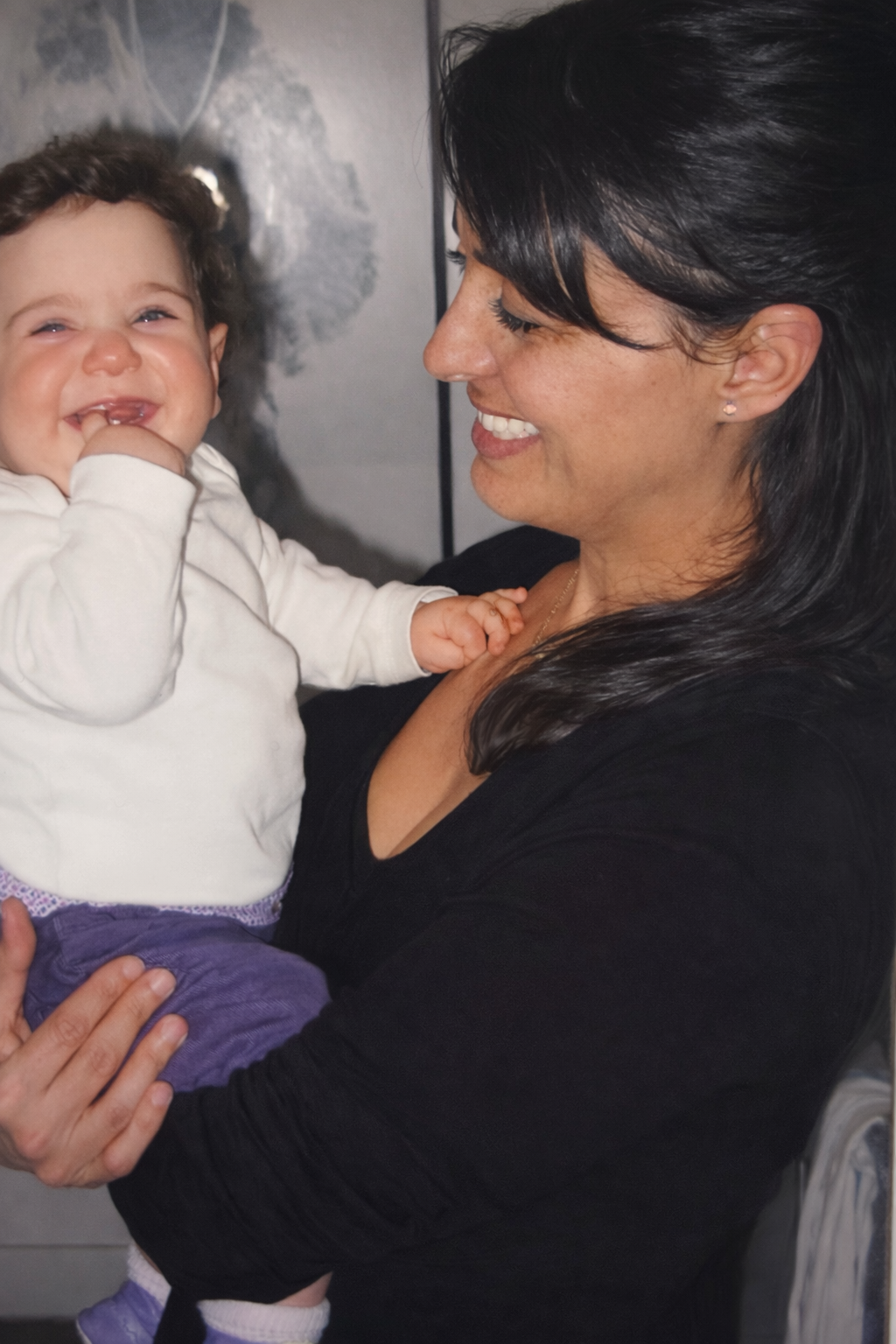
I didn’t have a strategy for how motherhood would fit into my career. I just knew I wasn’t willing to disappear. At that time, many women were encouraged to “just take a break.” I didn’t have that option. There was no adoption policy. No paid time off because I hadn’t physically given birth. No health insurance for my family. I was terrified.
Once again, I let my intuition lead.
Everything about that moment required trust. Trust in myself, trust in my voice, trust that doing the right thing would matter even if it wasn’t easy. HR offered no solutions. Either take unpaid leave or quit was the advice. They assumed I wouldn’t return.
That was when I understood something clearly for the first time:
intuition wasn’t just how I made decisions.
It was my way forward.
My intuition told me this wasn’t fair and that staying silent would only reinforce it. When I finally spoke up, voice shaking and palms sweating, my creative leader, Andy, responded in a way I hadn’t expected. He didn’t just help me in that moment; he changed the policy to include all adopted children, setting a precedent for those who came after. It was bold and kind and I am forever grateful to him for this. It reminded me that progress often begins by listening inward and that speaking up can create change far beyond yourself.
After I returned to work a few years later, life shifted again.
Divorce. Single motherhood.
No shared logistics or emotional load. Just me and an extraordinary nanny who became a second mother to my daughter. Together, we found a rhythm. It wasn’t perfect but what part of motherhood is?
There were nights I brought my daughter into late edits and weekend sessions. She sat under my desk with a blanket, a bag of Polly Pockets, sometimes watching ‘Little Bear’ on her iPad. She was quiet. She was safe. She was with me.
Someone reported me to HR.
I kept doing it anyway.
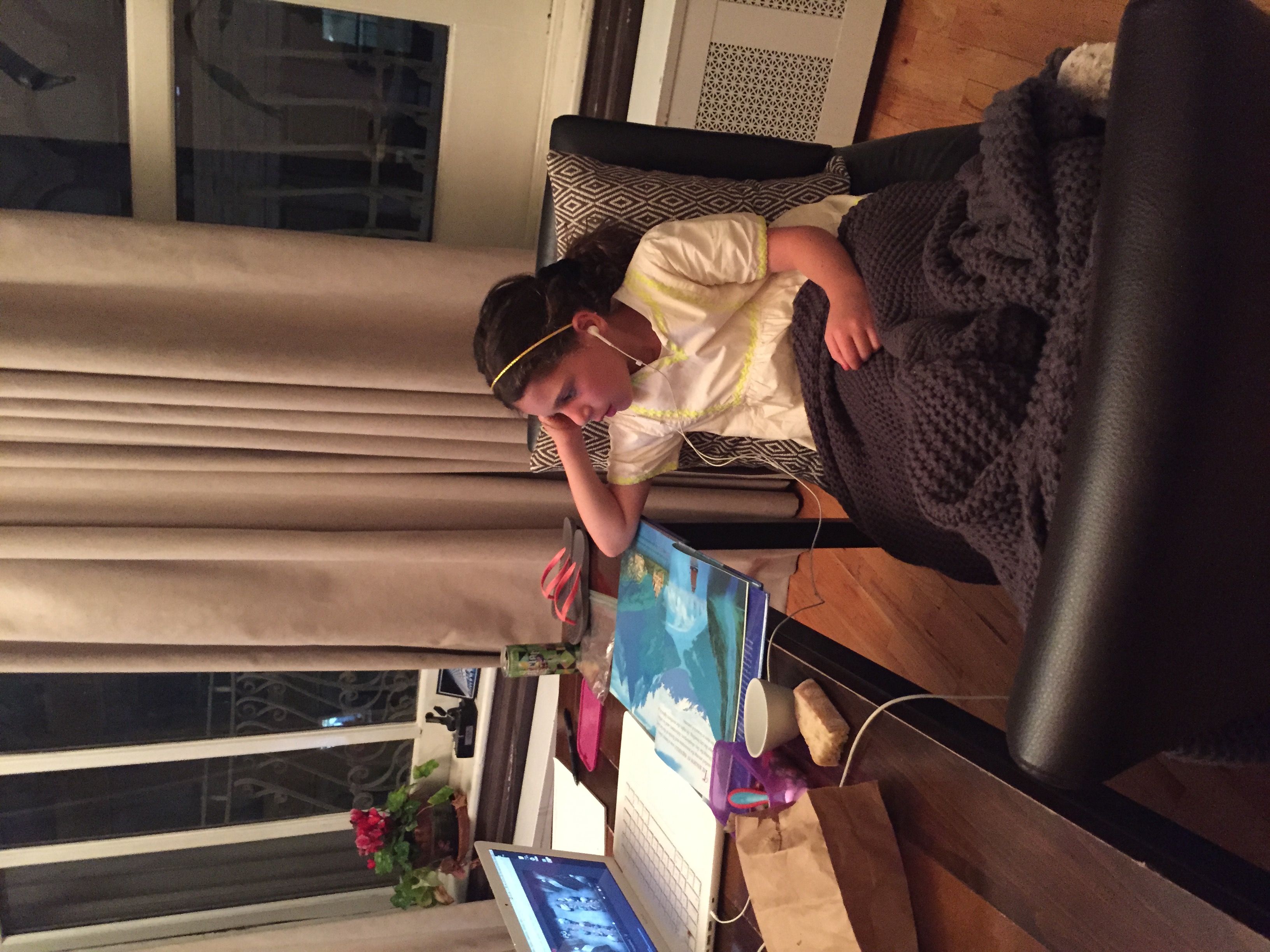
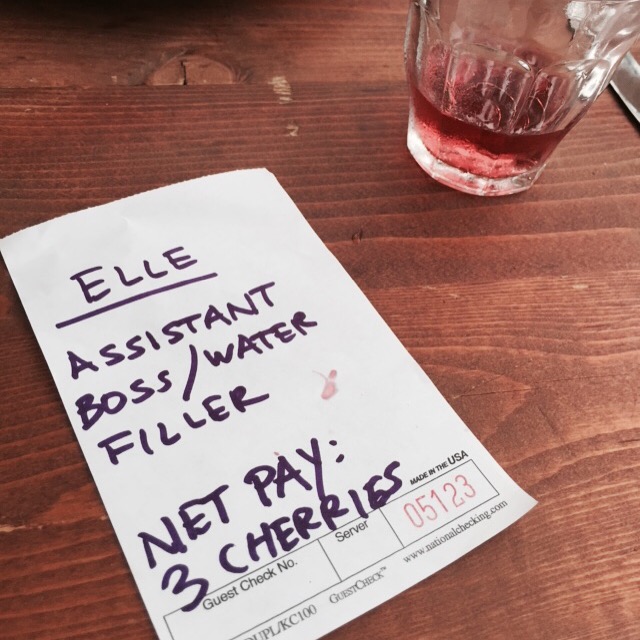
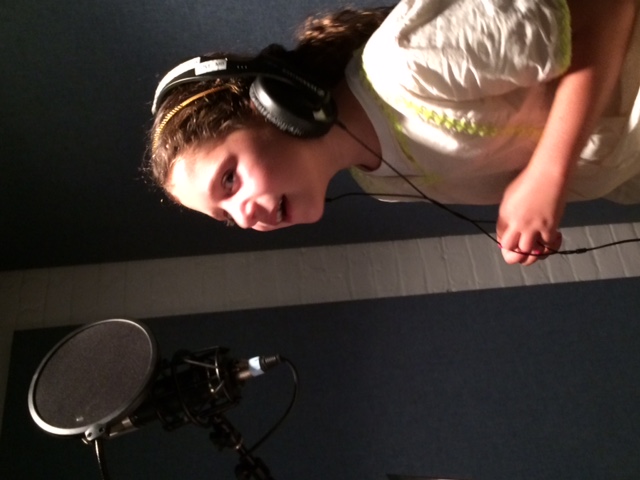
Children don’t learn resilience from perfection. They learn it from presence. My daughter saw what I did. She understood the responsibility of being there. She listened to conversations and debates she didn’t fully understand at the time, but they stayed with her. Those moments informed how she thinks, how she listens, and who she is today.
Around that same time, I raised my hand for a newly acquired brand no one else wanted. Period products. An Incontinence brand. What I used to shorthand as “everything below the belt.” I worried it might derail my career. Instead of avoiding discomfort, I chose to face it, and built a team that felt the same, bringing deeply stigmatized categories into the open with honesty, empathy, and boldness.
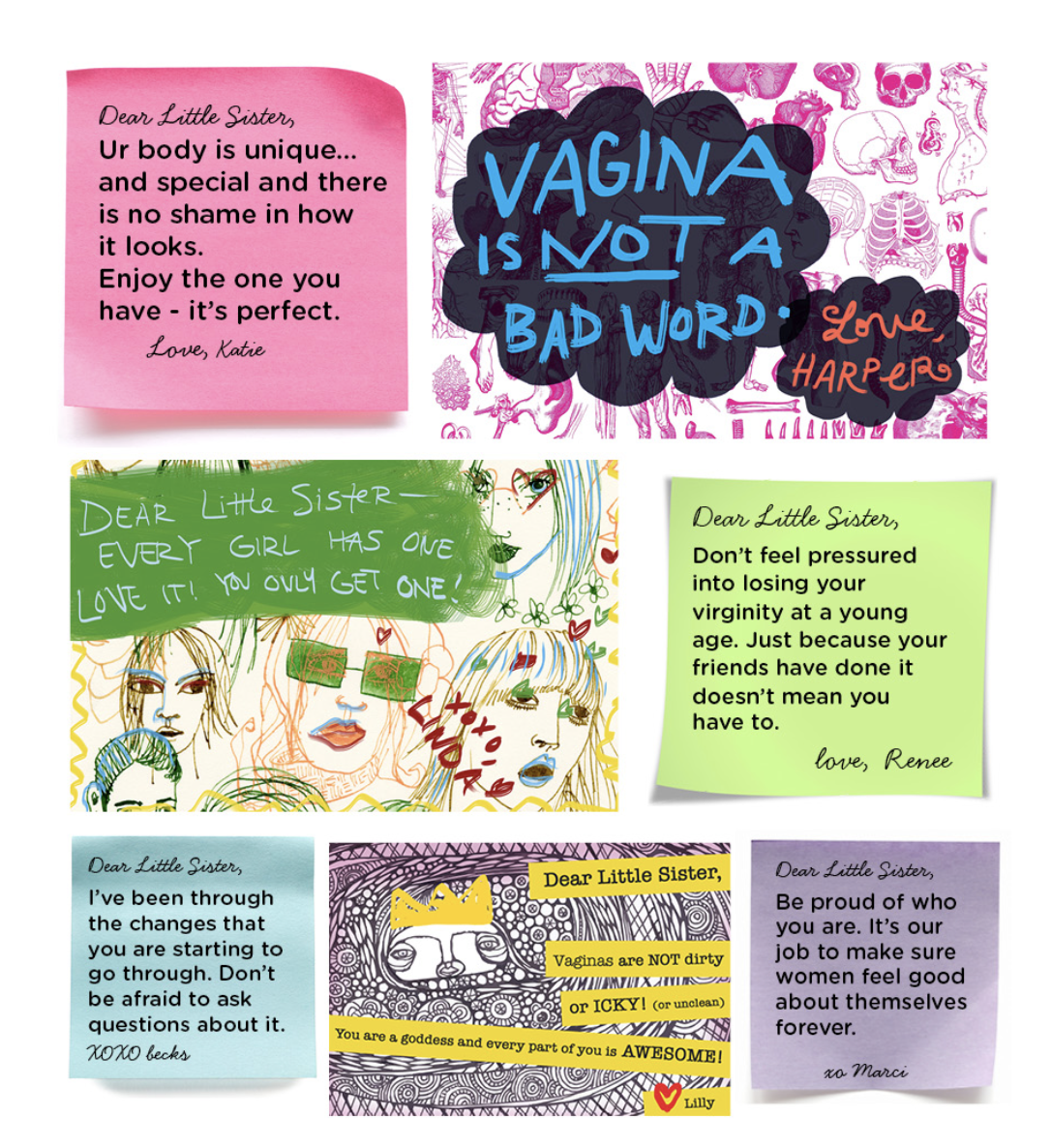
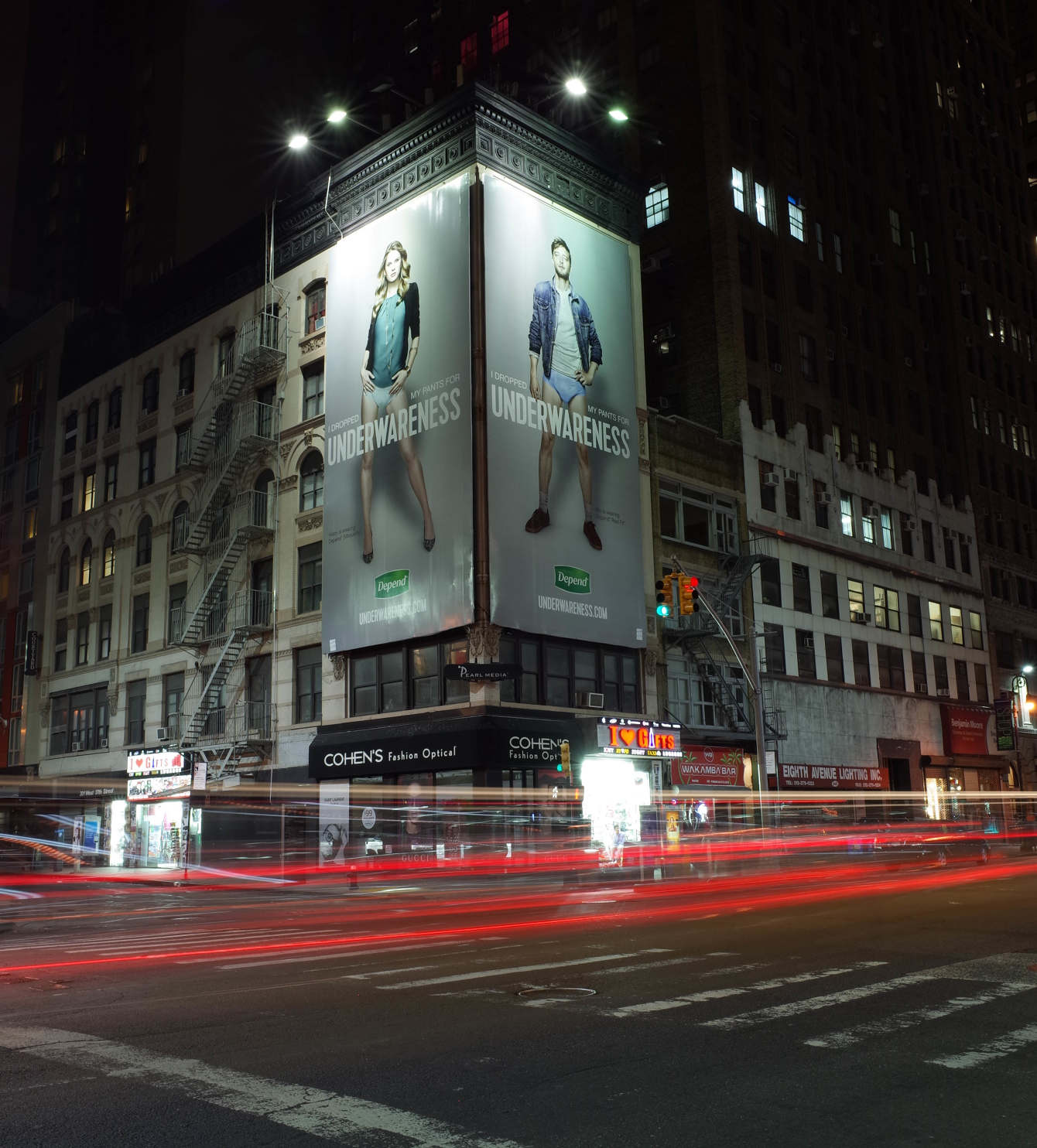
I brought my daughter into that mission with me. She stood beside us as we spoke openly about bodies and cycles, about something half the world experiences and too often learns to hide. There was pride in that moment. And a quiet sense of rightness.Years later, that work still echoes through the industry. It challenged norms and made people uncomfortable in the ways that matter.
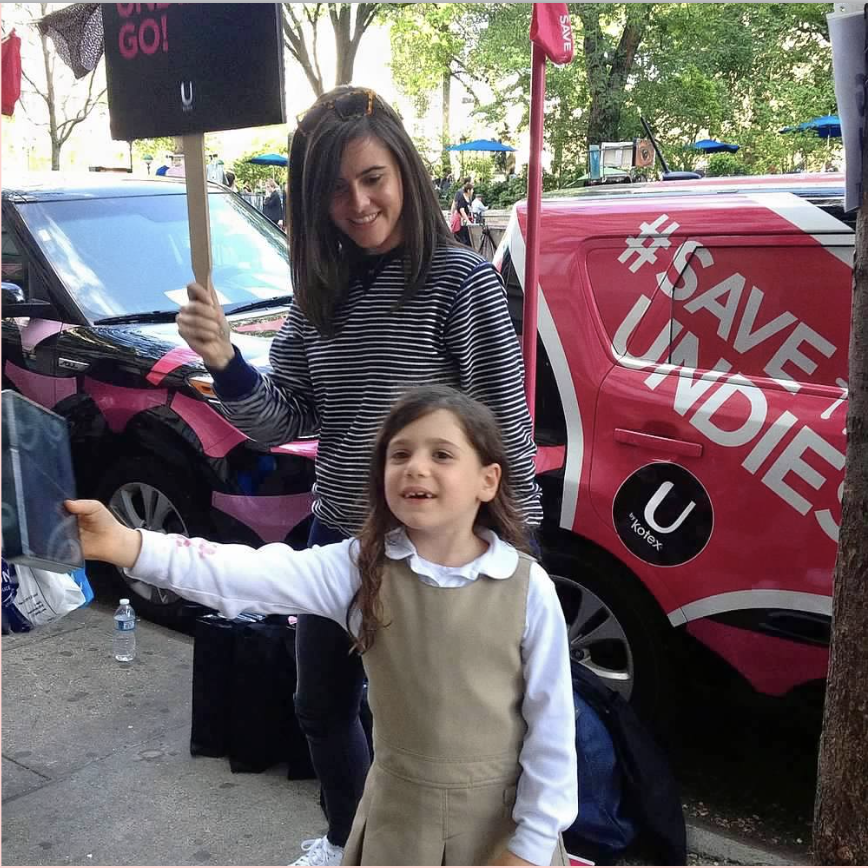
In parallel, I kept growing too. Intuitively, I knew that chapter was complete not because something was broken, but because something else was calling.
After 15 years at the same agency, that calling led me into experiential work as a chief creative officer. Live experiences. Super Bowl moments. Music. Immersive brand worlds. I moved into a sunlit office in Tribeca and thought, I made it. It felt like a scene from ‘Working Girl’.
“I moved into a sunlit office, I made it. It felt like a scene from ‘Working Girl’. Two months later, the world shut down.”
Two months later, the world shut down. It was February 2020. Covid hit
Live experiences disappeared overnight. We pivoted to digital, rebuilding in real time and learning faster than ever. It was devastating and transformative.
By the end of 2021, the holding company decided live experiences were no longer essential. And set to dissolve the experiential company. I had to carry out massive layoffs for people I had never even met. The energy shifted. I felt horrible. I was offered a role at another of their agencies, but my gut told me it wasn’t right. While safe and familiar, it was misaligned.
Then, exactly at this time, a call came from a colleague from years ago.
“I need you. You’re the only one who can do this.”
It wasn’t about rescuing something broken or stepping into familiarity. It was an invitation to build, this time from the inside. To move in-house to expand an in-house agency. I felt excited because it was unknown. It gave me the chance to bring everything I’d learned about creativity, leadership, and integration into a place where I could be involved early in shaping the product itself, not just the marketing output. It was like a billion-dollar startup, fast-moving, ambitious, and new territory for me that made it both daunting and energizing.
When I stepped into the role of head of creative at an in-house agency, I arrived confident and was quickly humbled. I didn’t know what I didn’t know and the best advice came from one of the marketing leads Kait, “Listen to learn not to solve the problem alone”. I took it to heart, because it was the opposite of the agency world I’d come from where we were hired to solve the marketing brief immediately.
Creativity expanded again. I learned how to create demand for something that didn’t yet exist, how to build social currency before launch, and how to sell products out in weeks. For the first time, I felt a different kind of pride, standing in Target, seeing something tangible on the shelf, knowing it existed because of decisions we made early and with care of the consumer.
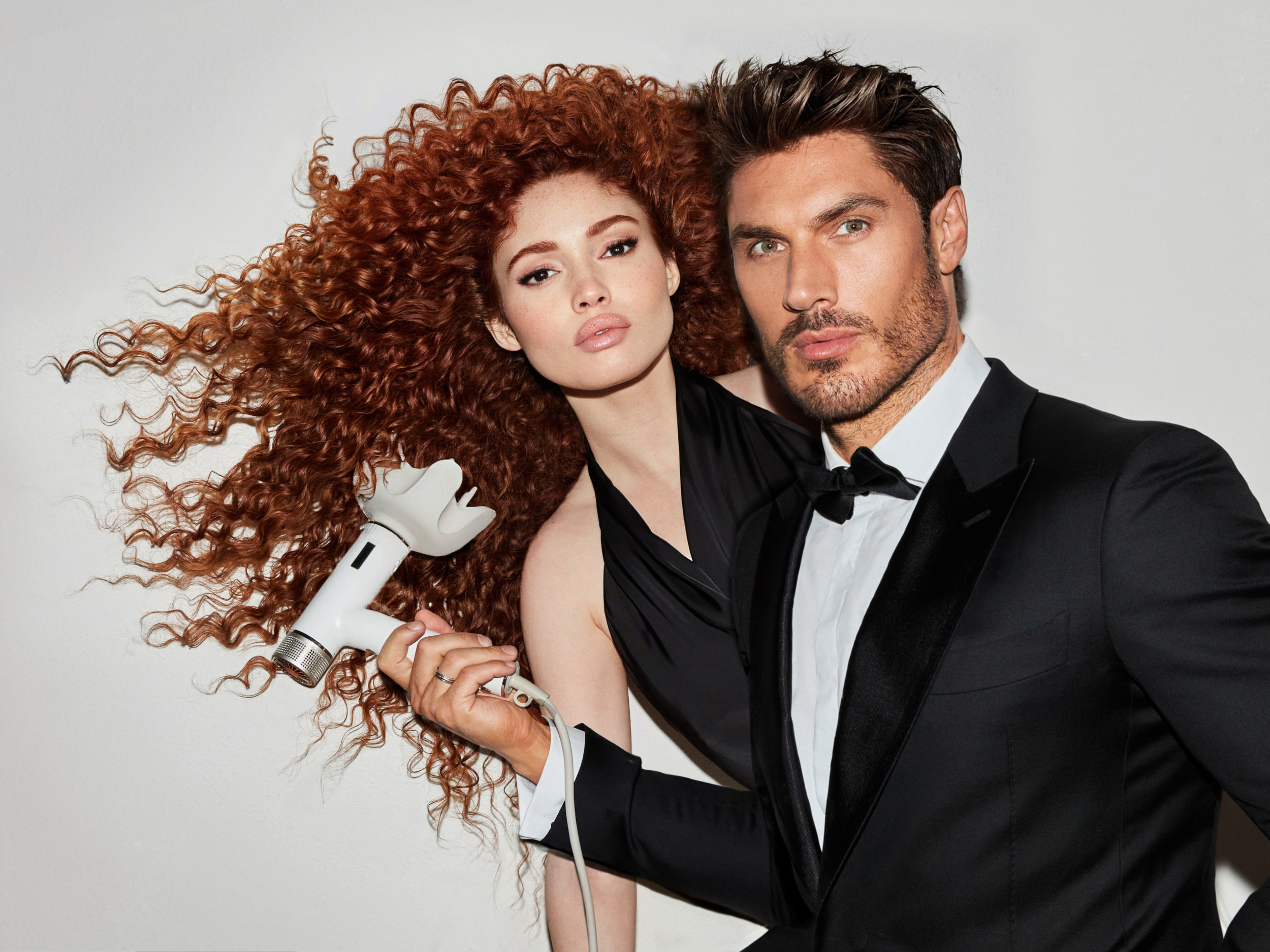
Photo credit: Greg Swales
And then came a harder truth. The role soon required super-commuting between New York and Boston three-four days a week. At that moment in my life, when my daughter needed steadiness more, I knew it wasn’t sustainable. Letting go wasn’t easy. There are still moments I wonder if it was the right choice. But at the time it was.
Some people choose to stay in one type of place and hone one craft. I respect that deeply.
I’ve always preferred to explore.
Joan Didion once wrote, “I’ve already lost touch with a couple of people I used to be.”
I understand that now.
“I’ve already lost touch with a couple of people I used to be.” — Joan Didion
Today, I work directly with brands as a Fractional Chief Creative and Brand strategy Partner. I build creative strategy through execution, partnering with CMOs, marketing leads and teams to create work that works.
So how do I measure success?
Not by titles.
Not by popularity or awards.
Not even by money, although money doesn’t hurt.
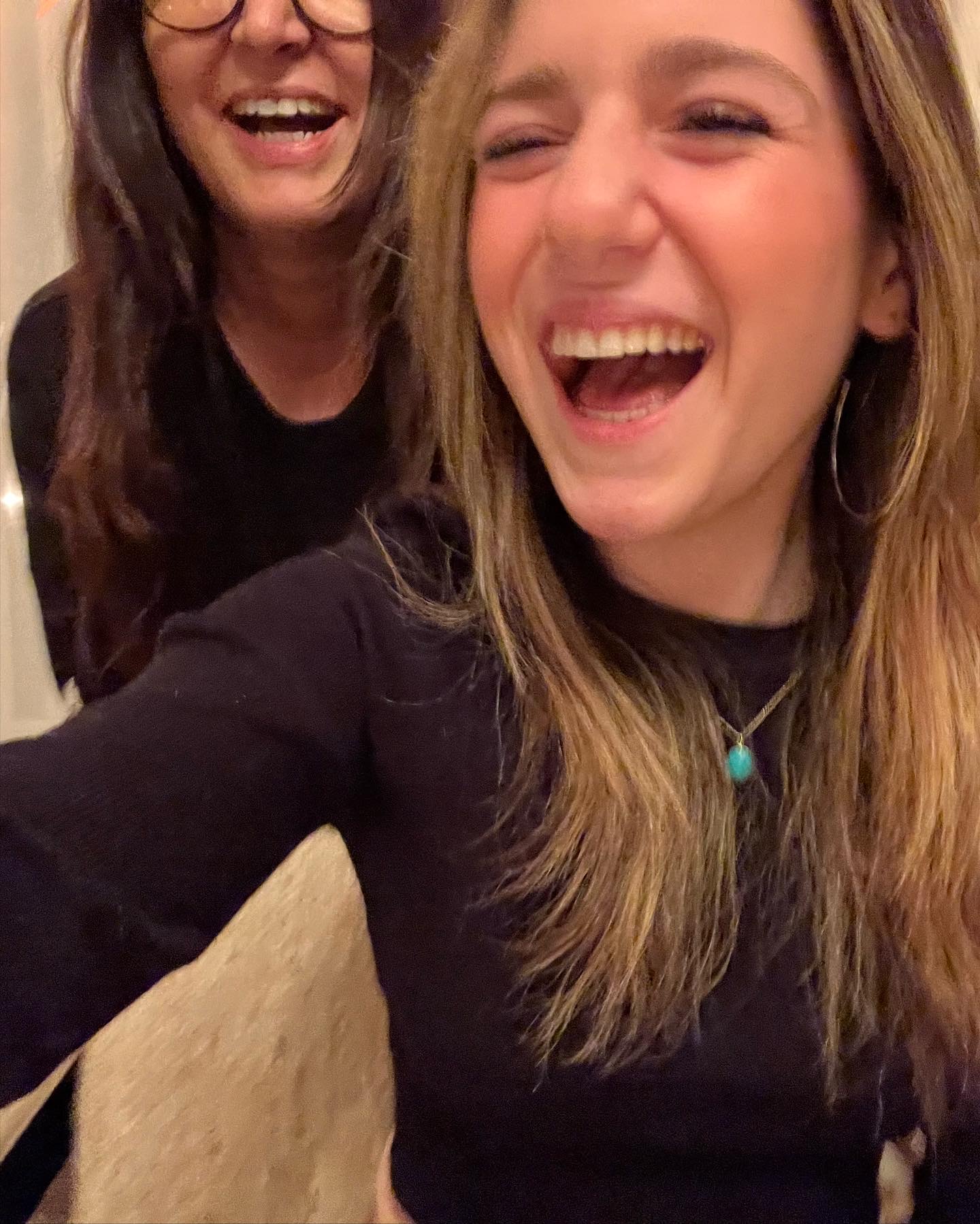
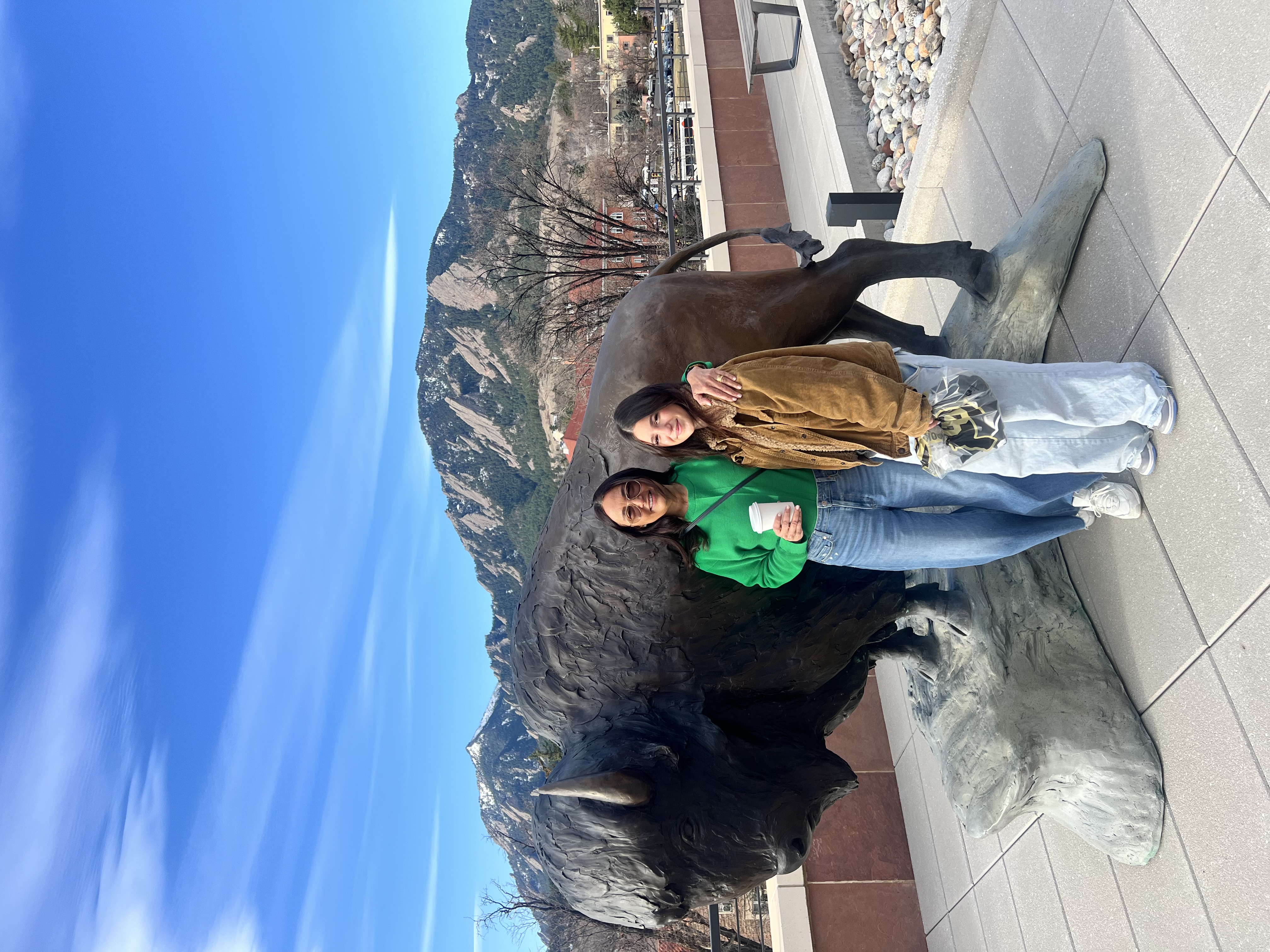
Success, for me, has always been doing what feels right. Now that my daughter is in college, I have more freedom and deep gratitude for how far we’ve come. When you lead with integrity and choose care over fear, goodness follows. Opportunities follow, sometimes slowly, sometimes in unexpected forms. And once I learned to trust my intuition fully, it became my clearest way forward.
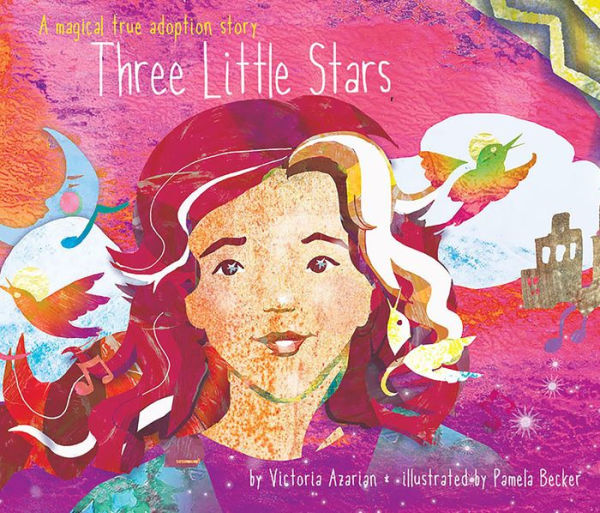
For a story about my adoption journey ‘Three Little Stars’ Available on Amazon.