


Global CCO, Director, TikTok Expert Walk Onto a Panel, Ask Brands to Be Funny


Brands should use the AI boom to embrace humour -- even if it feels strange or scary -- because humans enjoy weird things, according to a global CCO, director, and ex-TikTok exec.
There is “fear around comedy,” said Nick Kelly, a director and the founder of production company MOFA, that doesn’t make sense.
“So often, I've had the feedback over the years of 'That's too quirky' or 'That's a bit scary'. And I've always been a little bit confused by that, because I feel like when I watch what people actually watch, it's way weirder than anything we make. Like people watch ‘South Park’.
“I've never really understood this fear of quirkiness when it's such a part of life.”
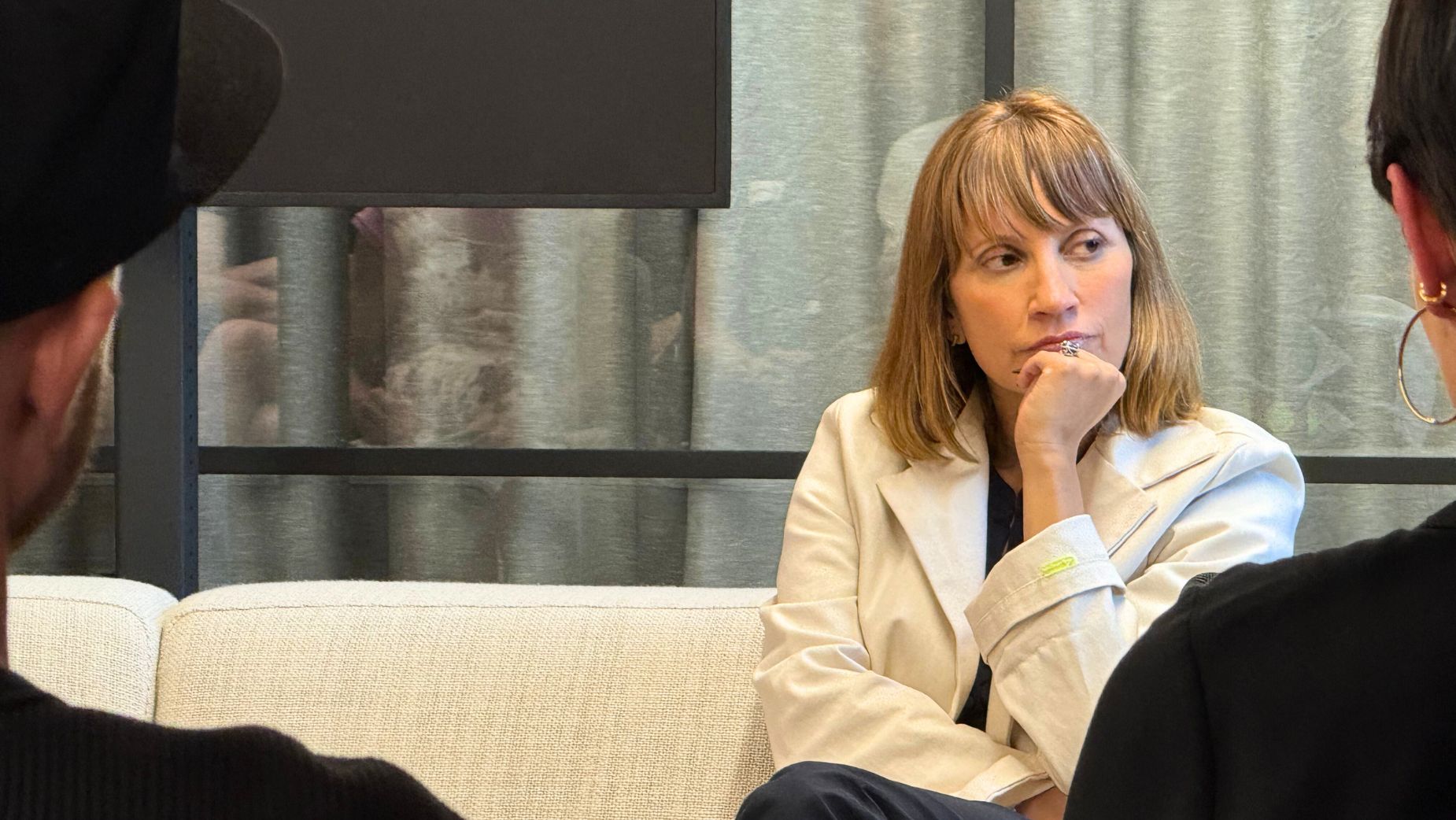
On a panel held at R/GA’s Sydney offices on Thursday night, global chair and chief creative officer Tiffany Rolfe argued brands can show up with different personalities across channels; Nick said he considers AI a “race to the top;” and the former head of TikTok’s AUNZ creative department, Anthony Dever, encouraged brands to use social platforms to test “new material.”
Humour has always allowed brands to feel “more living and natural,” Tiffany said. “When things are too rigid, too formal, not fun, it doesn't feel as human and real.
“It's one of the true last enigmas of the world. It's such a mix of context, culture, age, time, moment, something shared. It constantly changes. And it's the one thing AI can't keep up with, because it's just so insane, how crazily different and unexpected things that are funny can be.”
Anthony, who recently resigned from TikTok after spending four years running its creative team in the region, said the pace of AI’s improvement has made people forget just how new it is. “We're just so early. Because it's happened so rapidly, and it's got so good so quickly, we think we should have it mastered.”
Instead, the panel argued brands can take advantage of the inherent funniness of AI; Tiffany cited an example of a piece of R/GA work in which a generative tool found it impossible to correctly depict a hand unzipping a tent.
Nick said such examples prove how AI forces clients to sacrifice some control, which is helpful. It could counter the trend towards significant storyboarding, analysis, testing, and measurement. With AI, “you have to leave about 30% open and set that expectation with your clients,” Nick said. “To a degree, we don't know what it's going to give us, and there has to be some room to move within the parameters. So these two things are pushing against each other, but I think it's really healthy.”
He could feel threatened about AI threatening live action, but “my more optimistic take on it is if we have these discussions around the fact that we don't exactly know where this may go, and you need to be a little bit open, I hope there's a little bit of reflexivity with that back on live action work.
“And so if it creates an environment where we all just understand the chaos of comedy a little bit more, I think it could help going back the other way to the more traditional processes.”
In that way, AI could be a “race to the top”. Nick continued, “I've heard people cynically saying with AI, it's just a race to the bottom.
“It's a race to the top. Whoever's still working in traditional media has to really get to the top of their game, and it has to really show its worth and show how good it can be. What suffers is the middle.”
As they experiment with new tools, brands can also play with tone of voice and brand personality, Tiffany said. “Brands need to flex a bit more … we've been too rigid in terms of how we define what we are as a brand and our tone. Part of it is allowing some looseness and flexibility. You can still be serious at times when you need to, but you can also be funny in your own way, and show up on this platform with a little bit more humour that makes sense for the audience that you're with.”
TikTok, for instance, can be used as a testing ground for “new material”. If an idea flops, it can be ditched without many people seeing it. “No one will know you failed. The first 500 people said they didn't like it, so we didn't continue showing it to people,” Anthony said.
“TikTok is an interest-based algorithm, not a social based algorithm, meaning that every video is treated on its own. So it doesn't matter how many followers you've got to the account, if people watch it through, engage with it, we will continue to show it to audiences.”
Asked by LBB whether certain categories are harder to find humour in, moderator and stand-up comedian Bec Charlwood said the key is “if you are going to try and make something funny, think about who you're trying to make laugh, and go run it by them.
“That is always going to be the fastest way to find out if it's actually good. Really think about who you're trying to make laugh.”


