


Two Ad Creatives Built a Museum That Gives Women’s Sneaker Stories Their Space


Director/Photographer: Blaise Cepis
Julia Neumann and Ashley Veltre “had no business” making a museum, but in spite of everything, they did exactly that.
The chief creative officer of Le Truc and creative director at Mischief, respectively, recently welcomed the grand opening of a unique side hustle, the Museum in Spite of Everything: a curated space that reframed sneaker culture through the lens of women who have pioneered the category and beyond.
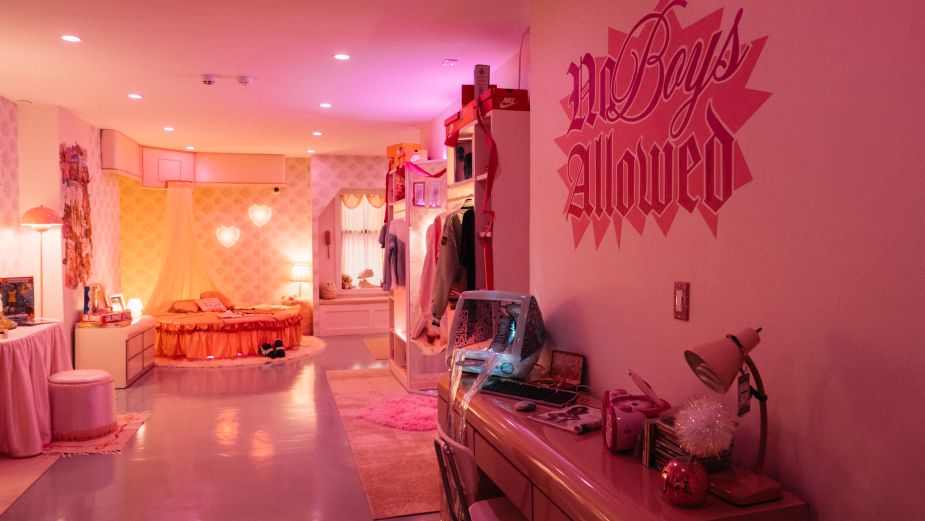
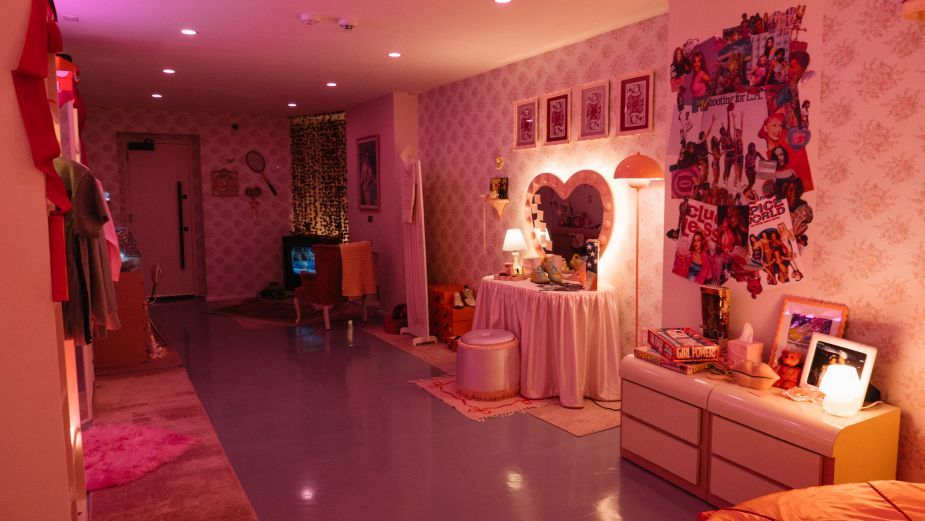
The debut exhibit, No Boys Allowed, is a shoebox-size gallery in Brooklyn, NY that reimagines a girl’s bedroom as an immersive storytelling space. Drawing more than 200 visitors across opening weekend, guests traced the often-erased milestones of women in sneaker history, from Billie Jean King’s 1974 BJKs, to Sheryl Swoopes’ Air Swoopes, to Serena Williams’s Queen of Hearts Dunks and Vashtie Kola’s Jordan 2s. Each vignette showcased how women haven’t just joined sneaker culture, they’ve been shaping it all along.
“We’re not curators, not archivists, not historians,” says Julia, speaking with LBB. And that’s exactly why they did it – Julia and Ashley wanted a space where they could tell stories the way they saw fit, without asking permission. “In today’s world,” adds Julia, “media and brands control the narrative. But the most interesting narratives in culture are the ones that are untold, overlooked, or never given space in the first place. Those stories can’t be controlled – but they can certainly be curated. So we created a space to do exactly that.”
The name, In Spite of Everything, speaks to how women have always had to move through culture – pushing forward when odds weren’t in their favour. “In sneakers, it meant playing in shoes that didn’t come in your size, waiting decades for a signature line, or fighting for sponsorships that never came,” says Julia. “And still, women showed up, designed, played, and left a mark.”
And then, of course, there’s the spite. “Spite is underrated,” she adds. “It's rocket fuel. When you’re told no, or worse, ignored, spite becomes the engine that makes you build something louder, sharper, undeniable.”
The museum is built on that energy, with sneakers merely an entry point to something bigger. “What we’re really doing is rewriting who gets the mic, who gets remembered, and proving, out of sheer spite, that the stories no one wanted to tell are the ones that matter most,” says Julia.
Meanwhile, the ‘No Boys Allowed’ theme is “exactly what it sounds like,” adds Ashley. “It’s the sign you’d tape to your bedroom door as a kid – only this time the room is a museum. It’s a clubhouse for women’s stories and this time, they’re the ones holding the keys. The stories are told loud, proud, and on our terms. No rules, no gatekeepers, no dress code. The password? Finally.”
And yes, she’s keen to add, boys are allowed – obviously. “Everyone is. Just maybe not the ones who don’t get the joke.”
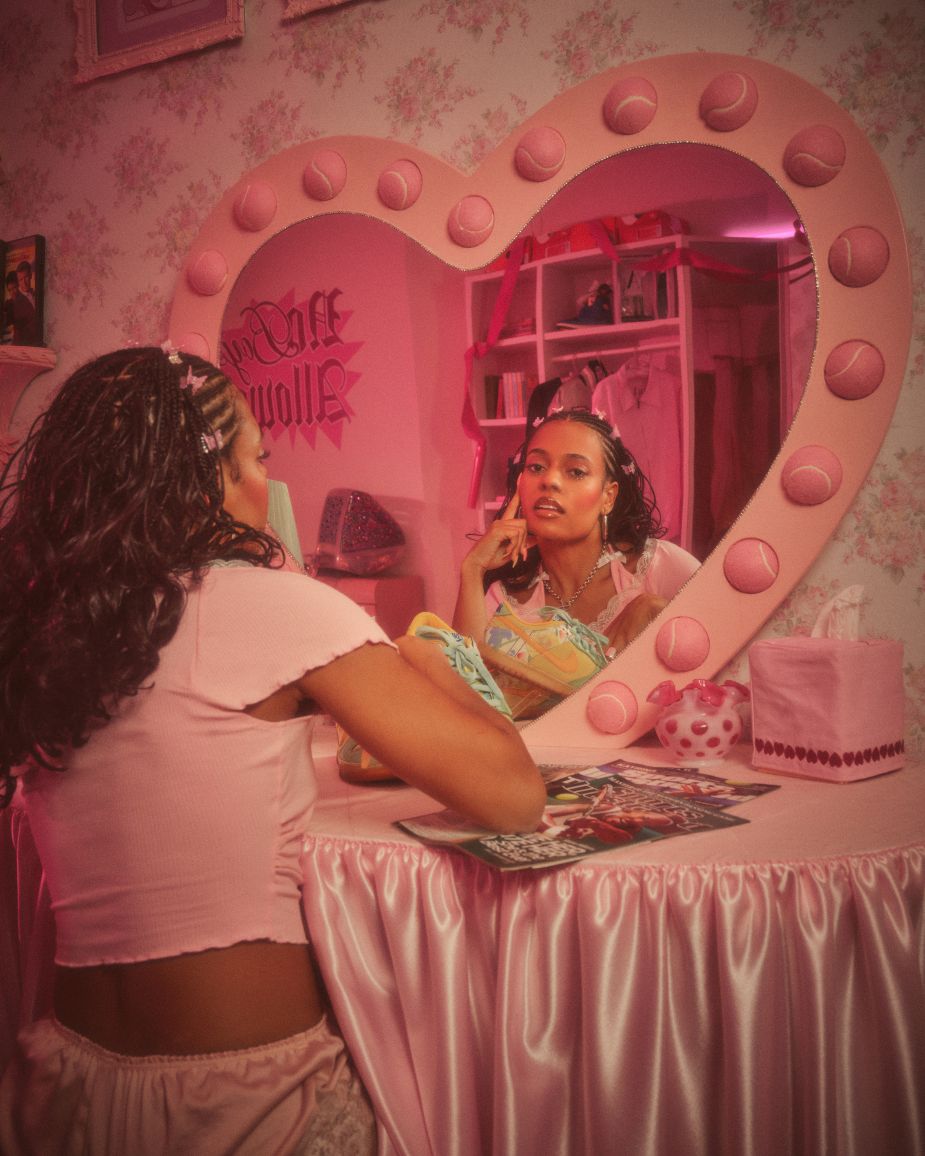
Director/Photographer: Blaise Cepis
The choice of setting feels deliberate – not a pristine gallery, but something far more personal. Ashley says the bedroom was the only place it could have been. “Because where else would it be?” she asks. “The bedroom is the first place you start claiming space for yourself. Posters on the wall, sneakers under the bed, diaries under the pillow. It’s part clubhouse, part stage, part laboratory for becoming who you are.”
So, instead of a sterile white gallery, Ashley and Julia built a girl’s room they wish they had. “Where history lives next to heartbreak collages, mixtapes, and the sneakers that cracked doors open. It’s intimate and a little messy on purpose. Culture doesn’t start in a museum. It starts in a bedroom,” says Ashley.
The project’s spirit of collaboration runs deep. It was never something either of them planned to tackle alone and, says Ashley, it needed more than one lens, and more than one creative voice pushing it forward. “The best ideas are built in collaboration – with people who see culture differently but care about it just as deeply,” says Ashley. “As deeply as they care about craft, execution, storytelling and doing it right. We came together the way the most meaningful projects do: with the sense that “if we don’t do this, no one will,” and the restless energy of people determined to turn impossible ideas into reality. The museum exists because it wasn’t just one of us pushing – it was both of us, insisting.”
For Julia, the most powerful piece in the exhibit is the Sheryl Swoopes' Air Swoopes – a story that captures both the pride and frustration of women in design. Julia recalls Marni Gerber, one of the few female designers at Nike at the time, figuring out men’s basketball culture as she went. “She flew to Lubbock [Texas] alone to meet Sheryl, sat with her mom, her boyfriend, her nail tech – absorbing her world to design for her,” Julia tells me. “And then she had to watch as the final strap didn’t even fit the woman the shoe was made for. That mix of ground-breaking and maddening is the story of women in design in one sneaker.
And then there’s Kristina Gerig, who as a teenager was calling every Foot Locker in Ohio, desperate to find the Air Swoopes in the colour she wanted. “That hunt lit a fire that eventually took her all the way to Nike, where she found herself working for Marni, the very woman who had designed the shoe she once begged stores to stock,” adds Julia. “In the museum, you can actually hear both of their voices, Marni on the lips phone, Kristina on the iPod. Hearing them tell their own stories, side by side, makes the full circle hit even harder. It’s the same logic as the bedroom: one woman tapes up her story, the next one walks in, sees it, and redecorates the wall.”
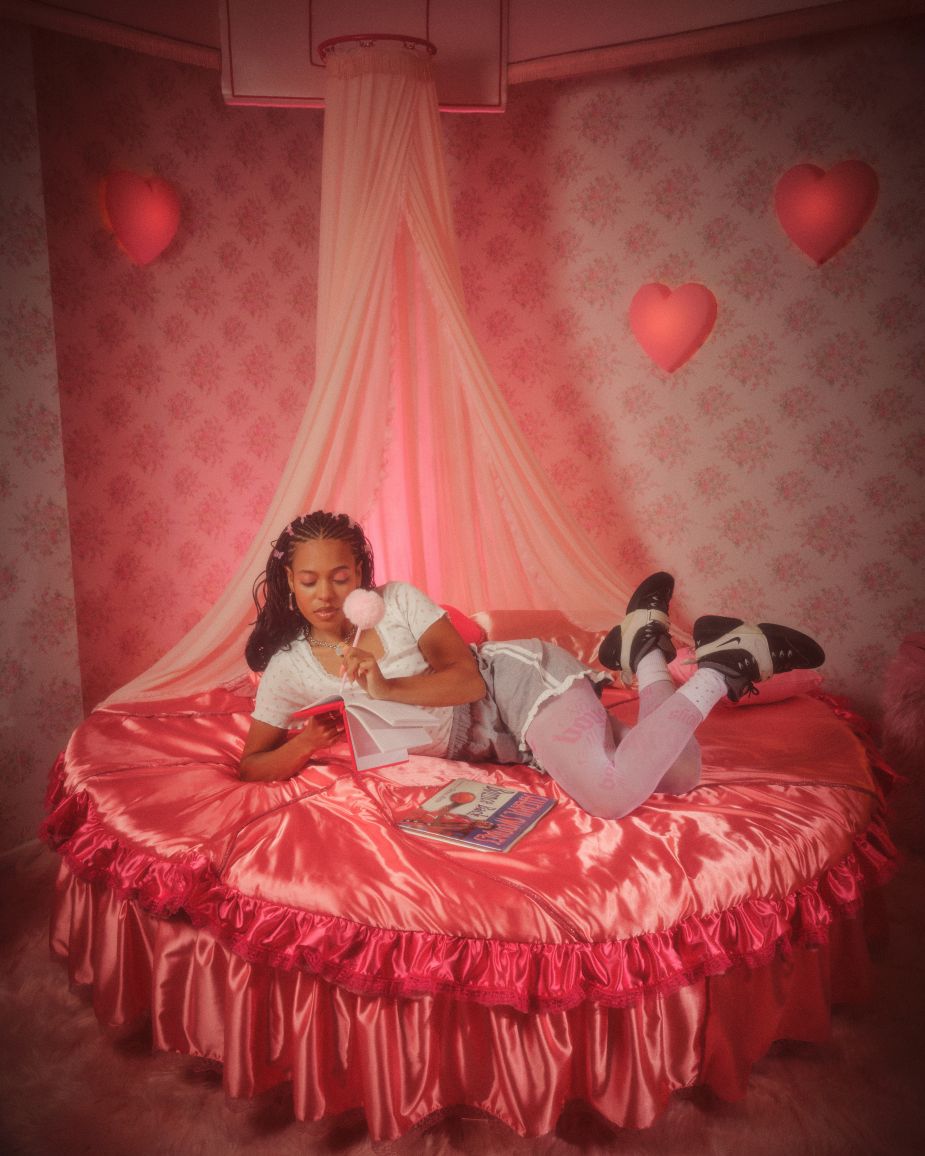
Director/Photographer: Blaise Cepis
That full-circle storytelling also ties into a larger truth Julia and Ashley want to underline with the museum – that women have always been part of sneaker culture, even if history hasn’t framed it that way. “The truth is women were never on the sidelines,” says Julia. “They were designing, playing, collecting – laying the groundwork. The reason women in sneakers and sports are finally getting attention now is because of the ones who pushed through when no one was watching. With women’s sports finally having a bigger stage, it’s great to celebrate the now. But you don’t get the now without the in spite of everything that came before.”
Both Julia and Ashley come from worlds built on storytelling, so it’s no surprise that the museum borrows some of advertising’s tricks – energy, clarity, and craft. Ashley says they approached it the same way they’d build a great campaign: with every detail working to pull you into the story.
“We didn’t want a static display,” she says. “Advertising teaches you how to grab attention, land a story fast, and make people feel something. We brought that into the museum. Every detail, from the copy on the plaques to the laces in the gift shop, is part of the narrative. The whole place is built like a story you walk through. And yes, we even branded the shoelaces. Old habits die hard.”
That same storytelling instinct drives the museum’s mission.
“We hope they [young women] walk in and feel like the room belongs to them too,” says Ashley. “Not as guests, but as owners.”
“The museum was never meant to be a one-off,” adds Julia. “It will evolve however it has to – there are so many stories waiting to be told.”
The Museum in Spite of Everything’s debut exhibition, No Boys Allowed, takes place at 82 South 6th Street, Brooklyn, NY. For more information, visit: https://museuminspiteofeverything.com/


