


5 Mad Moments From 5 Years of HERO


As HERO celebrates its fifth birthday, a selection of its senior leaders reflect on the maddest moments in the journey so far, from the time it melted down a car, to upsetting an interior designer to the point he didn't speak to the agency for six months.
1. The Sirena Shoot on a Sandy Beach... With No Sand
There’s an old theory in advertising that, as a copywriter, you can write yourself to the most glamorous locations. All you need to do is open your script with the line, “We open on a long sandy beach…”
The irony was not lost on us when our client, Sirena, which wanted a spot that would convey its European brand credentials, approved our TV spot set on ‘a Mediterranean beach’.
Shooting with an off-season Game of Thrones crew off the coast of Croatia turned out the most cost-effective option. Only for us to find that our stretch of Croatian ‘beach’ had no sand, just shells and pebbles. So, when it came to capturing the now iconic end frame of the product resting on the beach, being gently lapped by the in-coming tide, we were faced with a dilemma.
In a moment of quick thinking, we asked where the nearest Croatian ‘Bunnings’ was located and secured ourselves a bag of sand, which, with some clever positioning, wave timing, and tight framing provided the illusion of a long, sandy Euro beach. Mwah.
2. That Time We Melted Down a Brand New Toyota C-HR
One of the stranger ideas we’ve landed on was to create a diamond collection to launch the new diamond-inspired Toyota C-HR, featuring lab-grown diamonds made from the actual car itself.
So yep, we melted a car, sacrificing a pre-production model for its parts, which were shipped to a lab in New York. There, they were incinerated into carbon seeds, and incubated under high temperature and pressure for eight months.
The result: 40 GIA-certified lab-grown C-HR diamonds. These were then hand-crafted into a 14-piece collection by Australian designer Millie Savage, including a mouth grill made from the car’s front grille. The collection was made available to the public both in-store and online.
At every touchpoint, we behaved like a fashion brand. A long-form social launch film, microsite, and OOH campaign drove the public to Millie Savage’s jewellery site, where they could explore and purchase all 14 pieces. The collection launched with maximum cultural impact, hijacking one of Australia’s biggest sporting galas, the Brownlow Medal ceremony, where Darcy Moore and Dee Salmin wore the pieces on the red carpet.
The results spoke for themselves: The campaign reached over 3 million Australians, generated $42 million in earned media, and all 14 pieces (priced $1,000 – $5,000) sold out within three weeks.
It became Millie Savage’s fastest-selling collection and picked up a fair bit of metal itself. Our producers are still recovering from this one.
3. Making HERO HOUSE So Orange, We Sometimes Need Sunnies
Ben’s always had, you could say, a certain attachment to the colour orange. It apparently stems from his first car, a classic 70s BMW. At least, he thought it was classic. Everyone else thought it was hideous.
Anyway, the BMW paint colour was ‘Tangerine’ and Ben decided to just own it. And own it he did.
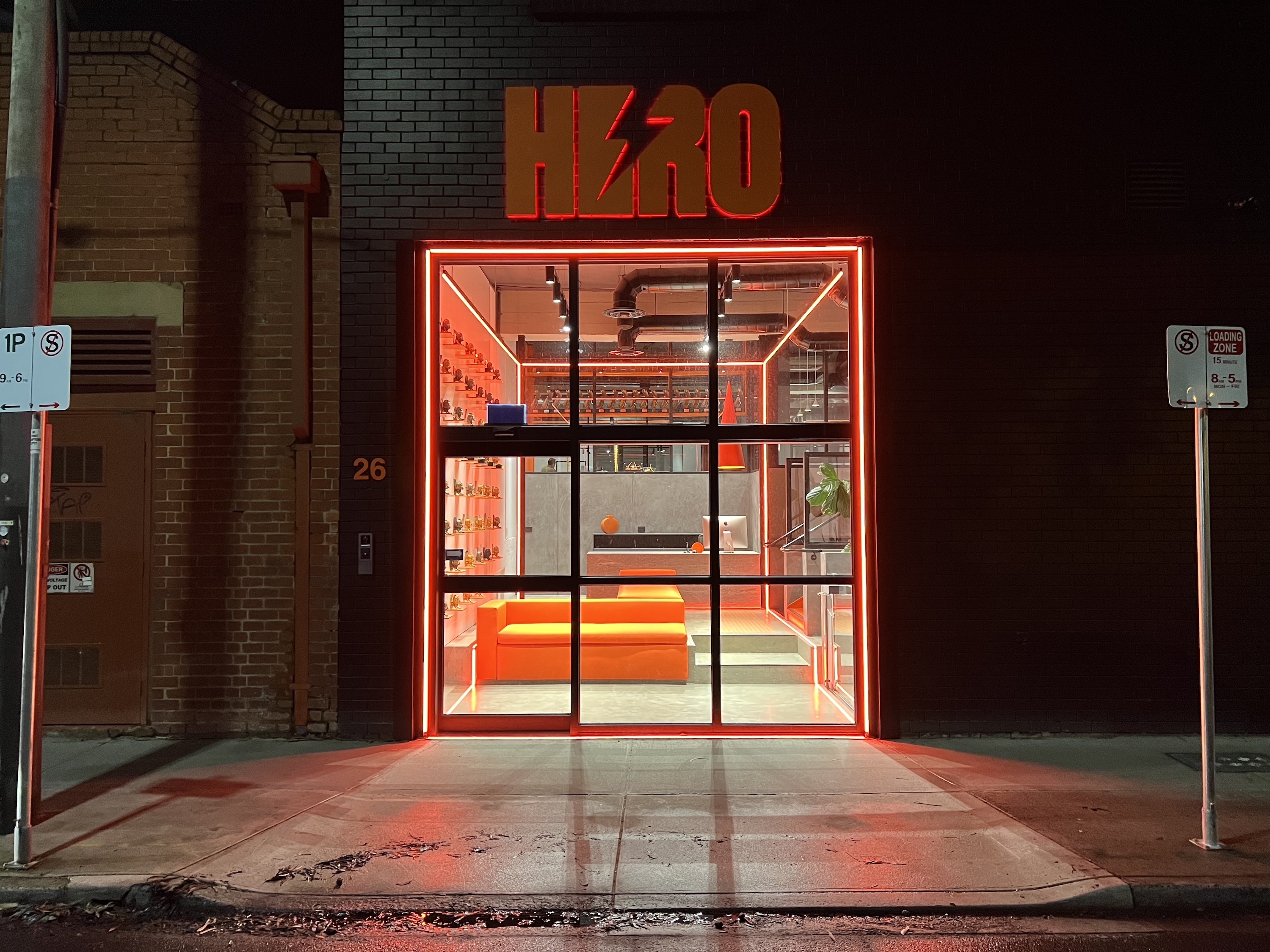
So when we designed our HERO building, we figured we might as well make Ben’s same mistake all over again. The building was also a 70s classic, this time a warehouse. Our interior designer reluctantly agreed to overlay some ‘tasteful touches of tangerine’ on our derelict-chic aesthetic.
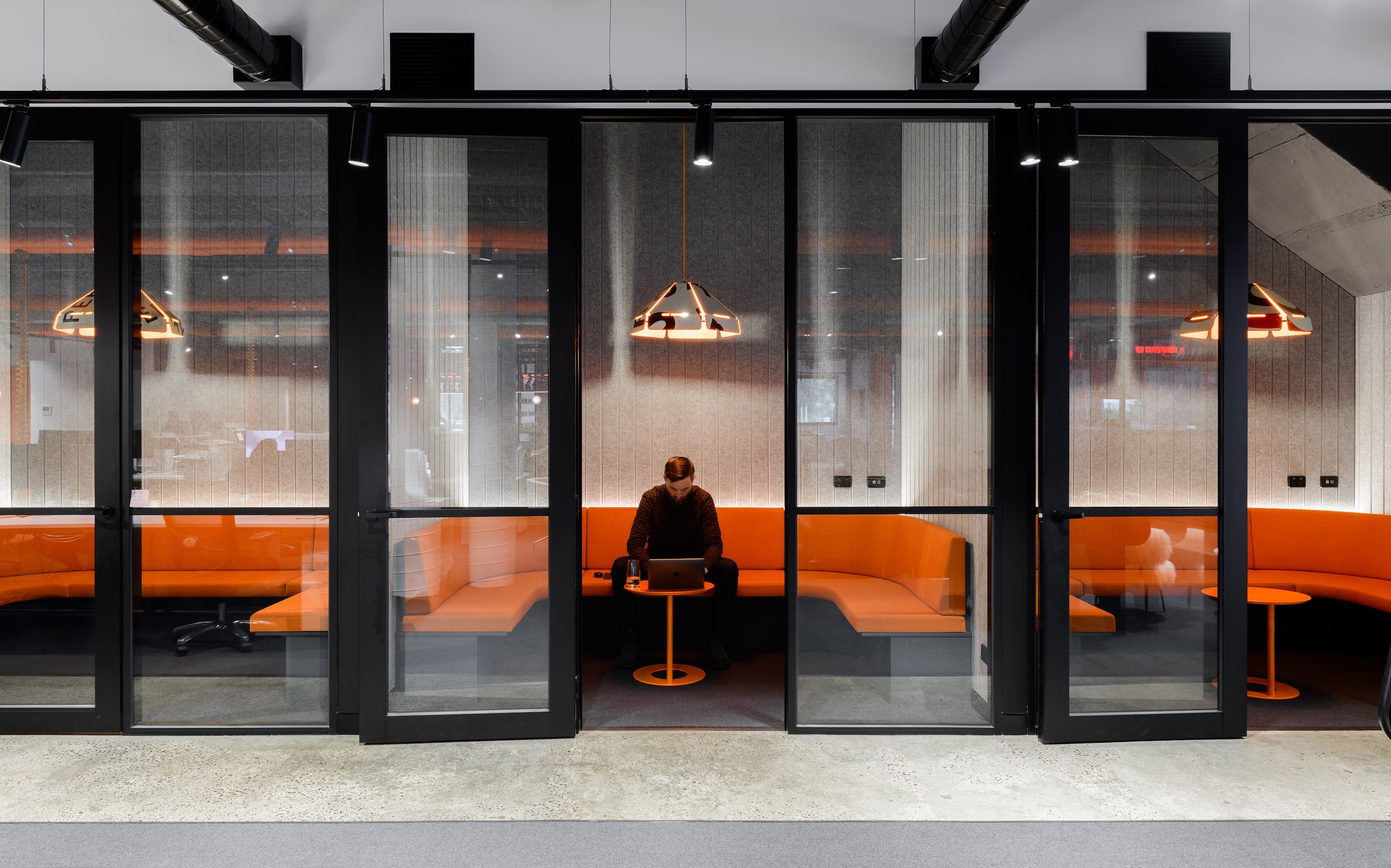
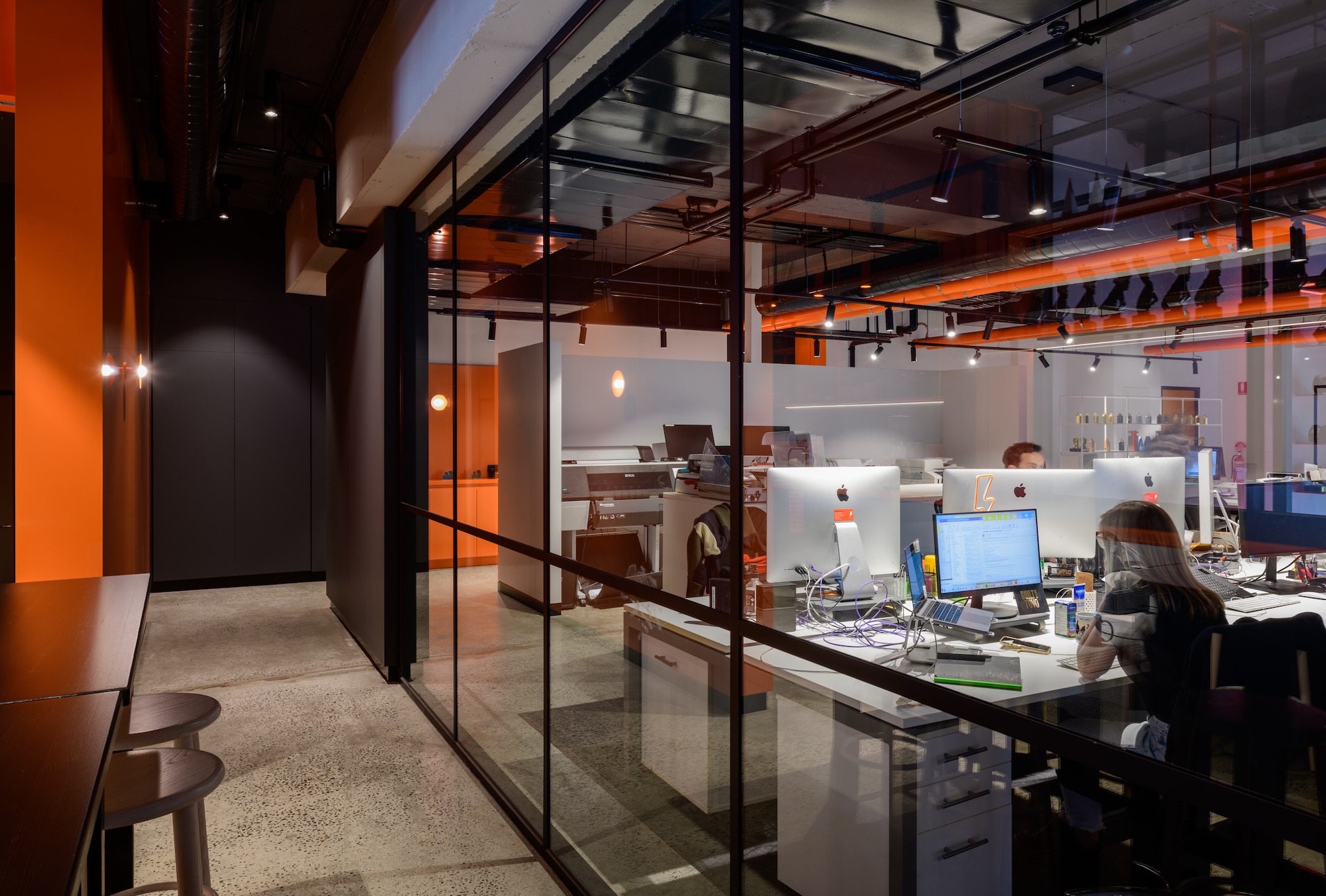
But then the designer went on leave, so Ben changed a few of the finishes and the paint spec to Dulux Vibrant Orange. The designer didn’t notice until the builders got to the fitout. He was so upset, he didn’t talk to us for six months.
Somehow it works though, so he entered HERO HOUSE in a few major design awards, which it won, so now he’s speaking to us again.
4. Setting an Unofficial World Record or the Highest-Fastest, Mid-Air, Drive-Through, Burger-Collection
A mad stunt that sounded pretty wild when we were brainstorming and presenting it, but we actually made it happen.
Our inner 18-year-olds were ecstatic. Our insight was that you’d never need to push a high-performance car like the new GR Yaris to its limits during everyday driving, but it’s nice to know you could. So that’s exactly what we did for the launch.
Our campaign, 'Nice to Know it Could' featured the GR Yaris doing real life high-octane stunts… like launching it four metres into the air, straight through a custom-built, mid-air, burger drive-through.
The stunt became the centrepiece of our 'Nice to Know It Could' campaign, combining high-octane spectacle with tongue-in-cheek humour. Equal parts audacious engineering and advertising theatre, it captured imaginations, was backed by a famous soundtrack of rock sensation Amyl and the Sniffers, and reminded Australians just how incredible and capable the GR Yaris really is.
5. Hooking Someone to an fMRI and Printing Memories Directly From Their Brain
At a time when millennials' are keeping less and less physical photos, we needed to create an ownable story for the new instax mini Link 3, an instant smartphone printer.
Studies show that printed photos mean more than digital photos, they evoke more emotion, and make us value memories more. Printed images also have a way of enduring over time and are more likely to be enjoyed by others in the future than are virtual images.
But of the 5 billion photos taken daily, less than 1% are printed. So we decided to create an innovative demonstration of the value of printing and holding memories, brought to life in a social film that generated awareness and conversation online.
Through Mindography, we brought Nicole Toum’s memories of her late father to life, by printing them directly from her mind. MINDOGRAPHY combined Functional MRI (fMRI) brain scans and AI machine learning to literally reconstruct and print Nicole Toum’s memories. Mindography was created in partnership with neuroscientist Dr Paul Scotti, and was a novel application of his existing AI technique, MindEye. The intent and purpose of MindEye is to one day enable fluid communication with those who are non-verbal, with brain activity being able to create images and words through thought. Dr Scotti’s AI tool was central to interpreting Nicole’s (our subject in the experiment) FMRI brain scans and reconstructing the images she was imagining.
It was the first time it’s been used commercially, and an experiment that created the world’s first printed memories. But it is also the story of a young woman who got to relive her most cherished moments with her late father, of her seeing and touching those memories and then sharing them with the world.


