


‘Mind Games’ Deepens Feeld’s Exploration of Intimacy, with Cover by Nan Goldin


Above: singer Kelsey Lu, photographed Nan Goldin
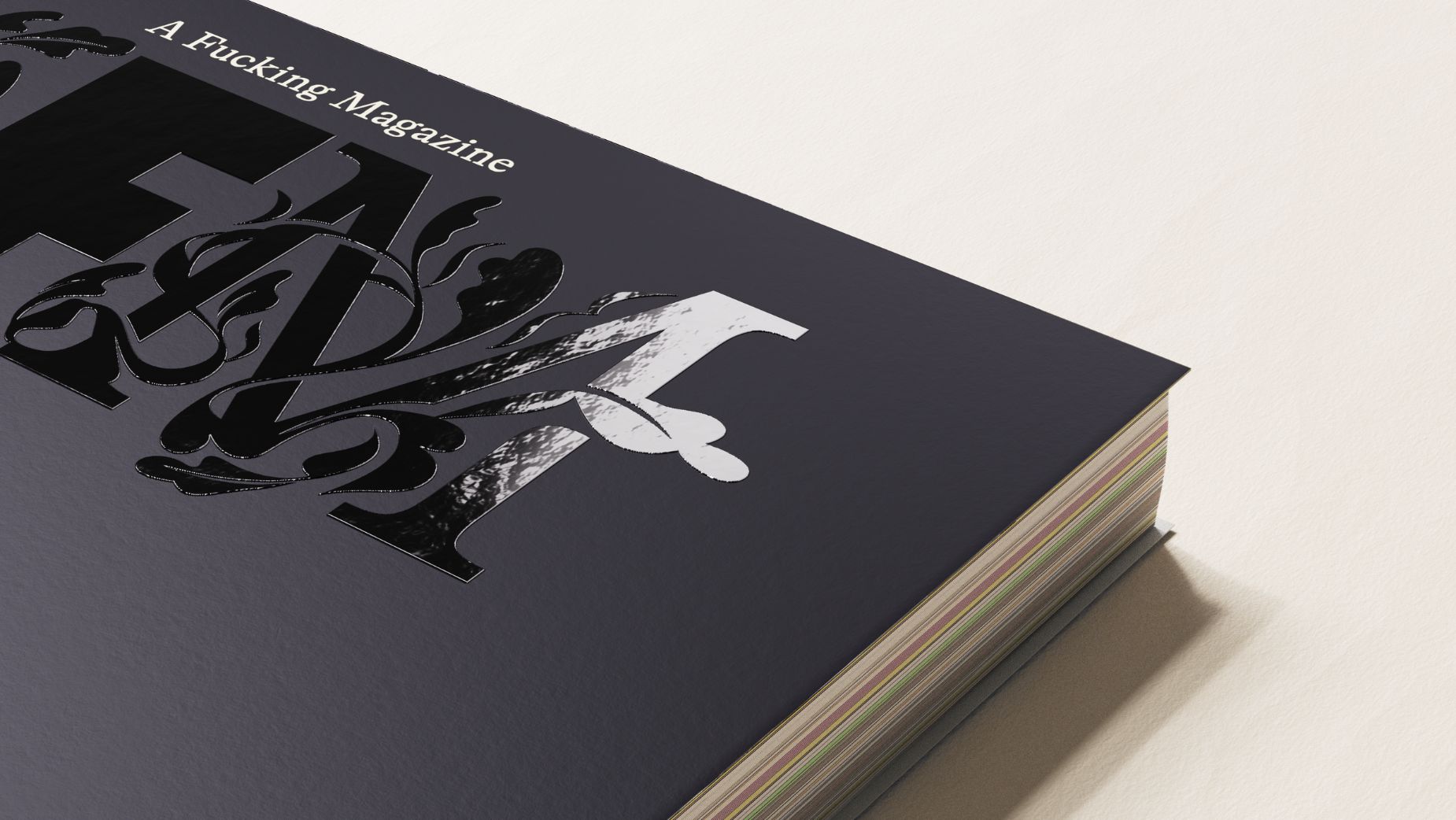
Feeld, the dating app billing itself ‘for the curious’, is also in the business of magazines. Acronymized to AFM, it stands for ‘A Feeld Magazine’ or ‘A Fucking Magazine’, depending on your preference. The second issue, titled ‘Mind Games’, launched last week with a cover featuring the singer Kelsey Lu photographed by the inimitable Nan Goldin. The print publication is created in collaboration with writers and photographers – many of them Feeld members – to translate the app’s ethos into a material and cultural artifact weaving together the pleasures of reading, desire, exploration, and connection through photography, essays, and conversations.
The first issue was definitional, setting out the AFM project and aims and “then working as hard as possible to meet those aims,” say co-editors Maria Dimitrova and Haley Mlotek. “We’ve set high standards for this magazine from the beginning, and our first issue was all about learning how and where to express those standards: above all, we knew we wanted to make a beautiful, tactile print artifact that would be as precious to readers in the future as it was in the present, and we knew that required rigorous editorial standards for all the work included on the page.” The approach involved thinking big, with the co-editors casting the net of the imagination widely to ask “what our dream version of any story or idea was: who was our dream writer? Dream photographer? Dream artist? Dream interview subject? We started with our absolute ideals, and have been so lucky to find that the people we most wanted to work with also wanted to work with us.”
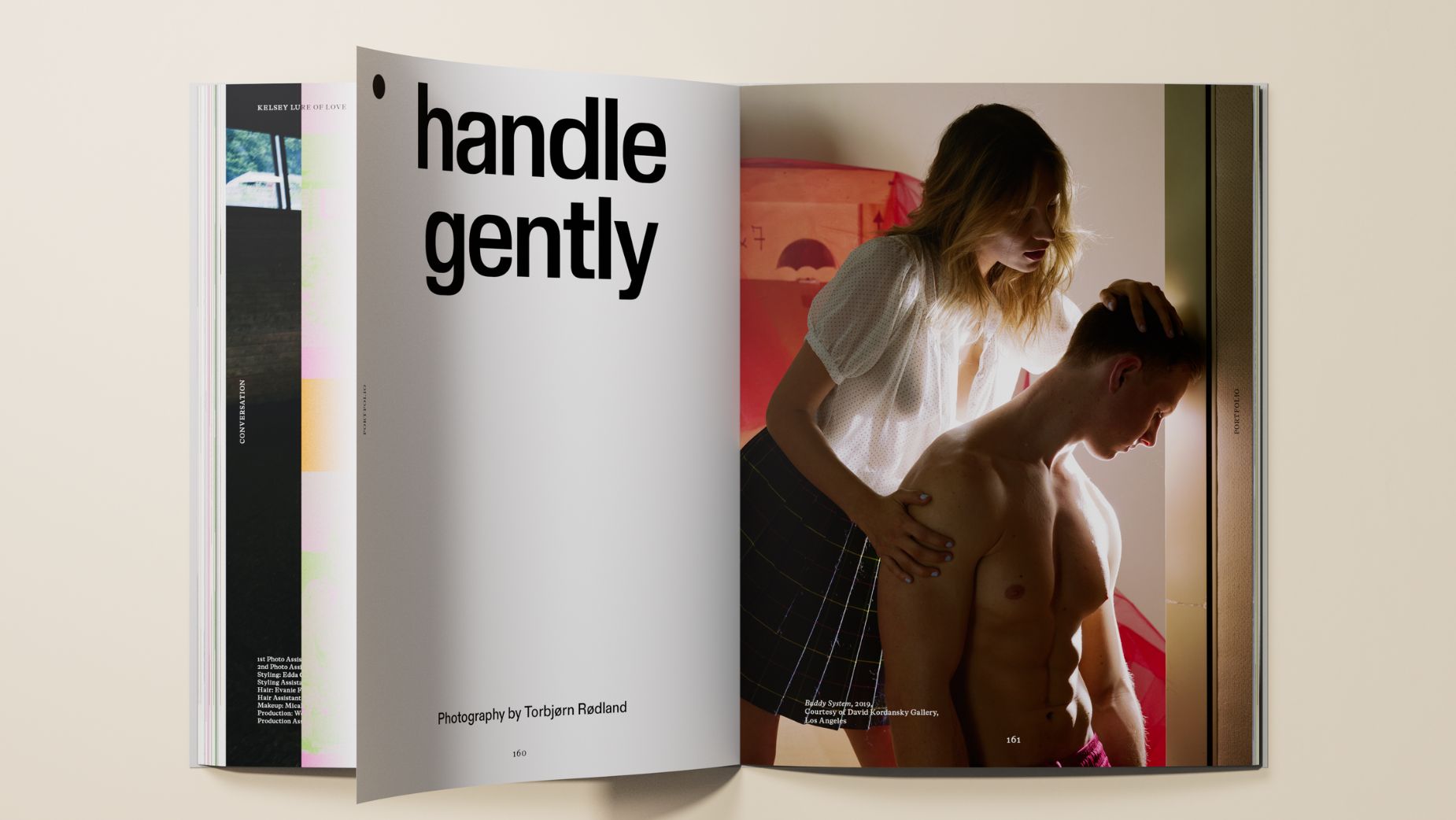
With ‘Mind Games’ it was the case not only of maintaining the standards set for issue one but raising them once more. “Every magazine has to balance that tension between being the print publication that readers already expect with constantly evolving into the print publication that will keep readers excited to return,” say Maria and Haley. “For us, that meant thinking about what parts of the first issue we wanted to use to establish what AFM was and stood for, and where we wanted to challenge ourselves to do more. That definitely meant continuing to start every story from our absolute dream versions, and it also meant staying open to new opportunities for what AFM could be. Bringing Merel van den Berg into the team as our art director is a huge part of our commitment to continue to evolve AFM’s aesthetic identity to best reflect that editorial vision.”
This issue also marks a new, evolved visual and design language thanks to Merel van den Berg’s creative direction who joined the team from cult magazine, The Gentlewoman. “Merel’s arrival brought a new level of precision to AFM’s visual identity. Her background at The Gentlewoman introduced a refined, editorial discipline that sits beautifully alongside AFM’s more intuitive, exploratory nature,” Haley and Maria explain. “Together, we’ve shaped a design language that feels both elevated and playful – something that invites you to hold, keep, and return to the page. This evolution reflects the magazine’s wider ambition: to exist not just as a publication, but as a cultural object in its own right.”
Maria and Haley say they see the themes they set for contributors more as prompts than directions, “so that we can both guide their submissions as well as stay open to how their interpretations might influence the overall issue.” With the second issue they “started by thinking more generally about control: who has it, who wants it, who gives it, who lets go of it, as well as where it appears in institutions and infrastructures across culture and society. As we collected the work that makes up this issue, we saw that many of our contributors were approaching this idea from a very interior place; their internal monologues revealed a lot about how much of control is a story we tell ourselves, and the phrasing of ‘Mind Games’ seemed to best encapsulate the surprising ways we experience our own thoughts.”
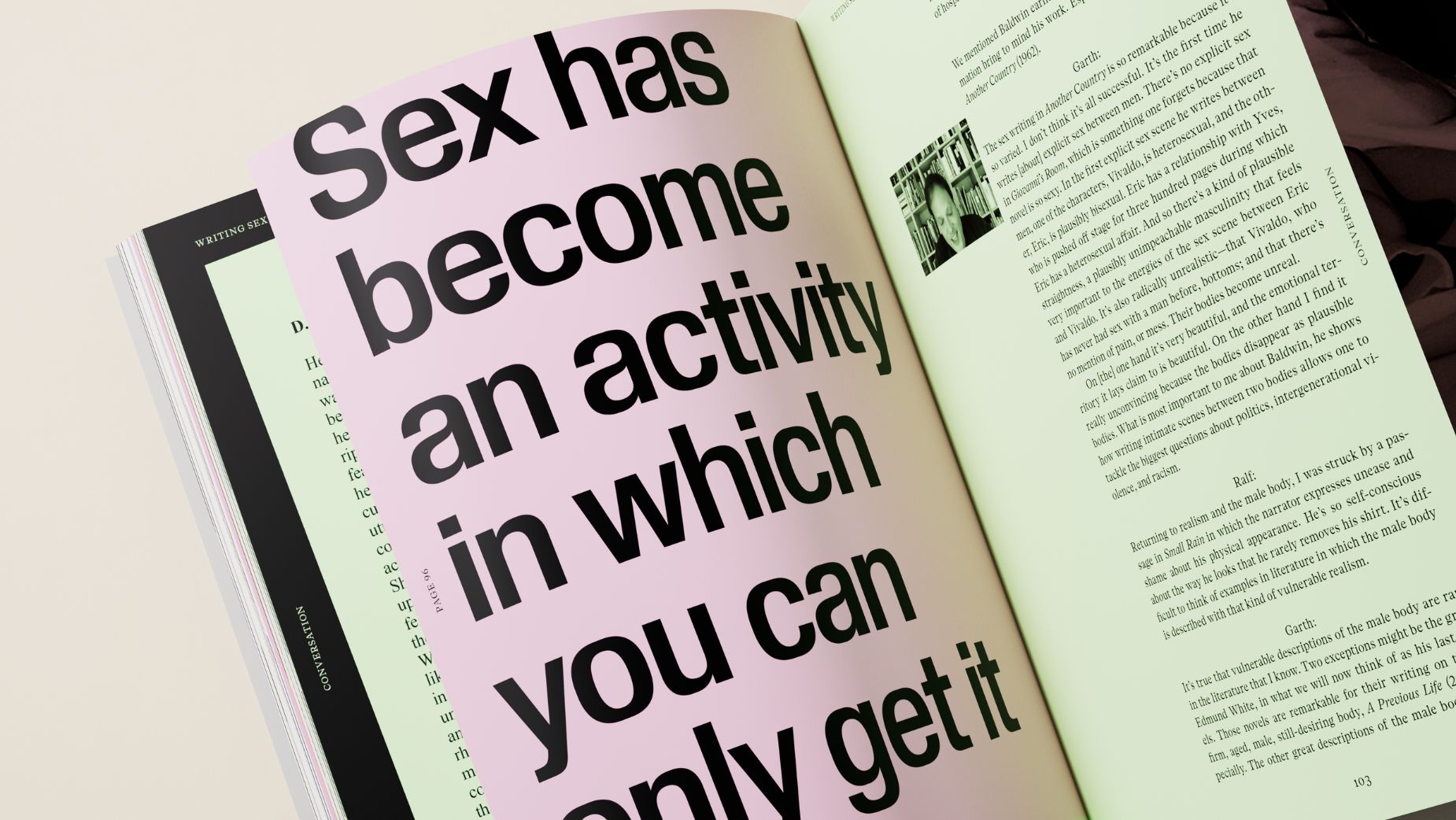
AFM straddles the line between a literary magazine and a cultural extension of Feeld, balancing Feeld’s brand DNA and building AFM’s own independent creative voice simultaneously. “We first started working on this magazine because of what we already knew about our members – many of them have a creative practice, whether that’s as an artist, writer, photographer, or in any other medium, and even more are people who love to find and support artistic work that inspires them,” they say, noting that Feeld “also has a well-deserved reputation for being the app in the dating landscape where members are often quite eloquent in how they describe what they want and what they’re looking for.” That fact was a direct influence on AFM’s mandate – “over half of our contributors are Feeld members, both because we deliberately choose to source submissions right from in-app messages, and also just because so many people in creative industries had already gravitated to Feeld for those qualities listed above,” Haley and Maria add.
“The line that we balance is really more about how we communicate the intentions of AFM, which is very much about treating relationships, sex, friendship, dating, and all forms of social dynamics as a part of culture itself, rather than just a subject that culture takes up occasionally. Every issue is made with the aim to both participate in and be a host for the conversations about various intimacies that’s already happening in our members’ lives.”
The team describes AFM overall as “a serious literary and creative project with lasting intent.” What does that mean for print publication borne out of a dating app? For Maria and Haley, who’ve “always seen AFM as a long-term creative project” success looks like “building a body of work that can stand beside the best independent magazines of our time – magazines that define how a generation thinks and feels about intimacy, culture, and connection.
“Culturally, we want AFM to become a touchstone: a place people turn to for thoughtful, beautifully made writing and art about desire and the complexities of modern relationships. Commercially, the ambition is to grow through meaningful partnerships and a loyal readership that values quality and thoughtfulness. Ultimately, what matters most is longevity and resonance. If AFM continues to spark intelligent conversation, to shape how we think and talk about intimacy and connection, then it will have succeeded.”
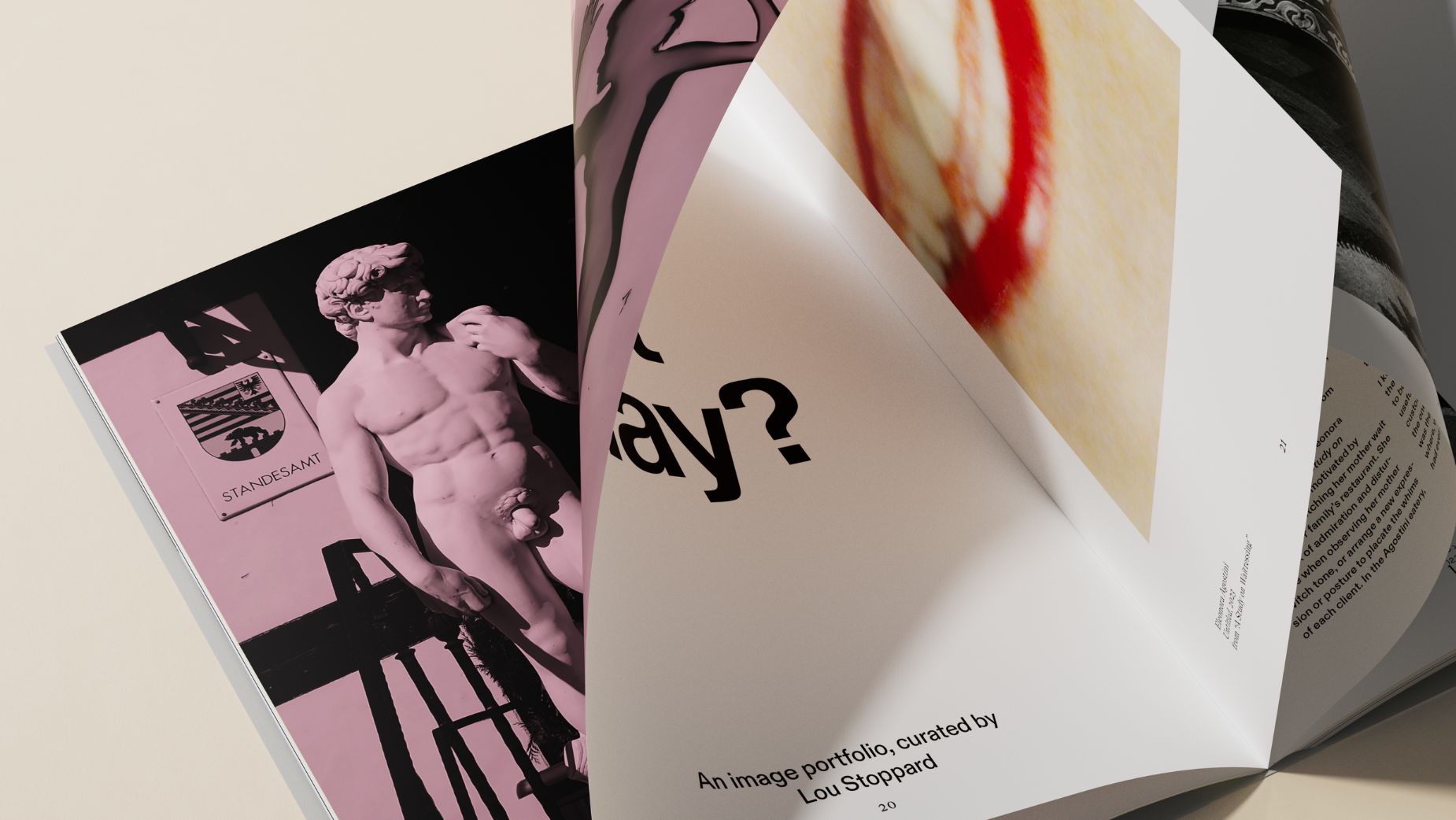
For Ana Kirova, Feeld’s CEO, success is as much about AFM’s resonance as a cultural artifact as it is about readership or reach. “It’s about creating a considered, beautiful space where creativity and intimacy intersect and where people feel invited to explore perspectives they might not encounter elsewhere.” To Ana, there is “something romantic, indulgent and truly dreamy about AFM. It was born from our community’s overwhelming creativity, and every issue nurtures that dialogue. Our intention is to offer a pause from the digital rush and a chance to dwell in lives, ideas, stories that linger – all captured in a format that is a pleasure to interact with, to hold, to own. Culturally, we would like AFM to be an invitation for new ways to think about relationships and identity. Creatively, we hold space for both contributors and readers to dare experience human connection in new ways.”
As an extension of the Feeld brand, AFM is a space to “articulate ideas that can’t live within an app” therefore serving “in many ways an embodiment of the brand’s ethos – an editorial and artistic expression of everything Feeld stands for: curiosity, openness, and the ongoing negotiation of connection,” Maria and Haley explain. “We have said before that while Feeld, as a brand, has to maintain a certain optimism about the possibilities of what is (at least in terms of where it sits in app stores) a dating app, the magazine is the place where we can acknowledge some of the tension that exists between the world we want to live in and the world we do live in.”
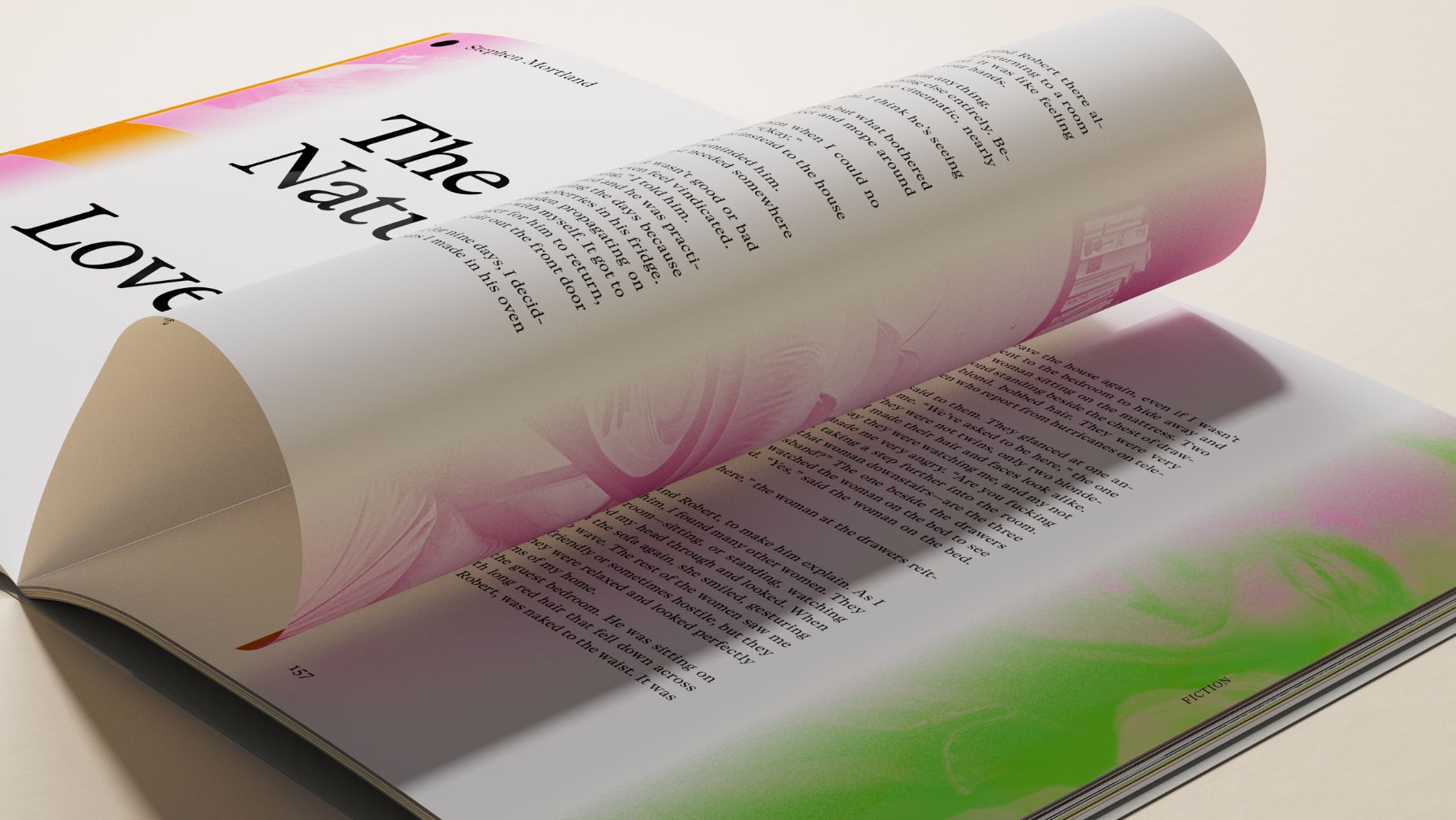
They continue: “Where the platform enables experience, AFM enables reflection and creative expression. It translates the energy of digital interaction into a slower, more deliberate form – one that invites reading, touch, and contemplation. Through its work with formative artists, writers and thinkers alongside Feeld members, AFM positions Feeld within a broader cultural dialogue, bridging the worlds of technology, art, and publishing. And when it comes to mind-to-mind contact, there are few better technologies than fiction, the essay, or the poem.”
For Ana, AFM is yet another way to express that Feeld isn’t afraid to build its own path in what a dating app can be. She notes that the “Feeld app has a very important usability element to it – people use it to interact with other people. AFM plays by different rules – it’s an experience of its own, its existence a celebration and artifact of what Feeld stands for: authentic expression and human connection.”
Ana reminds that “intimacy can have many dimensions” and Feeld spends resources showcasing all the different sides. “We’re not afraid to go off the app: to host events, gatherings, and experiences that mirror the depth and intentionality of what happens online.
“AFM offers a way to connect to minds, experiences and worldviews that is private and real, celebrated through the beauty of form we give it. It’s a meaningful investment in creative communities, elevating voices shaping modern intimacy. It reminds people that connection, like creativity, is something to be experienced slowly, thoughtfully, with care and pleasure.”


