


Dani Pearce: Bold, Clear, Undeniable Ideas Have In-Built Artistic Integrity


How has your move to Good Oil influenced your creative process or approach to storytelling?
Dani> Change is liberating, and starting new creative relationships should always influence your creative process -- new voices in the room mean new ideas. It has kept me on my toes in the best of ways.
Advertising -- for all its beauty -- has a very strong instinct to box directors into the confines of their prior work. It’s understandable and safe, but it does create this weird cannibalising cycle of tone. Opening new doors, looking in and seeing what briefs I’m actually really interested in has been dope. I’ve always known how I like to direct films and tell stories, but it’s been cool applying my taste to different types of ideas and discovering what else I'm capable of.
At the end of the day, I’ll always be a drama director first -- that’s the pulse of my work -- but Good Oil has given me the nudge to embrace that label more broadly and step into this next chapter with an open mind to lots of other opportunities.
It’s been rad. We’ve been having a great time, making some great work.
You’re known for bringing a distinctive voice to commercial filmmaking. How do you balance artistic integrity with the goals of a client or brand?
Dani> I think they are one and the same. People do describe my work as distinct, which is flattering, but I like to describe it as singular. I tend to lead each job with one very singular, specific tone, feeling or approach that is set out in the treatment and then follow that through acutely. There is nothing more undoing to a film than artistic vagueness, and I think the same can be said for the goals of a client or brand. Vagueness or ambiguity in an approach is just confusing for an audience. No matter what the idea.
Bold, clear, undeniable ideas tend to have in-built artistic integrity because they are explicit in their motivations. Which then makes it very clear to me what the film treatment needs. That’s probably why I’m most attracted to those types of briefs.
Too, the sheer amount of user-generated content we see every day means clients need to work with artistic integrity more than ever. Brands probably need to be even more definitive and specific in their tone and voice to define themselves apart from the loud media cacophony.
Commercial tropes are sensed by audiences so quickly these days. Audiences are impressively media literate now. I think good filmmaking is such an obvious remedy to this.
Can you talk about your recent project with Saatchi & Saatchi NZ and Westpac? What was the vision behind it, and how did you bring it to life?
Dani> Lee [Sunter, ECD at Saatchi & Saatchi NZ] and Ryan [Price, senior creative] brought me a beautiful script. Plainly, they conceived and wrote a great story. The narrative intention was always there -- so my job here was specific.
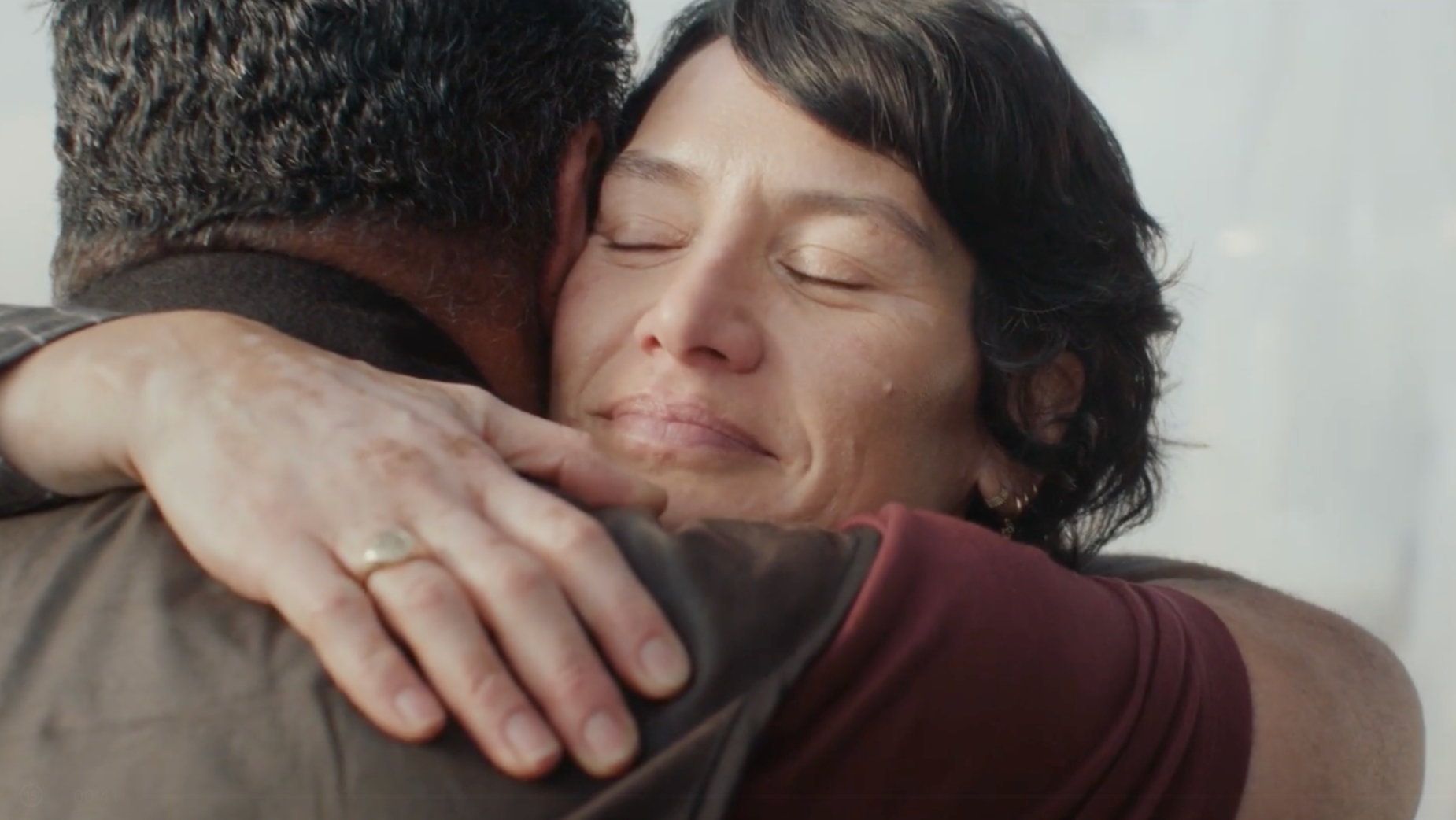
World-building, character development and cinematographic clarity. It was a dream brief because we got to make a little film. It was always meant to feel like a stolen scene from a grander filmic narrative, and I think we achieved that. It feels expansive narratively, but fundamentally -- intimately character-led. That’s drama. That’s cinema.
The cast was incredible. I loved casting in New Zealand; so much incredible talent. And working on those performances was a joy.
We developed a very specific camera language. One in which the camera mirrored the emotional arc of our protagonist, Maria. The camera moves when she’s stressed/overwhelmed. The film converts to formal coverage when she’s not. It’s a direct reflection of her brain. This brings the audience right in with her. It humanises the story.
Craft aside. We had a brilliant, supportive client in Westpac. At every stage, they supported the journey, helped us make it better and uplifted the work. I think we all wanted the same thing - singular, emotive storytelling with a relatable heart. Shout out to the whole Westpac team. I love the work, and I’m proud to have my name on it.
You can find more of Dani’s work here.


