


Treat AI Influencers As “Cartoons”, Be “Afraid” of Digital Twins


Virtual influencers that resemble cartoon characters do not pose the same ethical or reputational risks as digital twins, according to AKQA's Tara McKenty and TikTok's Anthony Dever.
Influencers in the early days of social platforms built a following with flatlay photographs and representations of a polished and aesthetic life. Then, the pendulum swung towards authenticity: crying, blurry pictures, ‘photo dumps’, Charli XCX’s ‘brat’ summer. But swathes also follow virtual influencers, as Anthony, TikTok’s head of creative lab across Australia and New Zealand, explained at last week’s inaugural Q&A Club Auckland event.
One influencer, Mia Zelu, went viral at Wimbledon this year and was ultimately revealed to be AI, while Lil Miquela, a self-described “robot”, has 3.4 million TikTok followers and 2.4 million on Instagram.
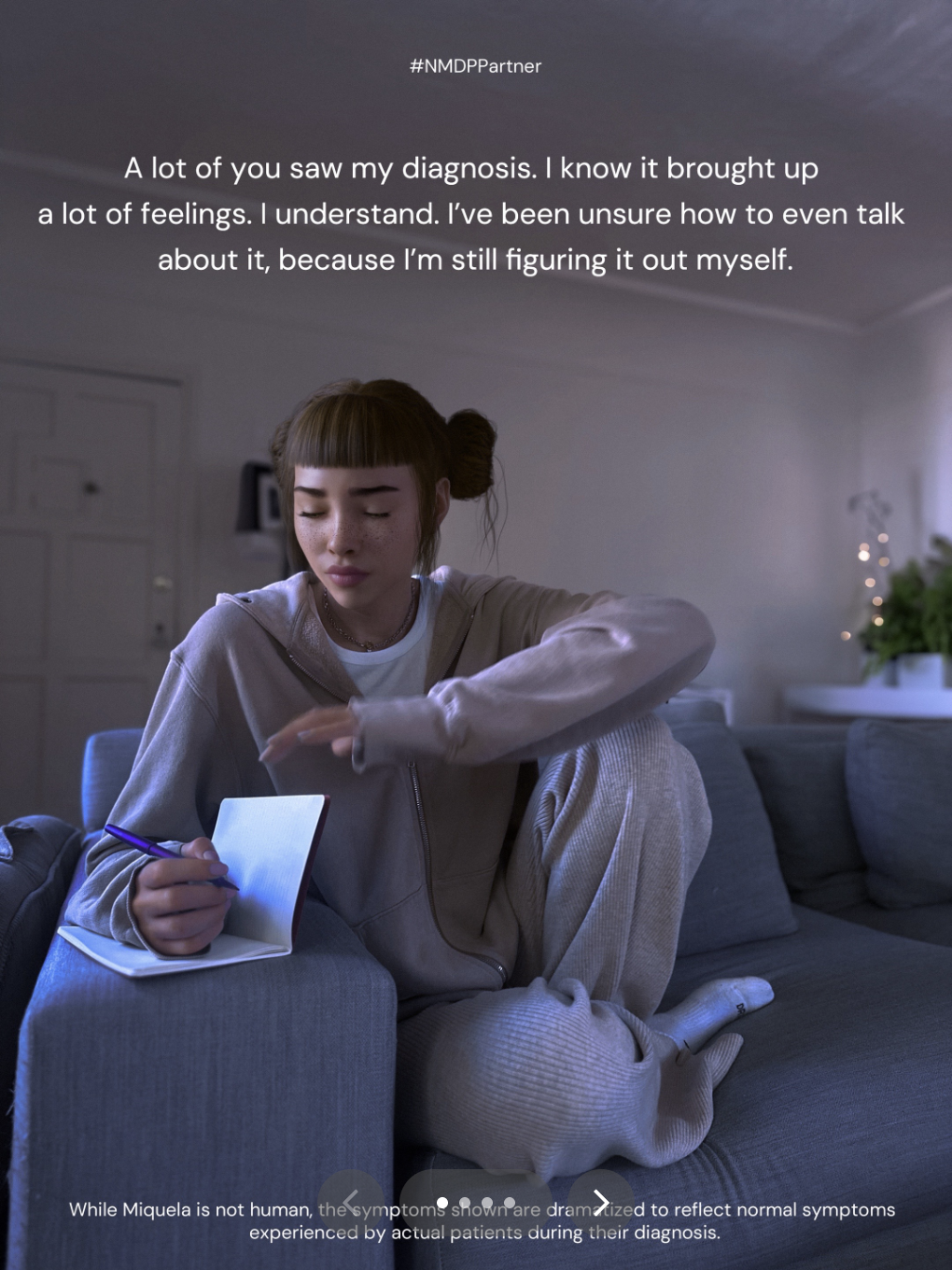
Last month, she did a paid post for the NMDP [National Marrow Donor Program] Registry, which helps people with leukaemia and blood disorders. The first slide of the TikTok carousel read, “A lot of you saw my diagnosis. I know it brought up a lot of feelings”, accompanied by a small disclaimer, “While Miquela is not human, the symptoms shown have been dramatised to reflect normal symptoms experienced by actual patients during their diagnosis.” The final slide reads, “She’s not human, but the crisis is.”
Anthony also referenced FN Meka, a virtual rapper who was signed to Capitol Records (then dropped in 2022, in response to criticism the character perpetuated racist stereotypes) and is “big in Roblox and Fortnite.” He has almost 10 million TikTok followers, but hasn't posted since 2024.
“I liken those to cartoons,” Anthony said of such influencers, and of FN Meka, “He has a visual art direction. Miquela is still Uncanny Valley-esque, but more a reference to a regular influencer.
“I think there's a suspension of disbelief that you understand the gag. You're in for this virtual person's take on the world, this virtual rapper's take on the world. I just look at them as characters. I think it's interesting creatively.”
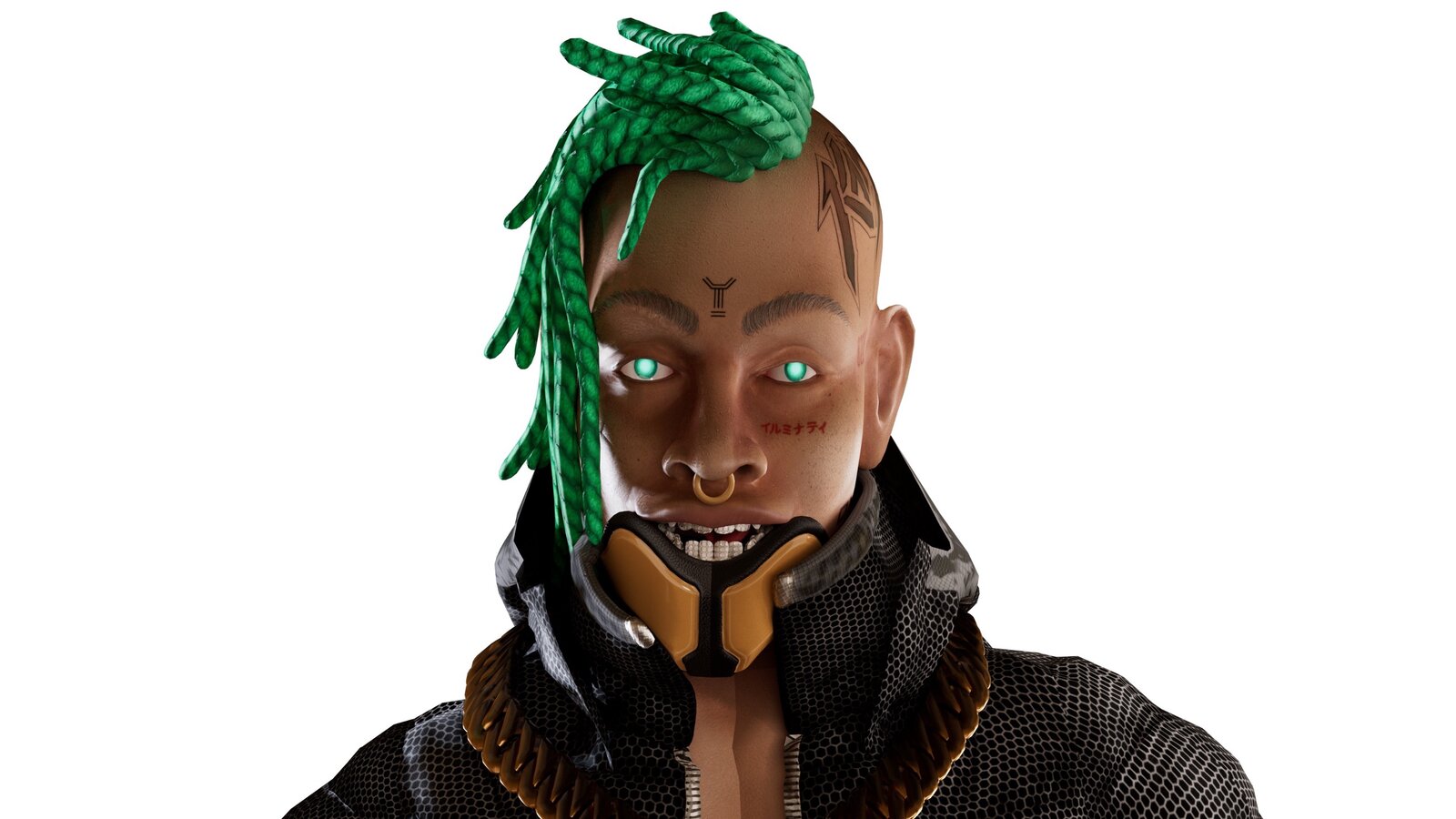
His comments came on a panel discussion moderated by LBB and hosted by AKQA and The Sweetshop at The Tuesday Club. The WPP agency’s AUNZ chief creative officer, Tara, explained how collectible designer toy brand Superplastic created a figurine called Janky, then transformed “him into a virtual influencer.” His joint TikTok page with fellow character Guggimon has 11.5 million TikTok followers, and Superplastic struck brand deals with the likes of Gucci and Mercedes-Benz.
“Brands are now collaborating with this character that was once a plastic toy,” Tara said, “but what I love about what Superplastic did with it is they just went bananas. They created a phone line just for fun, where you could call Janky and have a conversation in his voice.
“Such immersion, and this is where I think it's done well … there is a really interesting place for brands that can really take advantage of what they can do with characters, and do it in really cool ways.”
Dentsu Creative’s UK and Ireland CEO, Jessica Tamsedge, recently told LBB the rise of virtual influencers, including virtual YouTubers, is a development she’s most surprised about.
“While VTubers are real people, their use of avatars for anonymity has created an unexpected sense of authenticity, allowing them to express themselves more freely and build deeper, more genuine connections with their audiences," she said.
Tara drew a distinction between clearly cartoon-esque characters and AI models that look like real people, though. She’s concerned digital twins will roll back diversity progress, especially around casting.
“Digital twinning, I discuss it a lot, and from spending a large part of my career advocating for DIB [diversity, inclusion, and belonging], I'm pretty afraid of it,” she said.
“You sell your likeness, and then it trains machine learning models on how to create a simulated human.
“It's taken us so long as an industry to get to really good, inclusive casting. I feel like we're in a good place. We've spent years refining the ethics and the values and morals around it. I don't think we have the same rigour when it comes to digital twins.”
Anthony agreed, “There's a whole heap of ethical issues around twinning, ethical issues around parasocial relationships people have with creators, which is creators broadly, not just virtual ones.”
He noted TikTok was the first platform “to have synthetic media labeled, meaning that when AI-generated content comes onto the feed, you can see it's AI-generated”. Transparency, and giving audiences a choice whether to consume AI content, is key, he added.
Earlier this year, New Zealand brand Skinny debuted a digital twin based on a woman called Liz, who sold her likeness to the telco in exchange for free phone services for life. As the AI face of the brand, she is able to “shapeshift into all sorts of characters, to speak to any audience we want to target.” Colenso CCO Simon Vicars told LBB Liz has input on creative ideas, and “if we cross any lines, she can use her unlimited minutes to call us.”
Jae Morrison, a creative director who formerly worked for Colenso, director, and musician, is conflicted about the implications of AI as a Maori man. He responded to the job threat it posed by learning how to wield AI platforms, and making a film called ‘The Elephants of Avalon Beach.’ But “innovation outpaces legislation,” he warned on the panel.
“Creativity and all the things we hold dear got colonised real fucking quickly, and they took everything, and went, 'This is profitable for us'. And they go, 'Oh, it's so beneficial. You can do all these things. We've saved you time'.
“But it's like, 'You ripped culture out from under us'. There will be fuck all restitution on this. It's too profitable. It's too easy. The horse has bolted. But I think we need to, in the same way with digital likenesses, there needs to be a reassertion ... we're not all good, and we take advantage where we can.
“But I think we're all gathered here because it feels a bit awkward when it's your livelihood getting stripped away. So I'm going to rise above it and do good with it.”
-
Read also: AI is “Microwave Dinner” and Craftspeople Michelin-Starred Chefs
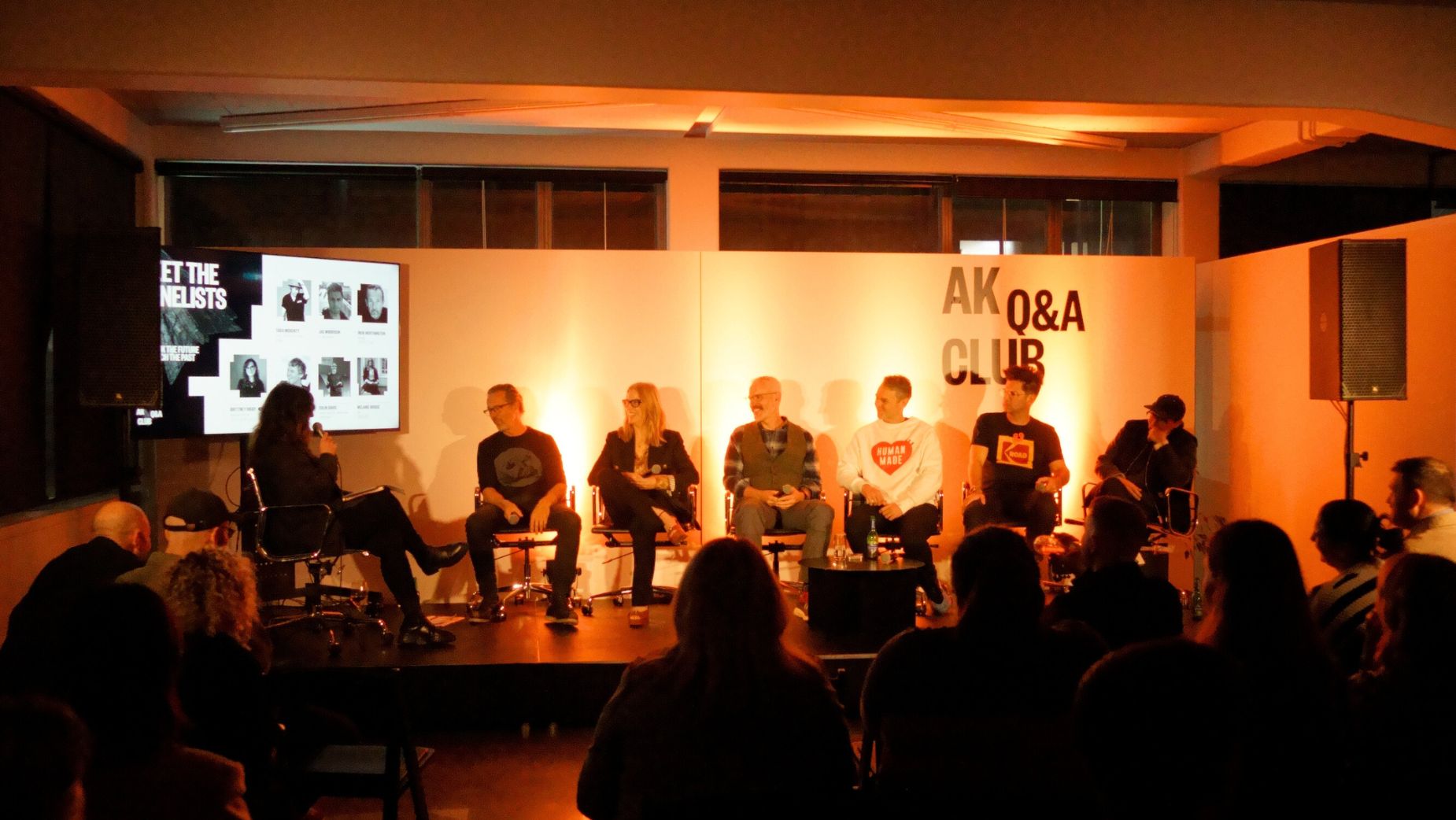
Feature image L-R: Anthony, Jae, Tara


