


Academy Celebrates 40 Years with Star-Studded Book Launch Featuring Adam Curtis and Jonathan Glazer


Academy Films marked 40 years of shaping the cultural landscape with the launch of ‘Short Form: 40 Years of Music Videos, Ads and the Art of Moving Images’, a new book by independent art and photography publisher, Mack, that reframes the legacy of short-form filmmaking. To celebrate, the ICA hosted a special screening and panel discussion featuring documentary filmmaker Adam Curtis, music video directors Jonathan Glazer and Walter Stern, and rising director Iris Luz, providing an intergenerational conversation that traced the evolution of music videos, advertising and the moving image from the 1990s to today.
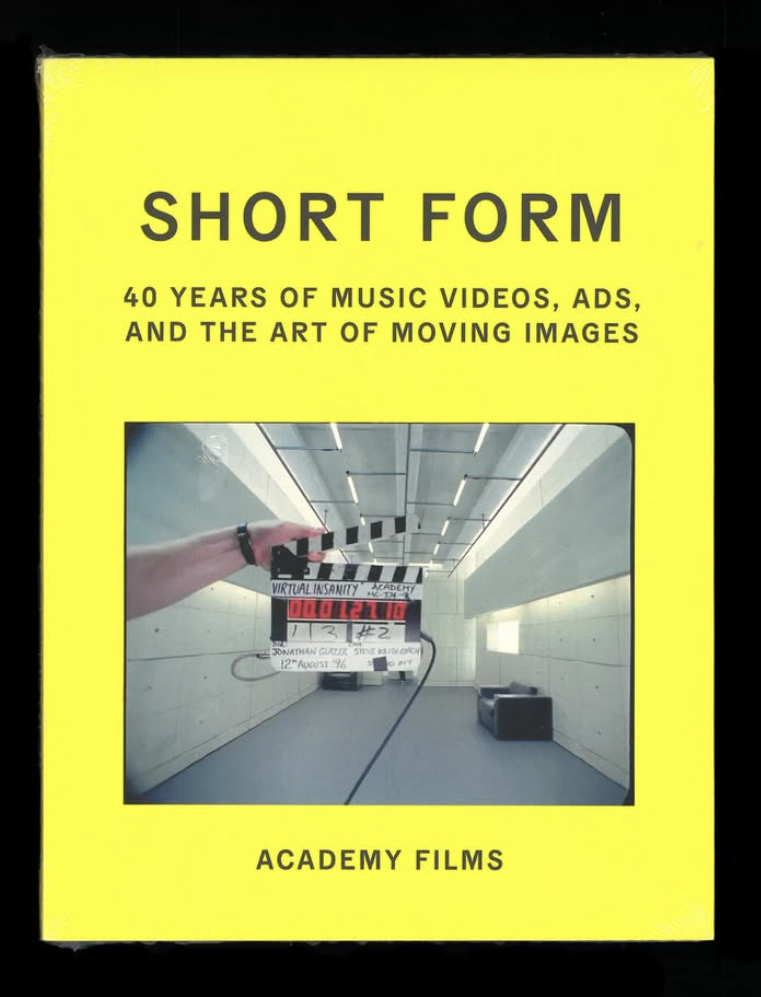
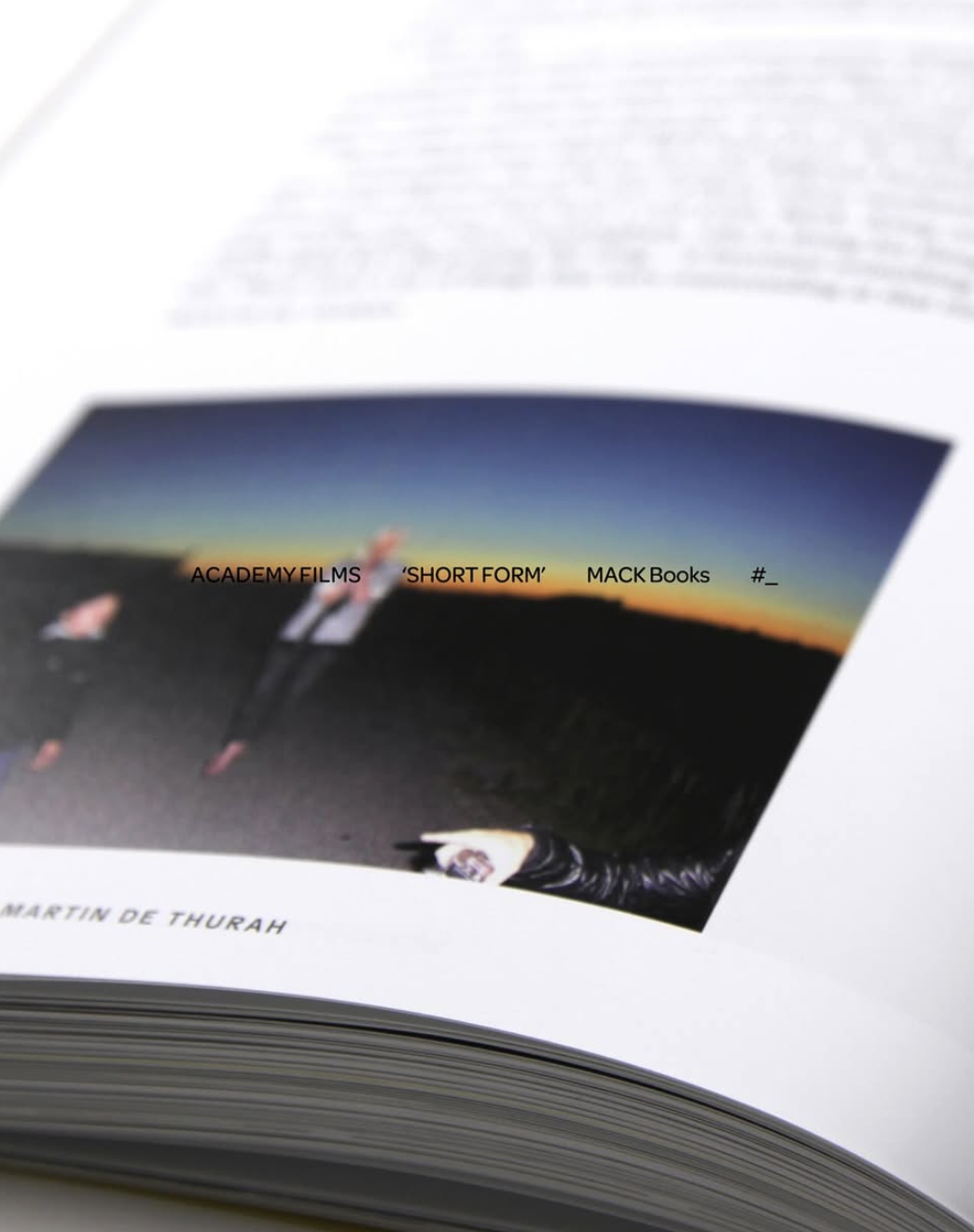
‘Short Form’ charts Academy’s inimitable four-decade footprint across popular culture, spotlighting the company’s pioneering work with musicians, artists and brands, while capturing a period in which short-form filmmaking became one of the most influential creative formats of our time. The book’s launch felt both retrospective and forward-looking, featuring key moments in Academy’s history – the book includes callsheets and shoot mementos – while also reflecting on the company’s extraordinary contribution to cinema and advertising. It signals where short form is headed next.
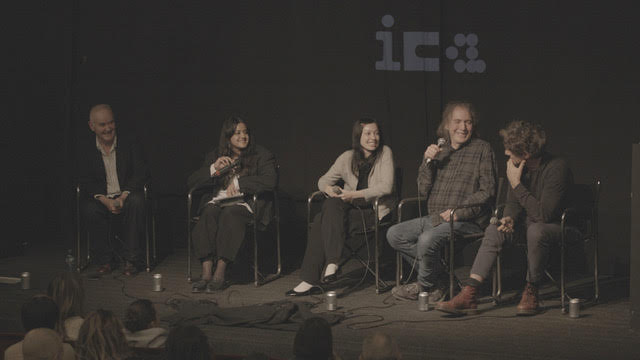
Jonathan Glazer, whose seminal videos in the ’90s redefined expectations for short form, reflected on the freedoms of that era. Budgets were larger, risk-taking was encouraged, and directors were given space to think expansively. “We had a lot of money to make videos,” he reflected. “If you wanted a big budget, you went to bigger artists – but the resources meant that we could imagine and do almost anything… Filmmakers these days have to be so much more resourceful and technically-able. We were in a luxurious position when we were making videos.”
Jonathan also admitted to admiring the work of emerging filmmakers today. ”If I were making videos now, I would appreciate the freedom of the form today,” he said. “But I’d also feel frustrated by the limitations and not being able to afford to shoot certain scenes. That means creatives today have to either find an alternative way to achieve them or embrace a more DIY approach – or abandon the idea and rethink it entirely. In that sense, the limitations are real, but they open up a new form of creative freedom.”
Director Iris Luz spoke to the shift in the relationship between artists and filmmakers, particularly with independent musicians who have more control over their output and timelines. Videos today can embody a deliberate immediacy: with iPhones held up in crowds, house-party shoots and visuals that feel real and raw.
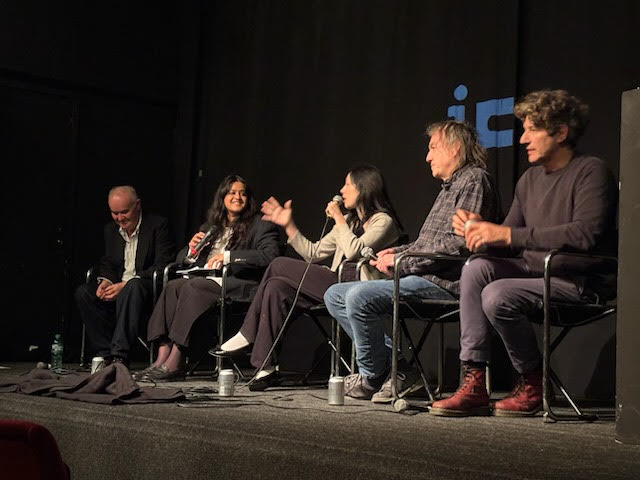
“Independent musicians can have more responsibility with their output and put out music quicker,” said Iris. “If I think of Snow Strippers or Fred Again, they create a sense of immediacy in their visual output which enforces a feeling of intimacy – and it feels much more personal. So, having Fred hold his own iPhone to a crowd at his own concert or having the singer of Snow Strippers setting up her own iPhone at a house party, it’s like they want to mirror culture and our love for reality.” It’s a way of breaking the fourth wall and allowing the artists and directors to disrupt traditional ways of connecting with audiences.
Director Walter Stern, on the other hand, believes that despite the decline of big budgets in short-form, the accessibility of modern tools represents a “renaissance” in filmmaking. With cheap editing software, pocket-sized high-quality cameras and fewer technical barriers, filmmaking has become more democratic than ever. “You can pretty much do a lot of it yourself,” he added.
In today’s digital ecosystem, the algorithm is the new gatekeeper behind determining whether culturally-important work gets seen, said Adam Curtis. It selects who sees what, how work circulates, and which ideas gain cultural traction. “That’s where the power is now,” he said. “If you want to change the world, change the code.”
Yet Jonathan reminded filmmakers to maintain faith in the power of the work itself. Algorithms may decide what gets served, but the responsibility of making work that is politically, emotionally or aesthetically powerful remains with the artist.
As Academy enters its fifth decade, ‘Short Form’ stands as both an archive and a provocation: it’s testament to the company’s influence on contemporary culture, and a reminder that short-form filmmaking continues to evolve in the hands of new creators.
“‘Short Form’ seeks to celebrate the practice of making adverts, music videos and short films,” said Jennifer Byrne, head of development at Academy. “Long before social media, directors and producers have created work that can connect and make audiences feel something deeply, shaping our culture and imagination. It was fantastic to celebrate the book launch at the ICA with our publishers MACK – inviting Adam Curtis to deliver a hot take on some of his favourite music videos and how they represent a wider culture – along with a brilliant conversation about the future of society, politics and of course the art form itself, with guests, Jon Glazer, Walter Stern and Iris Luz."
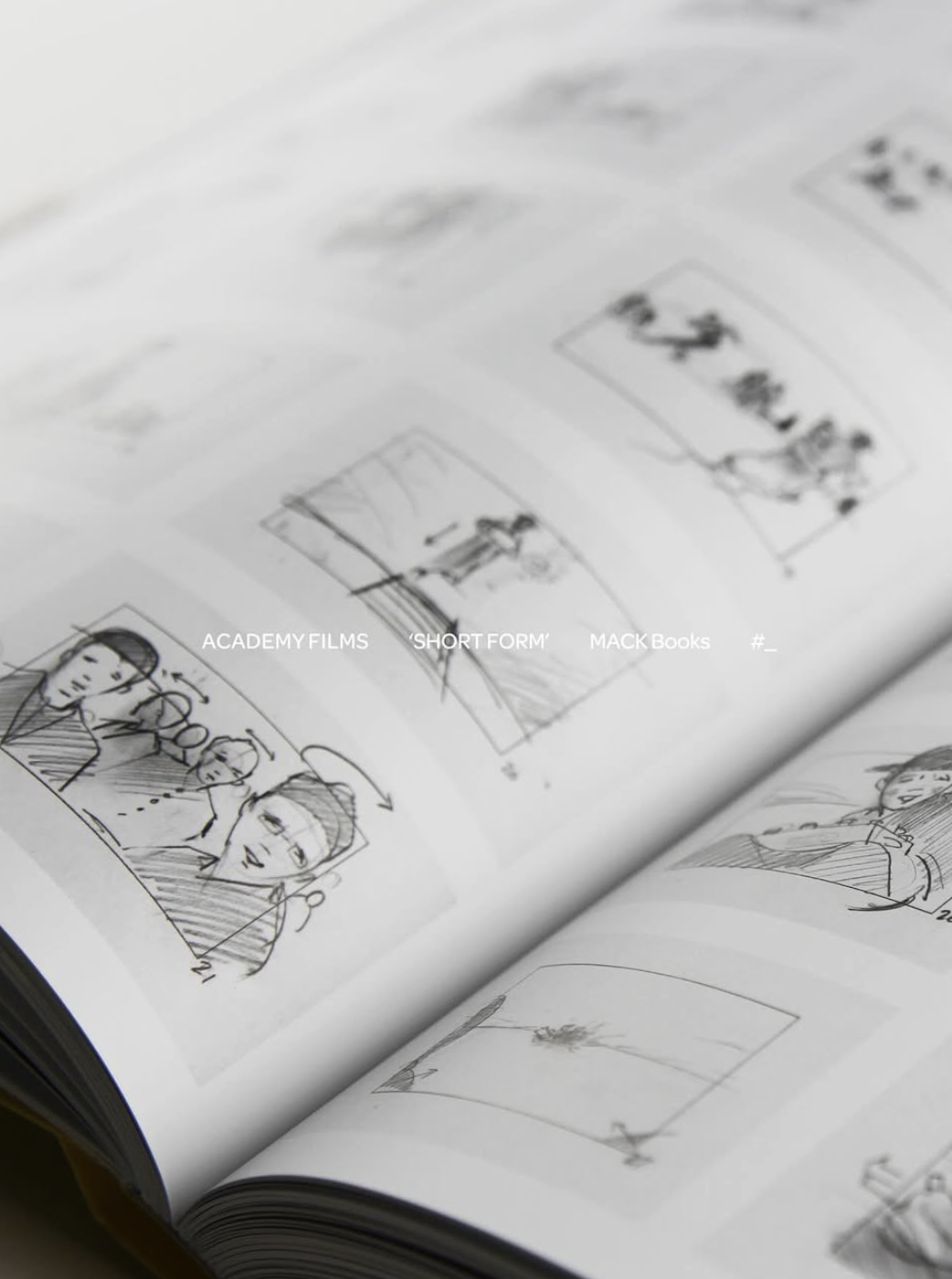
The panel highlighted that while the tools, economics and distribution of short form have changed beyond recognition, it still captures a moment and pushes culture forward. Academy’s 40-year celebration isn’t just about looking back, but it’s recognition that the short form is still where some of the most vital, daring and innovative filmmaking happens.
‘Short Form: 40 Years of Music Videos, Ads and the Art of Moving Images’ is available now through MACK Books, the ICA and select stockists.


