


The Recipe Behind MAM: A Love Letter to Food, Friendship and Filmmaking


After falling in love with Vietnamese cuisine during a life-changing trip abroad, Jerald, a self-taught chef from small-town Texas, arrives in New York City with one goal: to open his own restaurant. Juggling odd jobs and secretly perfecting recipes in a basement kitchen, he's running out of time and money. When he meets Nhung, their unlikely alliance sparks a bold culinary journey. From improvised street hustles to a hidden speakeasy, they fight to turn Jerald's dream into reality.
This is the synopsis of ‘MAM’ (2025), the debut feature-film from Loveboat director Nan Feix. This project is a natural continuation of his philosophy of filmmaking as human connection, storytelling as social empathy, and constraint as creative liberation. Focusing on the very real, very relatable struggle of transforming a passion or beloved past-time into a side hustle that brings in some extra cash, ‘MAM’ has the power to resonate with anyone who values community and appreciates New York, and/or Vietnamese culture.
Executive produced by Loveboat’s Marine Garnier, the film has been thriving on the festival circuit, notably winning the Premio Culinary Zinema Saria / Award at San Sebastian Festival 2025.
A year after first meeting Nan, April Summers connects with him and Marine to talk about their heartfelt, award-winning new venture.
From Street Food to Screenplay
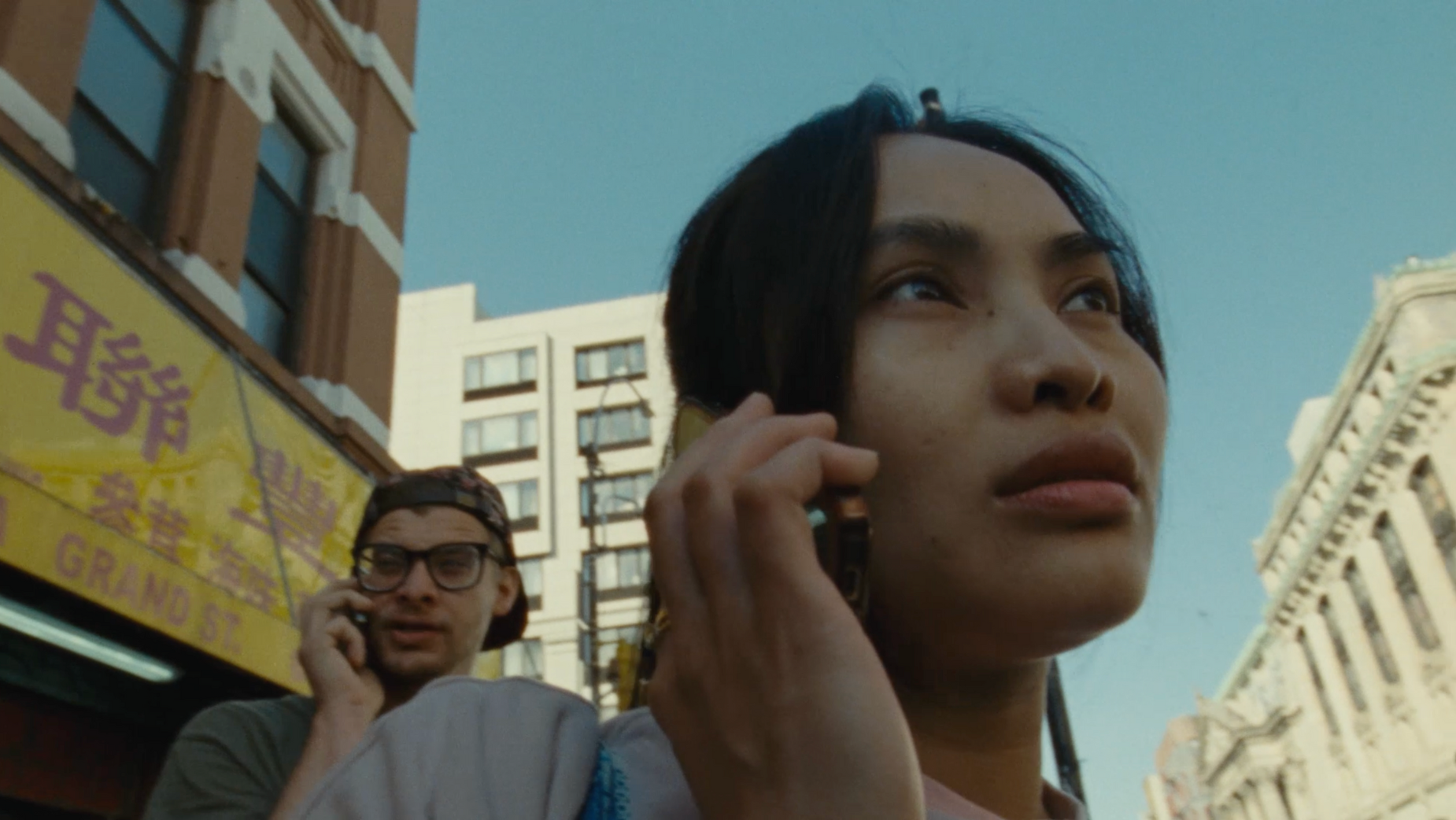
For Nan, ‘MAM’ began as a story close to home, and the kitchen. Inspired by his best friend, chef An Nguyen Xuan, the director instinctively knew he wanted to make a movie about cooking and community. “An owned Vietnamese restaurants in Brooklyn and Chinatown New York for 15 years,” Nan tells me. “So, I was lucky enough to witness many stories in the street food industry, which essentially helped to feed the screenplay.”
That grounding in lived experience is the beating heart of ‘MAM’. So, when Nan met Jerald Head and Nhung Dao Head during casting, he immediately recognised a story worth telling – one that intertwined legacy and lived experience.
“They were immediately motivated and excited about the project,” Nan says. “From the acting point of view, of course, the values I wanted to share, but also knowing that it was an interesting way to talk about their actual restaurant. Also, the fact that they took over my friend An’s eatery to start ‘MAM’ four years ago made it special, in terms of legacy and sense.”
When Jerald shared his own unique backstory, Nan saw the perfect character arc already written.“A white guy from Texas with a frozen pizza background, having been so blown away by his trip to Hanoi that he learned how to speak perfect Vietnamese, how to make tofu, mắm tôm sauce, all with one dream in mind: cooking Vietnamese food in New York. What better backstory could I get?”
To Nan, Jerald embodied the values at the heart of ‘MAM’, “tolerance, respect, generosity – the main themes of the film.”
Blurring Fiction and Reality
Used to working with non-actors on documentary work, Nan embraced this hybrid opportunity to take creative liberties with a story inspired by real-life. Indeed, the film’s blend of documentary and fiction was no accident, but rather a deliberate creative philosophy rooted in Nan’s long-standing wish to keep cinema close to reality.
“It’s a mix between Taiwanese cinema from the ‘90s, and documentary approaches like Spike Lee, and the Safdie Brothers’ modern cinema,” Nan explains. “I wanted another way to tell stories, far from being formatted like most modern movies, and keeping that spontaneity right in front of the lens.”
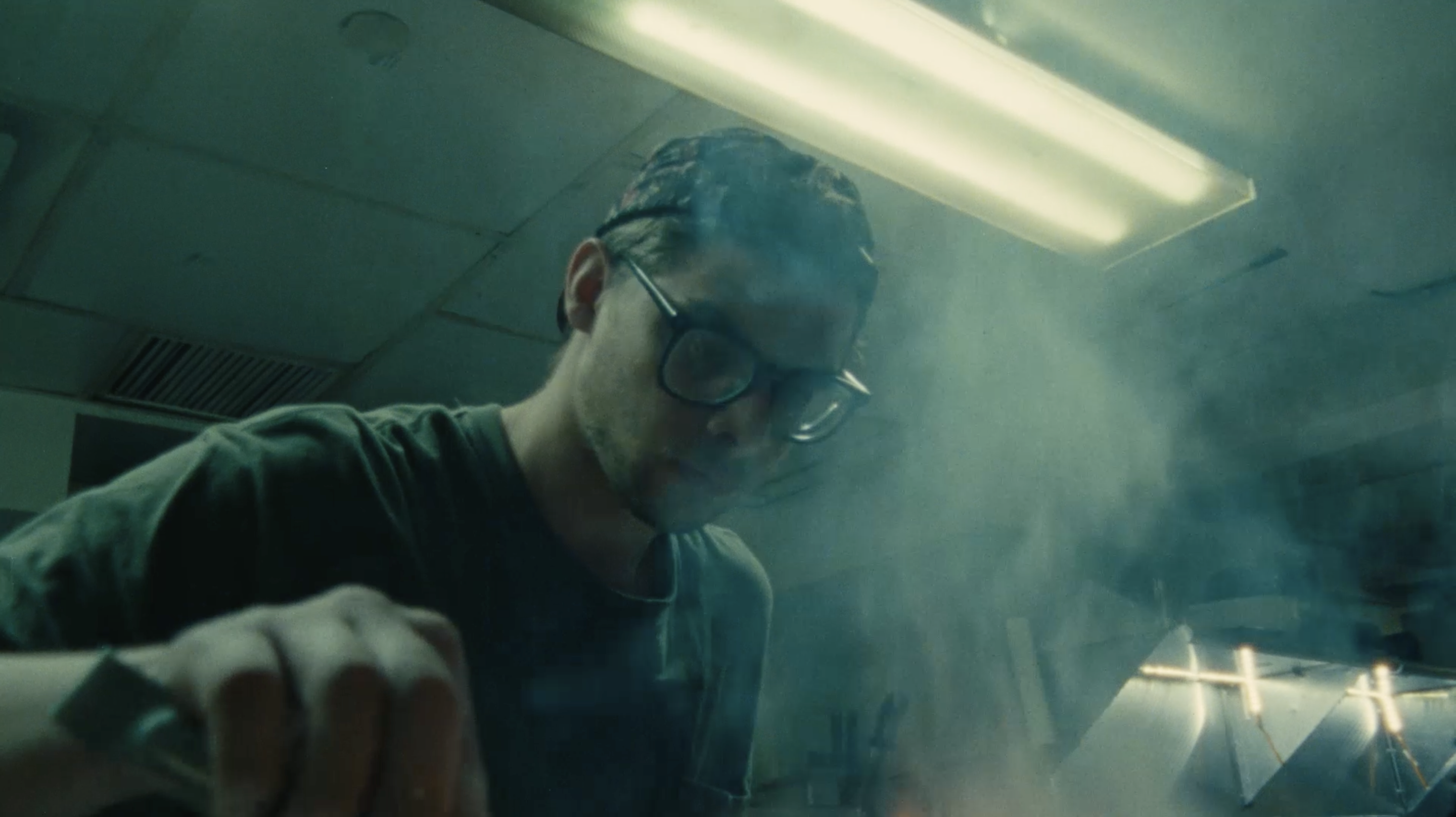
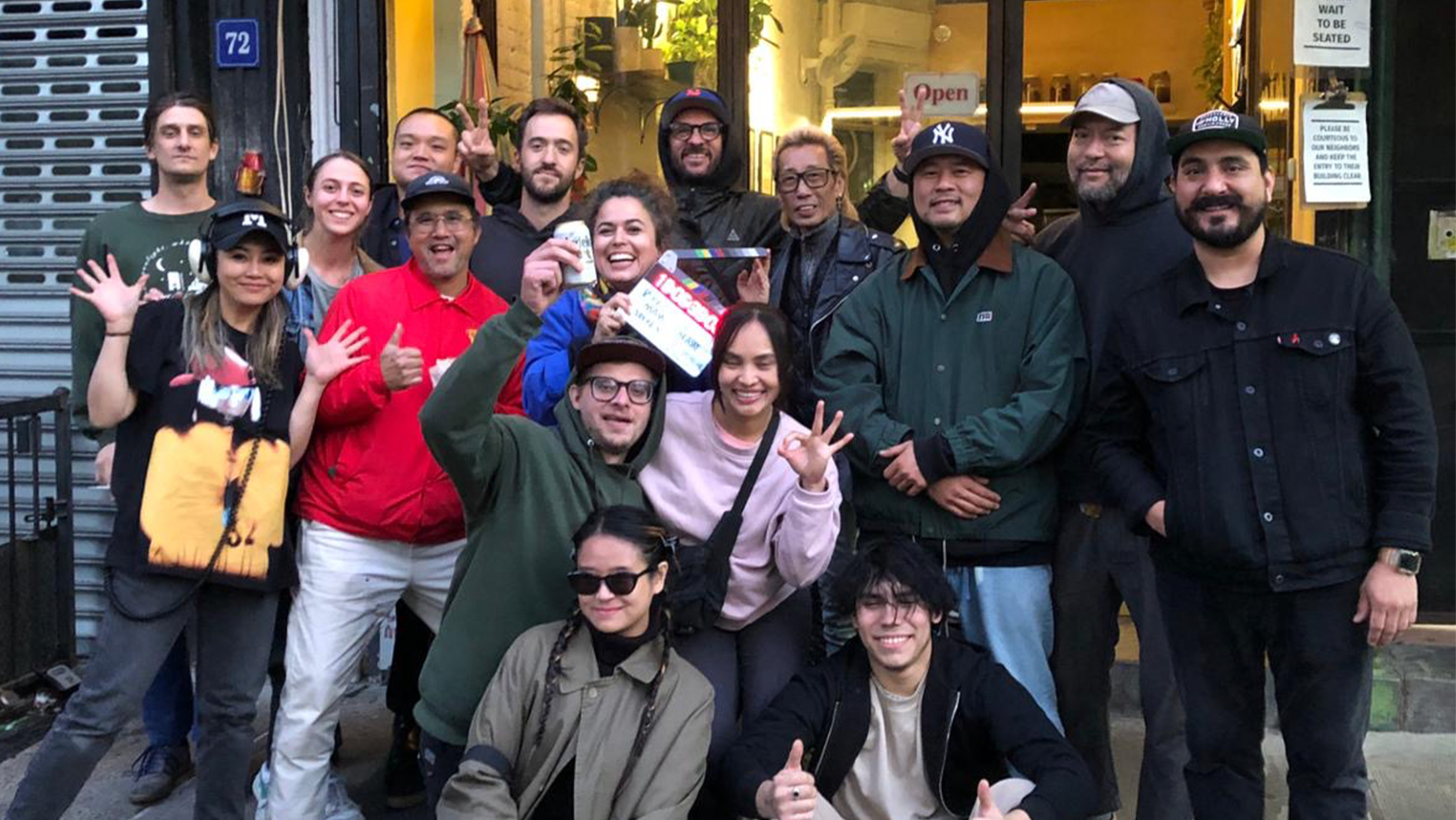
Operating as a tight crew of six people also allowed the team to move quickly and be flexible, whilst capturing the intimacy of a city, a kitchen, and the connections that make both come alive. “We could get the vibes from Chinatown, feel the spirit of the city, and even improvise some B-rolls with our guts,” Nan adds.
This stripped-back approach carried through to every aspect of the production. For Marine, a close friend and long-time collaborator of Nan’s, the intimacy wasn’t just rooted in the aesthetic – it shaped the working environment too.
“As a producer, I would never have taken on a project like this if it hadn’t been with Nan,” she insists. “With such a small budget, I had to wear many hats – art direction, logistics, even some tech – which I actually love. But that only works when there’s total trust with the director, and that’s exactly what we have.”
That trust became the heartbeat of the production.“We co-wrote the script from his synopsis,” Marine continues. “We even lived together in the same apartment for a month, which kept us fully in the energy of the film, through both the highs and the doubts.”
Their collaboration and shared willingness to get their hands dirty, mirrored the generosity of the film’s message. “Nan was right there too, picking up gear, dropping off film, even going decor shopping,” she laughs. “In the end, this film is about love, tolerance and mutual support, which is exactly what our partnership stands for.”
‘Family-Style’ Filmmaking
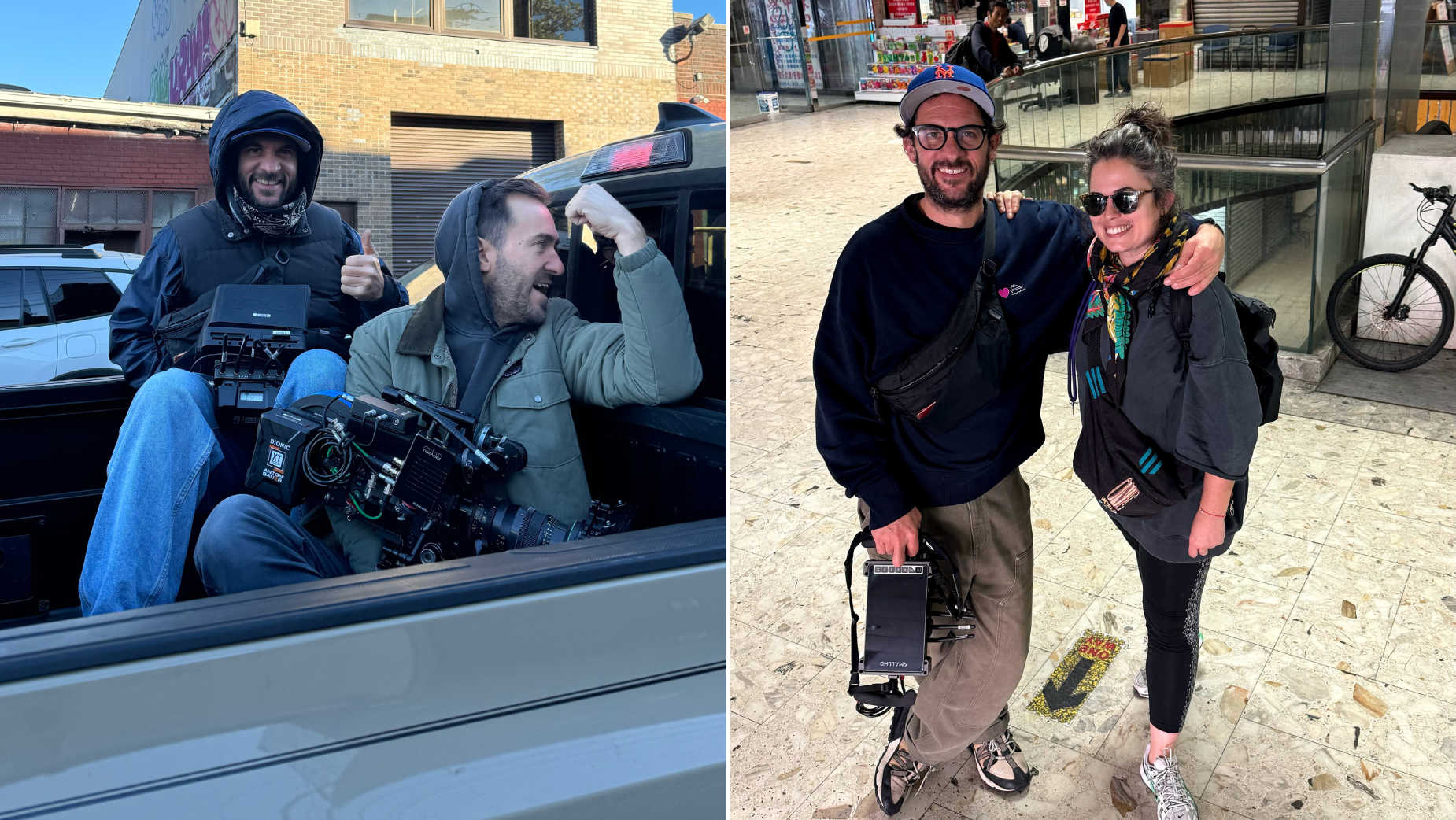
In keeping with the film’s themes of food and belonging, Loveboat made sure ‘MAM’ was cooked up ‘family-style’. The cast was made up of friends, the crew was small, and even the city itself became a collaborator.
“Going for a full-length feature film needed a dedicated crew, ready to shoot docu-style,” Nan explains. “The casting director and location manager was actually An, and most of the actors were my friends from New York. Producing wise, Marine really was the best. She was able to deliver many jobs at the same time; it was amazing.”
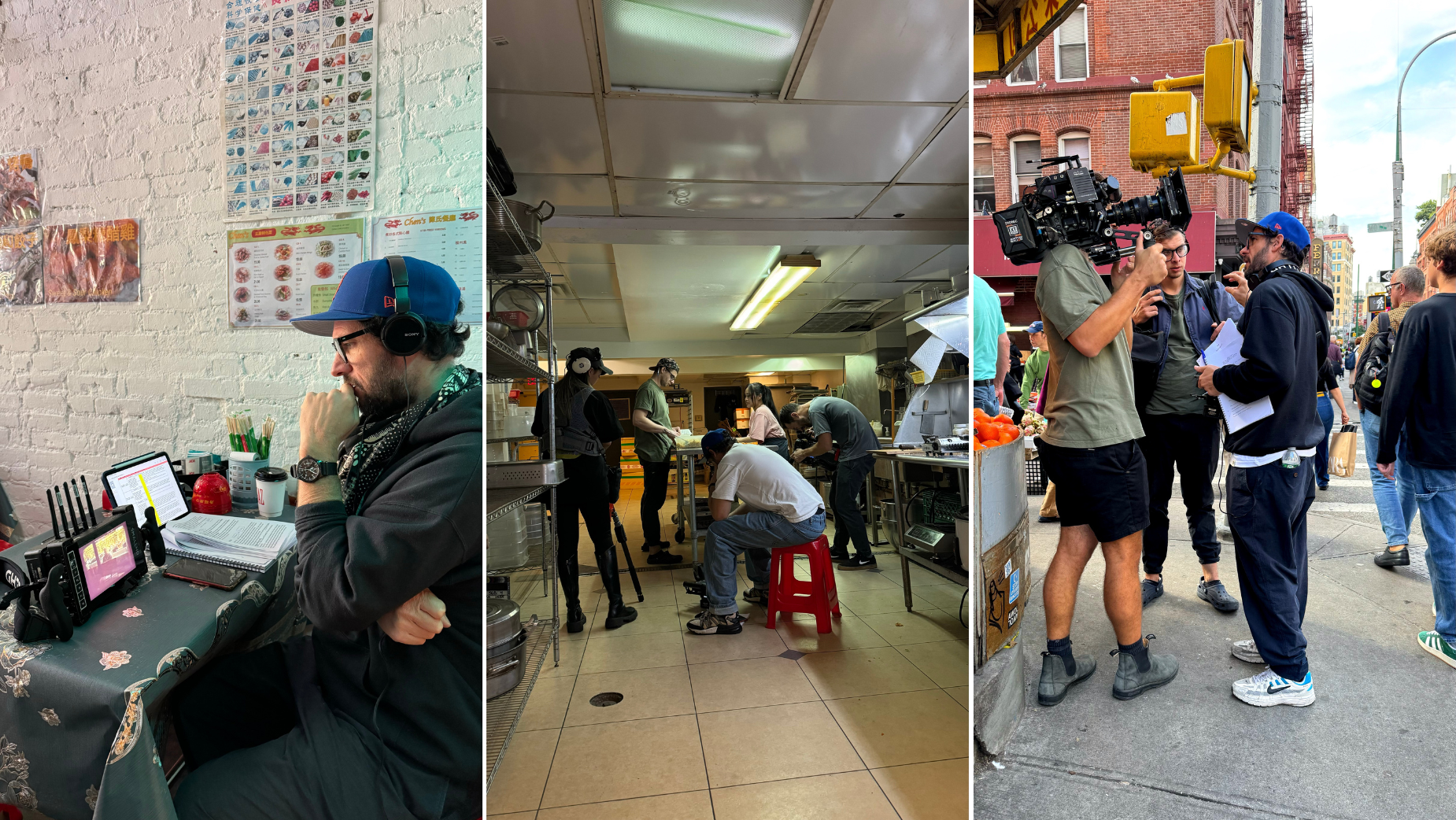
As tight-knit and familial as the team was, the production did come with a unique set of constraints, like with all independent filmmaking. “There were budget constraints, and naturally, limiting human and technical resources,” Marine notes.
But, she also reveals that these subsequently became creative strengths. With no dedicated set team, the crew learned to work fast, lean and collaboratively. And, like any traditional family-style meal, everyone chose to pitch in.
“Chinatown in New York, with its inherently rich aesthetic, provided the perfect backdrop,” Marine adds. “The team didn’t come for a paycheque; they came because they believed in the project, its creative freedom, and the human experience it offered.”
Nothing Worth Having Comes Easy
If ‘MAM’ succeeds in moving audiences, it’s because its emotional core of generosity, tolerance, and togetherness is palpable through every layer of the Super 16mm film.
“The main constraint was the poor number of Super 16 rolls,” Nan explains. “The budget didn’t allow us tonnes of footage… which was great in a way, because I could embrace it as a strong dogma: two takes per shot, maximum. This meant rehearsing for approximately 45 minutes, and then just going for it. This amount of pressure and adrenaline makes the moments we ‘go live’ feel super intense.”
That intensity extended beyond the creative process. During the second day of filming, the team faced a heart-stopping setback when Jerald was injured in a freak accident. “He crushed his head into an iron curtain and fell down the stairs,” Nan recalls.
And, just like that, the star of the show had dislocated his shoulder. “We checked the recovery time – six weeks. We thought the shoot was over.”
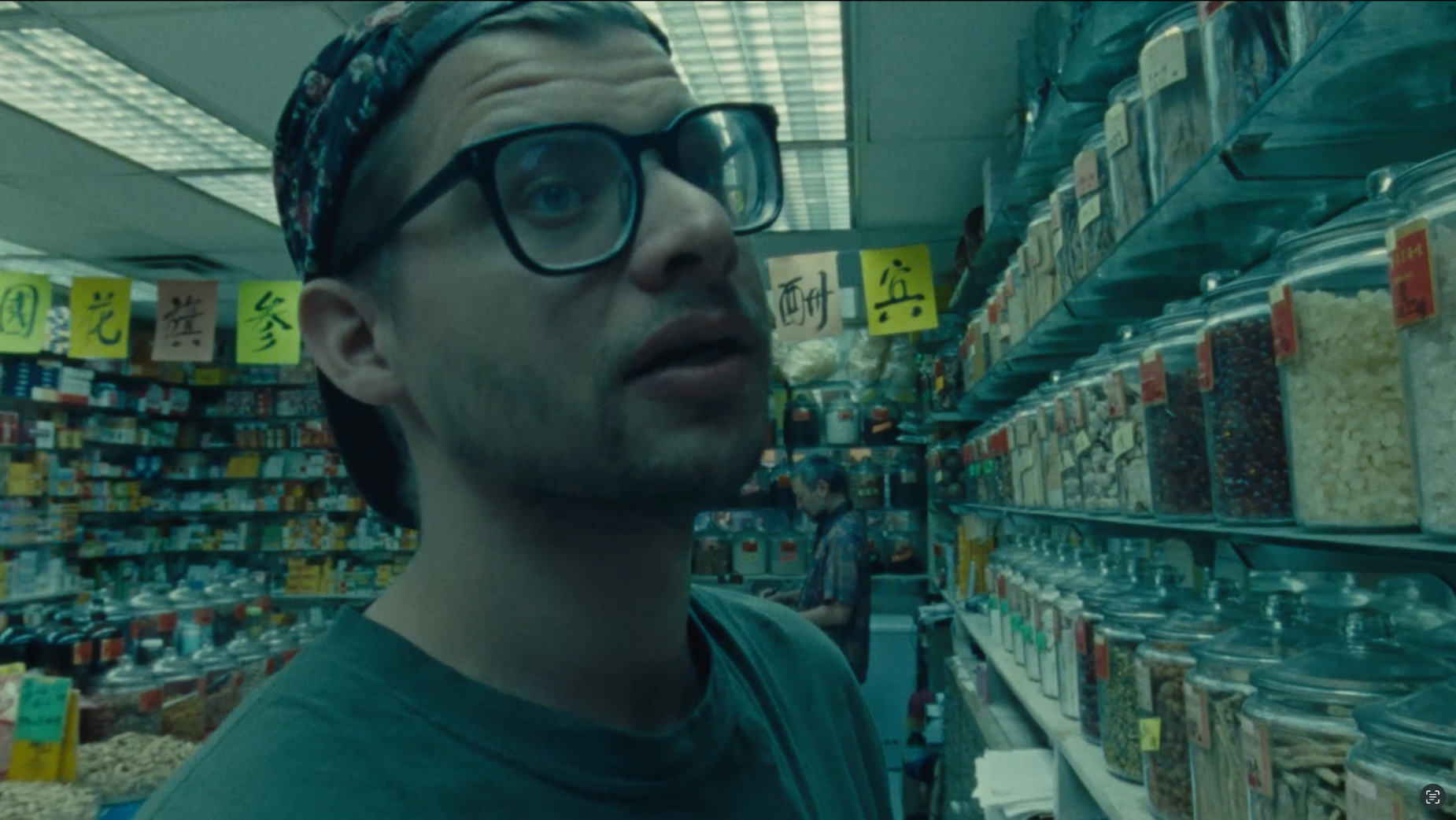
After a restless night of no sleep, Nan and Marine woke up to a message from Jerald, “I will be on set today, no worries. Even if I have to crawl, I would be here with you guys.” The duo was in shock. “Because of Jerald’s attitude and his work ethic, we knew the shooting would be a piece of cake, no matter what,” Nan adds.
This goes to show that the resilience and love – reflected both in front of and behind the camera – is what audiences are now responding to.“In the times we’re living in, I think audiences are drawn to stories that transport them and carry values they can hold onto like tolerance, sharing, and the belief at the heart of the film: that we are stronger together,” Marine says.
“It is a simple movie, made with sisters, brothers, friends, neighbours, shop owners, communities of Chinatown, with humans, by humans, for humans, far from AI and algorithms,” Nan continues. “Cooking expresses tolerance, respect, generosity and love: values we share in this movie, and which are essential especially nowadays.”
Loveboat is taking MAM to Cork International Film Festival, where it will be screened on Sunday 9th November 2025. More info here


