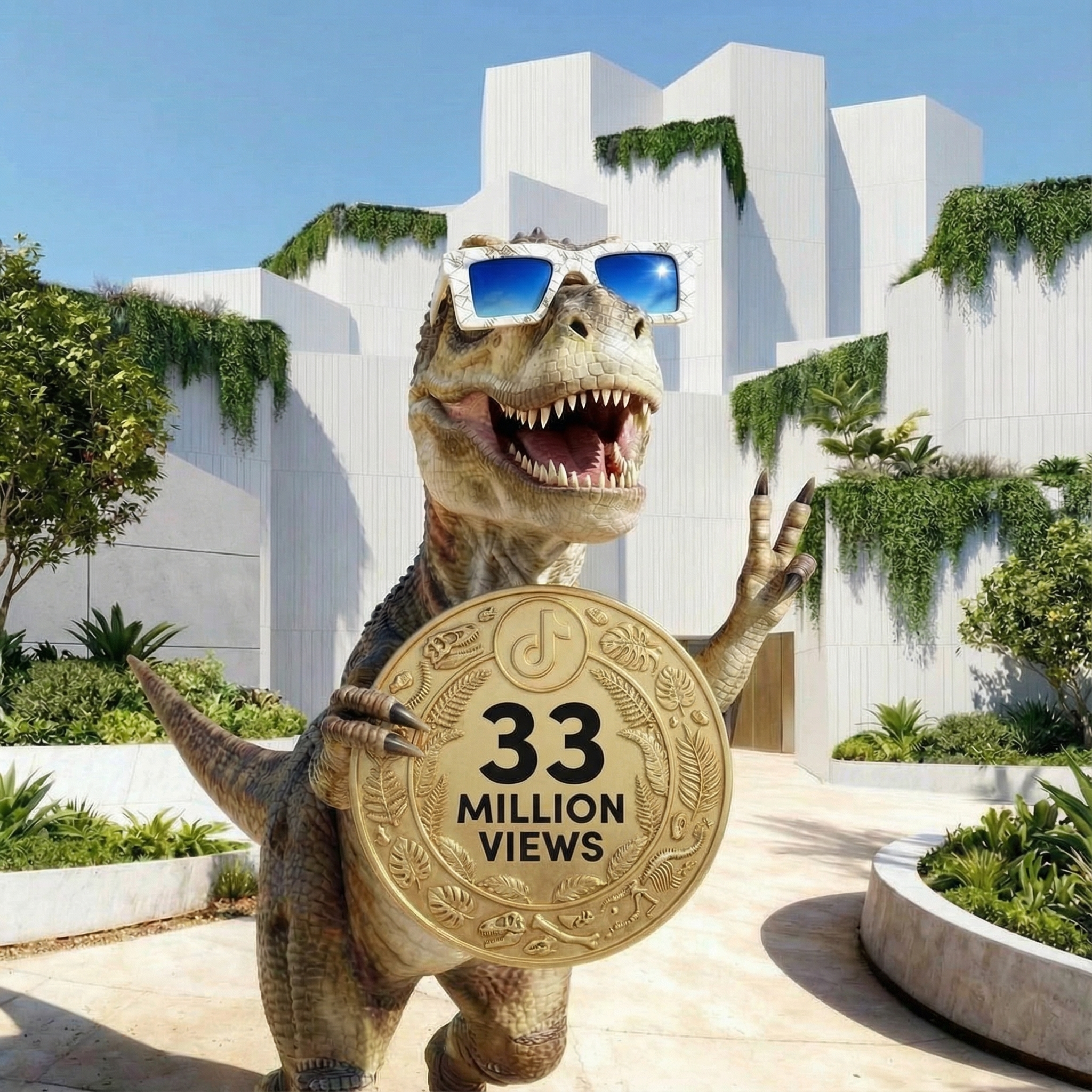
How WPP Turned a 67-Million-Year-Old Icon Into a Social Media Star


By combining next-generation technology with deep social insights, WPP showed how brands can turn historical assets into culturally relevant, digital-first experiences for new audiences.
In today's crowded digital landscape, capturing the attention of a new generation is one of the biggest challenges facing any brand. For cultural institutions, the task is even greater, 'how do you make ancient history feel immediate, exciting and social?' This is the moment for brands to look at their most valuable assets not just as static objects, but as dynamic personalities waiting to be unlocked. When Experience Abu Dhabi prepared to launch the Natural History Museum Abu Dhabi, it had a world-famous centrepiece: the 67-million-year-old fossil of a Tyrannosaurus rex. The opportunity was clear: transform this icon from a museum exhibit into a living, breathing digital creator that could build an audience and drive excitement for the museum's opening.
Making science social
The first step was to understand the audience. Social listening revealed a vibrant and active dinosaur fandom online, hungry for content that blended pop culture with scientific fact. To connect authentically, Ogilvy Paris couldn't simply advertise the fossil, they needed to give it a voice.
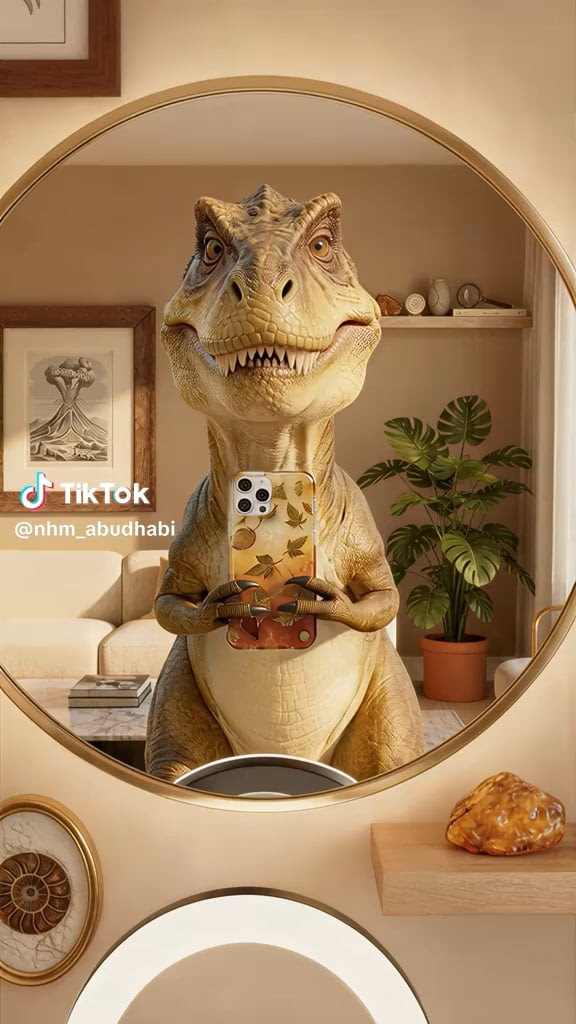
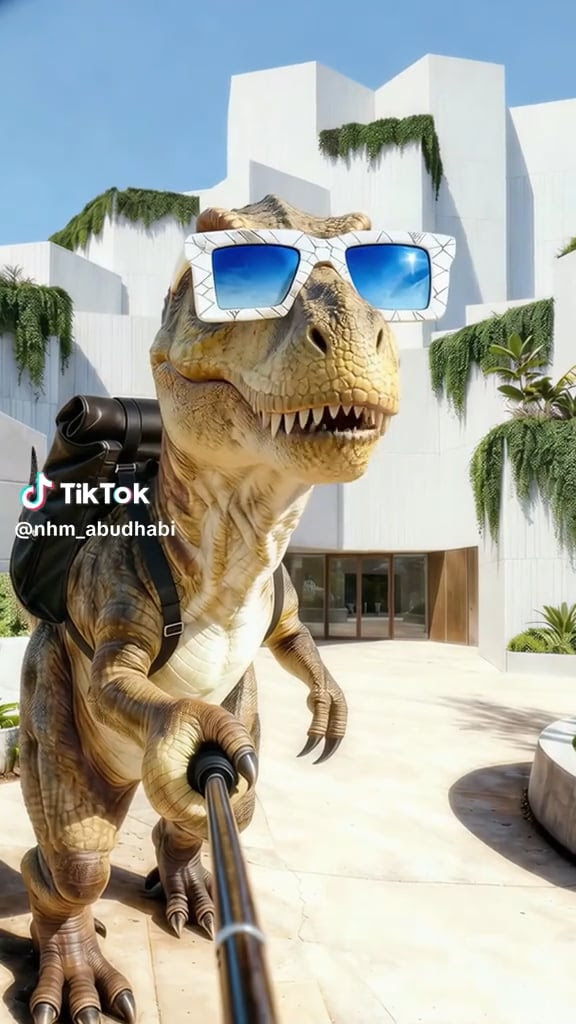
Working with Ogilvy Paris’ AI.Lab and Memac Ogilvy, a strategy was developed to transform the T. rex into the first “AI-ncient influencer.” Social insights were used to define a sharp, witty and expressive personality, creating a character designed to engage audiences on their own terms through the memes, trends and formats they already love
Bringing prehistory to life with next-generation tech
This project is a perfect example of creative transformation mission in action. To bring the character to life with unprecedented realism, WPP and Ogilvy turned to generative AI.
“This project is a perfect example of our creative transformation mission in action,” said Elav Horwitz, chief innovation officer at WPP. “By combining the deep brand understanding of our agencies with early access to ground breaking technology like Google's Veo 3.1, we're not just creating campaigns; we're building new forms of connection and cultural relevance for our clients.”
This approach, leveraging unique partnerships with Google, allowed the teams to generate video content that was not only visually stunning but also rich with personality. As David Raichman, global AI creative lead at Ogilvy, noted, "The challenge was to use AI to accurately design every detail. Through WPP’s partnership with Google, we had early access to Veo 3.1, which allowed us to achieve a level of precision that brought the T. rex to life with unprecedented realism and personality.
The result was a series of short-form episodes launched across the museum’s social channels, turning the T. rex into a must-follow creator.
Driving real-world results
By making science social, the campaign invites audiences to connect with the museum in a meaningful new way.
"Our social listening showed three things clearly: people drive dinosaur conversations online, the T. rex already has an active digital footprint and there is huge appetite for content that blends science with pop culture," said Ghadeer El Khub of the Department of Culture and Tourism – Abu Dhabi. "By making science social, entertaining and accessible, we’re inviting audiences to connect with the museum in a meaningful way and ultimately, encouraging them to come visit and discover more themselves.”
Since launch, the activation has continued to gain rapid traction, with content collectively reaching 50 million video views and 83.8K engagements, driven by top-performing posts that generated 23.66 million views and 40.7K engagements respectively. Audience sentiment holding at 95.9% positive and neutral across online conversations.
Turning assets into culturally relevant content
- Listen first, create later: Use social listening to understand the existing conversations and passions of audiences. Don't invent a personality from scratch; build one that speaks directly to the behaviours and interests of audiences already displays.
- Embrace emerging technology: Don't be afraid to experiment with new creative tools like generative AI. Strategic partnerships can provide access to technology that unlocks new levels of realism, personality and production speed.
- Transform assets into entertainers: Look beyond the functional purpose of brand’s assets. The key to engagement is to find the personality within them and turn them into characters that can inform, entertain and build a loyal community
- Speak the language of the platform: Create content that is native to the platform, from embracing trending formats and memes to adopting a tone of voice that feels authentic to the channel.
The future of brand storytelling lies in this fusion of insight, creativity and technology. By reimagining what a brand asset can be, Ogilvy and WPP created an entirely new way for an audience to experience natural history, proving that even a 67-million-year-old icon can be a star in the digital age.