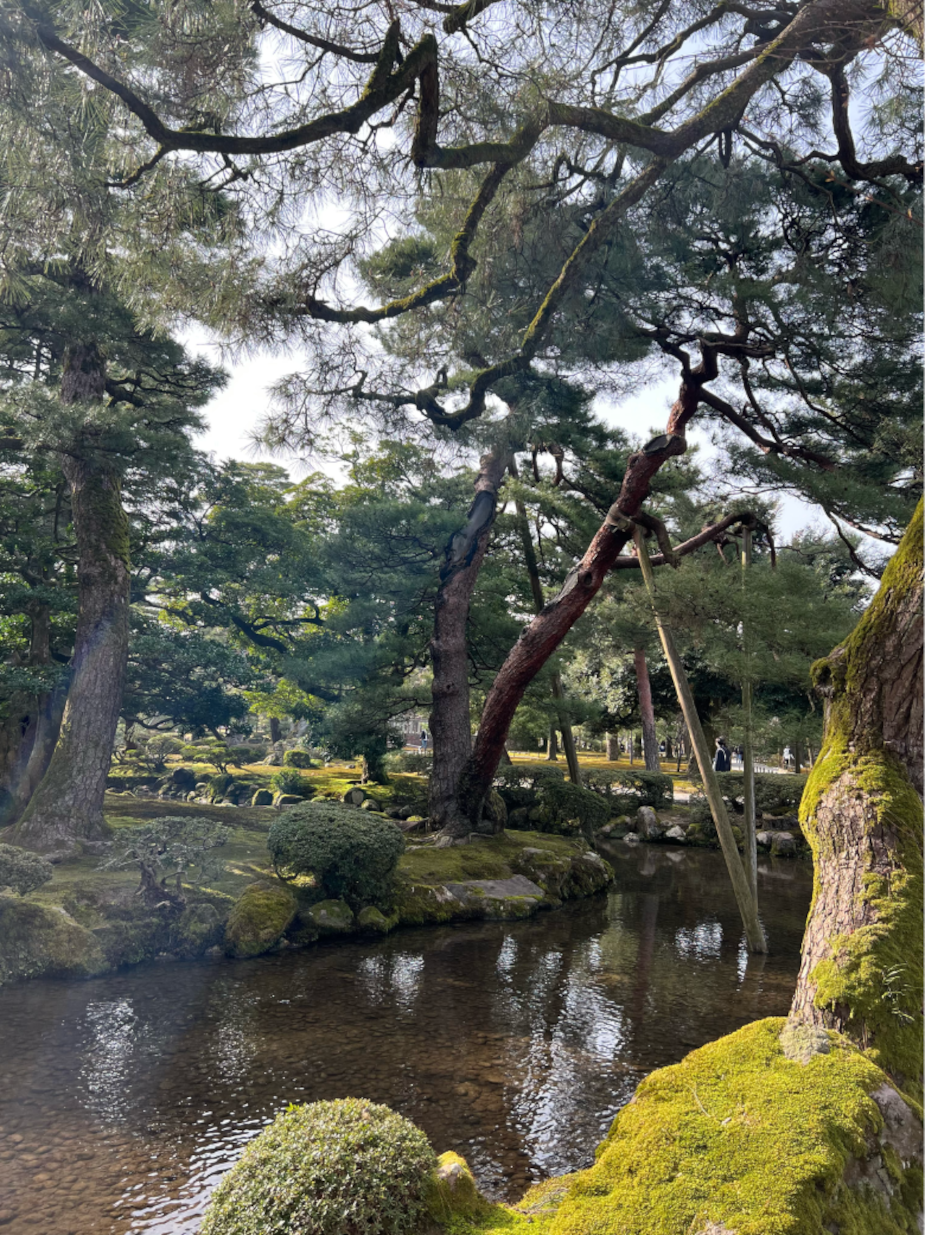
In the Field: A Closer Listen, Japan


Soundnest Studios have introduced In the Field, a blog series exploring the role of field recording in the creative process and how attentive listening shapes the way sound is approached in post-production.
Field recording sits at the heart of how Soundnest works with music and sound. By capturing original ambiences and sound effects, they are able to respond to a brief with precision and intent rather than generalisation. Every location, every moment, carries its own sonic fingerprint. Recording environments as they truly exist gives projects a sense of authenticity from the ground up, something that can’t be replicated by relying solely on libraries.
It’s also a practice that teaches restraint. Field recording forces work to slow down, to listen before acting, and to recognise when sound should gently support a story rather than dominate it. Often, the most powerful moments come from what isn’t added. Silence, pauses, and negative space are just as important as the sounds choosen to record.
For the first instalment of the series, Soundnest explores the sounds of Japan. A recent location field trip took them across several regions, each offering a distinct and contrasting sonic identity. Beginning in Tokyo, capturing the dense, rhythmic energy of the underground train systems and the Shinkansen.

Audio: Tokyo Underground — Platform and Transit Ambience (Binaural field recording, minimal processing)
The underground rail network in Tokyo is a study in controlled chaos. Trains arrive with mechanical precision, yet the spaces between them are filled with overlapping textures: distant announcements, footsteps, ventilation systems, the iconic sound idents for each train stop and the movement of crowds. These recordings were captured from platforms and corridors across the network using a binaural setup, allowing the listener particularly on headphones to experience the scale and spatial complexity of the environment.
From Tokyo, they travelled to Kyoto, where early mornings revealed a quieter palette. Narrow streets and residential areas offered subtle, understated soundscapes shaped by rainfall, distant traffic, and occasional human presence.
Audio: Kyoto — Early Morning Rain (Omni field recording, lightly edited for consistency)
The journey then moved into the misty mountains of Hakone. Here, the soundscape opened up even further. Wind moving through trees, water flowing over rock, and long stretches of near-silence created an environment defined by space rather than density. Captured using omni microphones, these recordings were intended to let the environment breathe, preserving a natural sense of width and depth.
Audio: Hakone — Forest & Mountain Atmospheres (Omni field recording, minimal processing)
Finally arriving in Nara, recording within and around its sacred temples. These spaces presented a completely different relationship with sound. Footsteps, distant bells, and ambient movement felt heightened by the surrounding stillness, reinforcing how context can dramatically alter perception.
Given the nature of the trip, much of the recording took place in busy, public environments, making an inconspicuous setup a priority. For urban ambiences, they used a Sound Devices MixPre-3 paired with a binaural dummy head mounted on a handheld boom. This allowed them to capture immersive perspectives while remaining unobtrusive.
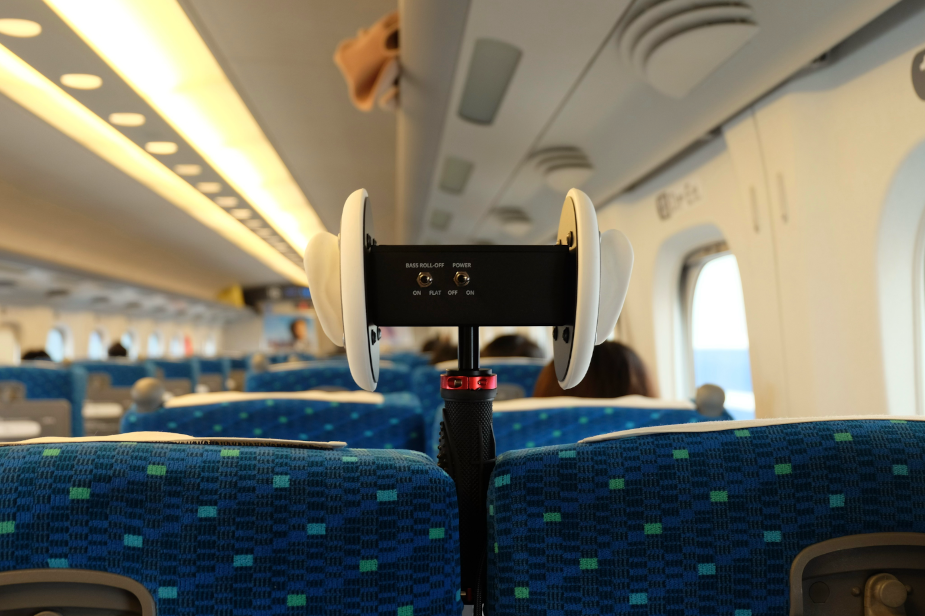
For more nature-focused recordings, they used a second MixPre-3 with a pair of omni LOM microphones. They also deployed a drop rig using a DMS microphone configuration with a Sound Devices MixPre-6, giving greater flexibility and allowing them to record up to 5.0 channels of audio in more controlled environments.
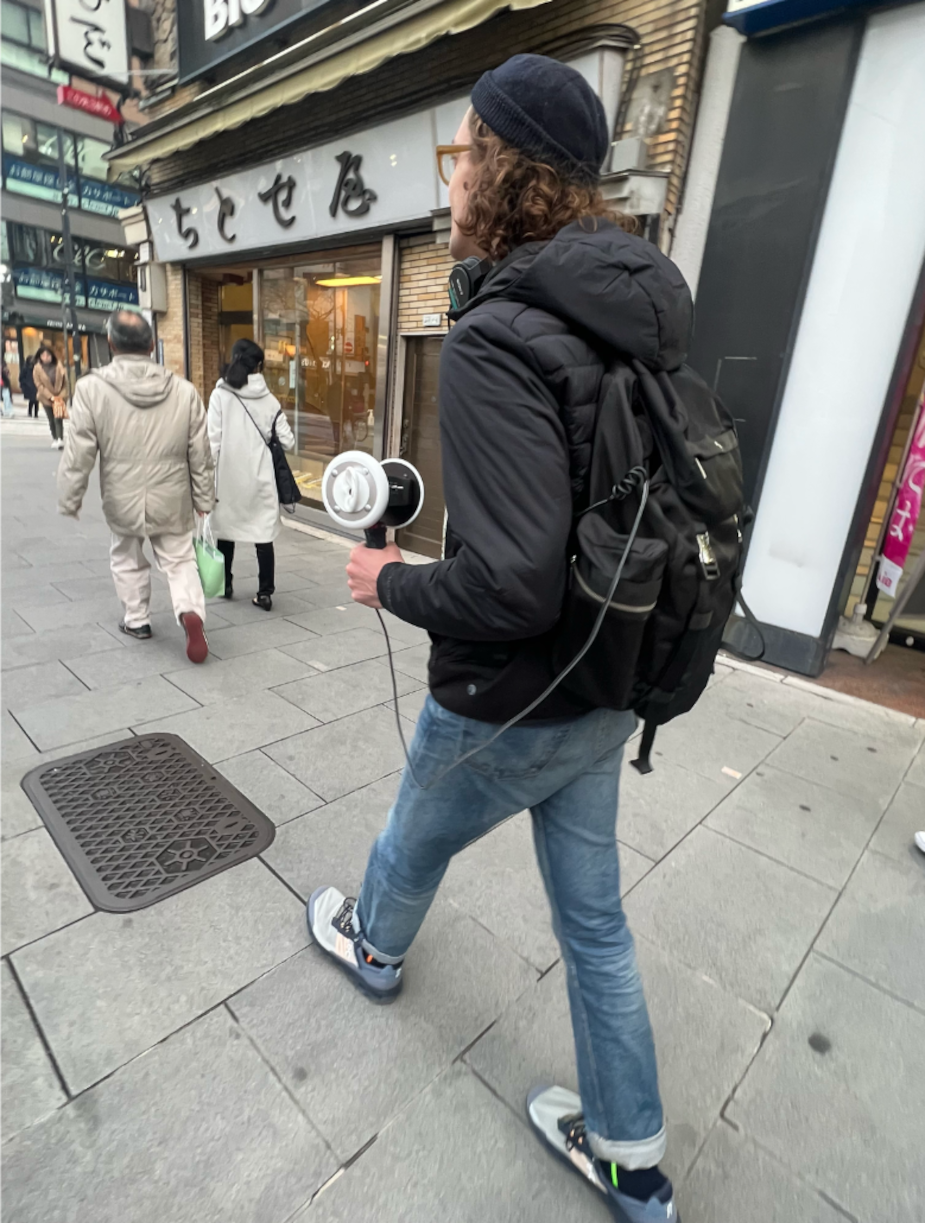
Over the two weeks, the goal was to build a diverse and intentional collection of recordings. The first half of the trip focused on urban environments such as transport systems, city movement, and the layered textures of daily life. The second half shifted toward more rural and natural soundscapes: rain, rivers, wind, and moments of near-silence.
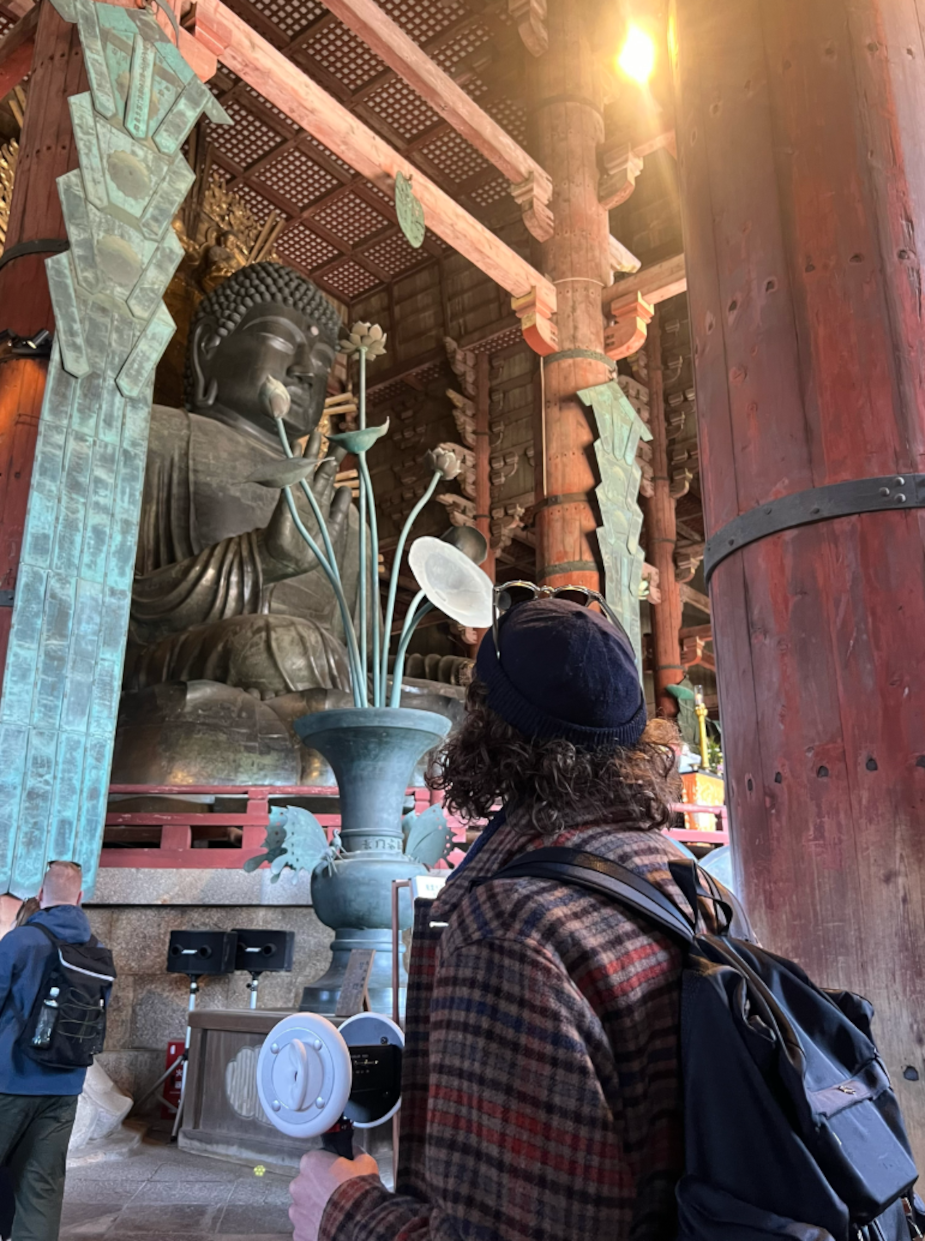
By sharing these recordings in their raw form, Soundnest offers insight into how field recordings function within their work. Often layered subtly into a project, sometimes barely noticeable on their own, these sounds help shape the emotional foundation of a piece. Listening closely, without expectation, remains central to everything they do.