


Location Spotlight: Picturesque Portugal


Established in 2000, PSP is a leading player across Portugal, the Azores, Madeira, and Spain. They offer top sustainable and seamless full production services for commercials, TV, features, and stills.
Proudly 100% female-owned, they also embrace gender diversity at every level of their company. The team is built on the belief that a mix of perspectives and backgrounds leads to stronger, more creative production solutions.
The PSP team discusses the increasingly popular filming destinations across Portugal, highlighting the nation’s diverse landscapes and skilled crews, as well as the country's most famous productions to date.
Why Shoot Here?
Portugal is an increasingly popular destination for film and television productions due to its diverse landscapes, rich history, and excellent infrastructure.
From stunning coastal regions to urban cities with classical and modern architecture, Portugal offers a wide range of shooting locations all within a relatively compact area.
The country boasts beautiful natural scenery, including beaches, mountains, forests, and vineyards, while cities like Lisbon and Porto provide a mix of contemporary and historical backdrops.
But best of all, Portugal’s production costs remain relatively low when compared to other Western European countries, while maintaining high-quality technical and creative standards.
Main Qualities of Portugal
- Diverse Landscapes: Portugal’s landscapes are incredibly diverse, featuring everything from Mediterranean beaches to lush forests, rugged mountains, and rolling hills.
- Rich History and Culture: With centuries-old cities, castles, palaces, and quaint villages, Portugal offers a visual richness that can support a variety of genres.
- Mild Climate: Portugal enjoys a temperate climate, with sunny weather for most of the year. This makes it a great location for year-round filming.
- Skilled Crews: The country has highly-skilled English-speaking film professionals, many of whom have worked on international productions.
Top Locations in Portugal
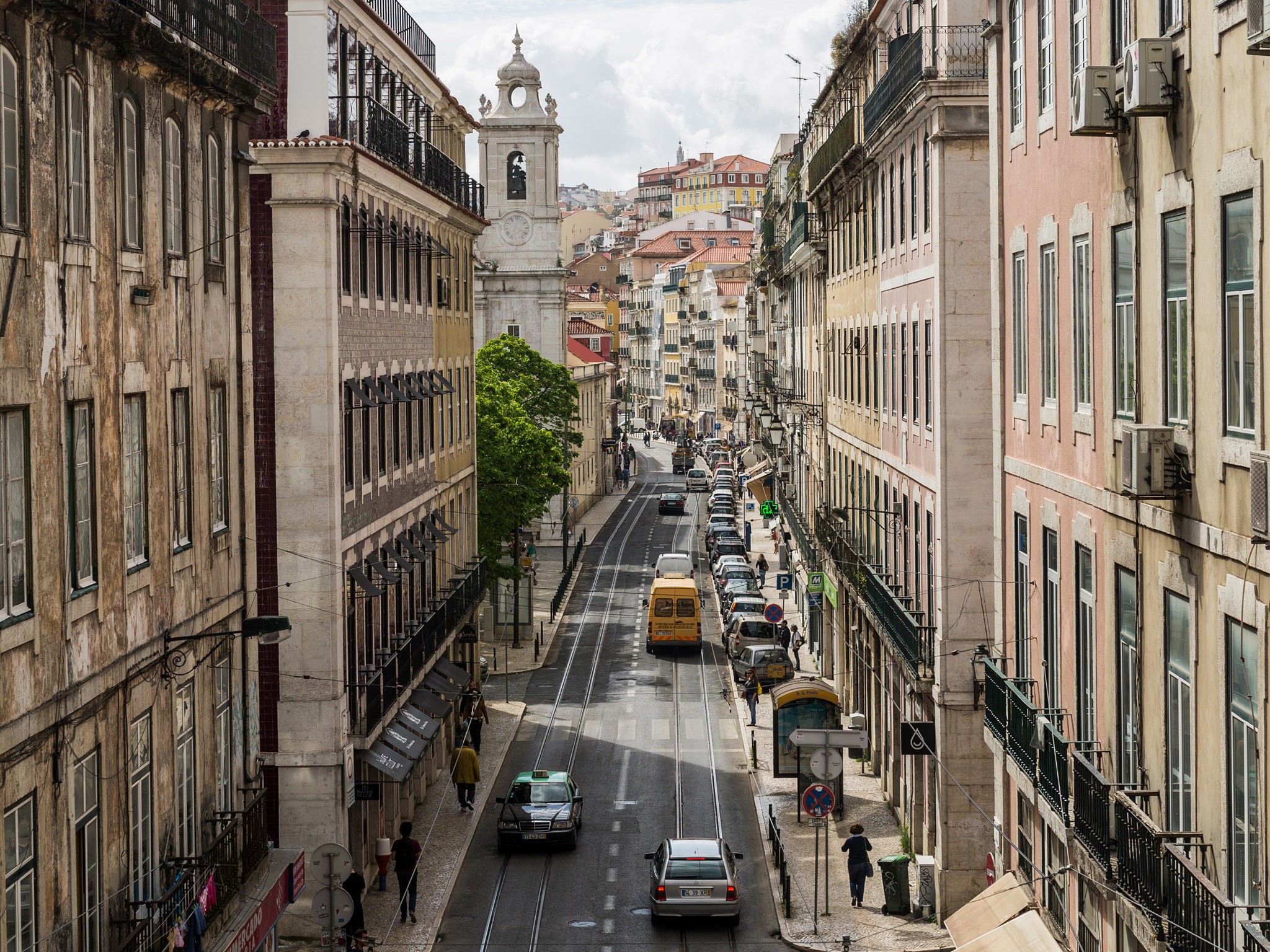
- Lisbon: The capital is known for its blend of historical architecture and modernity. Locations such as the Alfama district, Belem Tower, Rua Augusta, and the Baixa neighbourhood provide stunning settings for both contemporary and period films.
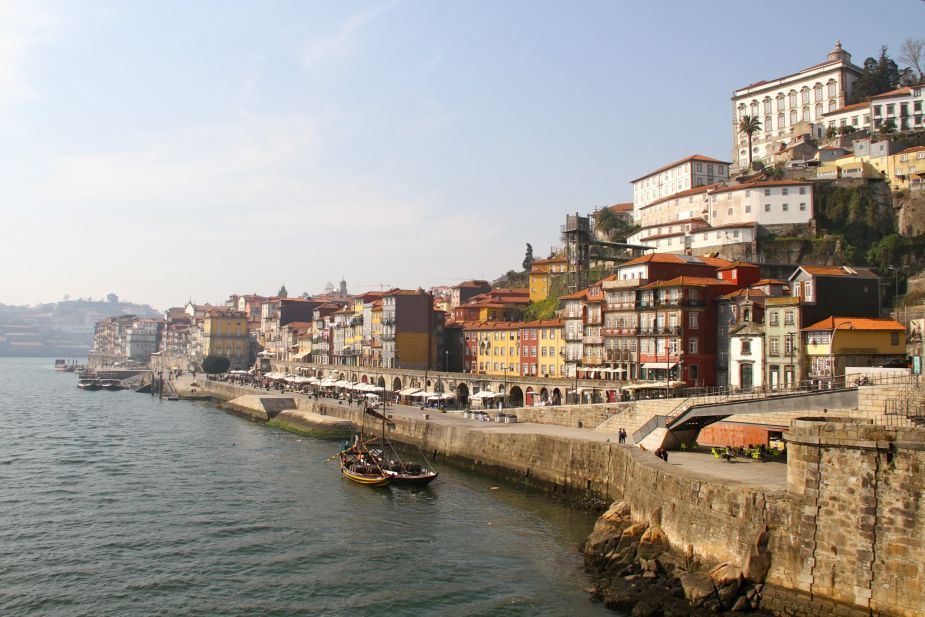
- Porto: Famous for its riverfront, the UNESCO-listed Ribeira district, and the iconic Luis I Bridge, Porto offers picturesque and cinematic urban landscapes. The Palácio da Bolsa and Livraria Lello are also popular film locations.
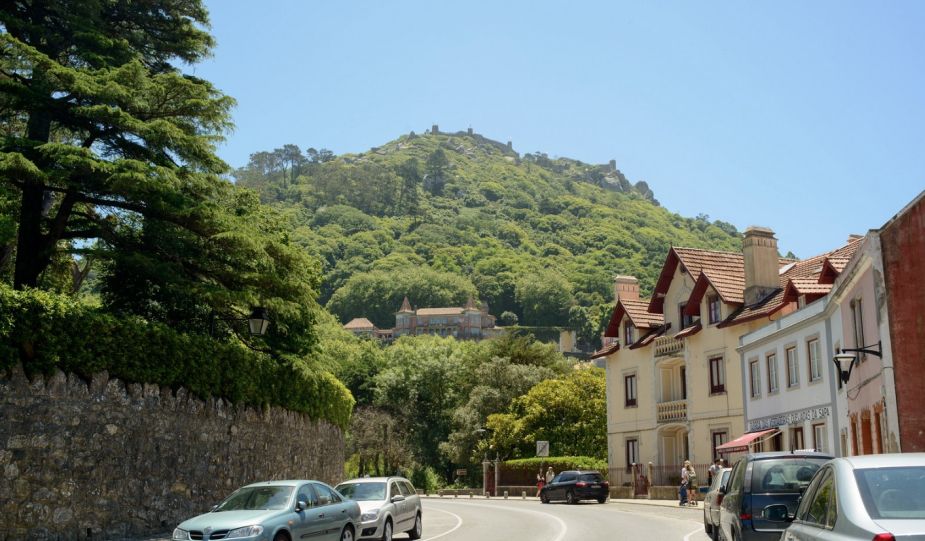
- Sintra: A UNESCO World Heritage site, Sintra is renowned for its romantic architecture, including Pena Palace and Moorish Castle, making it an excellent location for fantasy or period films.
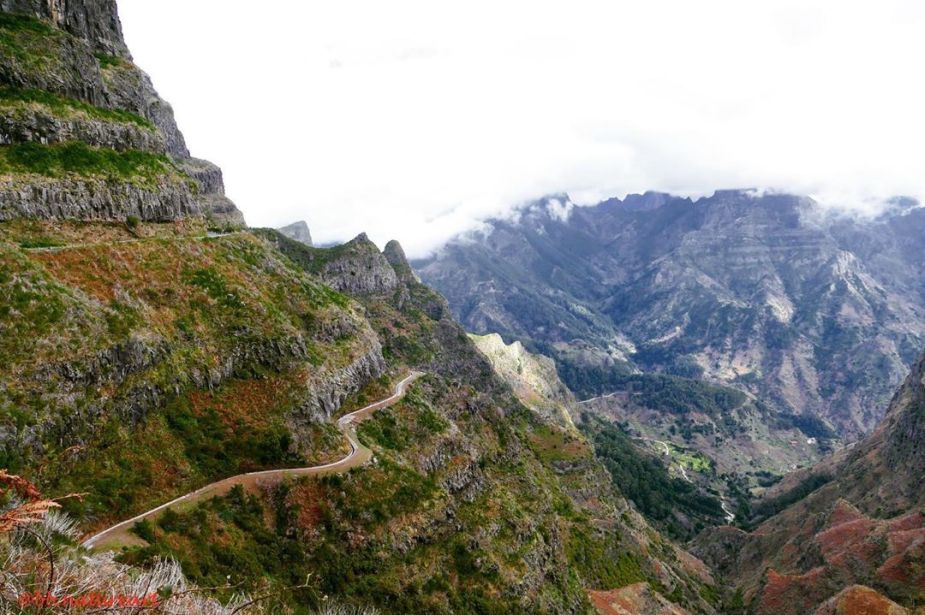
- Madeira: This stunning archipelago in the Atlantic Ocean features dramatic dramatic landscapes, lush forests, and spectacular coastlines, ideal for adventure films or nature documentaries. Madeira is also a place to keep in mind if you want lookalike locations, with Madeira perfectly doubling up as Hawaii.
- The Azores: Known for being a volcanic archipelago, Azores have it all! Nine islands of untouched nature, mystical lakes, massive cliffs and magical spots.
- Algarve: The southern region is famous for its beautiful beaches, cliffs, and caves. Locations like Benagil Cave or Ria Formosa are great for beach and coastal scenes.
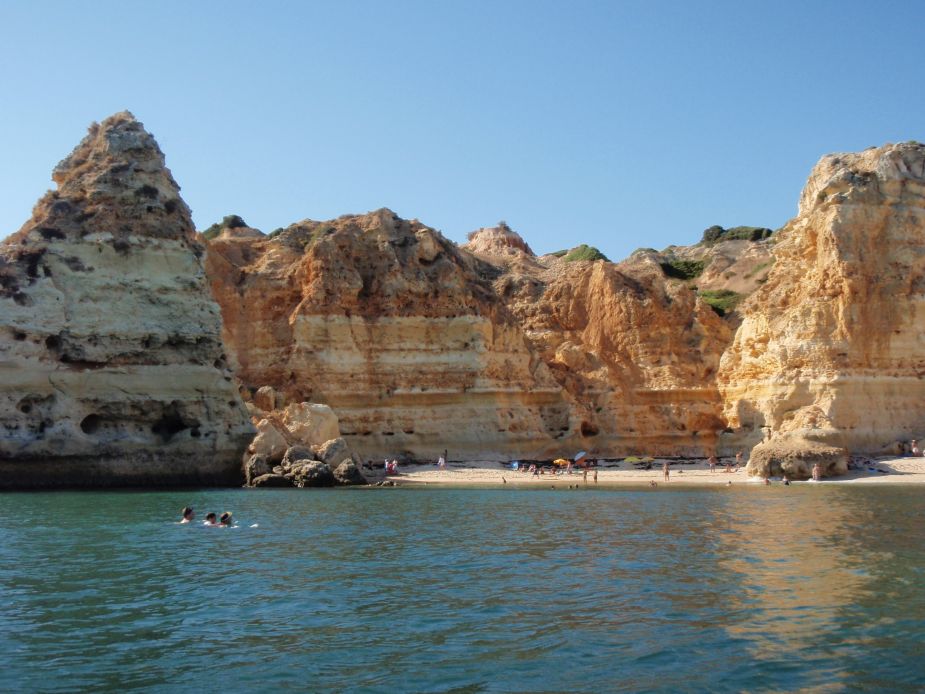
- Douro Valley: This UNESCO-listed region is famous for its terraced vineyards along the Douro River. The landscape here is visually striking, with rolling hills covered in vines and riverside towns, ideal for historical dramas, elegant commercials or romantic scenes.
- Serra da Estrela: The highest mountain range in mainland Portugal, offering breathtaking views, snow-capped peaks (in winter), and rugged terrain, perfect for adventure or nature-based productions.
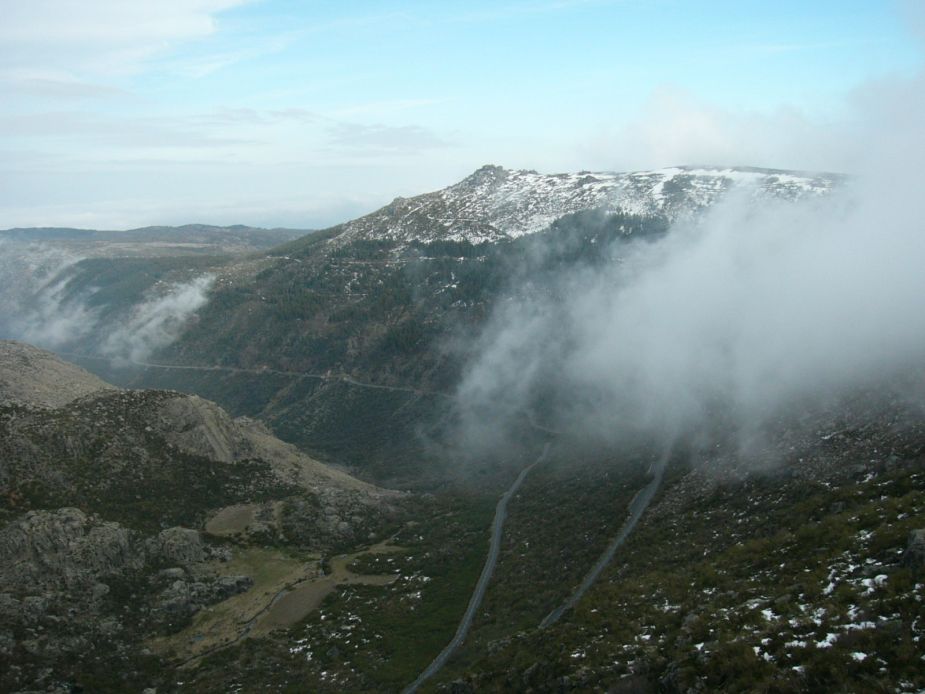
Most Popular Location
Lisbon is probably the most popular location in Portugal due to its proximity to international airports, diversity of settings, and high availability of production resources.
The city’s iconic trams, narrow streets, and stunning viewpoints make it a favorite for films requiring both modern and historical backdrops. At the same time, Lisbon is also the main door for all the diversity of the country.
Right in the center of the country, you will find direct flights to the islands, fast trains and highways that will lead you to sunny Algarve beaches and iconic Alentejo landscapes on the south or the high snowy mountains, century-old castles and luxury green views of the North.
Biggest Attribute for Local Productions
- Climate: Portugal enjoys a Mediterranean climate, with warm summers and mild winters. The summer months (June to September) are hot and dry, with temperatures often reaching 30-35°C (86-95°F), particularly in the southern regions. In winter (December to February), temperatures in coastal areas tend to be mild, averaging 10-15°C (50-59°F), while the interior and mountainous regions can experience colder weather and occasional snow.
- Best Time to Shoot: Spring (March to June) and autumn (September to November) are the best seasons to shoot in Portugal due to pleasant temperatures, fewer tourists, and a golden, soft sunlight ideal for filming.
- Worst Time to Shoot: Winter in the mainland and mountainous regions can result in cold and rainy weather, which could disrupt outdoor shooting, especially in higher altitudes like Serra da Estrela.
Easy Permits/Visas for Shooting in Portugal
To film in Portugal, you’ll need the following:
- Filming Permit: For public spaces, a filming permit from the local municipality is required. The local production company (such as PSP Production) can assist with obtaining permits for specific locations.
- Visas: Non-EU citizens require a visa for extended stays more than three months for filming. There are also permits for drones, depending on the location and type of shoot. If you are hiring local crew or equipment, just relax… they will make it happen for you.
- Infrastructure for supporting large productions
Portugal offers solid infrastructure for film production, including:
- Equipment Rentals: Portugal is home to well-established rental companies that provide high-end cameras, lighting, and grip equipment. The country has a growing number of professional-grade facilities, including studios and soundstages, particularly in Lisbon.
- Crew: Portugal has a skilled, English-speaking crew base experienced in handling international productions. Many of these professionals have worked on European and global film and TV productions.
- Studios: Currently there are not many notable studios which can accommodate large-scale film and TV productions . If required, studios and large warehouses can be adapted to accommodate these types of shoots.
- Casting: Portugal has a diverse talent pool, including international actors who are fluent in multiple languages, making it an ideal location for projects targeting various markets.
Biggest/Most Successful Production to Date
Portugal has hosted many successful international productions, including:
- ‘Money Heist’
- ‘Vampire Academy’
- ‘Colors out of Space’ with Nicholas Cage
- ‘FBI International’
Conclusion
Portugal offers a diverse array of locations, from historic cities and medieval castles to stunning natural landscapes, making it an attractive destination for film and television productions. With a skilled crew, high-quality equipment, and a relatively low-cost production environment, Portugal is increasingly becoming a go-to choice for filmmakers looking to create memorable and visually striking content.
Dos and Don’ts in Portugal
When filming in Portugal, it’s important to respect local customs, culture, and etiquette to ensure smooth interactions with locals and avoid misunderstandings.
Here are some key Do’s:
- Respect Local Customs: Portuguese people are generally warm and friendly, but it’s important to be polite and respectful. Greet people with a handshake or a kiss on both cheeks (considered normal with close acquaintances).
- Learn Basic Portuguese Phrases: While most people in Portugal speak English, especially in urban areas, learning a few basic Portuguese phrases (like ‘Bom dia’ for ‘Good morning’ or ‘Obrigado/Obrigada’ for ‘Thank you’) goes a long way and shows respect for the local culture.
- Respect Religious Sites: Portugal has a longstanding Catholic heritage, so always act respectfully when visiting religious sites (like churches, monasteries, and shrines). Dress modestly, especially in places of worship (no shorts or sleeveless tops), and speak in hushed tones.
- Use Public Transport Responsibly: Portugal has excellent public transport, especially in Lisbon and Porto. Be mindful of your belongings on buses, trams, and metro systems, as petty theft can occasionally be a problem.
- Appreciate the Siesta: In smaller towns or rural areas, you may find that many shops close for a few hours in the afternoon (typically between 1:00 PM and 3:00 PM) for lunch. This is an important part of the local culture, so be patient if you encounter this.)
- Respect Personal Space: Portuguese people are generally welcoming but they do value personal space, especially in public areas. Avoid being overly physical or intrusive in social situations.
Don’ts:
The only “don’t” about our country is to miss it…


